
In industries where daily operations dance on the edge of unpredictability, the stakes are high when it comes to safety. Imagine working in a facility where accidents can lead to disastrous consequences in just moments. The good news is that with proper preparation, we can significantly reduce the risks involved. This article dives into the Ulsan Industrial Disaster Response Kit—an essential tool designed to tackle emergencies effectively. We’ll explore its core components and see how these key pieces work together to keep workers safe during critical situations. Getting ahead of the potential challenges helps not only in saving lives but also creates a culture of safety that everyone can benefit from.
The Ulsan Industrial Disaster Response Kit is an emergency preparedness package designed to effectively respond to industrial accidents and disasters. It typically includes essential tools such as personal protective equipment, spill containment materials, first aid supplies, and communication devices to ensure safety and facilitate a quick response during an emergency scenario.
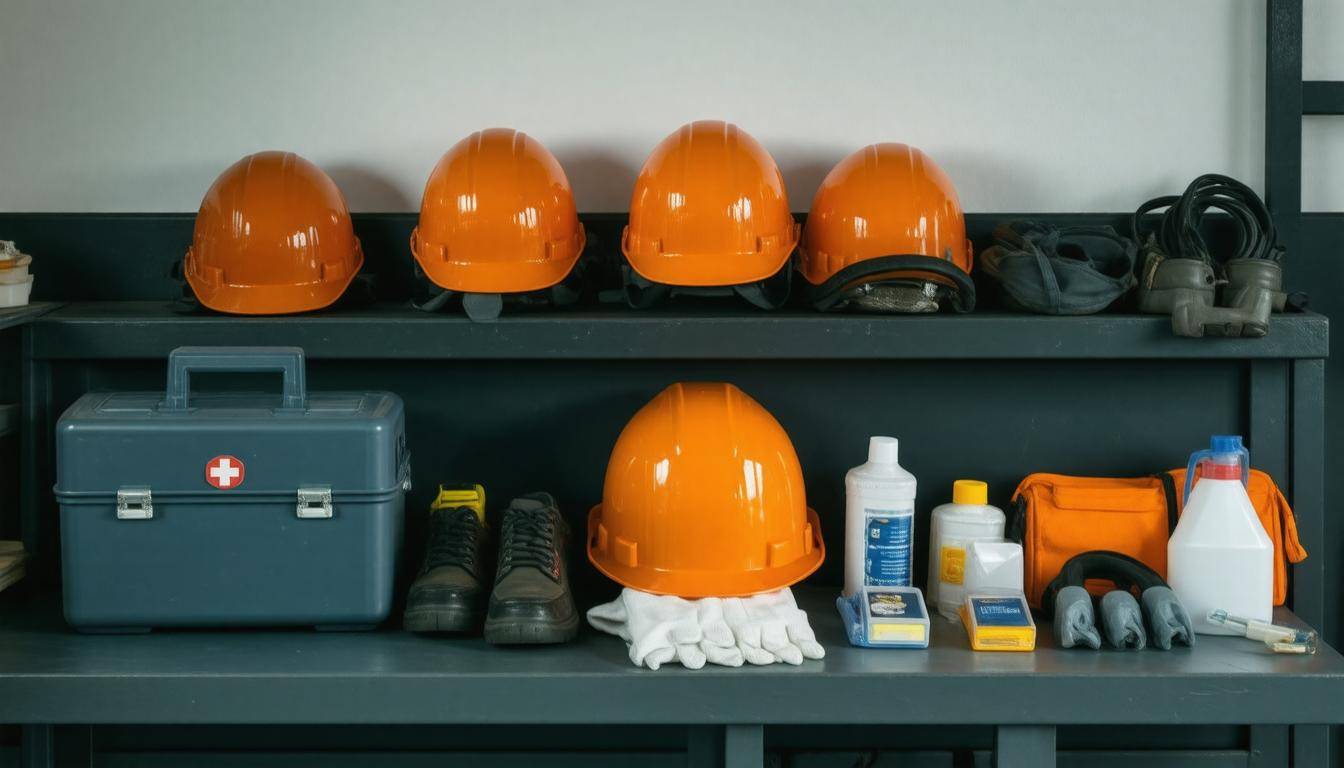
Overview of the Ulsan Industrial Disaster Response Kit
The Ulsan Industrial Disaster Response Kit is not just a box of tools; it is a lifeline in critical situations. This kit has been specifically designed for industrial environments where time is of the essence, such as chemical plants and manufacturing facilities. From chemical spills to unexpected explosions, the kit’s contents aim to address various scenarios efficiently.
Key Components
| Component | Description |
|---|---|
| Protective Gear | Includes gloves, eye protection, and hazmat suits which are essential for securing the safety of responders against toxic substances or potential hazards. |
| First-Aid Supplies | Comprising bandages, antibiotics, and burn treatments that ensure immediate care for any injuries sustained during an incident. Every second counts when it comes to saving lives! |
| Communication Tools | Equipment like walkie-talkies and emergency radios allow seamless communication among team members, ensuring coordinated efforts during rescue operations and information dissemination. |
| Evacuation Resources | Maps to guide evacuees and fire blankets for warmth and protection highlight the importance of structured evacuation plans in preventing chaos. |
| Safety Procedure Manuals | Crafted with comprehensive guidelines tailored to various types of emergencies, these manuals serve as instruction documents that offer step-by-step procedures for responders to follow. |
| Training Material | Instructional booklets and video tutorials equip workers with the skills needed in emergencies, making sure that they’re prepared ahead of time rather than learning on the fly. |
| Checklists | Detailed checklists help ensure that all necessary steps are followed in a high-stress environment, minimizing human error when every detail matters. |
Each element mentioned above is designed not only for utility but also to foster confidence among employees, giving them a roadmap for handling potential crises efficiently. As we transition from understanding these kits, we can now look into the specific types of protective gear necessary for safeguarding health and safety during emergencies.
Essential Protective Equipment
Protective equipment serves as the frontline defense against hazards in an industrial disaster, ensuring that workers maintain a safe working environment amidst chaos. Each piece is designed to protect specific parts of the body and must be used properly to be effective.
Head to Toe Protection
Among the essential items in any Ulsan Industrial Disaster Response Kit are:
-
Helmets: Designed to protect against falling debris, helmets should fit snugly while allowing for comfort and ease of movement. Regularly inspect them for cracks or wear that may compromise their integrity.
-
Face Shields and Goggles: These protect the eyes from chemical splashes and flying particles, ensuring your vision remains intact. Choose face shields that offer complete coverage and goggles that provide a tight seal without obstructing airflow.
-
Respirators: Essential for filtering out toxic fumes, respirators need to be fitted properly to create a seal around the face. Ensure you have the right type – from simple masks for dust protection to more complex respirators for hazardous material handling.
-
Gloves: Protecting hands from hazardous substances is vital since they are often the most exposed during tasks. Select gloves made from materials compatible with the chemicals you are working with, ensuring both dexterity and safety.
-
Hazmat Suits: Providing full-body protection, these suits guard against harmful contaminants. Make sure to choose suits that extend coverage over your shoes and have sealed seams to prevent exposure.
However, simply having this equipment isn’t enough; knowing when and how to use each item properly is essential for maximizing safety in emergencies.
For instance, putting on a helmet or gloves may seem straightforward, but proper fit can significantly impact effectiveness. It’s crucial to train personnel on recognizing when certain protective equipment is necessary. If there’s an unexpected chemical spill, quick recognition of the need for respirators versus just gloves can mean the difference between safety and serious health risks.
Regular training sessions not only familiarize workers with wearing protective gear but also reinforce the importance of inspecting equipment regularly for signs of damage or wear. Familiarity with one’s tools leads to speedier responses during emergencies—every second counts when time is of the essence in a disaster situation.
With this understanding of essential protective equipment, the next step involves exploring crucial supplies that can be instrumental in critical situations.
Critical First-Aid Supplies
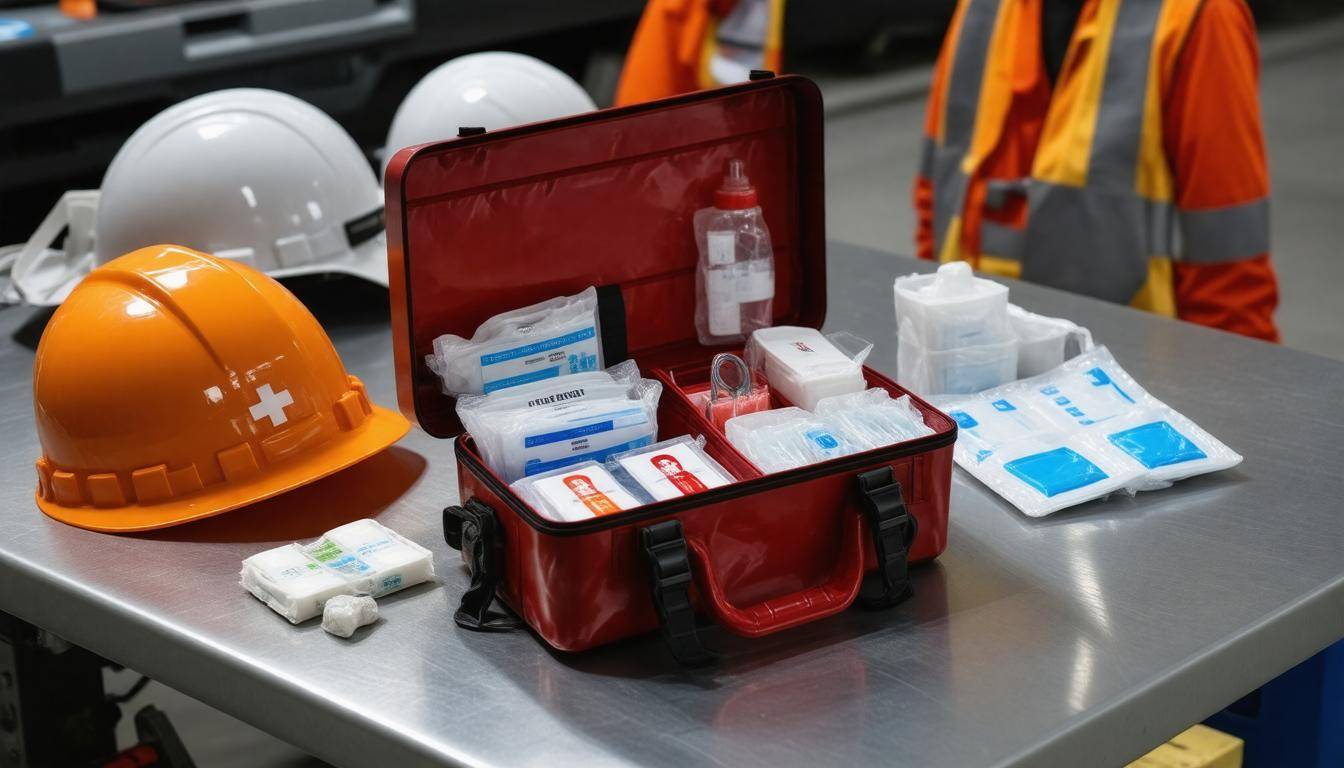
Immediate first aid can be life-saving during a disaster. Imagine a situation where every second counts; having the right supplies on hand will make all the difference. The importance of including specific items in your emergency response kit cannot be overstated. These supplies will not only help stabilize someone’s condition until medical professionals arrive but may also save lives.
Your kit should contain an assortment of vital components: burn treatment solutions such as Silver Sulfadiazine Cream, effective for second and third-degree burns, blood-stopping agents like gauze or hemostatic dressings that quickly help control bleeding, and a variety of bandages designed for different wound types. Stocking your first-aid kit with adhesive bandages for small cuts, elastic bandages for sprains, and sterile gauze pads for larger injuries ensures you’re prepared for any kind of injury that may occur.
Personal stories enhance the understanding of why these supplies are essential. I remember a plant worker named Dave who had a severe cut during an emergency. It was during a busy shift when an industrial accident occurred, causing him to sustain a deep laceration on his arm. Team members quickly reached into the disaster response kit for a blood-stopping agent. Thanks to this quick application, his bleeding was controlled within minutes, allowing him to receive further treatment without catastrophic loss of blood.
Studies show that timely first aid can reduce severe outcomes in emergency incidents by up to 50%. Imagine being able to halve the risk of long-term injury simply by being prepared! This highlights the importance of ensuring your disaster response kit is stocked regularly and maintained properly.
Ensuring these critical first-aid supplies are included in your emergency preparedness plan can be the difference between life and death during a crisis. Take the time to evaluate what’s missing from your kit and replenish it as needed—your foresight in planning could very well pay off in saving someone’s life when it matters most.
Understanding how to respond effectively in emergencies requires not just equipment but also reliable systems for coordination and information-sharing. Let’s examine the tools that enhance communication during critical situations.
Communication Tools for Emergencies
Understanding how to communicate effectively during a crisis cannot be overstated, and having the right tools is essential. Investing in durable, long-range walkie-talkies can greatly enhance coordination among teams responding to an industrial disaster. These devices are often built to withstand harsh conditions, ensuring that they continue to function when you need them most. I always recommend units with strong battery life and clear audio quality.
While mobile phones are convenient, relying solely on them is risky. Network failures during emergencies can leave you cut off just when you need to relay critical information. Therefore, having dedicated communication tools like walkie-talkies paired with emergency radios that operate on multiple frequencies proves indispensable. These radios not only allow for communication but often come equipped with built-in flashlights and sirens—a valuable feature when visibility is low or when trying to signal for help.
Backup Communication Options
Now, let’s focus on backup options. Emergency radios are invaluable because they typically operate on multiple frequencies and can receive weather alerts—keeping you informed of changing conditions that could affect your safety. When storms loom or natural disasters strike, these radios can mean the difference between being prepared and being caught off guard.
I recall an instance when our team was communicating through walkie-talkies during an unexpected downpour, and we received critical weather updates via an emergency radio that helped us adjust our worksite plans in time.
In all situations requiring quick dispersal or protection from hazardous conditions, seamless communication can facilitate effective evacuations and save lives. This highlights the importance of equipping your industrial disaster response kit with reliable tools that ensure safety and efficiency as various scenarios unfold.
Evacuation Resources
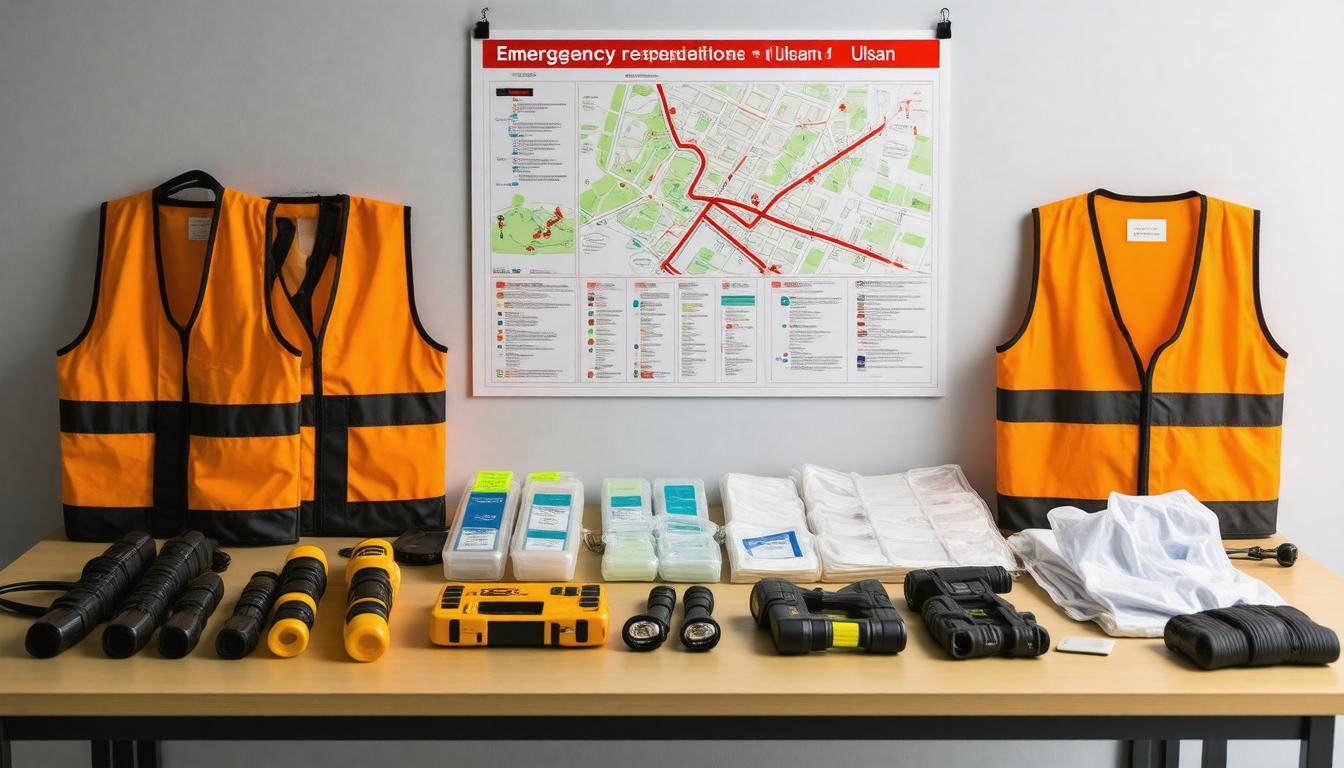
Proper evacuation resources ensure that everyone can exit safely and that no one is left behind during an emergency. Among them, having detailed maps indicating exit routes and assembly points is crucial. These maps should be posted prominently throughout the facility, ensuring easy visibility for all employees. The clearer and more accessible they are, the better equipped individuals will be to respond appropriately when seconds count.
I remember participating in a fire drill at a Ulsan factory where chaos ensued. An employee missed the assembly point entirely because the map had been placed too high on the wall and the print was too small to read easily. This experience drove home how essential it is to have intuitive guidance readily available in high-stress situations.
Essential Evacuation Tools
Various essential tools can significantly enhance evacuation efforts. For example, fire blankets are invaluable—they can extinguish small fires or act as shields while escaping. Just think about how comforting it would be to know you have a means of protection in case you’re confronted with flames while trying to exit.
Additionally, whistles may seem simple, but their importance cannot be overstated. A loud whistle can cut through the panic of an emergency, allowing individuals to signal their presence and help others navigate the safest path out. It’s a small item that packs a powerful punch when it comes to communication during a crisis.
Ensuring these tools are effective relies heavily on implementing clear safety procedures that complement their use, helping everyone understand exactly what actions to take during an emergency situation. Let’s transition now into discussing those very safety protocols that are vital for effective emergency management.
Safety Procedure Guidelines
Clear and comprehensive safety guidelines are more than just words on a page; they form the backbone of any effective emergency response plan. Understanding each guideline in detail ensures that employees know their specific responsibilities during chaotic situations, leading to swift and organized reactions. For instance, guidelines for dealing with a chemical spill might detail how to secure the area, who to notify, and the specific steps needed for cleanup using the right protective equipment.
Planning doesn’t just end with those guidelines; it extends into ensuring that every employee knows the procedures like the back of their hand. That’s where regular training comes into play. Practicing these procedures helps reduce panic and confusion when real emergencies occur. Imagine a scenario where an alarm sounds. Employees who have rehearsed their roles can quickly spring into action—some evacuate while others initiate containment measures, all following the established protocols.
It’s also crucial that these safety manuals are not only thorough but kept easily accessible. A tightly bound book locked away in an office drawer won’t help anyone in danger. Instead, consider distributing pocket-sized versions or digital copies available on devices carried by employees on-site. Regular updates based on new findings or changes in equipment will help maintain relevance in these materials.
A fascinating statistic highlights the importance of maintaining up-to-date safety guidelines: in Ulsan, companies that implemented revised procedures saw a reduction in emergency response times by an impressive 20%. This improvement illustrates just how significant well-documented and current procedures can be in saving lives.
Training should mirror real-life scenarios as closely as possible. Conducting drills not only prepares team members for actual emergencies but also helps identify any weaknesses within the plan itself. For example, after a practice drill focused on fire evacuation, staff can debrief to discuss what went well and where improvements could be made.
As we navigate through the complexities of emergency preparedness, understanding the significance of hands-on training becomes essential for enhancing responses during crises. Next, we will explore how structured learning environments build resilience among teams when facing unexpected situations.
Crisis Preparation Training
Understanding the importance of crisis preparation training is essential for any workplace, particularly in environments susceptible to industrial disasters. Regular training ensures that every team member is not just aware of their responsibilities but can also act decisively and swiftly when time is critical. When disaster strikes, hesitation can be detrimental; therefore, consistent engagement in training helps solidify a culture of preparedness.
Effective training programs should integrate both theoretical knowledge and practical skills. This dual approach provides employees with a solid foundation of understanding how equipment works while simultaneously simulating real-life scenarios they could encounter. For instance, employees learn about protective gear tailored for specific types of hazards and participate in hands-on sessions that illustrate how to apply this knowledge in emergencies. Whether handling fire extinguishers or administering basic first aid, these practical experiences forge muscle memory that serves them well when every second counts.
An Ulsan factory manager once shared: “Our bi-annual drills make sure every worker is confident in their roles, cutting down on response hesitations and improving overall safety.”
This statement highlights a crucial component of effective training—the cultivation of confidence among team members through repeated drill exercises.
While theoretical knowledge and practical skills are indispensable, it’s equally important to foster an environment where continuous learning flourishes.
Encouraging feedback after each training session paves the way for improvements in both procedures and individual performance. Employees should feel empowered to voice concerns or suggestions following drills, as this input can inform refinements that enhance future preparedness. Aspects such as timing, coordination, and communication tactics during mock emergency scenarios provide actionable insights into how teams can work better together.
Incorporating technology into crisis preparation training is another innovative strategy worth pursuing. Virtual reality simulations can immerse employees in realistic environments where they practice responding to various scenarios without the actual risks involved. This approach can deepen understanding while ensuring that individuals are familiar with the possible consequences of their actions—reinforcing the need for vigilance during real incidents.
As organizations continue adopting advanced methods alongside traditional drills, we witness a marked improvement in overall response effectiveness during true emergencies. The combination of learned skills, unshakeable confidence, and adaptability brings tangible benefits to any industrial setting—a necessity when it comes to safeguarding lives amidst potential disasters.
With a strong emphasis on preparation and skill-building established, it’s crucial to shift focus toward the specific tools needed to support these initiatives effectively. Let’s examine the essential items that ensure readiness during a crisis.
Industrial Disaster Response Checklist
A well-thought-out checklist acts as your roadmap in the chaotic moments of an industrial disaster. Its presence streamlines the response process and ensures that each critical component is addressed, allowing teams to function cohesively without missing vital steps. By having this list readily available in key locations like control rooms, entryways, and safe zones, you facilitate immediate access for all involved personnel, thereby increasing the effectiveness of your emergency response.
Consider how important it is to have the same checklist visible and accessible in various high-traffic areas. This ensures that whether you’re rotating teams or new workers are brought in, everyone knows where to find the necessary resources without scrambling or wasting precious time locating them.
Key Steps to Include:
The following crucial actions should always be part of your checklist:
-
Activate Alarm Systems: Promptly alerting everyone is critical. Make sure alarms are regularly tested so that they are functioning properly when needed.
-
Don Protective Gear: Safety comes first. Each team member should have easy access to their protective equipment.
-
Use Communication Tools: Alert all personnel through radios or PA systems, ensuring everyone is informed of potential dangers.
-
Administer First-Aid: Be prepared with kits located throughout facilities, and ensure designated first responders are trained effectively.
-
Evacuate Via Designated Routes: Clearly marking safe routes helps maintain order during evacuation, reducing confusion and potential injuries.
Regular training on these steps can sharpen reflexes under pressure and reinforce the importance of quick thinking.
Therefore, it’s imperative to keep these checklists updated regularly, reflecting any changes in protocol or equipment within your organization.
Continuously reviewing and revising your disaster response kit and protocols not only enhances preparedness but also instills confidence within employees. Knowing they are equipped with the latest information allows them to react more decisively during emergencies, ultimately making Ulsan’s industrious landscape safer for everyone involved.
In every emergency situation, being prepared can be a lifesaver. Investing time and resources into maintaining an effective industrial disaster response plan is essential for the safety of all personnel involved.