
When living in a beautiful coastal city like Vancouver, it’s easy to forget about the powerful forces of nature lurking beneath the surface. But the reality is that earthquakes and tsunamis are real threats to those of us in this vibrant region—sometimes striking with little warning. Preparing for these emergencies isn’t just smart; it’s essential. Imagine finding yourself with only minutes to gather your family and escape the impending waves; having a well-packed evacuation kit could mean the difference between safety and chaos. In this article, we’ll explore how to prepare an effective tsunami evacuation kit, packed with everything you need to safeguard yourself and your loved ones when disaster strikes. Let’s dive into the vital items you should include and why they matter!
In your Vancouver tsunami evacuation kit, you should include non-perishable food items, water purification tablets, first-aid supplies, and personal hygiene essentials. Additionally, consider packing important documents, portable lighting such as flashlights, extra clothing, and any necessary medications, ensuring these items are easily accessible for a quick evacuation.
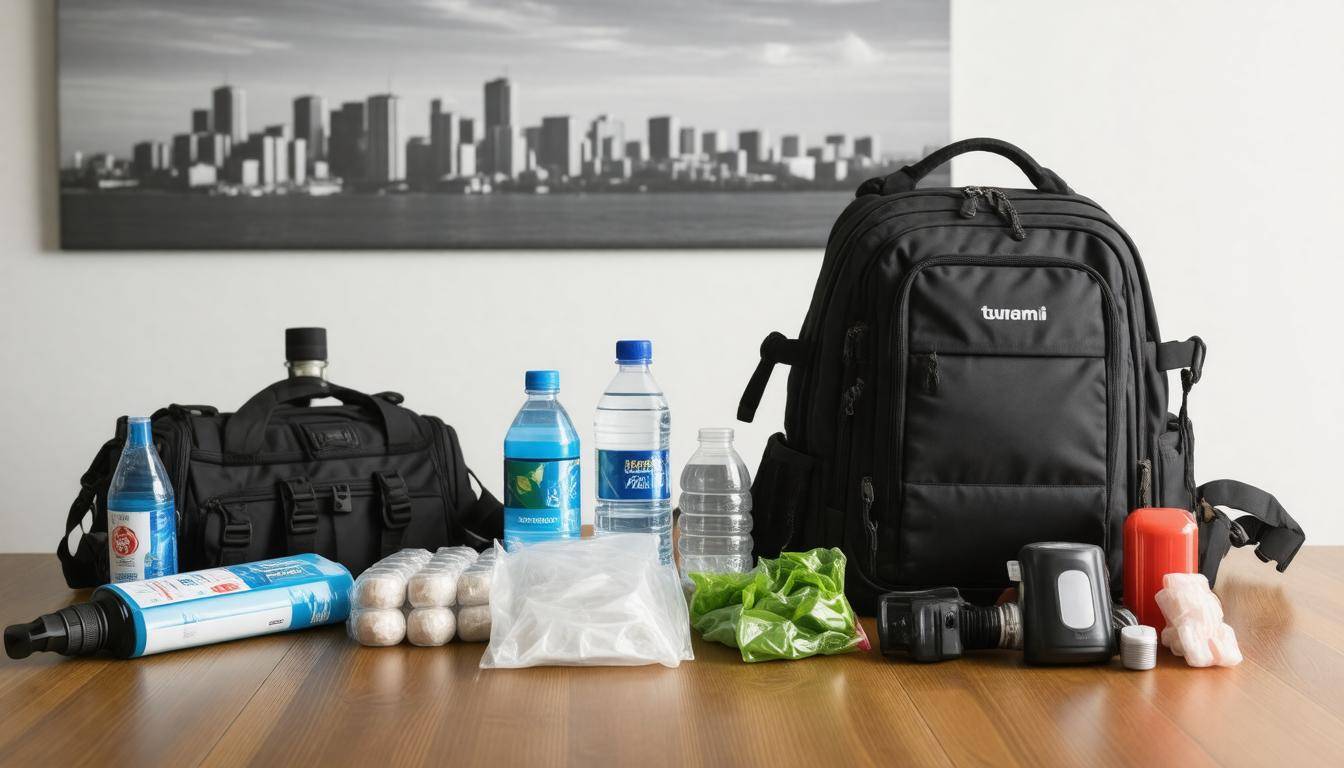
Why You Need a Tsunami Evacuation Kit
First and foremost, living in Vancouver’s coastal region means you’re very much at risk for natural disasters like tsunamis. Given the alarming fact that tsunamis can travel at speeds of up to 500 miles per hour, having an evacuation kit packed and ready is not just precautionary—it’s essential. When a significant earthquake strikes offshore, residents often have mere minutes—sometimes only 15-30—to evacuate safely before the waves arrive. This urgency underscores the critical importance of being prepared.
Immediate Evacuation Importance
The Geological Survey of Canada offers sobering statistics about the probability of seismic activity in this area, indicating a significant chance of an earthquake occurring within the next half-century. Knowing you could be faced with such a disaster reinforces why you must have your evacuation kit ready to go. It’s not just about packing food and water; it’s about having the tools and resources necessary to protect yourself and your loved ones from harm.
It’s easy to underestimate the power of natural forces, but consider the implications: think about how quickly panic could set in if you haven’t taken the time to prepare. When everyone around you is scrambling, having a well-organized evacuation kit can mean the difference between chaos and calm.
Reduced Anxiety
When an emergency strikes, stress levels soar, and quick decision-making is not always feasible. By proactively packing your evacuation kit beforehand, you can alleviate some of that anxiety—feeling secure in knowing that you’ve covered all bases makes emergencies less daunting. Having essential items like non-perishable food, water purification tablets, first aid supplies, and flashlights on hand brings peace of mind not just to you but also to family members, especially children who might be frightened or confused during an emergency.
Furthermore, the emotional moment when a warning bell goes off can be overwhelming, but if you’ve already laid this groundwork for preparedness, you’ll approach evacuation with more confidence. Imagine reassuring your family members with, “We’re ready; everything we need is in our kit.” This assurance can create a sense of safety amidst uncertainty.
Beyond these immediate reasons, engaging in continuous preparedness fosters community readiness as well. As we shift focus, let’s take a closer look at crucial supplies like food and hydration that ensure your kit has what it needs for survival during an emergency.
Food and Water Essentials
Food and water are not just items; they are lifelines when disaster strikes. Having a solid supply of these necessities ensures you remain energized and hydrated while waiting for help or evacuating. It is crucial to start with a water storage plan that accommodates your family’s needs.
The recommendation is to pack at least 80 liters of stored tap water in various containers. This quantity is based on the guideline of providing one gallon (3.8 liters) per person per day for at least three days, allowing for drinking and sanitation. To make things easier in case of emergencies, opt for sturdy, stackable containers that can be easily stored under beds or in closets.
In addition to regular water storage, consider including portable water purification options such as tablets. They can transform potentially unsafe sources like rainwater into safe drinking water if supplies run low.
Of course, water alone isn’t enough to sustain you during emergencies. Let’s explore the critical non-perishable food items you’ll want to stockpile.
Non-Perishable Food Items
When it comes to food, you will want items that are both nutritious and have a long shelf life. Think about incorporating shelf-stable tins, which include essentials like baked beans and tuna that provide protein and energy without requiring cooking. Also contemplated are dehydrated meals such as ramen noodles, which are lightweight and convenient for quick preparation.
Consider high-caloric energy bars, as they are packed with nutrients that can help you feel full during stressful times. Maintaining freshness is pivotal, too. Therefore, rotating these food items every six months is essential to prevent waste and ensure you’re always stocked with what’s edible. It involves checking expiration dates periodically—so instead of just waiting until conditions arise, inspect your stash regularly.
By preparing your food and water supplies adequately, you lay down the groundwork for your emergency readiness plan.
As we transition from securing your nutritional essentials, it’s equally important to look at how you’ll maintain visibility and communication during an emergency situation.
Portable Lighting and Communication Devices
When the lights go out due to an earthquake or tsunami, every moment counts. That’s where maintaining a solid arsenal of portable lighting solutions becomes essential. Imagine fumbling in the dark, feeling anxiety creep in as uncertainty looms; it’s crucial to prevent this scenario by being prepared.
Storing multiple LED torches and headlamps is a smart way to ensure that you can navigate through any dimly-lit spaces quickly and safely. Not only do these lights illuminate your path, but they also allow you to free your hands while managing other tasks—like holding onto your evacuation kit.
I find that having a variety of light sources is invaluable; therefore, I recommend keeping at least two LED torches and headlamps in your kit. Some headlamps come with adjustable brightness settings, providing versatility depending on how much light you need at the moment.
Furthermore, using USB power banks ensures you have ample battery life for your devices—just remember to check them every few months! Over time, batteries can drain even when not in use, so it’s wise to keep track of their status regularly.
Don’t forget to pack extra batteries or consider including a solar charger as backup. Solar-powered options are particularly fantastic because they can provide illumination without relying on traditional power sources.
Emergency Radio
Equally important is the inclusion of an emergency radio in your evacuation kit. This device can be a true lifesaver by providing critical updates about the tsunami or other emergent situations. An NOAA Weather Radio should definitely be on your list—it keeps you informed with real-time weather alerts and warnings from recognized sources.
Often overlooked, this small device offers extensive peace of mind when disaster strikes. Make sure to familiarize yourself with its operation before an emergency occurs so that you can quickly access information when panic might set in. The last thing you’d want during unsettling moments is to fumble with instructions!
Finally, it’s worth highlighting how communication devices help maintain connections with family and local emergency services. Mobile phones are indispensable tools during crises; they can provide up-to-the-minute updates that may not be broadcasted otherwise. Pack a portable charger with at least 10,000 mAh capacity to ensure your phone stays powered during extended outages. Having a means of staying connected allows you to coordinate with loved ones and receive assistance when needed.
Prioritizing portable lighting and communication devices enhances your readiness for unexpected situations during emergencies. As we consider what else is vital during such critical times, attention turns toward essential clothing items designed for unpredictable weather scenarios.
Clothing and Weather Gear
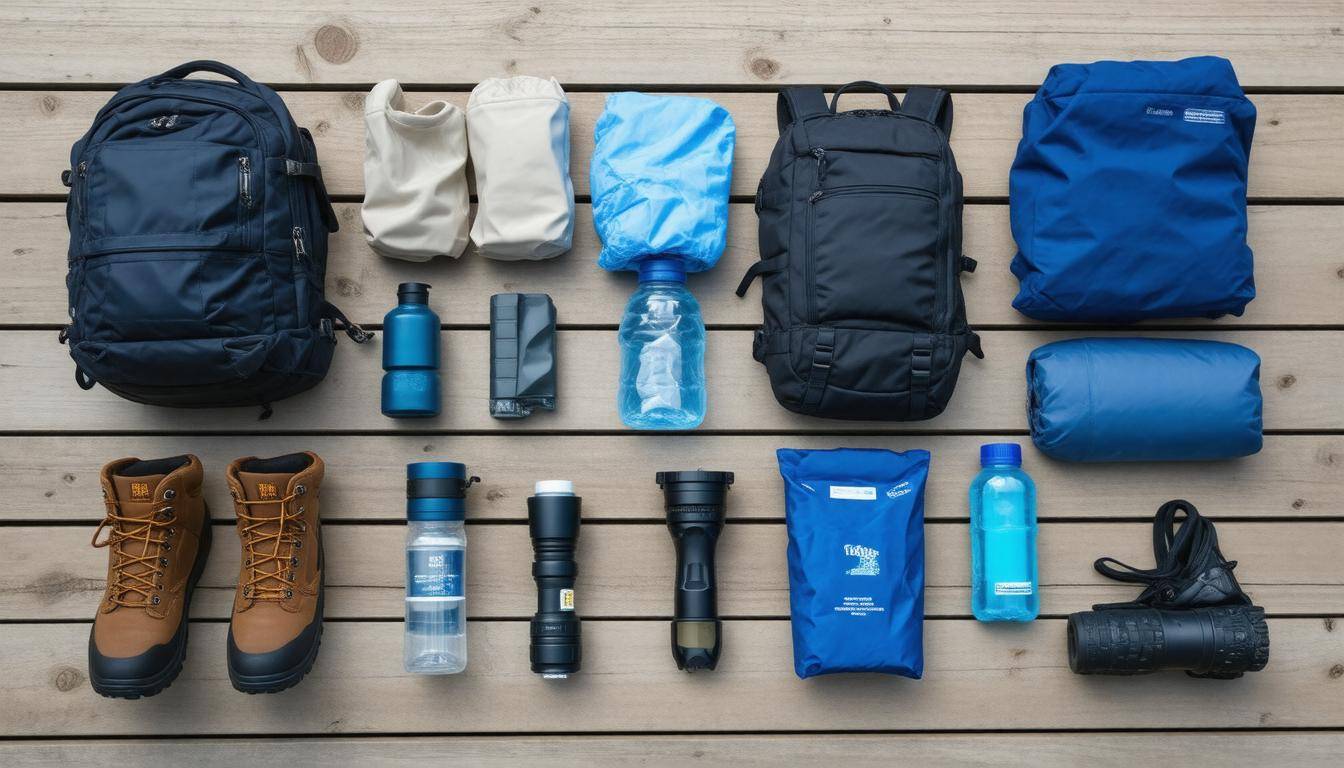
Vancouver’s unpredictable weather necessitates having appropriate clothing in your evacuation kit. It’s essential to think through what you might actually experience during a natural disaster, such as a tsunami and subsequent flooding. You want to stay warm, dry, and comfortable if you need to evacuate your home quickly. A well-thought-out selection of clothing items will keep you protected from whatever elements nature may throw at you.
Essential Garments
Start by packing warm clothing made from moisture-wicking materials that will help you regulate your body temperature. This includes thermal base layers—both tops and bottoms—that can trap warmth without adding bulk.
Next, include a waterproof jacket with a minimum rating of 5000 mm; this ensures you’ll stay dry even during unexpected downpours. Don’t overlook durability; sturdy walking shoes, preferably rubber boots or hiking shoes, will give you stability as you navigate potentially treacherous terrain. Opt for options that provide good grip; wet pavement or muddy surfaces can be slippery.
It’s wise to consider layering options for flexibility in varying conditions; perhaps bring along a light fleece or sweater that can easily be added or removed depending on how chilly it gets.
Focusing on Socks and Underwear
Extra socks and underwear not only provide comfort but also prevent infections from prolonged exposure to wet conditions. Moisture-wicking socks, ideally made from synthetic fibers or wool, can wick away sweat and keep your feet dry, crucial when you’ll likely be on your feet for extended periods while evacuating. Always pack at least two pairs so that you have spares—if one pair gets wet, you’ll be grateful for the backup!
As for underwear, select quick-drying materials which can stand up against wet weather while remaining light in your pack. After all, if you’re faced with an emergency situation, feeling clean and dry will do wonders for maintaining morale amidst uncertainty.
With these essential clothing items packed smartly in your evacuation kit, the next step focuses on ensuring your environment remains safe and secure during unforeseen challenges.
Shelter and Warmth Items
Proper shelter and warmth items are critical for survival when facing unpredictable outdoor conditions after a natural disaster. Imagine finding yourself stranded after an evacuation, with night falling and temperatures dropping; the right items can mean the difference between comfort and misery. Lightweight solutions such as small tents or emergency bivouac sacks provide invaluable temporary protection from harsh weather. These shelters are designed to be compact and easily transportable, allowing them to fit snugly in your kit without taking up too much space.
Temporary Shelters
A lightweight tent is an excellent addition because it shields you from rain and wind while creating a barrier against the chill of the night air. Alternatively, an emergency bivouac sack provides instant shelter for individuals who may need something even more portable. It can be utilized as a windproof covering that retains body heat, which is paramount when dealing with cold conditions. When selecting a shelter, consider options made from water-resistant materials.
“Being prepared includes creating a comfortable space to rest, no matter the circumstances.”
Warmth Essentials
While having shelter is essential, staying warm and dry is equally crucial. Emergency foil blankets are a must-have; these reflective sheets can retain up to 90% of your body heat, making them highly effective during chilly nights. To further enhance your comfort, packing sleeping bags rated for low temperatures will provide significant insulation. Not only should these sleeping bags be lightweight and compressible for easy storage, but they should feature durable materials capable of fending off moisture.
For those extra-cold moments, hand warmers come in handy. These small packets deliver warmth for hours, providing a portable solution to combat chills while waiting for rescue—perfect for keeping your hands warm during extended outings.
Other warmth-related items to consider include:
- Emergency Mylar thermal blankets: Lightweight yet incredibly effective at retaining heat.
- Compact sleeping bags: Look for bags rated to withstand low temperatures.
- Portable camping stoves: A means to keep warm and cook food if needed.
Incorporating these shelter and warmth items into your evacuation kit significantly bolsters your preparedness against the unpredictable elements following an emergency. This strategic planning lays the groundwork for ensuring that you have access to crucial safety supplies.
First Aid and Safety Supplies
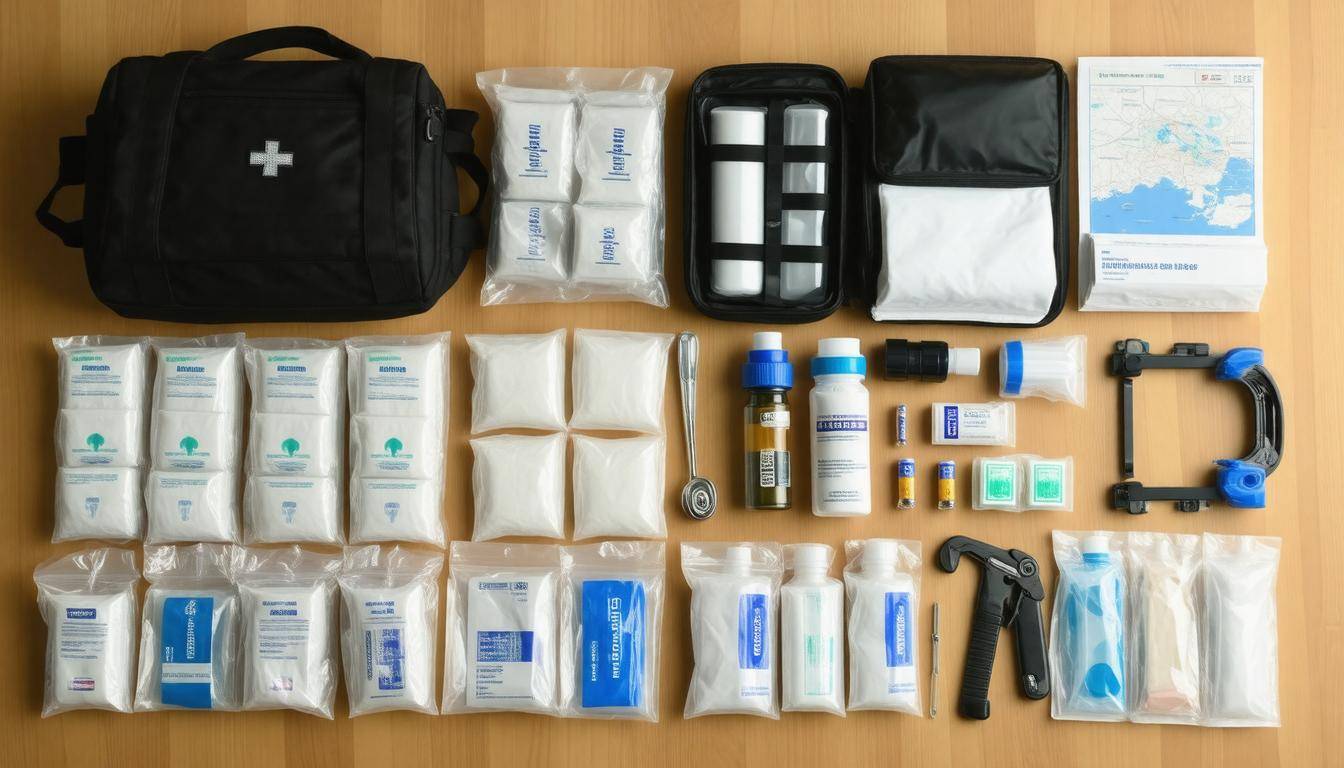
Injuries or health issues can arise during an evacuation, so a comprehensive first aid kit is essential. This is not just about being prepared for minor cuts and scrapes; it’s about ensuring you’re equipped to handle any medical situation that may emerge unexpectedly. Imagine being away from home, perhaps in a chaotic environment, with only a handful of supplies at your disposal. What would you want to have on hand? A well-stocked first aid kit gives you that peace of mind.
Basic First Aid Items
When assembling your first aid kit, prioritize basic items like adhesive bandages, antiseptics, sterile gauze, and painkillers. These essentials are critical to managing injuries effectively. Antiseptic wipes can cleanse wounds and prevent infections, while adhesive tape helps keep gauze secured without additional fuss. Additionally, remember to include over-the-counter medications such as antihistamines and pain relievers—these can alleviate discomfort and counter allergy flare-ups, especially if you find yourself in an unfamiliar environment.
Don’t overlook the need for prescription medications either. It’s crucial to pack at least a week’s supply of any regular medication you take, clearly labeled with instructions on dosages. Keeping an updated medical history and information about allergies can also be very helpful for yourself or anyone assisting you in an emergency situation.
Multi-purpose Tools
Beyond just medical supplies, including multi-purpose tools in your evacuation kit is invaluable. A good quality multi-tool or pocket knife isn’t merely a convenience; it provides various functions—from opening cans to making repairs on the fly. Accompanying these tools, consider adding duct tape and rope; their versatility can’t be overstated in emergency scenarios. You can use duct tape for various quick fixes—sealing wounds temporarily or even securing gear together.
All these items work together not just for treating injuries but also for enhancing overall safety during evacuations. With the right preparations in place, you will be ready to transition smoothly into discussions about proper storage for essential documents.
Important Documents Storage
When preparing your tsunami evacuation kit, storing important documents securely is essential. These documents are your lifelines in emergencies—proving your identity, verifying your residence, and facilitating payments or insurance claims when you need them most. Think of these items as the foundation upon which you’ll rebuild after a crisis; without them, navigating through recovery can be a daunting task.
Recommended Items
A good starting point is to gather and organize the following essential documents:
-
Identification documents: This includes passports, driver’s licenses, and health cards. Keep these ready as they will establish your identity and expedite any formal procedures during recovery.
-
Emergency contact information: List family members, friends, and local emergency services. Having this readily available helps streamline communication when every second counts.
-
Insurance documents: Ensure you include homeowners, renters, and health insurance policies. Documentation of coverage can make dealing with loss smoother.
-
Medical records: Gather important health information, prescriptions, and vaccination records. If you have specific medical needs, having this information accessible can save time at potential shelters or medical facilities.
-
Financial documents: This encompasses bank account information, credit card details, and recent pay stubs which may be necessary for quick access to funds.
In a digital age where we often rely on online records, don’t forget to keep physical copies safely stored in a waterproof bag. A fireproof safe may also be worth considering for added security.
Beyond just gathering these items, it’s wise to think about how to keep them organized. Instead of mixing every document together haphazardly in a bag, consider using a file organizer or envelope markers for different categories. Organization eases the stress of searching for what you need in an emergency while making it easier to track what you have packed when it’s time to evacuate.
Always remember to update this folder regularly. As life changes occur—new family members are born, children graduate or move out—our document needs change as well. A thorough check every six months ensures no critical papers go unnoticed or lost amid changing circumstances.
Having secured these essential documents lays a strong foundation for your safety plan; it’s now crucial to think about comfort and entertainment options that can help sustain morale during challenging times.
Personal Comfort and Entertainment Items
It’s easy to overlook the importance of personal comfort items during emergency preparation, but these seemingly small additions can have a significant impact on your mental well-being during stressful times. Picture yourself in an evacuation situation—there’s chaos, uncertainty, and a need to quickly adapt. Amidst all this, having familiar comforts close at hand can offer a sense of normalcy.
Suggested Items
-
Small Games: Compact card games or travel-sized board games can provide much-needed distraction and entertainment for family members. Think about games that are easy to understand and don’t require many pieces, like Uno or a simple deck of playing cards.
-
Books or Journals: Pack a couple of lightweight books or a journal with some pens. Reading can be an escape from stress, while journaling allows individuals to express their emotions—an important outlet during challenging times.
-
Comfort Items: For young children, consider including a stuffed animal or favorite blanket. Familiar toys can offer emotional support, helping little ones feel secure amidst the uncertainty.
These items may seem trivial at first glance, but maintaining morale is essential during any crisis. Engaging in lighthearted activities or curling up with a beloved book can make a substantial difference in how you cope.
While it’s easy to focus solely on survival basics when packing an evacuation kit, incorporating a balance between practicality and comfort ensures emotional resilience when it’s needed most.
Remember, emergencies can become overwhelming quickly; nurturing emotional well-being just as much as physical safety opens the door for better adaptability and ultimately aids in transitioning back to normalcy once the crisis has passed.
As you continue to prepare your evacuation kit, consider how adding these elements for comfort will enhance your family’s overall preparedness strategy.
In conclusion, being ready for any situation means considering not only the essentials for survival but also the factors that contribute to emotional well-being. Keeping comfort items accessible can significantly help maintain a sense of normalcy during chaotic times.
How often should an evacuation kit be checked or updated for freshness and functionality?
An evacuation kit should be checked and updated at least every six months to ensure all items are fresh and functional. This frequency helps to replace expired food, batteries, and medications, ensuring that the kit remains effective in an emergency. According to the Federal Emergency Management Agency (FEMA), preparedness efforts can significantly improve survival rates during natural disasters; thus, regular checks maintain the reliability of your supplies when seconds count.
What steps should be taken to ensure that the evacuation kit is easy to transport in an emergency?
To ensure that your Vancouver tsunami evacuation kit is easy to transport during an emergency, choose a sturdy, lightweight backpack or duffel bag for portability. Prioritize essential items such as water (1 gallon per person per day for at least three days), non-perishable food, a flashlight, batteries, a first-aid kit, and important documents in waterproof pouches. According to FEMA, 60% of people indicated they would struggle if they didn’t have their evacuation supplies ready, highlighting the importance of pre-packing and regularly checking your kit every six months to keep it updated and functional.
Are there any local resources or organizations that provide guidance on preparing a tsunami evacuation kit in Vancouver?
Yes, in Vancouver, the City of Vancouver’s Emergency Management Office provides valuable resources and guidance on preparing a tsunami evacuation kit. They offer checklists and recommendations for essential items, such as food, water, medical supplies, and important documents. Additionally, organizations like the Canadian Red Cross provide further support and education on disaster preparedness. According to statistics from local emergency services, having a well-prepared evacuation kit can significantly increase survival rates during natural disasters.
How can families practice their evacuation plan using the items stored in their tsunami evacuation kits?
Families can practice their evacuation plan by conducting regular drills that incorporate the items in their tsunami evacuation kits, such as water, non-perishable food, first aid supplies, and emergency contact information. By simulating a quick departure, families can familiarize themselves with both the route to safety and how to efficiently use their kit’s contents in a real emergency. According to FEMA, practicing evacuation plans increases the likelihood of effective response during an actual event by up to 30%, ensuring that each family member knows their role and can act calmly under pressure.
What specific items should be prioritized when assembling a tsunami evacuation kit for Vancouver residents?
When assembling a tsunami evacuation kit for Vancouver residents, prioritize items that ensure immediate survival and communication. Key essentials include water (one gallon per person per day for at least three days), non-perishable food (a 3-day supply), a flashlight with extra batteries, a first-aid kit, a whistle to signal for help, and critical documents like identification and insurance info in a waterproof bag. Additionally, consider including a battery-operated or hand-crank NOAA Weather Radio for emergency updates. Given that Vancouver is situated near tectonic plate boundaries, preparation is crucial; studies indicate that a significant tsunami could arrive within minutes of an earthquake, making these preparations vital for safety.