
Venice is a city like no other, famous for its enchanting canals and stunning architecture. But beneath its beauty lies a persistent threat—flooding. With rising sea levels and chaotic weather patterns, many Venetian residents find themselves wondering: how can I protect my home from the next big tide? The answer isn’t just about staying vigilant during storms; it involves a combination of modern engineering, smart planning, and community awareness. Join me as we explore the essential measures you can take to safeguard your home against flooding in this iconic city, where water meets history in a daily dance of risk and resilience.
The essentials of flooding protection in Venice include the MOSE project, which consists of a series of barriers designed to prevent high tides from entering the lagoon, along with improved drainage systems and enhanced building regulations. Additionally, ongoing maintenance and community awareness programs play crucial roles in safeguarding this historic city against rising sea levels and flood risks.
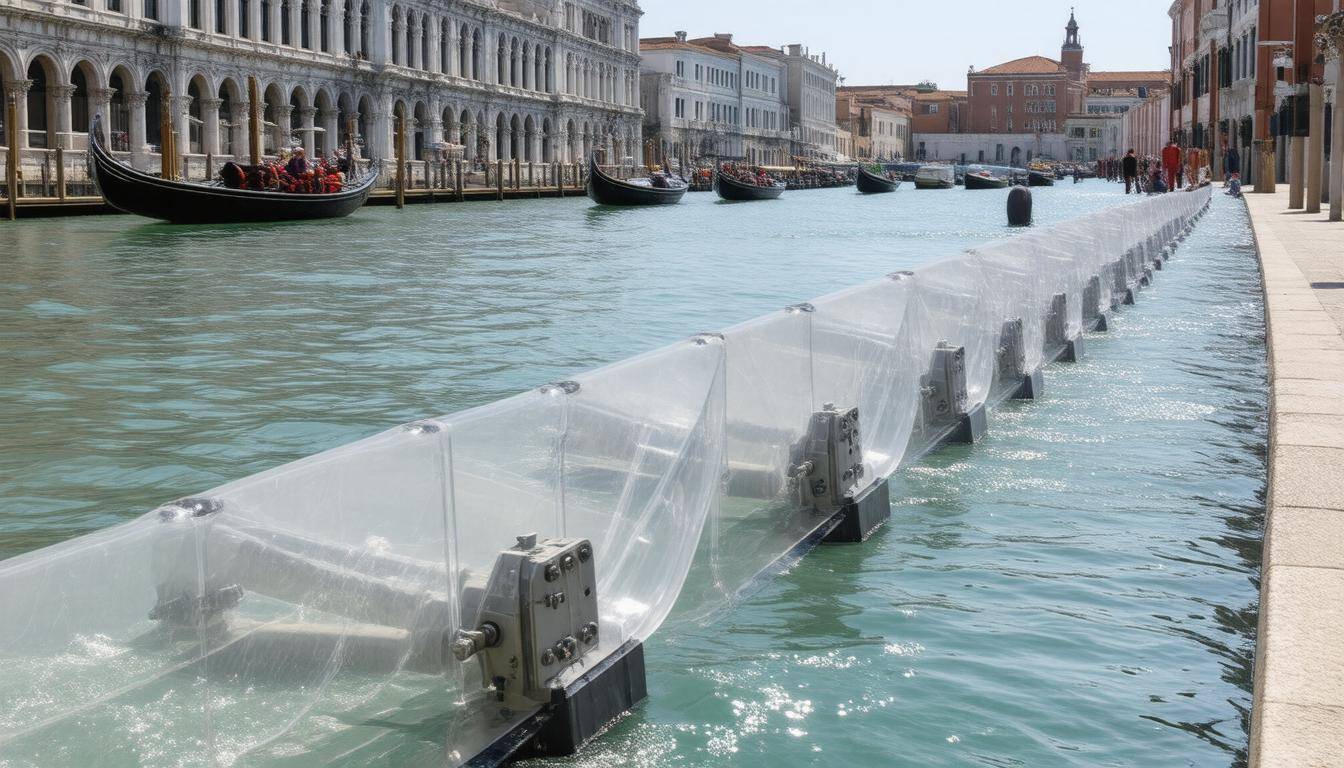
Venice Flooding Vulnerability
Venice’s rich history and architectural marvels are set against a backdrop of continual threat from water. The very canals that define its charm also contribute to its perilous future. When seasonal high tides, or “Acqua Alta,” strike, they send waves into the city’s streets, creating unprecedented challenges for both residents and visitors alike. Once beautiful store fronts and homes become temporary islands in a rising sea, with water pooling where merchants once displayed their wares.
On average, Venice faces about 100 instances of Acqua Alta each year; this alarming frequency indicates an ever-looming risk. Statistics reveal that water levels rise above 1.1 meters at least 10 times annually, causing damage that can take years to repair and re-establish normalcy. Of particular concern is the gradual increase attributed to climate change, which enhances the severity and frequency of these tidal surges. Projections warn that by 2100, an astounding 95% of the city could be submerged—that’s nearly all of Venice underwater.
The challenge does not solely lie in dealing with high tides when they occur. Each instance chips away at the fabric of this unique city, as ancient buildings with delicate masonry weaken under the relentless assault of saltwater. Moreover, as rising sea levels creep upwards, more frequent flooding will lead to permanent changes in how the city functions—a transformation that could erase the character that makes Venice an international treasure.
The Role of Multiple Factors
It isn’t just the tides themselves; various aspects contribute to Venice’s flooding vulnerability. For example, sinking ground levels due to natural sediment compression and human activities amplify the problem. As a city constructed on waterlogged soil over a series of islands, Venetian foundations are susceptible to both geological shifts and rising waters.
An urgent call for comprehensive action has never been more pressing; understanding these vulnerabilities provides a crucial context for exploring effective measures that have emerged to protect this iconic city.
Recognizing these threats highlights why initiatives like the MOSE project are essential. These extensive measures aim not only to safeguard architectural heritage but also to protect lives against an inevitability that approaches with alarming speed. It’s important to consider how human ingenuity and commitment to preservation can shape hope for Venice’s future.
With this understanding in place, we can now explore transformative projects aimed at safeguarding the city as it faces ongoing challenges.
The MOSE Project: Goals and Progress
The MOSE (Modulo Sperimentale Elettromeccanico) Project stands as a testament to human ingenuity, representing one of the most ambitious engineering efforts designed to shield Venice from relentless flooding. Its primary goal is simple yet profound: to install 78 mobile barriers at the inlets of the Venetian Lagoon. Picture these barriers as a township’s first line of defense, rising during high tides to effectively block seawater from invading this historical land.
If there has ever been a reason for Venetians to cheer for hydraulic engineering, this is it—just imagine each barrier like a bouncer at an exclusive club, only letting in the right kind of water and refusing entry to the unruly tide.
Goals and Mechanisms
A monumental aspect of the MOSE Project involves its design specifics. These barriers are engineered to withstand tides soaring as high as 3 meters, creating a substantial buffer against the pressing threat of rising sea levels. This means that when heavy rains coincide with high tides, which often leads to disastrous outcomes, these barriers will kick into action, forming an impermeable wall against the invasive seawater.
Initiated in 2003, the project was envisioned as a solution for Venice’s chronic flooding issues. Though initially projected for completion by 2022, it remains operational yet still fine-tuning various components for optimized performance—it’s much like perfecting a recipe after countless tastings. Early results indicate promise; however, refinement is crucial, ensuring that they operate seamlessly when needed.
“The combination of technology and natural landscape in the MOSE Project is a remarkable synthesis,” said an engineer involved in its development, highlighting how adaptation and innovation meet.
In terms of logistics, project engineers have encountered numerous challenges due to Venice’s delicate ecosystem and intricate waterways. As they navigate these complexities, it raises questions about sustainability and long-term environmental impacts. This venture signifies more than just modern-day architecture—it’s a balancing act between protecting heritage and enhancing resilience.
While large-scale initiatives like MOSE play a vital role in flood protection, individual homeowners also have practical measures at their disposal to mitigate risks in this vulnerable landscape.
Home-Based Flood Barriers
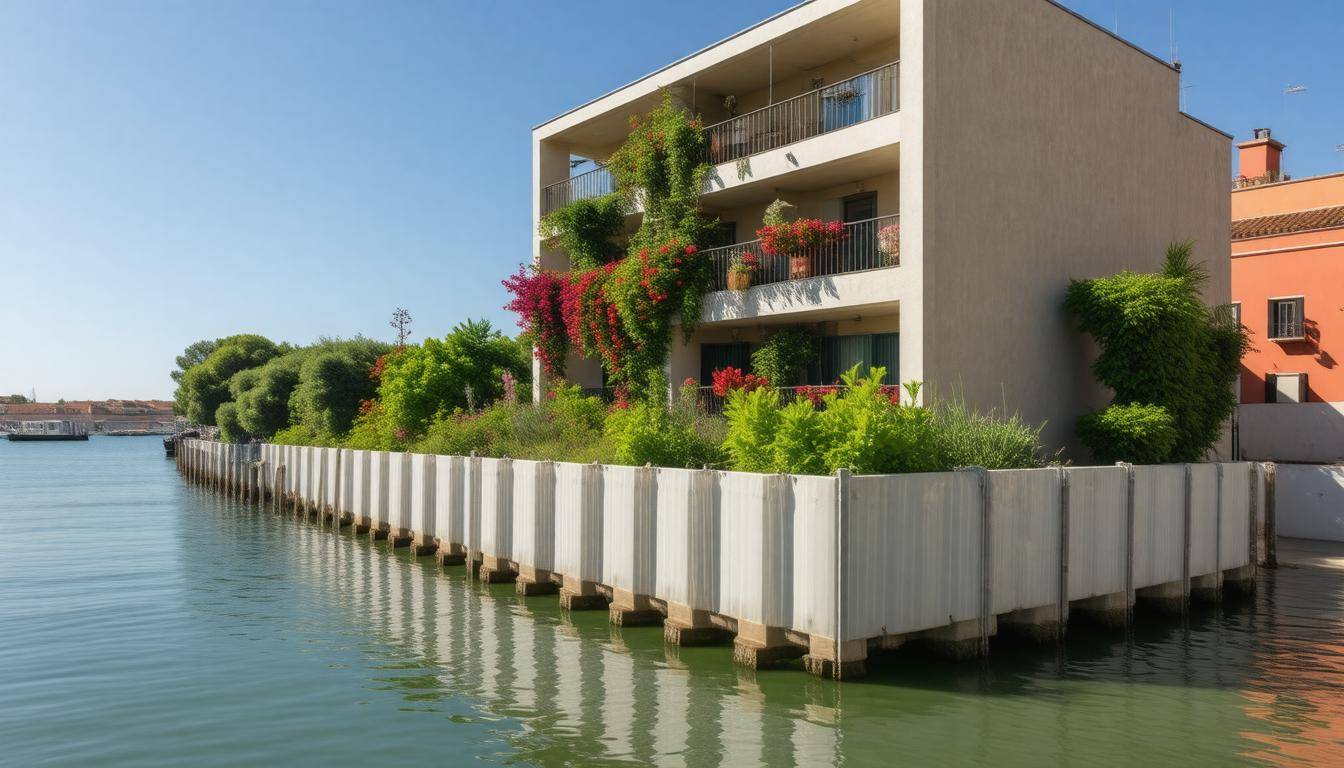
One effective way homeowners can protect their homes in Venice from flooding is by installing home-based flood barriers. These barriers can be quickly assembled and disassembled based on need, providing a flexible option for safeguarding your property against rising waters. Imagine those January days when the weather seems unpredictable; having barriers ready to deploy gives you peace of mind, knowing you’re prepared for whatever nature has in store.
Temporary Barriers
When considering flood barriers, a common choice is temporary barriers. These structures are typically lightweight, easy to install, and can be stored conveniently when not in use. However, they require foresight and preparation each time flooding is expected. This could mean checking the weather frequently or keeping track of local advisories—tasks that may seem small until that first bout of rain arrives unexpectedly.
Think about it: if you wait until the last moment to put up a temporary barrier, you might find yourself scrambling with your neighbors as water levels rise. The effectiveness of these barriers largely hinges on preparation; if you fail to install them promptly, their benefits diminish rapidly. Ensure your family is aware of where the barriers are stored and how to assemble them quickly.
Permanent Barriers
On the other hand, permanent barriers offer an alternative solution for those who want continuous protection without the responsibility of regular assembly and disassembly. Although more expensive and structurally demanding, these barriers integrate into your home’s architecture and provide an uninterrupted line of defense against floodwaters. Installing a permanent barrier often involves significant investment upfront but pays dividends in terms of long-term safety and reliability.
Picture this: during a heavy storm warning, you can rest easy knowing your home is shielded without requiring frantic efforts to erect temporary measures. This peace of mind is invaluable, especially when there’s little time to react during extreme weather events. Furthermore, many homeowners find that permanent solutions can enhance the aesthetic appeal of their property while still serving a functional purpose.
Beyond selecting the right type of barriers, exploring additional protective measures will further enhance your home’s defenses against flooding—like incorporating specialized pumps that help manage excess water effectively.
Installing Sump Pumps
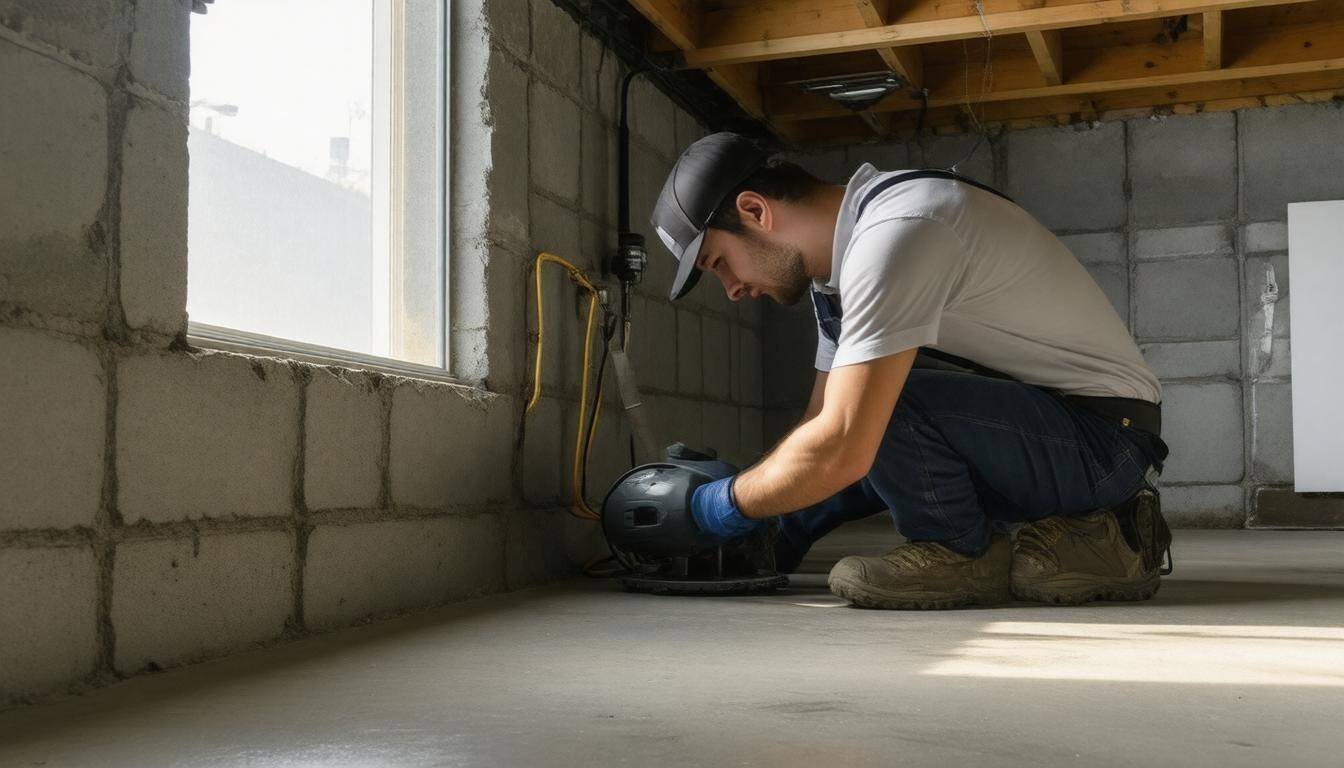
Sump pumps play a critical role in protecting your home from flooding by efficiently managing excess water. They act like your home’s drainage system, pulling water out of the foundation and directing it away from your property. The process of installing these pumps isn’t just about setting them up; it involves careful consideration and preparation to ensure they function optimally when the need arises.
Before you think about installation, it’s necessary to choose the right type of sump pump for your situation. Submersible sump pumps are typically more efficient as they are designed to operate underwater, making them ideal for homes that experience significant flooding. On the other hand, pedestal sump pumps are easier to access and maintain since their motor sits above the water level, but they may lack the power required for larger volumes of water. Determining which one suits your needs best will save you time and frustration down the line.
When commencing the installation, start by selecting an appropriate location within your basement or crawl space where water tends to accumulate the most. Ideally, this should be at the lowest point in your home. You want to ensure that it’s easily accessible for maintenance and that there’s sufficient space around it for proper ventilation.
Once you’ve identified a good spot, prepare the area by digging out a hole deep enough to house either type of sump pump. This involves removing concrete or gravel if necessary. It’s also important to keep drainage in mind—make sure there’s a way for water to naturally flow into the pit where the sump pump will sit.
After preparing the pit, connect your sump pump to a discharge pipe. This pipe should lead water far enough away from your home’s foundation that it won’t flow back toward it during heavy rain. As you’re setting this up, make sure it’s sloped downward to facilitate optimal drainage without any blockages along the way.
Another crucial step involves electrical considerations. Ensure that your sump pump is connected to a GFCI (Ground Fault Circuit Interrupter) outlet—this protects against electrical shock in wet conditions and is essential during storms when power outages frequently occur.
Maintenance Considerations
Just setting up a sump pump isn’t enough; regular maintenance is key to ensuring it operates effectively when needed. Testing the pump monthly can help catch issues early on and allow you to resolve problems before they escalate. Additionally, creating a routine cleaning schedule for both the pump and discharge line can prevent buildup and clogging. Don’t forget to check things like float switches; they should move freely without hindrance.
With a reliable sump pump properly installed and routinely maintained, you bolster your home’s defenses against flooding while also paving the way for subsequent protective measures related to enhancing electrical safety.
Elevating Electrical Systems
One of the overlooked yet essential aspects of safeguarding your home from flooding is elevating your electrical systems. This simple yet effective strategy can greatly reduce the risk of extensive damage to your home’s electrical infrastructure during flood events. When water meets electricity, it creates a dangerous situation—not only risking equipment failures but also posing significant safety hazards.
Practical Steps
To begin, focus on elevating electric panels, wiring, and outlets above anticipated flood levels. For example, if your area typically experiences flooding up to one meter, consider positioning your electrical systems at least 1.5 meters above ground level. This extra height provides an added buffer against rising waters and protects valuable electronic appliances. When I worked on elevating my own systems, I learned that professional help is often invaluable; electricians are knowledgeable about local regulations and can help ensure you meet building codes while maximizing safety.
Homeowners who have taken the initiative to elevate their electrical installations frequently share success stories of significantly reduced repair costs following flooding incidents. They often highlight how their proactive measures saved them from the headaches of replacing corroded wiring or damaged appliances. It’s a testament to the long-term value of investing time and resources into this preventive approach.
Imagine finding your refrigerator working just fine after a storm, while neighbors scramble to replace theirs due to water damage. That’s the kind of peace of mind homeowners report after elevating their electrical systems—an investment that pays off not only in financial savings but also in comfort and security.
With these strategies for elevating electrical systems in place, it’s important to explore additional protective measures for areas of the home that can be particularly vulnerable, especially those below ground level.
Waterproofing Basements
Basements, often seen as underutilized spaces, can become a homeowner’s worst nightmare if they are not properly waterproofed. Water infiltration can lead to structural damage and health concerns due to mold and mildew thriving in damp conditions. Fortunately, there are several effective strategies available to enhance waterproofing and ensure that your basement remains dry, safe, and functional.
Strategies for Waterproofing
One of the most straightforward methods to begin with is the application of interior sealants, which includes waterproof coatings on walls and floors. This approach is relatively affordable and simple to apply—perfect for a DIY weekend project. By sealing the interior surfaces, you create a barrier that minimizes moisture penetration. However, while this method may suffice for light rains, it may falter during severe storms or heavy flooding events and should ideally be used in conjunction with other techniques.
For those looking for a more thorough solution, exterior waterproofing comes highly recommended.
This method involves excavating the area around your home’s foundation to apply waterproof barriers directly against the exterior walls. Although this option provides comprehensive protection against water intrusion, it can be labor-intensive and expensive due to the need for excavation. It’s essential to view this as an investment; protecting your foundation from erosion and water damage ultimately saves money in repairs down the line.
As we consider various options, we can’t overlook the importance of effective drainage systems.
Installing systems like French drains or sump pumps routes water away from your property effectively. A French drain collects water through perforated pipes that direct excess moisture away from the basement, while sump pumps can automatically remove accumulating water when necessary. They serve as crucial components of a well-rounded waterproofing strategy, especially in areas prone to heavy rainfall or flooding.
| Waterproofing Method | Pros | Cons |
|---|---|---|
| Interior Sealants | Affordable, easy to apply | Less effective for severe floods |
| Exterior Waterproofing | Comprehensive protection | Expensive, labor-intensive |
| Drainage Systems | Highly effective at redirecting water | Installation complexity |
Incorporating a combination of these methods often leads to the best results in securing your basement from water intrusion. Preparing for potential challenges ahead requires foresight and organization.
Emergency Planning for Residents
Effective emergency planning can indeed mean the difference between chaos and calm during a flood event. When water rises, having a clear plan in place can transform panic into an organized response. Each element of your plan serves a crucial role and allows households to act swiftly and efficiently, minimizing risks to life and property. It’s about being prepared ahead of time.
Key Elements of an Emergency Plan
The first fundamental aspect is evacuation routes. Identify pre-designated paths away from your home that lead to safe zones. Familiarize yourself with these routes and practice them with your family. As roads might become impassable during floods, consider multiple alternatives. Always have a backup route prepared—even if it seems unlikelier than others.
Next comes creating an emergency kit filled with life’s essentials: non-perishable food items, water, blankets, first aid supplies, and any necessary medications. Tailor your kit to your family’s needs—think about pet supplies or baby formula if needed. Store everything in a waterproof container so it stays dry, and make sure everyone in your household knows exactly where it’s located.
An essential yet often overlooked factor is the communication plan. Assuming phone lines or cell towers might be down during flooding, establish specific meeting points where each member of your household can go in case of severe weather alerts. Teach children how to reach out via text or social media since these platforms may work better than traditional phone calls.
Residents with well-practiced emergency plans report quicker and safer evacuations—it’s proven that knowing what to do saves vital minutes when every second counts.
As we focus on these immediate measures for flood preparedness, we must also look ahead toward developing robust strategies that promote resilience against evolving climate challenges.
Long-Term Climate Adaptation Strategies
When considering long-term solutions for Venice, the focus shifts to sustainability and resilience. It is vital for this historic city to manage current flooding challenges and prepare for the intensified impact of climate change in the coming years. One promising area to explore is green infrastructure. This involves enhancing natural barriers like wetlands and marshes, which can absorb excess rainwater and act as buffers against rising tides. By restoring these ecosystems, Venice can take advantage of nature’s inherent ability to mitigate flooding while preserving its unique landscape.
However, innovative practices are not enough; they must also be supported by strategic policy changes.
Policy changes are crucial in implementing effective flood protection measures. Encouraging stricter zoning laws that limit construction in vulnerable areas and adopting building codes that mandate flood-resistant designs are essential. For instance, homes and businesses could be required to elevate their structures or utilize materials resistant to water damage. Moreover, promoting coordination among local governmental bodies ensures that policies work cohesively toward protecting residents and historical sites.
To make a lasting impact, it is essential to engage the community actively.
Community involvement plays a pivotal role in successful climate initiatives. Educating locals about sustainable practices creates a shared responsibility for maintaining Venice’s environment. Programs that encourage residents to participate in tree planting, wetland restoration, or educational workshops on conservation foster a sense of ownership and collective action. When citizens feel empowered, it amplifies the effectiveness of any long-term adaptation strategy.
These intertwined measures collectively contribute to a more robust flood protection system.
Cities around the world have begun integrating similar approaches with positive results. For example, Rotterdam’s implementation of green rooftops and urban water plazas provides valuable lessons for Venice. Such efforts demonstrate how urban planning can harmoniously combine human activity with nature’s resilience. By taking inspiration from these global examples, Venice has the opportunity to safeguard its rich heritage while enhancing its defensive capabilities against climate uncertainties.
In conclusion, embracing sustainable solutions, critical policy changes, and active community participation will lay strong groundwork for Venice’s future amidst climate challenges.