
When an emergency strikes, being prepared can mean the difference between chaos and calm—especially for individuals with visual impairments. A Visual Impairment Emergency Kit is not just a box of supplies; it’s a lifeline that equips users with the tools they need to navigate uncertainty safely. Imagine having everything you might need in one dedicated bag—items that are tailored to ensure safety, independence, and peace of mind when every second matters. In creating this guide, I’ve gathered insights and practical advice on what to include in your kit, emphasizing the importance of accessibility and thoughtful organization. Let’s dive into the must-have essentials that will empower you to face emergencies head-on.
A Visual Impairment Emergency Kit should contain tactile labels, a high-contrast flashlight, magnifiers, audio description devices, and braille guides for navigation. Additionally, it is crucial to include medications, a white cane, personal identification, important contact numbers, and make sure everything is stored in a dedicated bag marked with large print text or braille for easy identification.
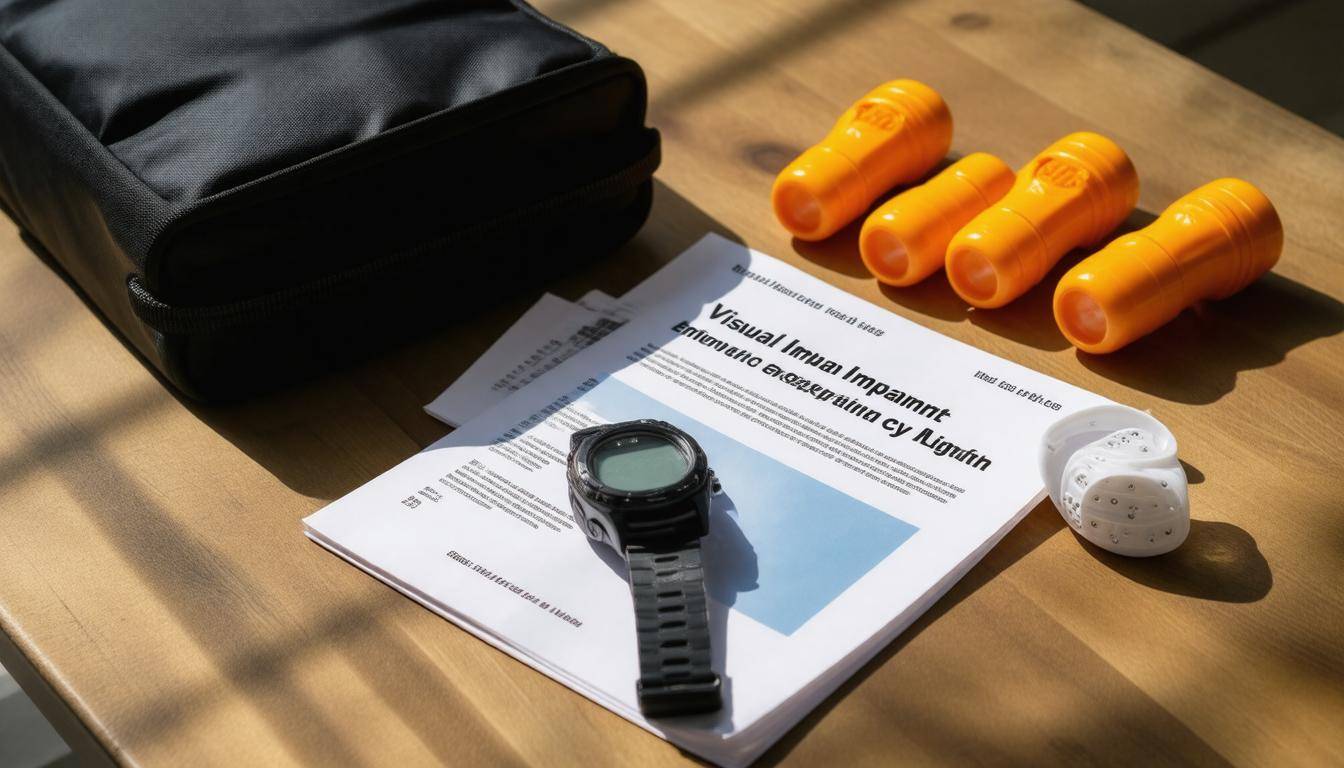
Choosing an Emergency Kit Bag
When selecting a bag for your visual impairment emergency kit, you’ll want to focus on utility and ease of use. The ideal bag should not only be practical but also tailored to accommodate the needs of individuals with visual impairments. Imagine reaching for your kit in a moment of crisis: the right bag makes it simple to grab what you need without fumbling around. Look for bags made from durable materials like nylon or polyester, as these materials are often both lightweight and water-resistant—perfect for protecting your items from moisture or spills.
Features of an Ideal Bag
As you evaluate potential bags, prioritize features that enhance organization and usability. A bag with multiple compartments will help ensure that items are neatly organized, making them easy to find even under stress. This can mean having designated pockets for specific categories of items, which can save time when every second counts. However, consider including tactile labels for each compartment; this small adjustment allows for quick identification without relying solely on sight.
Popular brands like High Sierra and Osprey have models that incorporate built-in organizational systems to streamline functionality. These bags often include strategically placed pouches for storing essential supplies while still allowing for intuitive use, particularly helpful in an emergency situation.
In terms of comfort and accessibility, durability and portability of the bag are crucial factors that require attention.
Durability & Portability
Once you’ve assessed the organization aspect, turn your focus toward the durability of the bag. It’s critical that the bag be constructed from resistant materials to withstand wear and tear during transport. Look for waterproof fabrics to keep your essential items safe from unexpected rain or spills. Moreover, adjustable straps are important as they allow the user to carry the bag comfortably, especially during evacuations when mobility may be limited or hasty.
Remember that a well-chosen emergency kit bag should feel like an extension of yourself; it should foster a sense of security by ensuring that everything you might need in an emergency is ready at hand—efficiently organized and easily accessible.
With this foundational knowledge about the right type of bag for emergency preparedness, we can now explore the vital tools that ensure effective communication during crises.
Communication & Alerting Tools
To navigate an emergency situation safely, having reliable communication and alerting tools becomes essential. One key item in your visual impairment emergency kit is a talking alarm clock. This device not only tells time but also serves as an invaluable reminder system that can be set for various alerts during critical times. However, remember to choose a battery-operated version to ensure it works when power outages occur—an all-too-frequent reality during severe weather.
A personal account from one user highlights the success of using an all-weather whistle painted in high-contrast colors, which helped alert rescuers during a storm when other devices failed. Such ingenuity illustrates how the simplest tools can make a significant difference when technology falters.
Alongside these fundamental tools, communicating with others becomes paramount for safety.
Emergency Contact Cards
For effective communication in times of distress, consider enclosing laminated emergency contact cards within your kit. These cards should list important numbers and addresses in both print and braille formats. Having this dual format ensures that not only the visually impaired individual can read them, but also first responders who may need quick access to that information.
Think of these contact cards as a car’s dashboard lighting up with warning signs; they indicate what needs immediate attention and guide actions during an emergency. Including contacts for family members, friends, medical professionals, and local emergency services provides peace of mind. Keeping this information updated regularly is vital because circumstances change—new medications may require different emergency contacts while moving to a new area might mean new support systems are necessary.
In addition to contact cards, integrating technology into your communication arsenal can provide further security.
Devices like smartphones equipped with accessibility features allow real-time assistance from apps such as Be My Eyes and Aira. These applications connect visually impaired users with volunteers who can offer sighted guidance in emergencies. Meanwhile, emergency alert systems such as Amazon Echo or Google Nest serve to send safety alerts and reminders about impending weather threats using voice commands for easy access.
Imagine the reassurance of having immediate help at your fingertips—it’s as if you’ve got a buddy right there with you, ready to assist.
Lastly, combining high-tech gadgets with traditional methods—like carrying tactile alert devices or utilizing braille notification systems—ensures robust communication strategies are in place during emergencies. The goal here is simple: equip yourself so that no matter the situation, you can effectively reach out for help when you need it most.
As we consider these communication essentials, let’s explore specific tools designed to enhance accessibility and navigation in critical situations.
Tactile and Braille Devices
It’s important to include specific tools designed to assist in communication and navigation. These devices not only enhance safety but also empower individuals to respond effectively in urgent situations. One of the most valuable tools in this regard is the Braille label maker.
Braille Label Makers
A portable Braille label maker can be a game-changer for someone with visual impairments. By labeling essential items in an emergency kit, such as medications, food supplies, or important documents, individuals can quickly identify what they need. This simple act of organization fosters independence and enhances safety during chaotic moments. Imagine the peace of mind that comes when everything is clearly labeled; there’s no second-guessing involved.
According to the American Foundation for the Blind, about 7 million Americans experience visual impairment. Yet, despite this significant number, many remain without essential emergency tools that accommodate their needs. This underscores a pressing need for improved access to resources tailored specifically for them.
Now that we’ve covered Braille labeling, let’s explore another vital tool for emergencies: tactile watches.
Tactile Watches
Investing in a tactile or Braille watch provides invaluable support during emergencies. These timepieces are designed so users can feel the time through tactile features, allowing information access without requiring vision. Whether you’re waiting for help to arrive or timing your next action, knowing the time can be crucial. The comfort and clarity gained through touch relieve some anxiety by offering straightforward data under often stressful conditions.
Beyond simply telling time, these watches often incorporate durable designs, which are perfect for emergency situations where conditions may be unpredictable. Furthermore, they come equipped with various features such as alarms, reminders, and even GPS functionality—all designed with tactile users in mind.
In an emergency scenario where visibility is limited or panic sets in, tactile tools like these ensure continuity of daily life activities while promoting confidence in independence.
As we continue our exploration of essential preparedness items, let’s focus on visual aids that play a critical role during emergencies.
Visual Aids for Emergencies
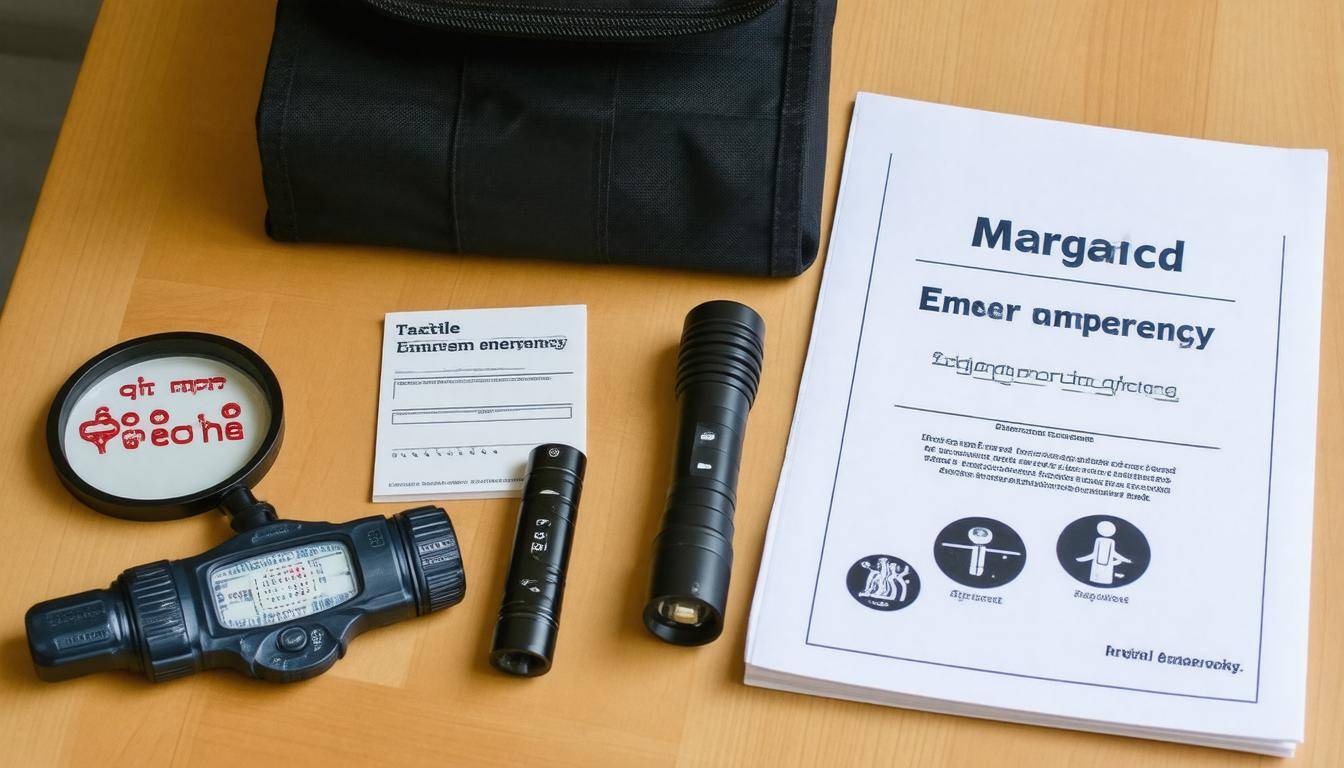
Visual aids can dramatically enhance the safety and efficacy of emergency preparedness for individuals with visual impairments. A high-contrast flashlight is an invaluable companion; its wide beam illuminates dark spaces while its design allows for easy handling. Imagine fumbling through a dark room after an unexpected power outage—having a flashlight with large buttons means you won’t waste precious time trying to find the switch. Choosing flashlights in colors like neon green or orange not only stands out but also makes them easy to locate amidst chaos.
Another critical visual aid is the use of magnification devices. Just as one might rely on a pair of glasses to read fine print, portable magnifiers equipped with LED lights can become essential during emergencies. These devices allow individuals to clearly see emergency instructions, important labels, or even maps that guide them toward safety. The benefit of built-in lights cannot be overstated—lighting up otherwise unreadable text helps ensure you get the information you need when you need it most.
Including at least two magnifiers in your emergency kit will add an extra layer of preparedness that could prove invaluable during a panic-stricken moment.
Additionally, incorporating tactile maps with high contrast features can facilitate movement within unfamiliar environments. These maps enable users to feel their way through a facility, identifying exits or emergency resources effectively. Raised-line formats combined with tactile texts create a comprehensive guide—even for those who may not be able to read traditional printed maps.
To further augment safety, consider having audio emergency alerts available. Devices designed to deliver clear audio warnings about possible threats can alert individuals about important changes in their immediate environment. When placing these alerts in your home or any essential location, ensure they have adjustable volume levels so they remain effective even amid background noise.
As you gather these essential items, it’s crucial to think not just about visibility but also about how individuals navigate their surroundings during emergencies. By prioritizing accessibility and functionality, you set the stage for an effective response strategy in uncertain situations.
Mobility & Navigation Assistance
For individuals with visual impairments, effective mobility and navigation tools are essential for ensuring safety in emergency situations. One of the most fundamental items, the white cane, serves as a reliable companion, offering tactile feedback that helps users identify their surroundings. A standard white cane, typically about 54-58 inches long for adults, can easily detect obstacles and changes in terrain, proving invaluable when navigating through chaotic environments or debris-strewn areas after a disaster.
The inclusion of features such as reflective strips on these canes can greatly enhance visibility. Imagine a scenario where the power goes out and emergency lighting is minimal. A white cane with reflective properties would allow others to see you—potentially avoiding dangerous situations.
GPS Devices
We can’t overlook the role of GPS devices. Wearable technology like the Sunu Band offers innovative solutions for real-time navigation. This remarkable device uses echolocation to provide audio feedback about nearby obstacles. With an effective range of up to 16 feet, it alerts the user to unexpected hazards, making it an indispensable tool during disasters when conventional paths may be blocked or unclear.
It is crucial to remember that such devices can significantly reduce anxiety while navigating unfamiliar routes by providing accurate guidance and information.
Beyond obstacle detection, many GPS devices now come equipped with mapping capabilities specifically designed for individuals with visual impairments. Apps connected to smartphones can present directions through audio prompts, making them easier to follow without needing to consult a screen.
Furthermore, the combination of these mobility aids and modern technology opens up additional layers of security for users during emergencies.
Smart Technology Integration
What’s even more fascinating is the integration of smart technologies into mobility devices. Applications like Aira and Be My Eyes connect users with trained support agents who provide assistance in real time. Whether it’s giving directions or helping identify potential dangers, these services have become game changers for those facing mobility challenges.
Today, individuals with visual impairments have an array of tools at their disposal—from simple white canes enriched with advanced tech to sophisticated GPS devices that offer interactive navigation assistance. Packing these items in a dedicated emergency kit ensures peace of mind knowing that one is prepared for any unexpected circumstances.
Next, we’ll explore essential supplies focused on health and safety that complement your preparedness plans.
Essential First Aid Supplies
When preparing a first aid kit, it’s crucial to go beyond just collecting standard supplies; instead, tailor the kit to be inclusive and effective for those with visual impairments. The reality is that during emergencies, stress levels will run high. Therefore, having supplies that can be quickly and easily identified can make all the difference. Imagine fumbling through a regular first aid kit when each second counts—this is where customization comes into play.
One of the most important supplies to include in your first aid kit is tactile-labeled antibiotic ointment. This way, even in a moment of panic, individuals can swiftly locate the right medication. It’s essential to ensure everyone knows how to use it properly. Place these ointments within easy reach—consider using brightly colored containers to contrast with their labels for added visibility.
Along with ointments, stock your kit with several other items specifically designed for ease of use by people with visual impairments:
-
Sterile gloves: Always necessary for protecting both the caregiver and the injured party.
-
Alcohol pads with tactile indicators: These not only serve as antiseptic but provide a clear sense of where they are located.
-
Pre-labeled adhesive bandages: Available in various sizes, each marked clearly with braille or large print for easy identification.
-
Calamine lotion with braille labels: Such labels ensure quick access when needed.
Think about this: How many times have you suffered a small cut or scrape at an inconvenient time? Now imagine if you could open your first aid kit without hesitation and address that injury immediately.
Additionally, instruction manuals with tactile graphics or braille can be incredibly valuable as they guide users on how to administer specific treatments correctly.
Packing these instructional materials means users can familiarize themselves better before any emergency arises. For instance, instructions on how to apply a bandage or treat a burn need not just be written; they could also feature step-by-step tactile graphics that make navigation straightforward.
Consider incorporating technology into your kit as well. Devices like Talking Alarm Clocks or Voice-Activated Smart Home Devices can enhance usability further. They might also assist in reminding users to check supplies or upcoming safety training sessions.
These thoughtful additions empower individuals to manage emergencies effectively and confidently while providing critical support during challenging times.
As we examine further components supporting daily life for those navigating these challenges, the importance of innovative solutions becomes increasingly clear.
Technology for Visual Impairment
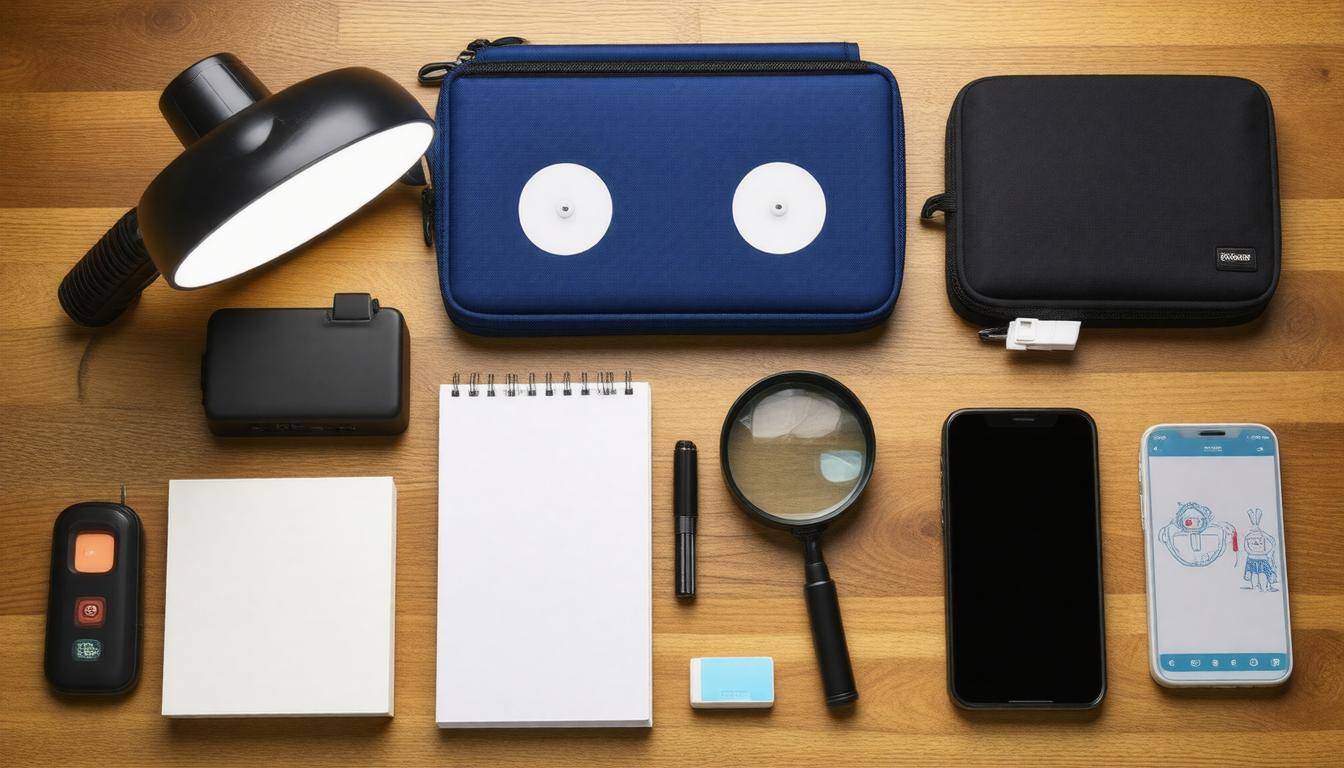
The world has become more connected and user-friendly, thanks in part to innovative technology designed with accessibility in mind. These advancements not only make everyday tasks easier but also play a crucial role during emergencies. Voice-activated devices, smartphone applications, and other smart technologies empower independence and enhance safety for those with visual impairments.
Smart Home Devices
One of the standout innovations has been voice-activated assistants like the Amazon Echo or Google Nest. Imagine needing information during a crisis—your hands might be busy or you might feel disoriented. Simply asking your voice assistant for help can provide invaluable support. You can call out commands such as, “What are the emergency numbers?”, or “Give me the weather update.” If an evacuation is on the horizon, you could instruct it to call someone for assistance, bringing vital communication within reach even in high-stress situations.
Voice-activated assistants can simplify complex decisions when seconds count, providing access to crucial information without necessitating physical interaction.
In addition to smart speakers, smartphone applications have emerged as essential tools for connecting visually impaired individuals with helpful resources.
Smartphone Apps
The rise of smartphone apps tailored for those with visual impairments has brought about a revolution in personal safety. Take “Be My Eyes,” an extraordinary app that links visually impaired users with sighted volunteers through video calls. When facing a challenging situation, users can request immediate assistance—for example, getting directions or identifying objects around them. Another notable application is Aira. Unlike Be My Eyes, Aira offers real-time professional assistance from trained agents who can navigate through complex scenarios to ensure users’ safety.
Beyond just communication, these apps provide critical contextual understanding. Whether it’s reading labels during an emergency supply run or finding evacuation signs in unfamiliar places, technology has bridged gaps and created pathways for individuals with visual impairments to engage with their surroundings confidently.
While modern technology presents exciting possibilities, preparedness requires attention to specific items tailored to enhancing personal safety in emergency situations.
Personal Safety & Security Items
Safety is paramount, especially in unpredictable situations. For those with visual impairment, having the right tools at hand can make all the difference. Consider implementing items such as a personal alarm device, which emits a loud sound to alert others in case of an emergency, significantly enhancing personal safety and increasing the chance of quick assistance when needed. This small yet effective device can easily be clipped onto a bag or worn around the neck for quick access.
| Safety Item | Description |
|---|---|
| Personal Alarm Device | Emits a loud sound to call for help |
| Reflective Safety Vest | Increases visibility, especially in low-light situations |
| Emergency Whistle | Lightweight whistle for signaling assistance |
Additionally, wearing a reflective safety vest increases visibility in low-light conditions, reducing the risk of accidents during emergencies. These vests come in various sizes and designs to comfortably fit any individual while making them stand out in less-than-ideal lighting.
Remember: Visibility can save lives, not just during emergencies but also in everyday situations.
Moreover, including an emergency whistle in your kit serves as a simple yet effective tool for signaling help without straining your voice. Especially useful when vocal communication is impaired due to stress or panic, this lightweight item can easily fit into any pocket or bag.
While these physical items are crucial, personal technology can further empower individuals during emergencies.
A smartphone equipped with accessibility features should be a staple in any emergency preparedness kit. Not only does it enable efficient communication with emergency services, but it also offers vital information through various apps specifically designed to assist visually impaired users. These devices support GPS functionalities that help navigate unfamiliar areas safely during evacuations.
Be sure to download essential apps well before emergencies strike and familiarize yourself with their features—practice using them regularly so you are ready when it counts.
In addition, consider incorporating a flashlight with tactile controls as part of your safety equipment. Having illuminating capabilities is invaluable, especially during power outages or evenings when visibility is limited. A flashlight designed with tactile controls ensures easy operation without needing to see.
Just like packing your emergency kit, prioritize safety by keeping these essential safety items organized and accessible whenever you leave home; this will better prepare you for any unforeseen situation that may arise.
In preparing for emergencies, being equipped with the right personal safety items can significantly enhance your readiness and overall security. Mishaps can happen unexpectedly, but having the necessary tools at hand will empower you to navigate challenges effectively.
How often should the items in a visual impairment emergency kit be updated or replaced?
The items in a visual impairment emergency kit should be updated or replaced at least every six months to ensure that all components are functional and effective. This includes checking the expiration dates on medical supplies, batteries for devices, and ensuring any assistive technology is up to date. According to studies, having current and reliable items can significantly increase preparedness and response during emergencies, with guidelines suggesting that regularly maintained kits enhance overall safety and independence for individuals with visual impairments.
What strategies can visually impaired individuals use to prepare themselves for emergencies beyond having a kit?
Visually impaired individuals can enhance their emergency preparedness by familiarizing themselves with their environment, using tactile maps or GPS apps that cater to their needs, and practicing emergency drills that incorporate orientation and mobility skills. Statistics show that individuals who engage in regular preparedness training report a 30% increase in confidence when faced with emergencies, highlighting the importance of proactive strategies beyond just having a kit. Additionally, connecting with local support groups can provide insights into resources and community networks that can be invaluable during an emergency.
What essential items should be included in a visual impairment emergency kit?
A visual impairment emergency kit should include essential items such as a tactile map, a flashlight with a high-contrast grip, a white cane, Braille labels for quick identification of essential items, and an audio device for navigation assistance. Including these tools addresses the critical need for safety and mobility; according to the World Health Organization, over 2.7 billion people globally are affected by varying degrees of visual impairment, emphasizing the importance of preparedness in emergencies to enhance independence and confidence.
Are there specific kits recommended for different types of visual impairments?
Yes, there are specific kits recommended for different types of visual impairments. For example, individuals with low vision may benefit from kits that include magnifying glasses, high-contrast labels, and tactile markers, while those who are blind might find canes, braille materials, and audio navigation devices essential. Statistics indicate that approximately 1 in 4 adults in the U.S. experience some form of visual impairment, making tailored preparation crucial for safety and accessibility during emergencies.
How can technology enhance the functionality of a visual impairment emergency kit?
Technology can significantly enhance the functionality of a visual impairment emergency kit by incorporating smart devices such as talking GPS systems, smartphone apps that provide audio descriptions of surroundings, and wearable technology that alerts users to obstacles. For instance, studies indicate that nearly 80% of individuals with visual impairments report using smartphones for navigation and assistance, showcasing how tech integration not only aids in mobility but also promotes independence. Additionally, tools like voice-activated assistants can provide real-time updates on emergencies, ensuring users remain informed and prepared during crises.