
When you turn on your tap, do you ever wonder what’s really flowing out? You’re not alone! Many people are starting to think more critically about the water they drink and cook with. As we learn more about contaminants like lead and PFAS, it becomes clear that having a reliable water filtration system is becoming less of a luxury and more of a necessity. Navigating through so many options—like pitcher filters, faucet-mounted systems, and high-tech reverse osmosis setups—can feel overwhelming. But don’t worry; this guide will break down everything you need to know. By considering key factors like cost, installation, and the specific contaminants in your water supply, you can make an informed choice that keeps your family’s drinking water safe and healthy. Let’s dive in!
The Water Filtration Tool Options: Comparison Guide provides a detailed comparison of different types of water filters, including pitcher filters, faucet-mounted filters, countertop filters, and under-sink filters. Each category is analyzed based on factors such as cost, ease of installation, maintenance requirements, and effectiveness in removing common contaminants from tap water, enabling consumers to choose the best option for their needs.
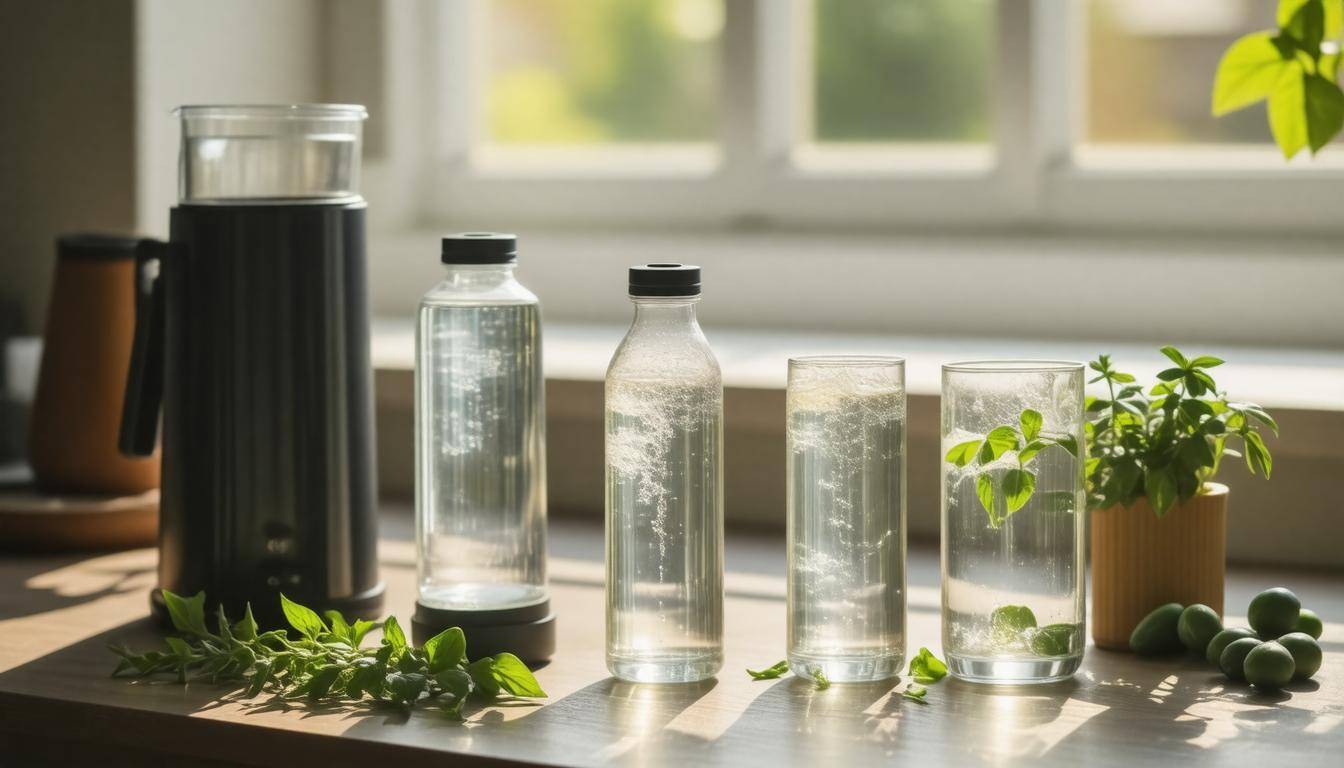
Overview of Water Filtration
Water filtration systems play a crucial role in ensuring the safety and taste of the water we consume. Tap water often contains harmful contaminants such as lead, PFAS, and bacteria, which can potentially impact our health. Highlighted by sources like Consumer Reports, it’s clear that effective filtration is necessary not just for taste but for our overall well-being.
Filters come in various forms and boast unique mechanisms to tackle these concerns. Some rely on physical barriers, like activated carbon filters that trap particles as water flows through them, while others employ more advanced methods such as reverse osmosis, which forces water through a semipermeable membrane capable of removing up to 99% of dissolved contaminants.
This diversity allows consumers to tailor their choice based on specific needs. For example, pitcher filters are famously popular due to their low cost and ease of use—requiring no installation and available for under $50. However, they may not capture all contaminants effectively, particularly if you live in an area with high levels of certain substances.
On the other hand, under-sink filters are designed for comprehensive performance; they provide a higher flow rate and volume capacity but can represent a more significant investment ranging from $100 to $700.
It’s important to consider maintenance and replacement costs when selecting a filtration method. Activated carbon filters need regular changes approximately every six months, while reverse osmosis systems may require periodic membrane replacements every 2-3 years and filter changes more frequently. Understanding these costs upfront can help prevent unexpected expenses down the road.
Additionally, testing your tap water for specific contaminants before purchasing a filter can guide you toward selecting one that meets your needs effectively. Many households may find their water quality acceptable without added filtration; however, those dealing with problematic water supplies will benefit greatly from targeted solutions.
The variety of water filtration options reflects the pressing need for clean and safe drinking water. Weighing factors such as functionality and cost will empower consumers to make choices that enhance their water quality.
Transitioning from understanding these filtration tools to recognizing the quantitative aspects of why clean water is essential will provide further insights into its impact on health.
Importance of Clean Water
Access to clean water can effectively reduce the risk of diseases caused by contaminated sources, especially in vulnerable populations. According to the World Health Organization, over 485,000 diarrheal deaths occur each year due to contaminated drinking water. These statistics underline a stark reality: something as simple as untreated tap water can have severe consequences.
Clean water is essential not only for quenching thirst but also for preventing numerous diseases and ensuring overall wellness. Harmful contaminants like lead, arsenic, and PFAS taint the taste of our water and pose significant health risks that cannot be overlooked. For instance, lead exposure can result in developmental issues for children, while long-term ingestion of PFAS has been linked to certain cancers and immune system dysfunctions. Fortunately, effective filtration systems are available that can significantly reduce these harmful substances from our drinking water.
The impact of safe drinking water extends beyond immediate health benefits; it promotes better living standards and reduces healthcare costs. An estimated $260 billion annually is lost due to inadequate water supplies and sanitation—an economic burden that could be alleviated with proper access to filtered water.
Reflecting on this, one Ohio mother named Jane Doe shared her experience: “After installing a water filter, our family noticed a significant improvement in water taste and our overall health.” Her story highlights a crucial point: simple measures like using a filtration system can yield substantial benefits.
Clean water isn’t just about drinking; it affects cooking, hygiene, and even how we feel. When you prepare food with unfiltered water or use it for brushing your teeth, you’re still at risk of ingesting harmful contaminants. This reinforces the importance of establishing reliable systems for consistently ensuring clean water in every aspect of daily life.
With such compelling reasons to ensure clean water access, exploring various options for filtration reveals the best solutions tailored to your needs.
Carbon vs. Ceramic Filters
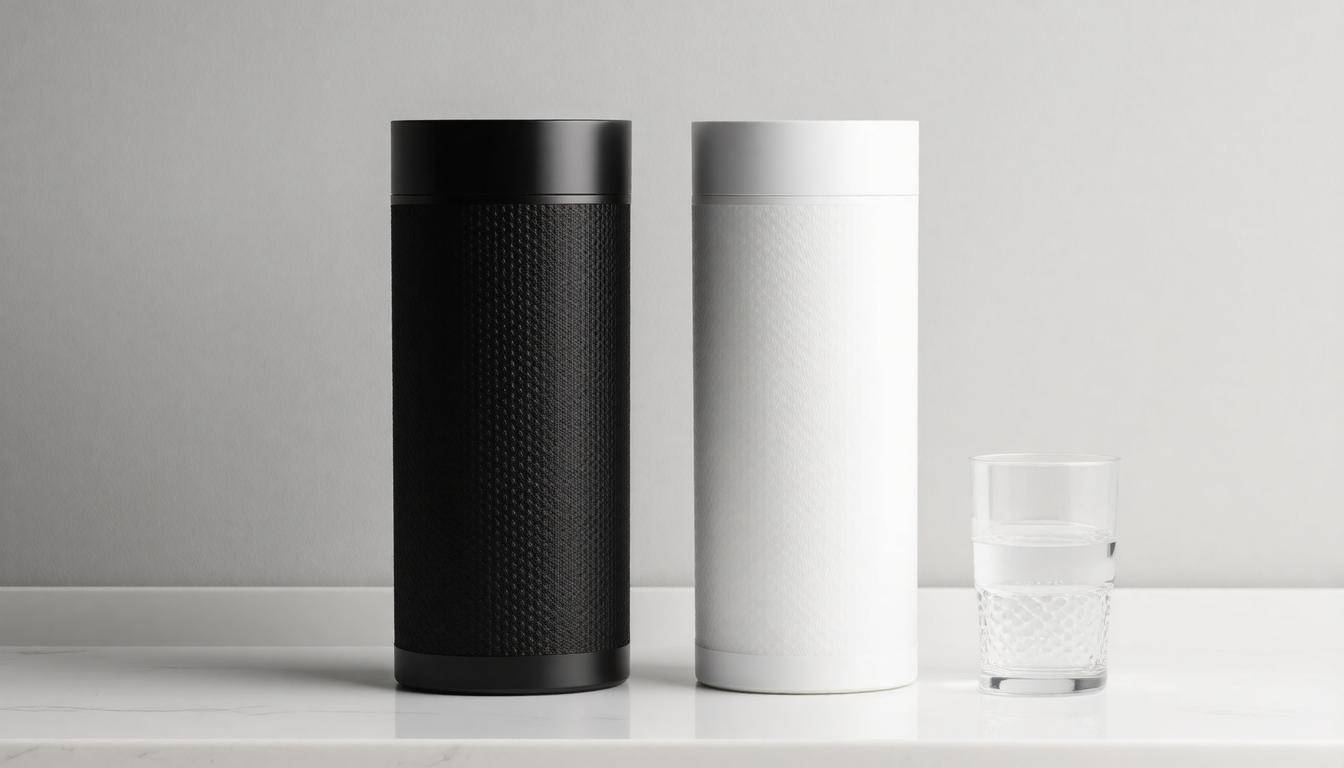
Both carbon and ceramic filters are popular choices but serve different purposes, making them suited for various situations. It’s akin to choosing between two excellent tools in your toolbox; each has its strengths. As we explore the features of each filter type, it becomes clear just how they cater to different needs.
Carbon Filters
Carbon filters excel at removing chlorine, unpleasant odors, and tastes from water, creating a fresher, cleaner drinking experience. Their effectiveness extends to certain pesticides and volatile organic compounds (VOCs), which are common contaminants posing risks to health. Picture this: you open your tap water to fill a glass, and that refreshing taste is due to carbon filter technology working behind the scenes.
You will often find these filters in pitcher systems and refrigerator dispensers, making hydration not only healthier but also tastier.
The structure of carbon filters allows them to use adsorption—a process in which contaminants adhere to the surface of the activated carbon. This is why they can significantly reduce pollutants like chlorine, leading to that crisp refreshment that makes drinking water enjoyable. Just keep in mind that while they’re fantastic with chemicals, they do have limitations regarding bacteria removal.
Ceramic Filters
On the other hand, ceramic filters emerge as champions when it comes to filtering out larger particles and bacteria. Their dense structure acts as a formidable barrier against contaminants lurking in your water supply. It’s like having a microscopic sieve that ensures purity by catching those pesky microbes before they reach your glass.
This makes ceramic filters particularly beneficial in areas known for biological contamination issues. However, it’s essential to note that while they excel at eliminating bacteria, they fall short concerning chemical contaminants, meaning you might want to consider using them alongside a secondary filter for comprehensive protection.
To effectively decide which option aligns with your needs, assessing their strengths gives you valuable insights about their utility based on various factors.
Comparison
| Feature | Carbon Filters | Ceramic Filters |
|---|---|---|
| Chemical Removal | High | Low |
| Bacterial Removal | Low | High |
| Cost | Moderate | Moderate |
| Maintenance | Moderate | Low |
In weighing these options, consider factors such as water quality in your area or specific contaminants you may be facing. Whether you’re battling chemical impurities or microbial threats, understanding how these filtration systems work empowers you to make an informed decision tailored to enhancing the quality of your drinking water while ensuring your family stays safe and healthy.
With this knowledge in hand about filtration types and their effectiveness, let’s explore how contemporary advancements are transforming the way we purify our water supply.
Modern Filtration Technologies
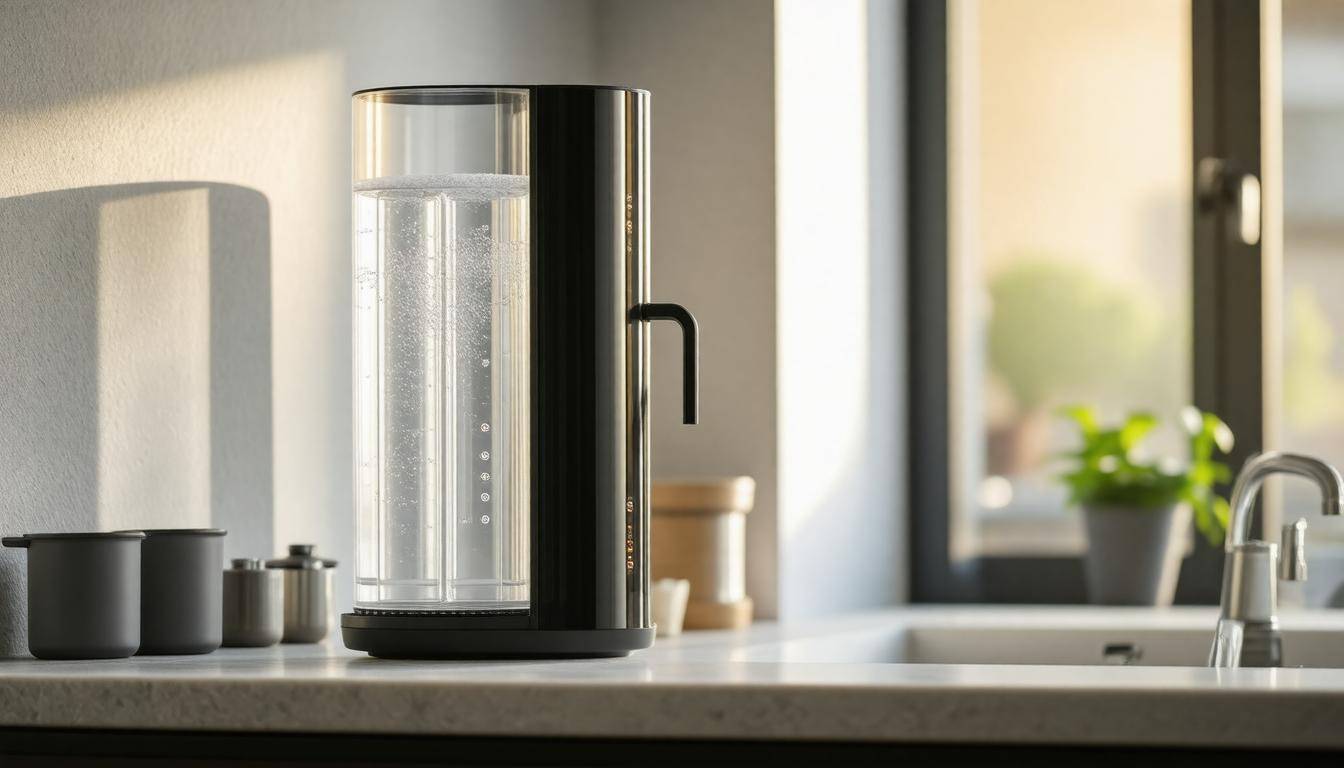
Modern filtration technologies are revolutionizing how we think about water purification, offering solutions that are not only effective but also necessary in addressing the contaminants increasingly found in our water sources.
These advanced methods, like reverse osmosis and UV purification, tackle specific challenges presented by pollutants that traditional systems might miss. For instance, reverse osmosis systems excel at removing even the tiniest impurities—including salts and heavy metals—offering a remarkable removal rate of up to 99% of all contaminants. Utilizing a semi-permeable membrane, this method effectively traps unwanted particles while allowing pure water to pass through.
When you think about it, having clean drinking water is as vital as having clean air. Our health relies heavily on both, highlighting the importance of investing in effective filtration systems.
Meanwhile, UV purification takes an entirely different approach. By using ultraviolet light to deactivate bacteria and viruses, this system ensures that harmful microorganisms do not make their way into our drinking supply. This technology is particularly advantageous because it doesn’t introduce any chemicals into your water; instead, it merely disrupts the DNA structure of pathogens, rendering them harmless.
Advanced oxidation processes (AOPs) take purification to the next level by breaking down complex organic compounds at a molecular level. These processes combine powerful oxidants with UV light or ozone to target emerging pollutants—like pharmaceuticals and microplastics—that conventional filters struggle to eliminate. Imagine potentially harmful substances getting broken down into benign compounds before they reach your tap!
The integration of these sophisticated technologies reflects not just a response to higher contaminant levels but also showcases our increasing environmental consciousness. With growing awareness surrounding issues like climate change and public health, sustainability efforts are expanding into water treatment as well. Many modern systems focus not only on providing cleaner water but also on encouraging practices like water reuse and recycling.
In a world where every drop counts, embracing these advanced technologies becomes imperative for sustainable living.
For individuals and communities alike, understanding the differences in these technologies can enhance their decision-making process when selecting a filtration system tailored to their specific needs. Whether considering efficiency or cost-effectiveness, knowing what each solution offers ensures that everyone can access quality water safely and sustainably.
As we continue exploring these innovative approaches, it’s essential to assess how well they actually perform in real-world conditions and what factors contribute to their effectiveness.
Evaluating Filtration Effectiveness
The effectiveness of any water filter hinges not only on its technology but also on the specific contaminants in your water supply. Testing your water is the first vital step, as it determines what types of impurities need removal. For example, if you live in an area where lead levels are a concern—a major issue as revealed by Consumer Reports—you’ll want a system specifically designed to address that.
Testing Kits and Lab Services
Your journey should start with reliable testing. You can use home test kits, which are convenient and user-friendly, or opt for professional lab services for a more detailed analysis. Identifying harmful substances is crucial; startling statistics show that at least 45% of U.S. tap water contains PFAS compounds. Armed with this knowledge, you will be better equipped to choose a filter tailored to suit your drinking water needs.
Remember, awareness is power when it comes to clean drinking water.
Once you have established the specific contaminants present in your water supply, it’s time to shift focus toward finding the most effective filtration solution. Look for filters that boast certifications from renowned organizations such as NSF International or the Water Quality Association. These certifications indicate that the filter has met stringent standards for contaminant reduction—essentially ensuring peace of mind that you’re investing in a quality product.
Real-World Reviews
Input from fellow consumers can serve as an invaluable resource during your selection process. When evaluating filtration systems, seek out honest reviews and user testimonials which provide insights into real-world performance. This can give you a clearer understanding of how well a particular product functions beyond company claims.
As you gather these evaluations, consider visiting websites dedicated to product comparisons and unbiased reviews—they often highlight key insights about features, limitations, and overall effectiveness that may not be immediately apparent from ads or promotional materials.
Equipping yourself with the right information about both the contaminants you’re facing and the effectiveness of various filters positions you well for selecting the ideal solution. With this foundation laid, let’s explore how best to install and maintain your chosen filtration system for optimal results.
Installation and Upkeep Tips
DIY Installation
Installing many water filtration systems can be a breeze, especially for models such as pitcher filters or basic faucet-mounted filters. These options usually come with straightforward instructions and don’t require any tools—ideal for those who might not consider themselves handy. Just grab your new filter, follow the guide closely, and you’ll have clean water in no time.
It’s like setting up a new gadget; just connect the hoses and ensure everything is snugly fit. For many consumers, this quick setup process provides immediate satisfaction as they begin to enjoy purified water right away.
Professional Help
On the flip side, systems that are more complex, like under-sink filters or whole-house units, often demand a bit more expertise. If you’re unfamiliar with plumbing work, considering professional installation is advisable to avoid potential mishaps that could arise from improper setup.
Professionals ensure that everything is configured correctly, significantly reducing the chances of leaks or malfunctions later on. The cost of hiring a technician varies, but when it comes to safeguarding your home’s water supply, investing in expert help pays off in peace of mind.
Regular Maintenance
Once your system is installed—whether by you or a professional—regular maintenance becomes crucial. Without it, even the best filtration systems can become less effective over time. Keeping track of filter replacement is key; manufacturers typically recommend replacement after a specific number of gallons filtered or every few months. A good practice is to set reminders on your devices so you don’t overlook this task.
-
Replace filters according to manufacturer recommendations to maintain effectiveness.
-
Regularly clean filter housings to prevent buildup; switch off the system before cleaning for safety.
-
Check for leaks or signs of wear periodically; early detection can save you from bigger issues down the road.
-
Document replacement schedules using apps designed for household maintenance or simple calendar alerts.
By ensuring consistent upkeep, you’ll keep your water tasting fresh and your system running efficiently. It’s all about nurturing that investment in your health and home security.
With an understanding of how to install and maintain these systems effectively, let’s explore options that maximize quality while staying within budget.
Budget-Friendly Water Filters
For those on a budget, finding an effective water filtration solution can seem overwhelming, but it’s definitely possible without sacrificing quality. You might be surprised by the range of options available that are both affordable and efficient.
For starters, pitcher filters, faucet-mounted filters, and basic countertop systems stand out as excellent choices for improving your water quality without breaking the bank.
A remarkable brand that comes to mind is Brita. Their pitcher filters are very popular and can often be found for under $50. Users rave about their effectiveness in reducing chlorine taste and odor while also filtering out harmful contaminants like lead and mercury. Similarly, PUR provides pitch filters that offer excellent performance at a similar price point, making them a staple in many households across the country.
Faucet-mounted filters represent another practical alternative; they usually range from $15 to $30. These devices easily attach to your kitchen faucet, offering an instant source of purified water whenever you need it—no complex installation necessary! Just turn on the tap, and you have access to cleaner water for drinking or cooking. Such convenience often yields substantial savings over time compared to buying bottled water or expensive filtration systems.
Consider this: For just around $50 annually, you could significantly enhance your family’s hydration game. That’s practically a small price to pay when weighed against the long-term health benefits!
To give you a clearer picture of what these systems offer, let’s look at some examples:
| Filter Type | Estimated Cost | Benefits |
|---|---|---|
| Pitcher Filters | Under $50 | Easy to use, affordable, portable |
| Faucet-Mounted Filters | $15-$30 | Instant access to filtered water |
| Basic Countertop Systems | Varies (Up to $100) | Comprehensive filtration for larger needs |
As highlighted above, each option caters well to varying budgets and preferences while ensuring you’re getting safe drinking water. By opting for pitcher filters or faucet-mounted systems, you can avoid costly installations while still enjoying fresh-tasting water right from your tap.
With so many inexpensive choices available, it’s an ideal time to consider more advanced solutions that offer even greater purification capabilities for your home.
Premium Filtration Solutions
For those willing to invest more, premium filtration systems offer enhanced features and superior performance that go beyond simple contaminant removal. When considering a multi-stage under-sink filter or a whole-house system, you’re investing not just in cleaner water but in the overall health of your home.
High-End Systems
One popular option is the under-sink multi-stage system, such as the iSpring RCC7. This model boasts an impressive 10.0 contaminant removal rating with comprehensive filtration capabilities that include technologies like reverse osmosis. Such systems effectively remove fluoride, chlorine, and even PFAS—making your water not only safer but also tastier.
Imagine drinking crisp, clean water straight from your tap without any aftertaste lurking beneath; that’s what these high-end systems promise.
Many users find that investing a little more initially leads to overwhelming long-term benefits.
Another notable example is the Aquasana Rhino system; while its price can range from $400 to $1500, it earns rave reviews for unmatched durability and effectiveness. The Rhino is particularly known for integrating UV purification into its multi-stage process, eliminating harmful bacteria and viruses that might otherwise survive standard filters.
Imagine a filtration setup that also enhances the taste of your water while ensuring its safety—it’s hard to overlook such features!
Users frequently report significant improvements in water quality and taste after installing these systems. With clearer water comes additional advantages: many people notice reductions in skin irritations caused by contaminants present in regular tap water, which can be especially beneficial for individuals with sensitive skin or allergies. Furthermore, cleaner water also contributes to the longevity of appliances like dishwashers and coffee makers since scale buildup from hard minerals and contaminants is minimized.
Overall, premium systems may require a higher initial investment compared to budget filters, but their advanced technologies ensure cleaner, better-tasting water—and ultimately less maintenance headache in the long run.
Regular usage of such advanced filtration systems can lead to cost savings down the line due to reduced wear on appliances and potentially lower medical costs associated with poor water quality. As we’ve seen, when you’re ready to elevate your drinking water experience, premium filtration solutions prove themselves invaluable—not just for taste but for health as well!
Investing in premium filtration options can significantly enhance your quality of life by providing healthier drinking water while saving money on appliance maintenance and health-related expenses in the long term.
What types of water filtration systems are available (e.g., pitcher filters, under-sink systems, reverse osmosis)?
There are several types of water filtration systems available, including pitcher filters, under-sink systems, and reverse osmosis units. Pitcher filters are convenient for small households and can reduce contaminants like chlorine and lead, with some models removing up to 99% of certain impurities. Under-sink systems offer more robust filtration, usually targeting a wider range of contaminants effectively through multi-stage processes, while reverse osmosis systems provide the highest level of purification by filtering out up to 99% of dissolved solids and toxins. According to recent studies, nearly 60% of households opt for point-of-use filtration systems due to their efficiency and affordability.
Which water filtration option is best for specific needs, such as well water or municipal water supply?
The best water filtration option depends on the specific contaminants present in the water supply. For municipal water, activated carbon filters are effective in reducing chlorine, taste, and odor, with studies showing a reduction of up to 99% in some cases. In contrast, well water often contains high levels of sediments and minerals; therefore, a whole-house filtration system with sediment filters and reverse osmosis is recommended. According to the Environmental Protection Agency (EPA), nearly 15 million Americans rely on private wells, highlighting the need for tailored filtration solutions that address specific contaminant profiles for optimal safety and taste.
What contaminants can each type of water filtration tool effectively remove from drinking water?
Different water filtration tools are designed to target specific contaminants found in drinking water. Activated carbon filters effectively remove chlorine, sediment, and volatile organic compounds (VOCs), improving taste and odor; studies show they can reduce chlorine levels by over 90%. Reverse osmosis systems excel at eliminating heavy metals like lead, as well as fluoride and nitrates, typically achieving removal rates of 95%-99%. UV purifiers combat biological contaminants such as bacteria and viruses, providing up to a 99.9% reduction when used correctly. Each tool’s effectiveness is influenced by factors like water composition, flow rate, and maintenance practices, making it crucial to choose the right filter for specific water quality needs.
What factors should consumers consider when choosing a water filtration system for their home?
When choosing a water filtration system for their home, consumers should consider factors such as the type of contaminants present in their water, the system’s filtration method (e.g., activated carbon, reverse osmosis), flow rate, maintenance requirements, and overall cost. For instance, a study showed that 90% of homes have some level of lead contamination, making systems that specifically target this pollutant critical. Additionally, consumers should evaluate certifications from organizations like NSF International to ensure effectiveness and safety. Ultimately, selecting a system tailored to specific water quality needs can greatly enhance health and taste outcomes.
How do the costs of various water filtration options compare over time?
The costs of various water filtration options can vary significantly over time, often influenced by initial investment versus long-term maintenance and replacement costs. For instance, a reverse osmosis system may have a higher upfront cost of around $300 to $500 but typically lasts 10-15 years, leading to an average annual cost of $30 to $50. In contrast, pitcher filters may seem cheaper initially at about $20, but their filters need replacement every 2 months at approximately $10 each, resulting in around $60 annually. Over time, whole-house filtration systems can be more cost-effective for large households despite their higher installation costs due to minimal ongoing maintenance. Thus, while initial expenses differ widely, evaluating the long-term financial impact reveals clearer insights into cost efficiency among filtration options.