
In today’s world, having access to clean water is non-negotiable, yet many people overlook the importance of their well water supply until a crisis hits. Imagine facing an unexpected disaster and realizing that your well water may not be safe to drink. This can be a scary thought! I’m here to help you prepare for such situations so you can be ready, year-round. By understanding how to assess your well water emergency plan, conduct regular testing, and store water wisely, you can protect your family from potential health risks. This guide dives into practical steps and supplies you need to keep your water safe—because being prepared is always better than scrambling when trouble strikes!
The “Well Water Emergency Preparation: Complete Guide” outlines essential steps and recommendations for ensuring your well water supply remains safe during emergencies, such as natural disasters. It covers the importance of disinfecting your water, storage tips, alternative sources of potable water, and guidance on what to do if your well has been compromised.
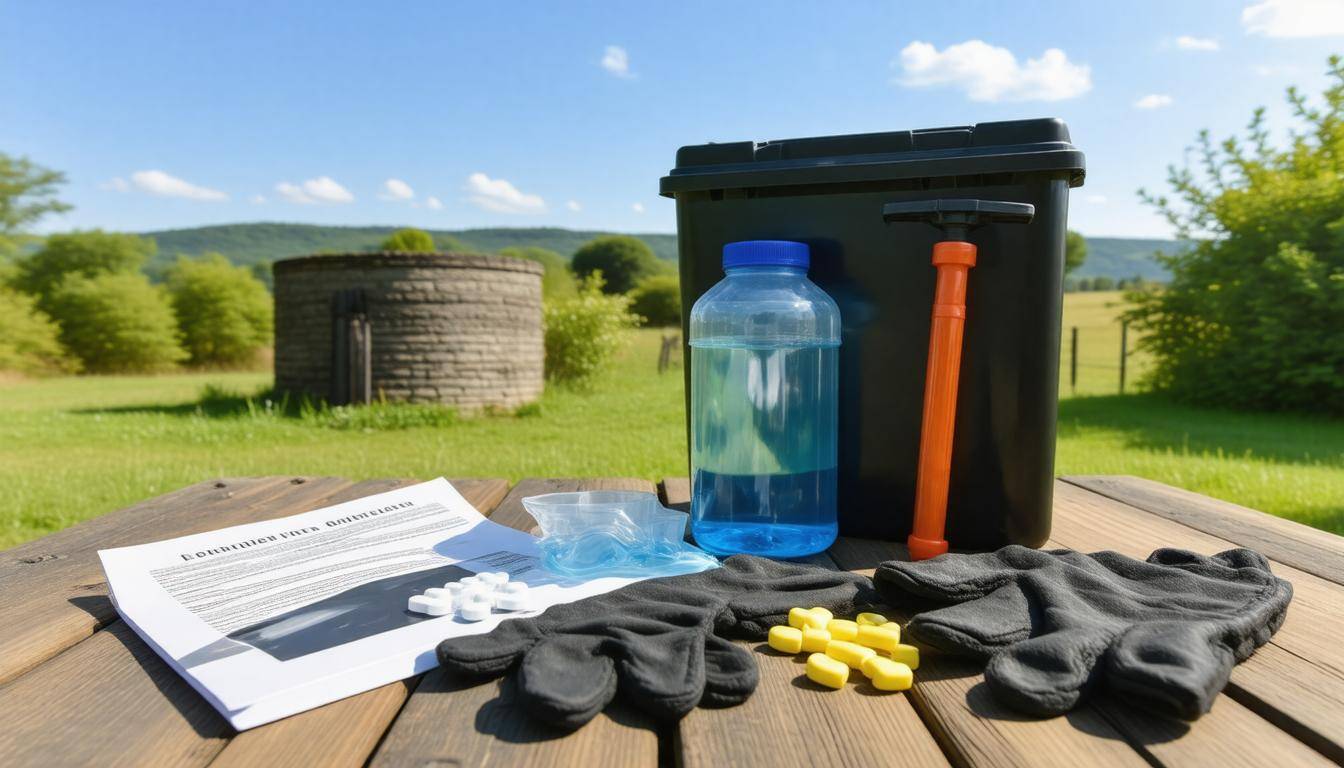
Assessing Your Well Water Emergency Plan
Ensuring the safety of your well water during an emergency starts with a comprehensive assessment of your current emergency plan. Think of this as regular check-ups for your health—the more consistently you evaluate it, the stronger and more resilient your plan will become when the actual need arises.
One crucial aspect is creating an emergency checklist. This involves listing all necessary steps for securing your well water supply in case of emergencies, including critical actions such as shutting off the main valve to prevent contamination from external sources and identifying alternative water sources. By preparing ahead, you can mitigate potential risks that may arise during an unanticipated event.
Regular evaluation isn’t just about being prepared; it’s also about staying informed.
Creating an Emergency Checklist
As you compile your checklist, consider incorporating detailed action items that include not only immediate responses but also contingency strategies for various situations. For instance, ensure that your list specifies actions like reaching out to local authorities or health departments for emergency water supplies, which can be invaluable in a crisis.
You might also want to include steps for notifying family members about the emergency protocol, ensuring everyone understands their role in the plan. Having this organized approach simplifies decision-making when panic might otherwise cloud judgment.
Taking these proactive measures before there’s an urgent need can significantly reduce risks of contamination during emergencies.
While planning is crucial, understanding the quality of your water source through regular testing cannot be overstated.
Testing Your Well
Regular testing plays a vital role in maintaining safe drinking water. It is recommended to test your well water at least once a year for contaminants such as bacteria, nitrates, and other harmful substances. Utilizing resources from your local health department can guide you on specific testing protocols tailored to your region and the unique characteristics of your well.
The results will inform you if any immediate actions are necessary, like additional disinfection or filtration.
Strong plans reduce risk but flexibility is key.
It’s important to remain adaptable as conditions change.
Emergencies can vary widely—from sudden power outages to severe floods—making it essential to have plans that can adapt to different scenarios. Staying informed about potential threats in your region is equally crucial; monitoring local news and weather updates will help you adjust your emergency plan as needed. This adaptability fosters resilience and helps ensure the safety of yourself and those around you when situations turn unpredictable.
Fostering preparedness is pivotal not only for safeguarding your well water but also for ensuring you have reliable supplies ready when faced with unexpected challenges.
Storing Water for Emergencies
Having an ample supply of safe drinking water is essential during emergencies, whether due to natural disasters or infrastructure failures. It’s important to consider how to keep this water fresh and accessible when the time comes.
How Much to Store
The CDC recommends storing at least one gallon of water per person per day for a minimum of three days. However, for greater preparedness, consider aiming for a two-week supply to meet all needs—drinking, cooking, and hygiene. Water shortages during emergencies can happen quickly; thus, it’s wise to think ahead.
Proper Storage
When selecting your containers, opt for food-grade plastic specifically designed for storing water. These lightweight, durable options take up less space than glass containers. Thoroughly clean and sanitize these containers before filling them to prevent contamination.
As a good rule of thumb: Never use containers that previously held chemicals or non-food substances. You wouldn’t want any harmful residues contaminating your precious emergency supply.
Rotating Stored Water
To ensure the freshness of your stored water, rotate your supplies every six months. Mark each container with the date you stored it—this simple practice helps track when it’s time for a refill. Using a permanent marker can help you label clearly; you’ll know exactly when to replace old supplies with fresh water.
| Container Type | Shelf Life | Recommended Use |
|---|---|---|
| Food-Grade Plastic | 6 months | General Use (drinking, cooking) |
| Glass | Indefinite | Not recommended due to breakage risk |
| Stainless Steel | Indefinite | For long-term, stationary storage |
With proper quantities and suitable storage techniques in place, you’re well-equipped to tackle any emergency situation. Now let’s explore essential methods to treat and purify your water supply effectively.
Effective Water Filtration Techniques
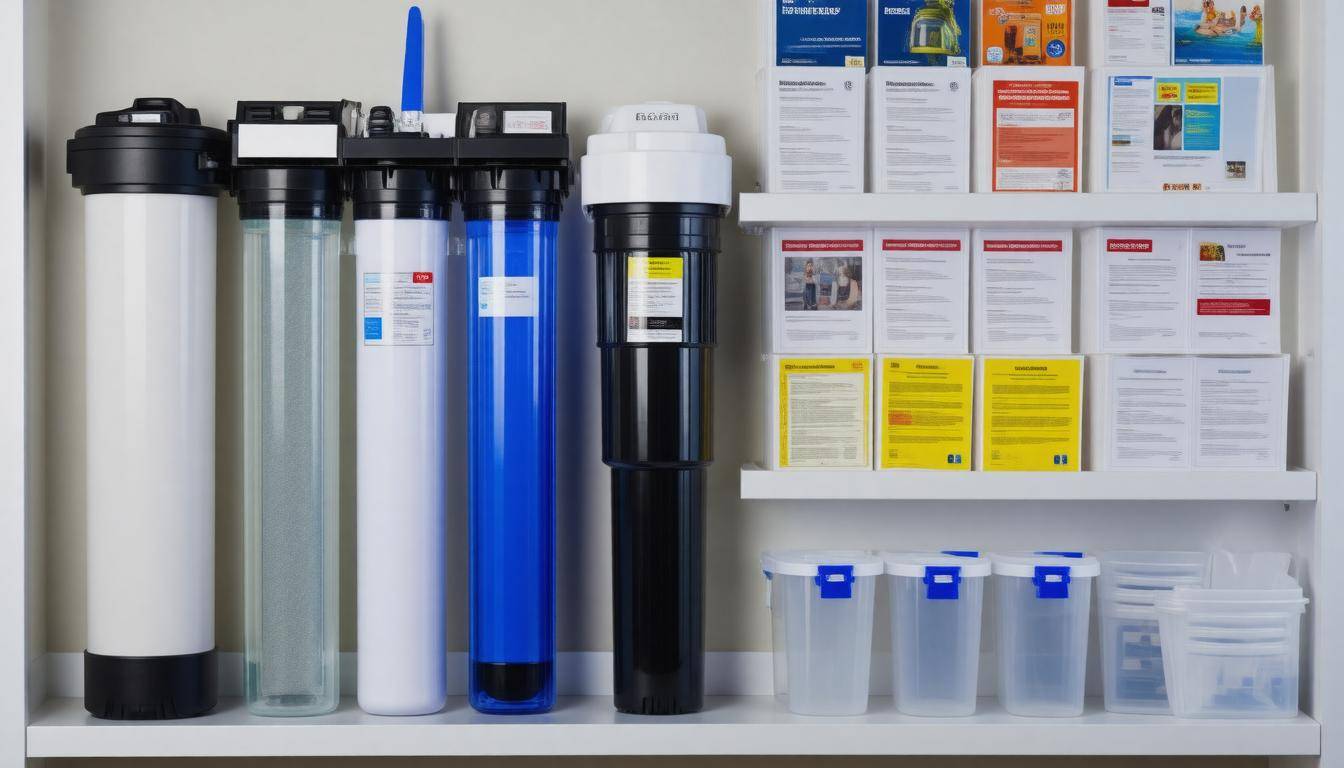
Filtering well water can significantly improve its quality, removing unwanted sediments and various contaminants that may pose health risks. The filtration process isn’t solely about aesthetics; it’s a vital measure for achieving safe drinking water, and several methods are available. Each filtration technique serves a distinct purpose and acts as a building block for your overall water safety strategy.
Step-by-Step Filtration
First up, sediment filters. These are the workhorses of any filtration system. Picture them as the first line of defense against larger particles such as sand, dirt, or rust that may enter your well water. A pre-filter works wonders here, capturing those hefty particles before they can wreak havoc on downstream systems. This method is not only affordable but also easy to maintain—making it an attractive option for many homeowners.
However, simply filtering out sediment isn’t enough. To tackle a wider range of contaminants,
we introduce activated carbon filters. Think of these filters as your water’s personal detox team. They excel at removing chlorine, pesticides, and some volatile organic compounds (VOCs) that could be lurking in your well water. Activated carbon filters bond with impurities through adsorption, ultimately giving you cleaner water taste and safety-wise. Keep in mind, though: while effective, these filters require regular replacement to function optimally.
If you’re serious about thorough purification,
reverse osmosis (RO) comes into play. This technique stands as one of the most powerful methods available for treating contaminated well water. An RO system utilizes a semi-permeable membrane to eliminate up to 99% of contaminants, including harmful bacteria, viruses, and heavy metals like lead or arsenic. Although this method provides exceptional results, it’s known for being more complex and costly to install and maintain compared to the previous methods.
Comparison of Methods
Each of these filtration systems has its strengths and weaknesses. Sediment filters are economical and straightforward to maintain but lack comprehensive coverage. Activated carbon filters provide enhanced performance at the cost of needing periodic replacements, while reverse osmosis offers unparalleled purification yet demands more financial investment and technical know-how.
As you consider your options, recognizing that a multilayered approach will yield the best results is essential. Combining these techniques can create a robust setup for ensuring the purity of your well water—ensuring not just functionality but peace of mind when drawing from your well supply during an emergency. Properly maintaining these filters is pivotal; after all, cleanliness should never be taken for granted, especially concerning something as vital as our drinking water.
By equipping yourself with effective filtration techniques along with understanding their capabilities, you’re genuinely preparing for safe access to clean drinking water whenever it’s needed most. Moving forward, it’s crucial to grasp how to safely handle chemical disinfectants that may be necessary in emergency situations.
Using Chemical Disinfectants Safely
When it comes to purifying well water, chemical disinfectants are effective tools. However, using them incorrectly can lead to unintended consequences that could harm your health or worsen the quality of your water. It’s essential to approach this task with caution and knowledge. Safety should always be a priority when working with these substances to prevent contamination or adverse reactions.
Types of Disinfectants
The most frequently recommended chemical options for disinfecting well water include common household bleach, iodine tablets, and chlorine tablets. Each has its unique properties but equally serves the purpose of safeguarding your water from harmful pathogens. Household bleach usually contains 6-8.25% sodium hypochlorite and is widely available, making it an accessible choice for many homeowners.
However, if you opt for iodine tablets or chlorine tablets, it’s crucial to follow specific guidelines. Consider factors such as the volume of water you need to treat and whether anyone in your household has iodine allergies.
Usage Guidelines
Let’s explore the specifics of using these disinfectants correctly. To disinfect with household bleach, measure out 8 drops—or roughly 1/8 of a teaspoon—per gallon of water. Stir thoroughly and allow it to sit for at least 30 minutes before use. This waiting period is vital because it ensures that the bleach effectively kills bacteria and viruses that may be present.
For iodine tablets, simply follow the manufacturer’s instructions as they can vary. Typically, one tablet per quart of water will suffice. Always confirm you’re using a safe dosage based on the current water conditions.
But even after dosing properly, there are additional precautions that can ensure your safety while using these chemicals.
Safety Precautions
Always choose unscented bleach without additives and store it in a cool, dark place to prolong its shelf life and effectiveness. Storing these chemicals appropriately prevents degradation that could occur from exposure to sunlight or heat.
Never use more disinfectant than recommended; exceeding the proper dosage doesn’t just waste the product but can also introduce new health hazards into your drinking supply.
After treating your well water with any disinfectant, it’s wise to let it sit for an additional period before consumption as this allows any residual chemicals to dissipate safely.
By implementing these careful guidelines and maintaining vigilance when handling chemical disinfectants, you’ll ensure the well-being of not just your water supply but everyone who depends on it.
Alternative Water Sources in Emergencies
When your well water is no longer a reliable option—be it due to contamination or failure—it’s crucial to know where to turn for emergency water supplies. Fortunately, there are several readily available alternatives around your home that can provide you with temporary relief. These options can help you ensure that your family stays hydrated and safe while you work on restoring your primary water source.
Melting Ice
One of the most accessible sources of water during an emergency is simply melting ice cubes from your freezer. Many people overlook this valuable resource as they grab a bag of frozen peas instead. However, if your ice was made from clean tap water, it can safely serve as a temporary water supply when needed. Just remember that this water may not be abundant, so ration it wisely until more substantial sources become available. Also, make sure to use ice made from potable water and avoid melted ice from other questionable sources in your freezer.
Now that we’ve explored how melting ice can provide immediate hydration, let’s look at another often-ignored reservoir in our homes.
Draining Hot Water Tanks
Did you know that your hot water tank holds 30 to 50 gallons of usable water? This stored supply can be a real boon in an emergency situation. To access this source, begin by locating the drain valve at the bottom of your hot water tank. Before you proceed, ensure that you’ve turned off the power source to the heater as a safety precaution. Next, attach a garden hose to the drain valve and place the other end into a clean container or outside where you’d like to direct the draining. When you open the valve, fresh, heated water will begin flowing out. It’s a convenient way to gather significant amounts of useful water without compromising your home’s plumbing system.
While these indoor solutions are useful, rainwater harvesting offers another sustainable method for collecting reusable water in emergency situations.
Rainwater Collection
Collecting rainwater is not only practical but also environmentally friendly! By placing barrels or large containers outside, you can take advantage of rainfall to accumulate a substantial amount of water. However, it’s essential to cover these barrels to prevent contamination and mosquito breeding—a common issue with open containers. Once you’ve harvested the rainwater, always boil or filter it before use to eliminate any potential pathogens or debris picked up during collection. Establishing this method not only provides hydration but also emphasizes self-sufficiency during unpredictable circumstances.
Understanding these alternative sources and their applications can significantly ease the challenges posed by water shortages during emergencies as we discuss more proactive measures in maintaining your water safety thereafter.
Regular Water Testing Procedures

Routine testing keeps your well water safe, helping you enjoy fresh, clean water and offering reassurance about potential issues. Establishing a consistent water testing regimen safeguards the health of your family and takes minimal effort compared to the potential consequences.
Monthly Checks
A fundamental step is performing monthly checks of your well and its surroundings. It’s more straightforward than it sounds: visually inspecting for changes in water clarity, noticing any unusual odors, or even tasting your water might point to potential issues before they escalate. If one month you spot some debris near your wellhead or notice cloudiness in the water, it’s vital to investigate further.
Even something as simple as color or smell can indicate trouble. Trust your instincts; don’t ignore what seems out of place with your water supply.
Annual Comprehensive Testing
In addition to those routine checks, conducting a comprehensive test annually is crucial. This test should assess contaminants such as E. coli, nitrates, and heavy metals, which pose significant health risks if left unchecked. To make things easier, contact your local health department for recommendations on testing kits—sometimes they even provide them at low costs!
It’s important to note that while home testing kits can provide immediate insights, sending samples to a certified laboratory often yields more thorough results. While costs vary depending on the tests ordered, investing in these services is crucial for long-term safety.
Follow-Up Actions
After reviewing your test results, consider discussing any detected contaminants with local experts or health departments for remediation options. The presence of certain substances may require specific treatment solutions—it’s better to act promptly than wait until an issue becomes severe.
By remaining proactive about well maintenance and performing regular water tests, you’ll be taking essential steps toward ensuring clean drinking water and safeguarding your family’s health. With that in mind, let’s explore the equipment necessary for maintaining optimal water safety.
Household Equipment for Water Safety
Having the right equipment at your disposal can be game-changing when it comes to managing well water during emergencies. It’s like having an insurance policy—something you hope never to use but are grateful to have on hand. For those who depend on well systems, the initial steps towards safety begin with essential tools.
Essential Tools
Water storage containers are a crucial first step. You want containers made from food-grade plastic because they won’t leach harmful chemicals into your emergency water supply. Think of them as your lifeline, ensuring you have enough clean drinking water when municipal sources might be compromised. Regularly inspect these containers to ensure they’re sealed properly and stored in a cool location, away from sunlight, which can degrade the material over time.
Next on the list is water purification tablets. These little wonders come in handy for quick disinfection. They’re lightweight and compact, making them perfect for any emergency kit. Just toss a few tablets into your stored water containers when necessary, and within a short period, you’ll have clean drinking water.
If only they could also do the dishes!
Moving forward to portable water filters, brands like LifeStraw and Sawyer have earned their reputation by providing easy-to-use, quality products. They enable you to drink directly from natural water sources or even from questionable tap water safely. Imagine hiking through wilderness areas where clean water is scarce; simply locate a stream or pond, and in seconds, you can have fresh drinking water without any fear of contaminants.
Emergency Generators
Let’s not forget about emergency generators. These devices play a critical role in keeping your well pump functional during power outages. However, it’s important that your generator has sufficient wattage to service your specific model of well pump reliably. Picture this: a storm blows through your area, knocking out power just when you need water the most. A reliable generator saves the day—and perhaps even prevents panic.
With these essential tools in place, you’re already steps ahead in planning for potential emergencies. However, maintaining a calm environment amid uncertainty is equally vital for overall preparedness.
Ensuring Family Safety During Crises
When faced with a potential water emergency, having an organized plan makes a world of difference. A communication plan is critical to ensuring everyone knows what to do if something goes wrong. Establish a reliable way for family members to connect—be it through text messages, phone calls, or a designated messaging app.
Consider creating a family group chat that includes emergency contacts and pertinent information; this approach not only keeps everyone in the loop but allows for quick information sharing as situations evolve.
When establishing your communication strategy, it’s essential to designate a safe meeting place for your family. This could be at a neighbor’s house or a nearby park. By having a predetermined location where your family can regroup after any chaotic events, you alleviate anxiety related to searching for each other. Ensure that everyone knows some basic emergency contact numbers—keeping these in their mobile phones or written down in their wallets can help swiftly navigate situations where typical communication methods might fail.
As part of your safety planning, hygiene practices cannot be overlooked, especially when dealing with potentially contaminated water supplies during crises.
Hygiene Practices
Take proactive measures by setting up hygiene stations using hand sanitizers and wipes—consider placing these near your drinking water or food storage areas. Equipping your family with these supplies will minimize the risk of infection from contaminated environments that often accompany water emergencies.
Additionally, stock up on disposable utensils and plates. This not only conserves precious water typically used for cleaning but also prevents possible cross-contamination among food items, which is crucial when clean water is scarce. By keeping things simple and sanitary, you maintain a healthier living space during uncertain times.
Organizing your family’s safety in these empathetic ways may seem small, but together they create an effective preparatory framework for handling emergencies efficiently while safeguarding your family’s well-being.
In preparing for a potential well water emergency, remember that clear communication and hygiene practices are essential elements of your overall safety strategy. Stay aware and ready!
What supplies should I keep on hand for a well water emergency?
In a well water emergency, it’s crucial to have supplies such as water purification tablets, extra storage containers, a filter pump, and basic plumbing tools on hand. Statistics show that nearly 15% of private wells are contaminated at some point, making preparedness essential. Additionally, having a stocked first-aid kit and non-perishable food items can be lifesavers during prolonged disruptions. Remember, the right supplies ensure you’re not just surviving but thriving in an emergency!
What steps should I take if I suspect my well water has been compromised?
If you suspect your well water has been compromised, immediately stop using the water for drinking or cooking. Contact a certified water testing laboratory to analyze your water for contaminants and potential pathogens. It’s crucial to investigate and identify the source of contamination, which may include nearby agricultural runoff or septic systems. According to the Centers for Disease Control and Prevention (CDC), approximately 13 million people rely on private wells that are not regulated, highlighting the importance of regular testing and swift action when contamination is suspected. Always have a backup supply of bottled water until your well is deemed safe again.
What common issues can lead to a well water emergency?
Common issues that can lead to a well water emergency include pump failure, contamination from nearby agricultural activities, and natural disasters such as floods or earthquakes. For instance, the Environmental Protection Agency (EPA) estimates that about 1 in every 10 private wells in the U.S. may be contaminated with harmful bacteria or chemicals. These situations highlight the importance of routine water testing and regular maintenance to ensure safe drinking water, as neglected wells could pose serious health risks to users.
How do I properly maintain my well to prevent emergencies?
To properly maintain your well and prevent emergencies, perform regular inspections at least once a year to check for cracks or defects in the casing, ensure proper sealing to keep contaminants out, and test the water quality quarterly. According to the Centers for Disease Control and Prevention (CDC), around 15% of Americans rely on private wells; thus, consistent maintenance is crucial since nearly 10% of wells test positive for harmful bacteria. Regularly replacing filters, keeping the area around the well clear of potential pollutants, and monitoring water levels will significantly reduce the risk of contamination and ensure safe drinking water.
How can I test my well water for contamination?
To test your well water for contamination, you can use a home testing kit or send a water sample to a certified laboratory. Home test kits can check for common contaminants such as bacteria, nitrates, and pH levels, offering results in a matter of minutes. According to the U.S. Environmental Protection Agency, nearly 10% of households rely on private wells, and about 25% of them have been found to contain harmful contaminants, emphasizing the importance of regular testing for safe drinking water.