
Preparing for an earthquake isn’t something anyone really wants to think about, but having a solid plan can make all the difference when disaster strikes. The truth is, earthquakes can happen without any warning, leaving us scrambling in the aftermath. By taking the time to create an earthquake kit filled with essential supplies, you can ensure that you and your loved ones have what you need to stay safe and comfortable during those crucial first days following a quake. With a little forethought and organization, you can turn what might seem like a daunting task into a manageable one—empowering you and your family to face any challenges that come your way. Let’s dive into the must-have items that every Wellington earthquake kit should include.
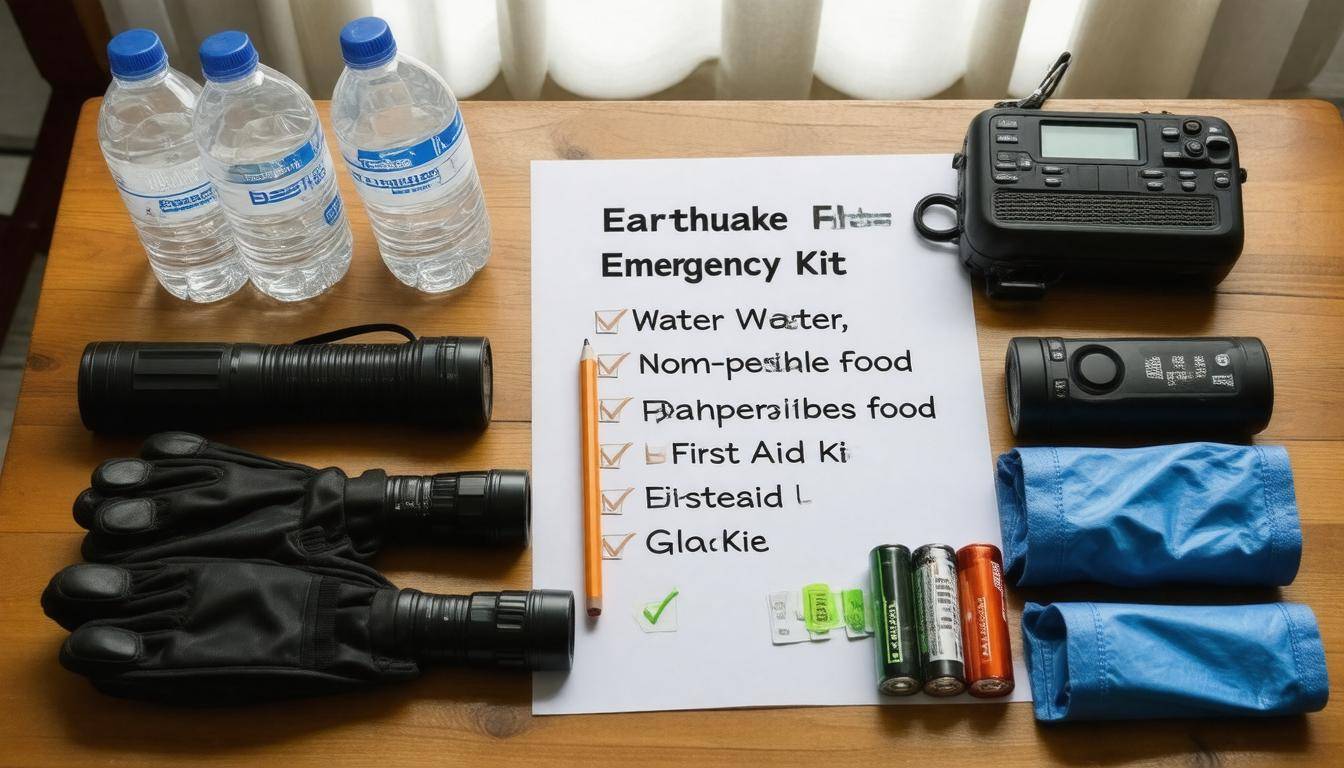
An effective Earthquake Kit Checklist for Wellington, North Island, should include essential items such as water (at least 3 liters per person per day), non-perishable food supplies, a flashlight with extra batteries, a first-aid kit, a portable phone charger, and important documents stored in a waterproof bag. Additionally, it’s recommended to have sturdy shoes, a whistle for signaling for help, and local maps on hand to navigate effectively post-earthquake.
Overview of the Wellington Earthquake Kit
The Wellington Earthquake Kit is more than just a collection of items; it’s a vital lifeline during one of nature’s most unpredictable events. An effective earthquake kit should be meticulously curated to cater to all your family’s immediate needs—ensuring that each member can endure at least 72 hours without outside assistance. This timeline accounts for potential delays in rescue efforts following such a significant event.
At the heart of your kit lies water: at least 3 liters per person per day is essential to remain hydrated. It’s surprising how quickly stress and physical exertion can deplete your body in a survival situation, making hydration even more crucial than usual. Alongside water, consider non-perishable food. Include a 3-day supply for every family member with compact and nutritious options like energy bars, canned goods, or dried fruits—items that are easy to store and won’t spoil quickly.
Once you have secured water and food, it becomes essential to include medical supplies in your kit, which leads us to another fundamental aspect.
A fully stocked First Aid kit will serve as your primary resource for any injuries sustained during an earthquake. Bandages, antiseptics, pain relief medication, and any personal prescriptions should all be part of this emergency kit. Having these elements readily available ensures you can address minor injuries or stabilize someone until professional help arrives.
Beyond medical supplies, ensure visibility and communication in chaotic situations. A reliable flashlight paired with extra batteries serves multiple purposes: illuminating dark spaces post-quake and signaling for help if needed. Imagine being trapped or disoriented in a darkened home—having that light can make all the difference in regaining your bearings.
However, it doesn’t stop there; being prepared means planning for dust and debris, too.
Another critical item is a dust mask, which helps filter harmful particles from the air. During an earthquake, buildings may collapse or suffer severe structural damage, sending dust and debris airborne. Breathing easily becomes crucial amid chaos.
In addition to hygiene supplies like moist towelettes, two indispensable tools include a wrench or pliers for shutting off gas lines when necessary and local maps to navigate safely if power outages disrupt digital navigation systems.
Compiling these essentials into your Wellington Earthquake Kit establishes a foundation for safety amidst uncertainty—a thoughtful decision you’ll appreciate during an emergency. Regularly check and refresh your supplies to match changes in family size or dietary restrictions.
Everything you include builds towards ensuring not only survival but also comfort during those tense first hours after an earthquake strikes.
Armed with knowledge about essential supplies, we now turn our attention toward ensuring adequate provisions of life-sustaining resources like clean drinking water and nourishing food items.
Essential Water and Food Supplies
Staying hydrated and nourished during an emergency like an earthquake is vital for survival, and ensuring you have the right supplies can make all the difference.
In fact, it’s recommended to have at least three liters of water per person per day. For a family of four, this quickly adds up to a staggering 36 liters for three days, which is typically considered a minimum for moderate emergencies. But remember, water is not just about quantity; quality matters too. That’s where having water purification tablets becomes essential. They help ensure that any additional water sourced from non-potable areas can be made safe to drink.
When it comes to food, opting for non-perishable options is the best choice since these items can stand the test of time without spoiling.
Think about canned goods—these are fantastic because they require no cooking and last long periods. Just don’t forget to pack a manual can opener! Items like energy bars provide quick nourishment, while dried fruits and nuts serve as excellent sources of nutrients and can satisfy hunger without taking up much space in your kit.
It’s worth noting that freeze-dried meals are another superb option. They are lightweight, making them perfect for emergency kits, but remember they do require boiling water for preparation. Having a portable camping stove or a way to heat water is something to consider as part of your overall preparedness.
As you gather different food items, aim for a variety that meets dietary needs and preferences within your family—after all, there’s no point stocking up on foods no one will eat when resources become scarce. Consider foods with high caloric content that are easy to prepare under stressful conditions.
Additionally, if you have young children or pets, ensure their special dietary needs are met as well. Having separate supplies set aside can alleviate stress later.
With the focus firmly on assembling crucial provisions, let’s now turn our attention towards the necessary medical supplies that ensure you’re ready for injuries or health issues in an emergency situation.
Crucial First Aid Supplies
Injuries are a common reality in the wake of an earthquake, whether due to falling debris, panic-induced accidents, or simply navigating through unfamiliar terrain. This makes having a well-stocked first aid kit not just a recommendation but a necessity for safety and recovery. Imagine being in the aftermath of a seismic event with no means to address even minor wounds. A stocked first aid kit can be the difference between a quick recovery and serious complications.
Basic First Aid Items
Your first aid kit should include basic essentials that are versatile enough to handle different situations. Think of these as your first line of defense:
- Bandages and gauze pads are essential for covering cuts or scrapes and preventing infection.
- Adhesive tape secures gauze over injuries and serves multiple roles, fixing items temporarily.
- Antiseptic wipes are indispensable for cleaning wounds before bandaging them, reducing infection risks.
- Tweezers help extract splinters or debris from wounds without causing further damage.
- Scissors are necessary for cutting tape, gauze, or clothing in emergencies—an often-overlooked tool!
- Pain relievers alleviate suffering from minor injuries, ensuring focus on maintaining safety instead of being distracted by pain.
- Finally, don’t forget a thermometer to monitor signs of fever after an injury or during illness.
According to reports, approximately 40% of injuries sustained during earthquakes result from debris. It’s alarming yet revealing that having appropriate first aid supplies can mitigate many injuries that arise in such situations.
Including educational manuals or guides on basic first aid is another smart addition to your kit. These resources can provide invaluable instructions during moments of crisis when panic might inhibit one’s ability to think clearly.
The effectiveness of a first aid kit isn’t merely about possessing items; it’s also about knowing how to use them efficiently. Regularly review and practice using the items in your kit so that when disaster strikes, you’re not fumbling through uncharted territory.
With this preparation in mind, it’s essential to explore additional tools that can aid in safety and communication during emergencies.
Lighting and Communication Tools
An earthquake can create an environment filled with uncertainty, leaving you in pitch darkness and cut off from essential information. Therefore, having reliable lighting and communication tools at your disposal is not just a convenience; it’s a necessity.
First, let’s consider your lighting options. Flashlights, headlamps, and lanterns are fundamental tools that ensure you won’t be left fumbling around in the dark. It’s wise to invest in quality products that come equipped with extra batteries, as losing power during a crisis can render your home dark and disorienting.
Consider solar-powered flashlights or hand-cranked lanterns. These types of lighting don’t rely on disposable batteries, thus providing continuous illumination without needing to restock supplies.
Moving on to communication tools, they are equally important in such emergencies. A good quality multi-tool can be invaluable when unexpected situations arise; it serves multiple purposes and can aid you in various tasks, from fixing things around your home to preparing food. Adding a whistle to your kit can help signal for help if needed—its sound travels further than your voice when you’re trying to reach rescuers.
The importance of staying updated cannot be underestimated either. Battery-powered radios or walkie-talkies can bridge the gap that poor cell service often creates post-earthquake. They enable you to listen to weather alerts, emergency services updates, and critical information about rescue operations. It was during a power outage for three days following an earthquake in 2022 that my family realized just how vital a portable radio can be; it allowed us to stay informed while others were left guessing.
Investing in reliable flashlight options alongside communication tools significantly enhances your preparedness for any emergency situation. As we transition from these essential items, let’s explore what clothing and personal care items should be included in your preparedness strategy.
Clothing and Personal Care Items
When preparing for potential emergencies like earthquakes, packing the right clothing is essential not just for comfort but also for protection against the elements. Sturdy shoes are non-negotiable; they will protect your feet if you need to walk over debris or through rough terrain. Opt for long-sleeve shirts and pants that are made of durable yet breathable materials, as these can shield your skin from cuts and scrapes while still providing ventilation if things get warm.
Consideration for Weather: Depending on the season, it’s wise to include warm clothing like a fleece jacket or thermal layers, and a waterproof raincoat to keep you dry. Remember, weather conditions can shift suddenly during an emergency.
While socks and underwear may seem trivial, having clean pairs can help maintain comfort and hygiene during extended situations when access to laundry facilities may be limited.
Considerations for Family Needs
- For kids, consider adding extra layers or specific items like a favorite hoodie or thermal leggings.
- If any family members have specific medical conditions or wear contact lenses, remember to pack necessary supplies, such as additional lenses or solutions to ensure they remain comfortable.
Beyond clothing for warmth and protection, personal care items play an equally significant role in maintaining hygiene during emergencies.
Personal care items should never be underestimated; they go hand-in-hand with overall wellbeing during stressful times. Start with essentials like a toothbrush and toothpaste—oral hygiene can lower stress levels and provide comfort. Soap and hand sanitizer are critically important; they help prevent illness by keeping hands clean when water supply could be uncertain.
If there are women in your household, feminine hygiene products should absolutely be part of this checklist—this is often one of the last things people think about. Baby wipes are another excellent addition as their versatility means they can serve multiple purposes—from washing hands when soap isn’t available to refreshing your face after hours of being outside.
Maintaining cleanliness can significantly impact morale amid chaos!
When compiling your earthquake kit, remember it’s crucial to think through everyone’s individual needs to create a comprehensive approach to hygiene. Packing thoughtfully ensures that even under pressure, everyone in your family remains cared for both physically and emotionally.
As we move forward in preparation strategies, it’s critical to explore the elements that will provide both shelter and warmth during unpredictable circumstances.
Shelter and Warmth Essentials
When preparing for an earthquake, it’s crucial to ensure that you can create a protective environment if your home becomes unsafe. Having high-quality shelter supplies can mean the difference between comfort and discomfort during a crisis. Heavy-duty plastic sheeting is incredibly versatile; it can shield against harsh winds or rain, creating a makeshift shelter to keep you dry. Imagine trying to catch some sleep under the stars after an unexpected quake—this plastic will protect you from the elements.
But let’s not forget the unsung hero in this lineup: duct tape. This strong adhesive isn’t just for repairs in everyday life; it can be vital in emergencies too. Use it to secure your plastic sheeting, making sure it stays put against gusty winds. Additionally, duct tape can serve multiple functions—repairing clothing, sealing broken equipment, or even creating makeshift gear when needed. Its utility is largely underestimated until one finds themselves in dire straits.
| Item | Purpose |
|---|---|
| Plastic Sheeting | Creates a shelter from elements |
| Duct Tape | Secure sheeting and repair items |
| Emergency Blankets | Retain body heat |
| Sleeping Bags | Comfort during the night |
The inclusion of emergency blankets in your kit can’t be overstated. These lightweight materials work by trapping body heat, which is especially beneficial in cold weather situations following an earthquake. In 2016, as Wellington residents faced chilly nights after significant tremors, many found these blankets invaluable for staying warm while waiting for help or assessing damage. They’re easy to pack away and provide warmth without taking up significant space in your emergency kit.
Lastly, don’t overlook sleeping bags—another critical component for maintaining comfort during unforeseen situations. A good-quality sleeping bag can offer protection from the cold ground and ensures a decent night’s rest when nature doesn’t cooperate. Choose sleeping bags rated for low temperatures so you can confidently rest knowing you’re prepared for any nighttime chill.
Gathering these essential items lays a strong foundation for your safety preparedness, setting the stage for developing a comprehensive strategy that involves every member of your family.
Creating a Family Emergency Plan

Developing a comprehensive family emergency plan is not just another box to check; it can actually make the difference between chaos and calm during an earthquake or other crisis. Imagine this: when the shaking starts, every second counts. By having a clear, predefined roadmap for your family’s actions, you can save crucial moments that might be better spent ensuring everyone’s safety or gathering supplies.
Start by gathering your family together for an open discussion about what to do in an emergency. This is not just about talking; it’s about ensuring that every family member understands the procedures. Encourage questions and address any concerns. Children may feel anxious about earthquakes, so it’s essential to create an environment where they feel comfortable expressing those feelings and learning what to expect. Remind them that it’s okay to be scared, but having a plan helps keep everyone safe.
Once everyone is on the same page regarding what to do during an emergency, it’s time to assign roles within your family unit.
Assigning specific roles is crucial for a smooth response during an earthquake. For instance, you might designate one person as the “grabber” who collects important supplies like your emergency kit, while someone else might be responsible for helping younger siblings or elderly family members get to safety. By knowing their roles ahead of time, each member will feel more empowered and purposeful instead of fumbling around in confusion amidst chaos.
Next, designate meeting spots both at home and outside your neighborhood. A safe place to regroup ensures that everyone knows where to go if separated—whether it’s near the mailbox, a tree in the park down the street, or even a neighbor’s house. It’s wise to pick locations that are easily recognizable and accessible under duress. This simple action can alleviate stress immensely when everyone is trying to find each other in a post-disaster situation.
Finally, don’t underestimate the importance of having essential contact information readily available.
Nurturing connections with your family goes beyond immediate survival; it involves resilience and support after the fact. Compile a list of phone numbers for family members, local emergency services, doctors, and even neighbors. Distribute this information to everyone in easy-to-read formats—think laminated cards or saved in mobile devices—so it’s handy when panic sets in. FEMA reports that families with predefined emergency plans are 50% more likely to act effectively during crises. The data speaks volumes: preparation truly does matter.
Creating a thorough family emergency plan cultivates confidence and improves outcomes when faced with seismic events. With these strategies in place, you’ll be well-equipped as you transition into gathering all necessary materials for optimal safety and readiness.
Finalizing Your Earthquake Kit
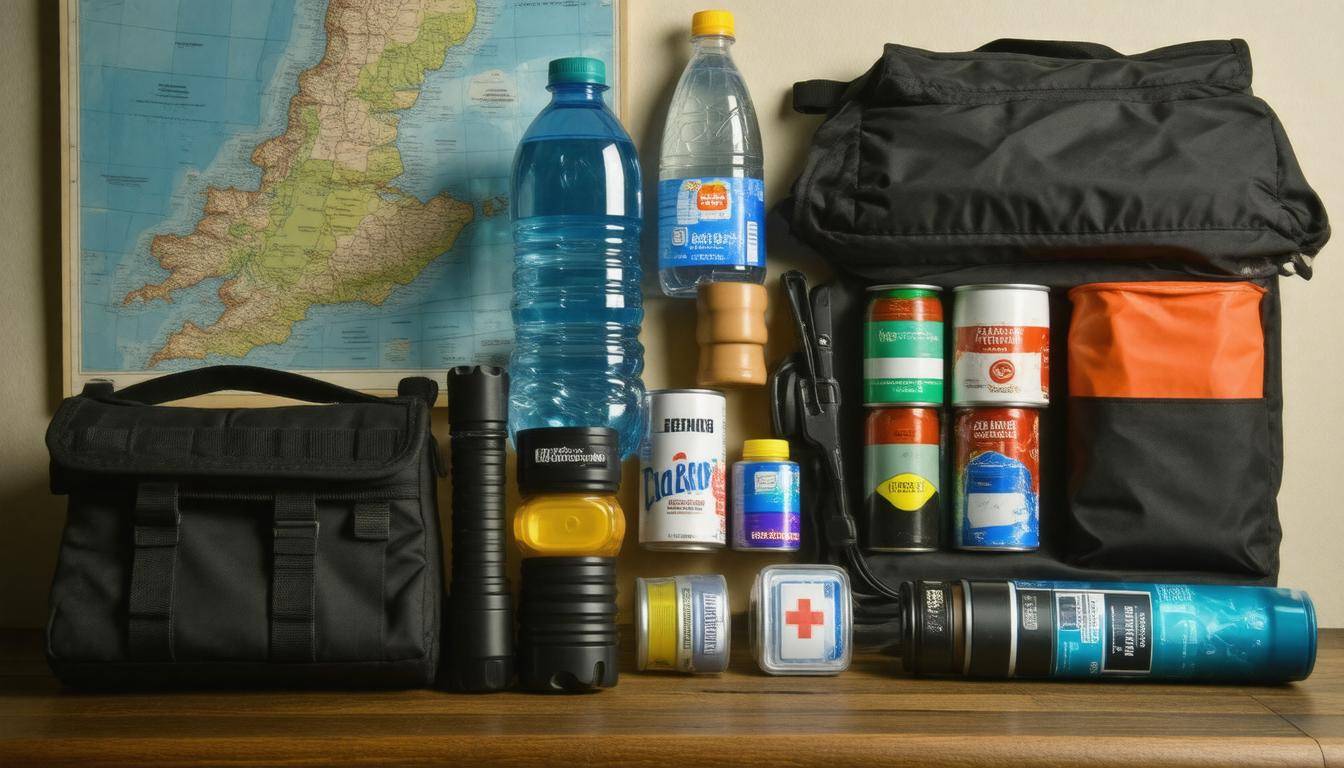
The process of finalizing your earthquake kit is both essential and practical. It’s about ensuring you have everything needed to stay safe and maintain your peace of mind during emergencies.
Begin by meticulously reviewing your checklist to confirm that all necessary items are included. This isn’t a one-time task; rather, it’s a commitment to your safety and well-being. For example, make sure you’ve got food and water provisions for at least three days, along with first aid supplies, sanitation items, and any medication your family may require.
One crucial element often overlooked is testing your electronic devices such as flashlights, radios, and battery-operated tools. These gadgets can prove invaluable during power outages or when communication is lacking. Therefore, regularly check their functionality—replace batteries as needed and ensure that everything operates smoothly.
Trust me, there’s nothing worse than reaching for a flashlight only to discover it’s out of power when you desperately need light.
“Having a checked but updated kit saved us so much stress during the last earthquake,” says Jane from Wellington. “It was the smartest investment in our safety.”
To keep your kit fresh and functional, adopt the habit of performing regular checks every six months. This practice allows you to rotate expired food supplies, refresh batteries, and add any new items based on changes in your family’s needs or advice from local emergency services. A well-maintained kit not only enhances safety but also fosters confidence in your preparedness.
Remember, none of us can predict when an earthquake will strike, but with a finalized kit tailored to our unique circumstances, we can be better equipped for whatever may come our way. Taking proactive steps builds resilience—making us not just reactive in a crisis but prepared to handle unforeseen challenges effectively.
In the face of uncertainty, knowing you’re ready can truly bring peace of mind. Stay safe and vigilant!