
When it comes to fire safety in the workplace, having fire extinguishers on hand isn’t enough; their placement can be a matter of life and death. Picture a scenario where a small flame bursts into chaos—would your team know where to find the nearest extinguisher quickly? The reality is that clear guidelines for positioning these devices are crucial for effective emergency response. Understanding the specific needs of your workspace can help you ensure every employee knows where to go when an emergency strikes. In this article, we will explore the essential placement strategies and safety regulations that can empower your workplace to tackle fire risks with confidence.
Key guidelines for placing fire extinguishers in the workplace include ensuring they are easily accessible within 75 feet of any point for Class A fires, positioning Class B extinguishers within 50 feet of flammable material areas, and mounting extinguishers at a height between 3.5 to 5 feet from the floor. Additionally, specialized extinguishers, like Class K for cooking oils, should be installed within 30 feet of the hazard, following appropriate safety regulations.
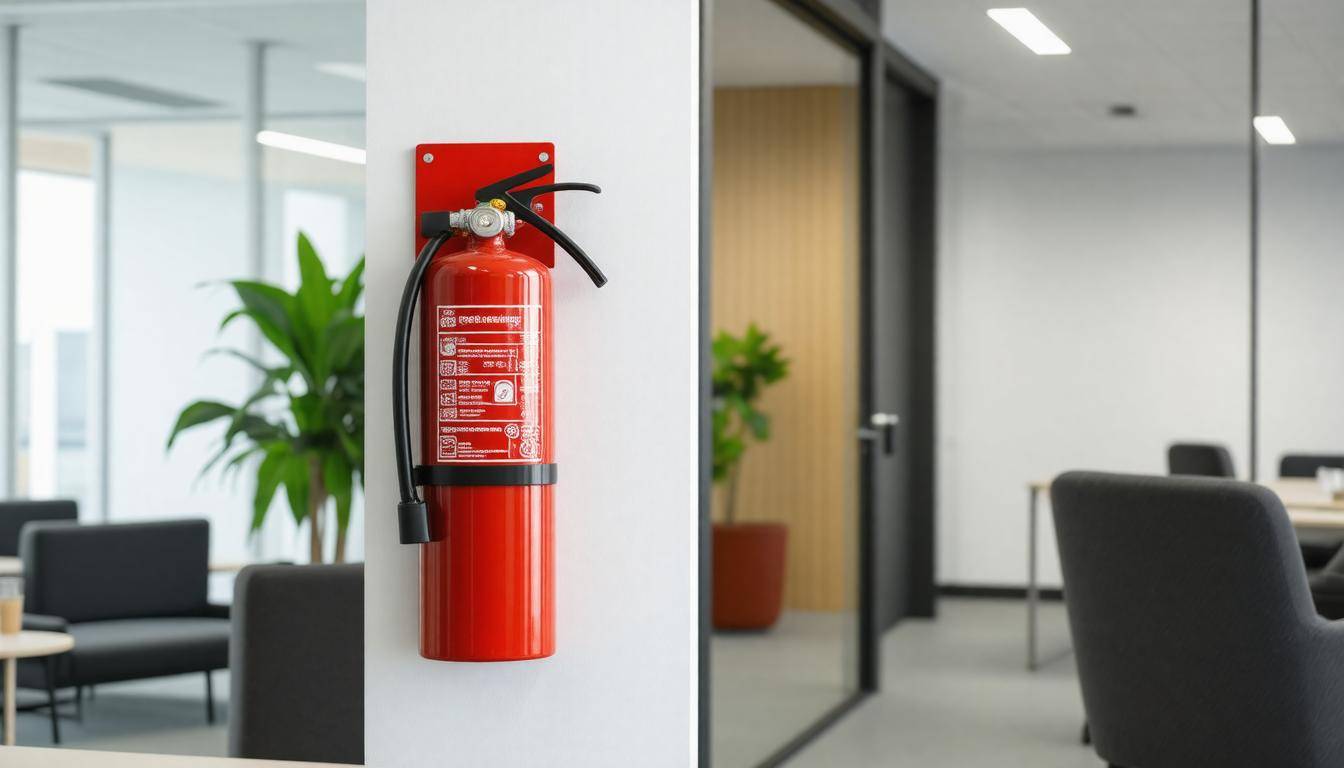
Locating Fire Extinguishers: A Workplace Guide
The key to effective fire safety lies not just in having fire extinguishers available, but in knowing where to place them for maximum efficiency. Imagine a chaotic situation where flames erupt; seconds can feel like hours, and having immediate access to the right tool can make all the difference. Proper placement of extinguishers ensures that when panic strikes, your team isn’t fumbling around in search of safety.
The Occupational Safety and Health Administration (OSHA) recommends that all workplaces keep extinguishers within a travel distance of 75 feet for Class A fires. These are fires fueled by ordinary combustible materials such as wood or paper—think desks and paper files in your office. However, it’s crucial to tailor this guidance to fit the unique characteristics of your space. In a bustling factory with flammable liquids, for example, you might need to ensure extinguishers are only 50 feet apart due to the heightened risks involved.
Placement Strategies Based on Fire Risks
Working environments vary significantly; developing a grasp on your specific hazards is vital. Class B fires, involving flammable liquids, require extinguishers positioned closer—generally no more than 50 feet away from any potential hazard. This might mean placing extinguishers strategically near high-risk areas such as storage rooms or kitchens where cooking oils could ignite.
Additionally, for facilities handling combustible metals, it’s essential to install Class D extinguishers no farther than 75 feet from these hazards. This simple action helps ensure that help is quickly accessible when dealing with these challenging fires.
Furthermore, if cooking oils are frequently used, don’t overlook Class K extinguishers: they should be installed within just 30 feet of any related fire risk areas. Fire safety isn’t a one-size-fits-all approach; assessing and adapting based on specific situations is fundamental to your workplace’s preparedness.
As you think about placement strategies, remember that visibility and accessibility are critical factors in ensuring proper usage during an emergency.
Enhancing Visibility and Access
Fire extinguishers must always be clearly visible and free from obstruction. Picture an employee facing a blazing fire while struggling to locate an obscured extinguisher behind furniture or equipment—this scenario could lead to perilous delays. It’s recommended that extinguishers be mounted at heights between 3.5 and 5 feet above ground level, making them easy to reach without hesitation yet also keeping them out of reach of small children.
Regular maintenance checks are not just important for functionality but also serve to reaffirm best practices among employees. Consider placing signs above each extinguisher that indicate its type and the classes of fires it can combat. This small adjustment instills confidence among workers regarding their ability to respond effectively when it matters most.
Finally, don’t underestimate the significance of training employees to understand these placements and what types of fire extinguishers correspond with different hazards in their environment.
Employee Training and Familiarization
Ensuring optimal placement is only half the battle; empowering employees through thorough training will solidify effective use during an emergency. Conduct regular drills that emphasize how and when to use fire extinguishers appropriately compared to simply evacuating the area. Stressing situational awareness can transform individuals into proactive responders rather than passive observers when faced with danger.
When every team member knows where the extinguishers are located and understands their function, the entire workplace becomes more resilient against potential fires.
Equipping staff with practical knowledge enhances safety measures and sets the stage for evaluating vulnerability points within the workspace.
Assessing Fire Risk Areas
Protecting a workplace from fire hazards begins with a thorough assessment of potential risks in various areas. Every inch of the workplace can pose unique challenges, from kitchens filled with flammable oils to server rooms packed with electrical equipment that could spark without warning. Each of these zones may harbor different types of fire hazards, which is why it’s essential to scrutinize every space meticulously.
Just consider how often we overlook simpler areas, like storage closets filled with old paper supplies or cramped utility spaces housing dusty machinery.
Understanding the specific fire hazards allows you to take appropriate action. For instance, when examining the kitchen, it becomes clear that Class K fire extinguishers are necessary due to the presence of cooking oils and fats that can ignite easily. In contrast, rooms housing electrical equipment, such as your servers, need Class C extinguishers readily available to combat fires stemming from malfunctioning equipment. Recognizing these distinctions helps ensure every area has the right level of protection, potentially saving lives and preventing extensive damage during a fire emergency.
Identifying Hazardous Zones
As you conduct this assessment, it’s crucial to look around and consciously identify zones with increased fire risks. Classify each area based on its primary activities, materials present, and any equipment in use. For example, kitchens should be treated as high-risk zones primarily due to cooking appliances; a well-placed Class K extinguisher within 30 feet of cooking equipment is not just good practice, but often a regulatory requirement (NFPA 10). Similarly, inspect electrical rooms or labs for flammable liquids; here, Class B extinguishers, designed to tackle liquid fires, must be within 50 feet.
It’s all about being proactive rather than reactive when it comes to fire safety.
Think of it this way: if you treat every identified risk like a puzzle piece in a larger picture, you start seeing how vital proper placement is in ensuring the quick accessibility of an extinguisher when the stakes are high.
Class-Specific Considerations
Based on the survey of your workplace, use the following class-specific guidelines to improve your strategic placement. Consider how certain classes can mobilize quickly against specific risks:
- Class A fires (ordinary combustibles): Think offices and restrooms where paper products are ubiquitous.
- Class B fires (flammable liquids): Laboratories may contain paints or chemicals needing immediate attention.
- Class C fires (electrical equipment): The server room houses many intricacies but needs adequate protection as well.
- Class D fires (combustible metals): Factories handling metals call for specialized extinguishing agents.
- Class K fires (cooking oils): Commercial kitchens are common environments requiring vigilant monitoring for flare-ups.
Consulting NFPA standards tailored to identified hazards can guide more accurate placement strategies throughout your workspace. By adhering to these guidelines while clearly marking locations with appropriate signage installed at eye level, you will enhance evacuation protocols and increase overall employee awareness regarding extinguisher availability.
Recognizing the importance of strategic extinguisher placement sets the stage for understanding best practices in installation. Exploring how to effectively mount these critical safety devices will further solidify your organization’s fire safety framework.
Guidelines for Mounting Extinguishers
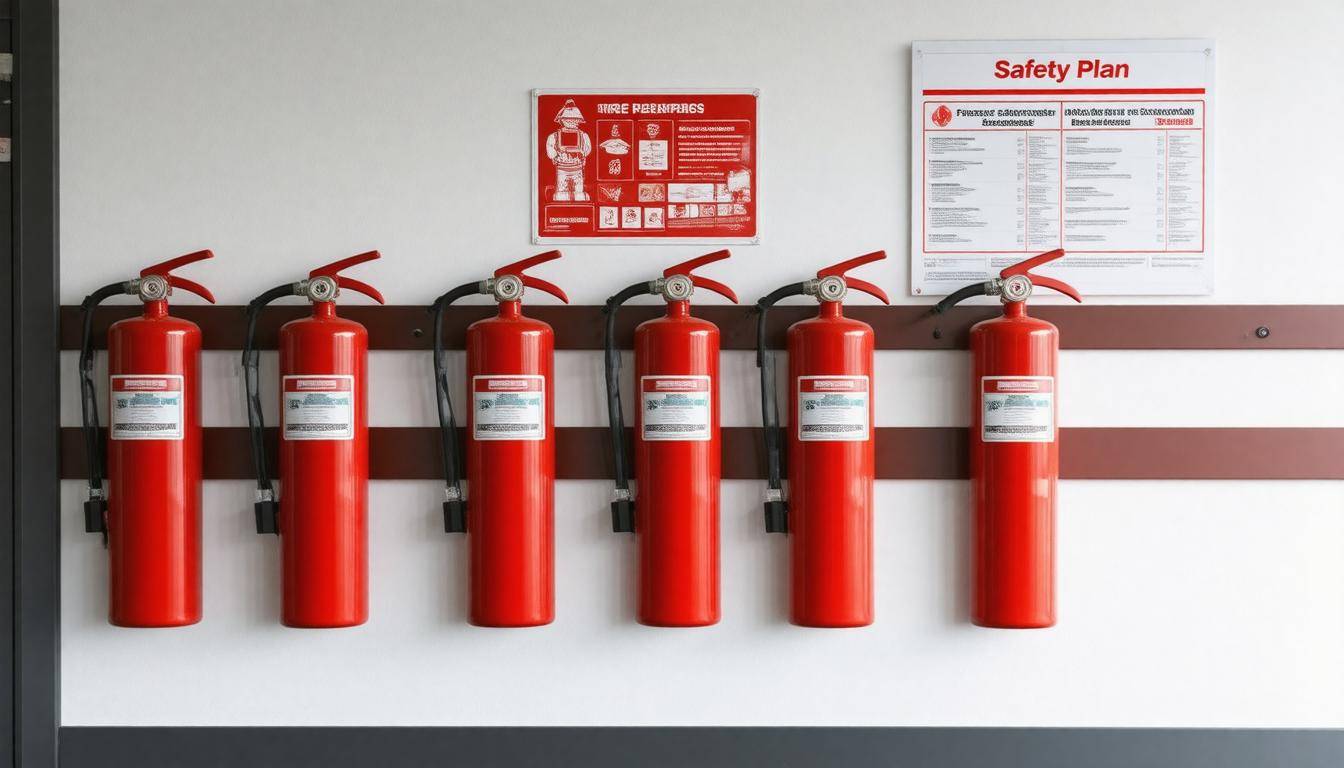
When it comes to mounting fire extinguishers, there’s more than just finding a convenient spot. It’s about ensuring they are readily accessible to those who need them most, quickly and efficiently. According to regulations, fire extinguishers should be mounted with their carrying handles positioned between 3.5 to 5 feet off the floor. This height is ideal as it places the extinguisher within easy reach for adults while also keeping them out of reach for small children. Imagine a scenario where every second counts; having an extinguisher easily within grasp can save invaluable time.
In addition to height, visibility plays a major role in the effective use of fire extinguishers. Each unit should be marked with clear signage indicating its location—think of this as a beacon guiding individuals during emergencies. You want people to instinctively know where to go when panic strikes. That said, don’t underestimate the impact of surrounding obstacles.
Just as firefighters need a clear path to do their jobs, employees require unobstructed access to these life-saving devices.
To ensure easy accessibility, fire extinguishers must be placed in visible locations that aren’t blocked by furniture or equipment. For example, avoid tucking extinguishers behind doors or cramming them into cabinets; rather, select locations along main hallways or near exits where they can be seen easily. The positioning should motivate quick action—not hinder it!
Placement Tips:
- Keep pathways clear: Ensure that no office chairs or other movable items can obstruct access.
- Install in high-traffic areas: The more people passing by an extinguisher, the better.
- Regularly reassess positions: As offices change over time, new furniture or layouts might require you to rethink your extinguisher placements.
Additionally, keep in mind that environments with specific hazards may require tailored approaches for placing extinguishers. For example, kitchens or areas storing combustible materials may necessitate additional units depending on local regulations and fire risk assessments. Similarly, heavy weights should not exceed specified heights; proving that regardless of situations, flexibility and thoughtfulness in positioning is paramount.
By adhering to these guidelines, you not only ensure compliance with regulations but also significantly enhance workplace safety. When every employee knows exactly where these devices are and how to use them properly, it fosters a proactive approach towards fire safety culture.
Ensuring Accessibility for Employees
For safety, having easy access to fire extinguishers is more than a recommendation—it’s a necessity. Not only should these vital tools be positioned within prescribed distances, but the routes leading to them must remain clear and unimpeded at all times. Imagine being in a situation where flames are rising, but the path to your nearest extinguisher is blocked by furniture or equipment; that could make the difference between controlling a fire and it becoming a disaster.
OSHA regulations highlight that no employee should have to travel more than 75 feet to reach a Class A extinguisher, with this distance reduced for higher-risk Class B fires to just 50 feet. This concept emphasizes that close proximity isn’t merely about convenience—it’s about ensuring that employees can act swiftly when every moment matters.
Clear Pathways and Signage
Keeping pathways clear of clutter is essential for facilitating rapid access during emergencies. Regularly scheduled inspections of the workplace layout will help prevent unnecessary obstacles from accumulating over time. It’s wise to visualize walking through your workspace—if you can easily navigate to the extinguisher without tripping over objects, you’re on the right track.
Appropriately placed signage not only guides employees toward extinguishers but also reinforces their importance in the overall safety plan. Signs should be visible, brightly colored, and ideally illuminated if possible, particularly in larger facilities where visibility can be compromised.
Moreover, ensure extinguishers are mounted at a height where they can be reached comfortably—between 3.5 to 5 feet from the ground—and that these locations are communicated clearly across training sessions. Employee knowledge of these placements will enhance confidence and organization in case of emergencies, while laying out clear pathways can eliminate confusion too.
Accessibility isn’t just about placement—it’s an ongoing commitment to maintaining safety standards in the workplace. By ensuring clear access routes and adequate signage, companies actively engage employees in their own protection while reinforcing a culture of readiness and awareness.
Understanding the importance of these regulations sets the stage for deeper exploration into established safety codes governing fire protection systems within workplaces.
Compliance with NFPA Codes
Adhering to the National Fire Protection Association (NFPA) codes is essential not just for legal compliance but also as a foundation for ensuring fire safety within any organization. These codes set clear guidelines that can help prevent fire incidents and equip employees to handle emergencies effectively. For example, NFPA 10 outlines the standards for portable fire extinguishers, which include specifications on their placement, types based on fire classes, and protocols for regular maintenance. This comprehensive approach means that every detail counts—getting it right can save lives and protect property.
One significant aspect of compliance revolves around placement guidelines. According to NFPA regulations, fire extinguishers should be accessible within a maximum distance of 75 feet from any area where flammable materials are present. This means that if you have storage areas or places where chemicals are kept, having your extinguishers nearby can make all the difference in an emergency situation. It’s not solely about ticking boxes; it’s about strategic planning to ensure all employees know where these vital devices are.
“Safety isn’t just a policy—it’s a culture,” says Bob, a safety consultant. “Creating the right environment starts with understanding and implementing NFPA standards.”
Benefits of Compliance
The advantages of following these codes extend far beyond merely avoiding penalties; they significantly enhance overall workplace safety.
Compliance with NFPA codes brings multifold benefits, chief among them being increased safety and reduced risk of catastrophic events. Many safety officers attest to improved readiness because regular adherence ensures that all equipment is functional and accessible when needed. One notable testimonial comes from Helen at SafetyFirst Inc., who states, “Complying with NFPA codes has provided immense peace of mind. I know we’re prepared if a fire breaks out.” Such endorsements highlight the fundamental connection between strict adherence to safety standards and improved preparedness.
Moreover, another advantage of sticking to these protocols is fostering a culture of safety among employees. When companies prioritize compliance openly and visibly, they signal to everyone involved that safety is not an afterthought but a primary concern. Regular training sessions based on NFPA guidelines create awareness and confidence among staff members about responding adequately during dire circumstances.
By creating protocols and maintaining compliance, organizations demonstrate responsibility—not only to their employees but also to clients and stakeholders.
Maintaining compliance isn’t merely a one-off task; it’s an ongoing commitment to the well-being of everyone involved in your workplace. Regular reviews and updates based on new amendments—such as those suggested by local authorities like the Massachusetts Comprehensive Fire Safety Code—mean staying informed about best practices can significantly impact safety outcomes over time.
As we explore further, understanding how to maintain and operate these critical systems effectively will be vital in ensuring continued safety in your organization.
Maintenance and Operating Protocols
Regular maintenance is essential for ensuring the operability of fire extinguishers and confirming their effectiveness when needed. Just think of it like taking care of your car; you wouldn’t wait for a problem to arise before checking the oil, right? The same principle applies to fire extinguishers. They must be routinely maintained to ensure they can do their job when the heat is on—literally!
Routine Inspections
Monthly visual inspections are key in this process. During these inspections, check several critical components:
- The pressure gauge should be in the green zone, indicating adequate pressure.
- Inspect the sealing pin to confirm it is intact.
- Evaluate the overall condition of the extinguisher for any dents, rust, or leakage.
These small checks can reveal serious underlying issues before they become problematic. Did you know that according to OSHA regulations, specifically 29 CFR 1910.157(c)(4), portable fire extinguishers are required to be inspected monthly and undergo annual maintenance checks? This isn’t just a recommendation; it’s a regulation.
Our current statistics uncover a surprising fact: Over 8,000 restaurant fires occur each year in the U.S., leading to millions of dollars in damages. Performing these routine inspections could drastically reduce those numbers by ensuring extinguishers are truly functional when needed.
Usage Training
Beyond just having them inspected, employees should also be educated on how to use these extinguishers correctly. This goes beyond mere awareness; thorough training is imperative. Imagine a fire breaks out, and you’ve got seconds to react! Employees need to be familiar with operating protocols using the widely recognized PASS method:
- Pull the pin.
- Aim the nozzle at the base of the fire.
- Squeeze the handle to release foam.
- Sweep side to side at the base of the flames.
Regular training sessions not only arm your staff with knowledge but cultivate confidence when using extinguishers during emergencies. After all, what good is an extinguisher if no one knows how to operate it?
Maintain your equipment regularly and train your employees effectively—this duo acts as a robust safety net that could save lives, property, and finances down the line. Establishing these solid practices creates a culture of preparedness. In emergency situations, being prepared can make all the difference.
With maintenance solidified and training established, it’s crucial to understand how many extinguishers are necessary for each environment to ensure optimal safety measures are in place.
Determining the Number of Extinguishers Needed
The process of deciding how many fire extinguishers your workplace requires can seem daunting, but it’s vital for ensuring safety. The National Fire Protection Association (NFPA) provides guidelines that simplify this task, recommending one 2-A rated extinguisher for every 3,000 square feet. This serves as a solid starting point, but your specific circumstances may call for adjustments.
Calculating Requirements
Start by examining your floor plan and identifying areas with varying degrees of fire risk. For ordinary combustibles like paper and wood, the NFPA’s standard works well. However, if you’re managing a high-risk area—such as a kitchen—with potential Class K hazards from cooking oils, you may need to install extinguishers specifically designed for these materials within 30 feet of the hazards.
Let’s say your workplace is a spacious 12,000 square-foot office. According to the NFPA guidelines, you’d require at least four 2-A extinguishers. But remember: it isn’t just about meeting the minimum; certain high-risk sections or departments warrant extra attention. That nicely organized office might have rooms with equipment that generate flammable vapors, requiring additional extinguishers nearby to ensure rapid access in case of an emergency.
This careful assessment leads us into a deeper discussion about precisely what you need for your space’s unique layout and hazards.
While adhering to NFPA standards is essential for compliance, don’t let it constrain your decision-making. Comprehensive coverage might mean deploying more extinguishers than the bare minimum suggests. Think of how employees will move through the space; ensure they can easily reach an extinguisher within required travel distances—75 feet for Class A fires and 50 feet for Class B situations.
In some cases, high-hazard locations such as storage rooms or laboratory environments will require more frequent placements for fire protection. Establishing clear pathways with visible signage pointing to extinguisher locations could also save precious time if an emergency arises.
Over time, get feedback from employees regarding the adequacy of extinguisher placement during safety drills. This way, you can continually refine and adjust your fire safety strategy based on real-world experiences rather than just regulations alone.
As we explore further into the realm of fire safety, it’s crucial to equip employees with the knowledge needed to respond swiftly and effectively in emergencies.
Employee Training and Safety Drills
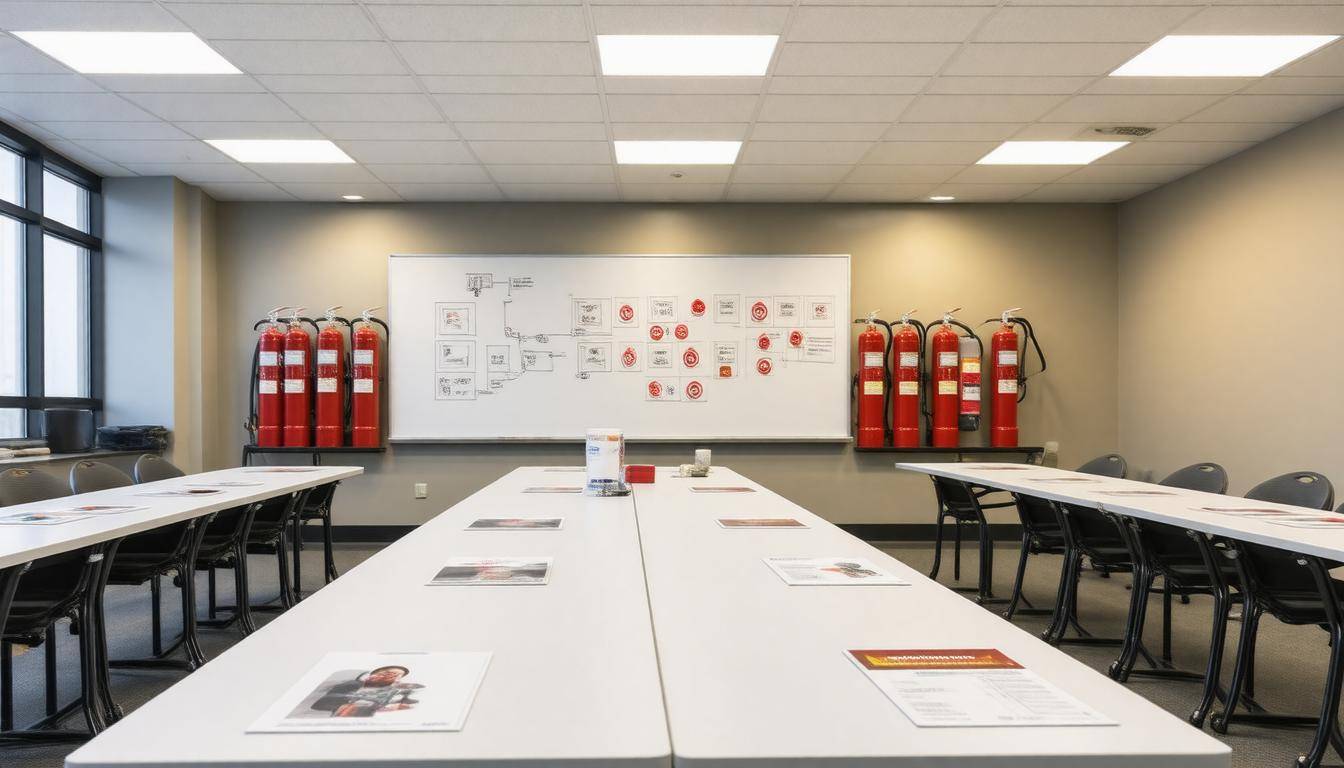
Employee training and safety drills form the backbone of an effective fire safety strategy within any organization. It’s not simply about prevention; it’s about creating a responsive culture where everyone knows their role in an emergency. When employees are well-informed, they are less likely to panic during critical situations, allowing for smoother operations and swift reactions.
Regular Training Sessions
Implementing regular training sessions is vital for familiarizing employees with emergency procedures. A simple but effective method is teaching the PASS technique: Pull, Aim, Squeeze, Sweep. This technique provides a straightforward approach to using a fire extinguisher successfully. However, theory alone won’t cut it. Hands-on demonstrations should be integrated into these sessions. Witnessing the equipment in action fosters confidence and allows employees to practice using them under supervision.
Having a clear understanding of protocols can mean the difference between chaos and control in an emergency situation.
Conducting Safety Drills
In tandem with training sessions, scheduling periodic fire drills is essential for reinforcing learned concepts. These drills should simulate various fire scenarios to prepare employees for different types of emergencies they might encounter, whether it be an electrical fire or a hazardous material incident. Engaging in drill practice not only helps reinforce training but also assesses the effectiveness of evacuation plans. Employees will learn how to navigate exits while understanding the importance of remaining calm. Encourage them to identify potential hazards as they discuss exit routes.
Jane from ACME Corp. shared, “Our fire drill exposed critical gaps in our preparedness, but we rectified them swiftly, enhancing overall safety.” This anecdote reinforces how proactive measures—like conducting drills—uncover weaknesses that can be addressed before a real emergency occurs.
Ultimately, establishing a routine of ongoing education and practice creates a culture of safety within the workplace. This system engages everyone from management down to entry-level workers, fostering teamwork and cooperation during drills and actual emergencies alike. Moreover, maintaining records of training sessions aligns with Cal/OSHA guidelines, ensuring compliance until the current COVID-19 directives expire on February 3, 2025.
By implementing thoughtful training strategies and practicing regularly through drills, companies enhance their preparedness significantly while making strides toward creating a responsible work environment focused on safety first.
In summary, prioritizing employee training and safety drills equips everyone with the knowledge required to handle emergencies effectively. By fostering this culture of preparedness, organizations can protect their most valuable asset—their people.
How often should fire extinguisher placements be evaluated and updated?
Fire extinguisher placements should be evaluated and updated at least annually, as well as whenever there are changes in the workplace environment or layout. Regular reviews ensure compliance with safety regulations and help to identify potential hazards that could arise from new equipment or shifts in employee behavior. According to the National Fire Protection Association (NFPA), over 50% of all fires occur in workplaces, highlighting the critical importance of maintaining accessible and effective fire safety equipment for prompt response during an emergency.
Are there specific types of fire extinguishers required for different areas or hazards in the workplace?
Yes, specific types of fire extinguishers are required for different areas or hazards in the workplace. For example, Class A extinguishers are suitable for ordinary combustibles like paper and wood, while Class B extinguishers are necessary for flammable liquids such as oils and gasoline. Having the appropriate type is critical; statistics show that the right extinguisher can increase the chances of successfully fighting a fire by up to 80%. Compliance with these regulations not only enhances safety but also meets legal obligations in many jurisdictions.
What legal regulations govern fire extinguisher placement in commercial buildings?
In commercial buildings, fire extinguisher placement is primarily governed by the National Fire Protection Association (NFPA) guidelines, specifically NFPA 10, which outlines requirements for selection, installation, and maintenance of extinguishers. These regulations stipulate that extinguishers must be located within a distance of 75 feet from any point in a commercial occupancy, ensuring quick access in emergencies. Additionally, local building codes may further refine these requirements, often mandating signage and visibility to enhance safety. It’s worth noting that proper placement can significantly decrease response time during fires, potentially reducing property damage and increasing the chances of injury prevention.
What are the recommended distances between fire extinguishers in a workplace?
In a workplace, fire extinguishers should generally be placed no more than 75 feet away from any point of potential fire risk, according to the National Fire Protection Association (NFPA) guidelines. This distance ensures quick access during emergencies, as statistics show that many workplace fires can spread rapidly; immediate availability of fire extinguishers can significantly reduce response time and minimize damage. For Class A fires, which make up approximately 80% of all fires, this guideline is crucial for maintaining safety and compliance within the workplace.
How do I determine the best locations for fire extinguishers based on my workplace layout?
To determine the best locations for fire extinguishers in your workplace, you should conduct a thorough risk assessment of your layout, ensuring that extinguishers are situated within 75 feet of any point in high-risk areas, such as kitchens or storage rooms. According to the National Fire Protection Association (NFPA), strategically placing extinguishers near exits and along escape routes enhances accessibility during emergencies. Consider factors like potential fire hazards, employee accessibility, and visibility; this combination increases safety and compliance with regulations while allowing for quick response times in case of a fire incident.