
The Yangtze River is not just a beautiful natural wonder; it’s a crucial lifeline for millions of people in China. However, with that beauty comes a significant threat—flooding. Imagine relying on a river for your livelihood, only to watch it rise unexpectedly and threaten everything you hold dear. Floods can devastate homes, farmland, and communities, leaving lasting scars on both the landscape and the people. This article explores essential strategies to protect against the devastating floods that have frequented the Yangtze River, diving into historical contexts, government initiatives, and community efforts that work together to keep residents safe. Understanding these measures is vital as we navigate the ongoing battle between human settlements and nature’s unpredictable fury.
The essentials of flood protection for the Yangtze River include a combination of infrastructure such as levees and dams, effective watershed management, and early warning systems to monitor weather conditions. Additionally, engaging local communities in disaster preparedness and implementing sustainable land use practices are crucial to minimizing the impact of flooding in this vital region.

Historical Context of Yangtze River Floods
The Yangtze River has long been a crucial part of Chinese civilization, but its beauty comes with an unpredictable and dangerous temperament. Over the years, this mighty river has wrought havoc on communities along its banks, leaving behind stories that resonate with the heart of China’s history. Major flooding events have caused loss of life and deeply affected agricultural practices and settlements, tying human existence to nature’s fury.
Take, for instance, the catastrophic 1931 Yangtze-Huai River floods, often remembered as one of the deadliest natural disasters in recorded history. Estimates suggest that up to 4 million lives were lost during these floods—a staggering figure that reflects the magnitude of devastation faced by millions. The intensity of these floods was driven by a toxic mix of heavy seasonal rainfall, unseasonably warm weather leading to rapid snowmelt, and the disruption caused by storm surges from the East China Sea.
This combination creates a perfect storm, intensifying the volume of water rushing down towards vulnerable lowlands.
Beyond just heavy rains and melting snow, other natural phenomena have also played a part. Occasional landslides in the upper basin can lead to sudden blockages or contribute debris into the river, creating additional pressures on already overloaded water channels. Such landslides are often triggered by heavy rainfall or seismic activity in the mountainous areas surrounding the Yangtze.
Furthermore, human activity has not been innocent in this tale. Urbanization along the river has increased runoff and altered natural water flow patterns. This rapid development often aims to harness the potential of the Yangtze for economic gain without regard for sustainability and disaster preparedness. History teaches us that neglecting these factors can lead to repeated tragedies.
Grasping this historical context serves as a vital foundation for understanding how modern intervention strategies must evolve. Using lessons from the past allows us to better confront current challenges and adapt for the future.
Government Flood Control Initiatives
The measures taken by the Chinese government extend far beyond mere policy; they manifest as tangible projects that have greatly reduced flood risks in communities situated along the Yangtze River. One of the most significant initiatives is the construction of dams and reservoirs, vital for managing and regulating water flow during periods of heavy rainfall. Dams not only divert excess water but also store it, releasing it slowly to prevent downstream flooding. For instance, the Three Gorges Dam has played a critical role in mitigating flooding since its completion, illustrating how these structures can act as large-scale buffers against natural disasters.
In fact, over the past twenty years, approximately $90 billion has been invested by the Chinese government into flood control efforts. This investment has created essential infrastructures, including levees, flood walls, and early-warning systems designed to monitor water levels and predict flood events. Regular maintenance and upgrades of these structures are fundamental—without upkeep, even the best-designed flood defense systems can fall short when put to the test.
However, infrastructure alone isn’t enough to tackle the challenges posed by rapid urbanization and climate change.
The government’s focus on community engagement and education is equally important. Educational programs teach residents how to respond in case of a flood emergency and foster a sense of communal responsibility for keeping local waterways clean and free from pollutants that exacerbate flooding. Community drills simulate real-life scenarios so that people are prepared to evacuate efficiently if necessary. The combination of awareness campaigns with local involvement ensures residents feel empowered during crises rather than helpless.
Additionally, through integrated management strategies based on the NFCDRCS framework, resources are effectively pooled from various governmental levels. This collaboration allows for quick responses both during emergencies and in regular assessment periods when policymakers can fine-tune their approaches based on data collected from previous flood seasons. Continued analysis leads to refined engineering and planning methods geared towards long-term resilience against complications from climate change.
These multi-faceted initiatives highlight not just a commitment to immediate safety but also establish frameworks that lead to sustainable development for future generations along this vital river.
As we continue exploring this subject, attention shifts towards notable construction endeavors that significantly enhance flood management capabilities in this region.
Key Infrastructure Projects and Dams
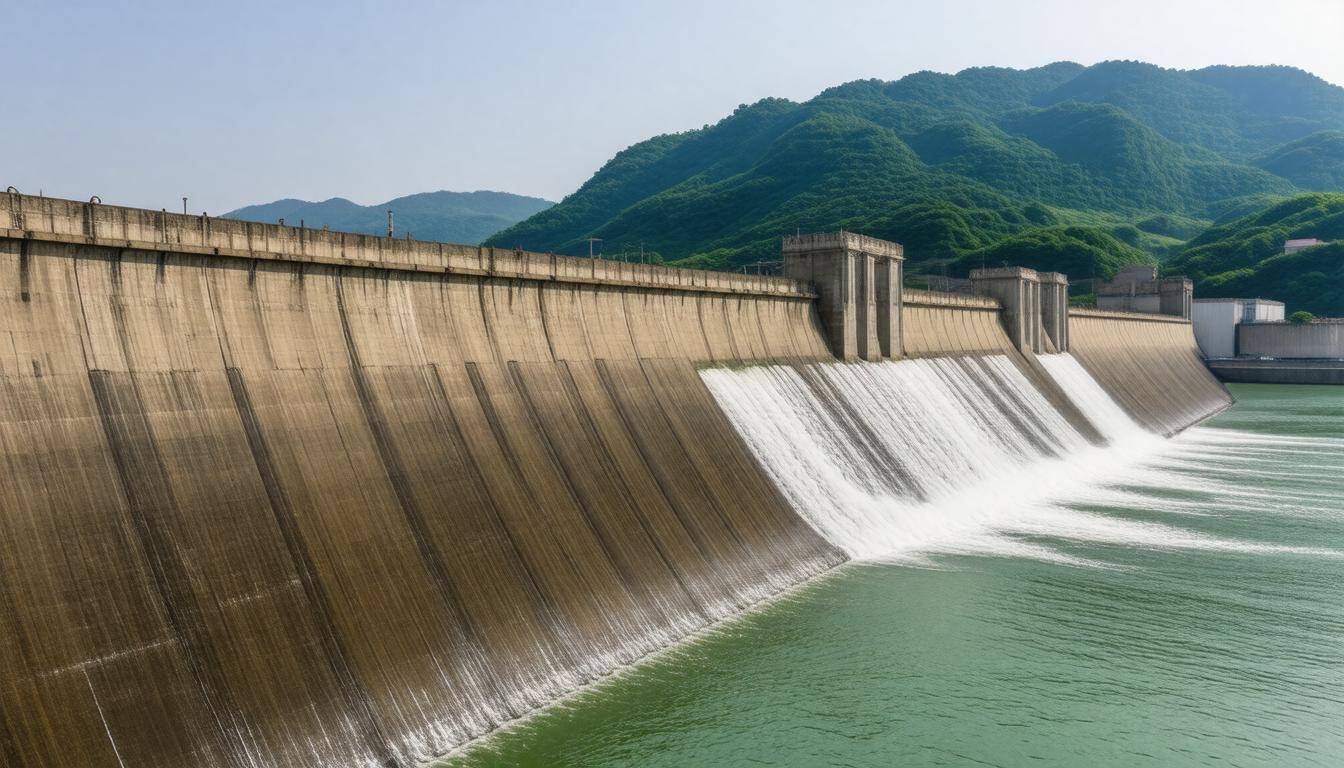
Among the most impactful projects along the Yangtze River are monumental dams like the Three Gorges Dam and the Gezhouba Dam. These structures are designed not only for hydroelectric power generation but primarily serve to manage and control flooding, an essential task in a region known for its heavy rainfall. The sheer scale of these projects reflects both technological advancements and the urgent necessity of protecting communities living along the riverbanks.
Three Gorges Dam
Completed in 2012, the Three Gorges Dam holds the title of the world’s largest power station when considering its installed capacity, which stands at an astonishing 22,500 megawatts (MW). However, its primary function extends beyond energy production; it plays a critical role in flood control as well. At full capacity, this engineering marvel can retain roughly 22 cubic kilometers of water—an impressive feat that drastically mitigates downstream flood risks by effectively managing water discharge during peak flow periods.
For instance, during the devastating floods of 2020, the river’s reservoir saw its water level surge nearly 10 meters above cautionary thresholds. Thanks to the dam’s structured water management protocols, it prevented catastrophic flooding from reaching populous areas downstream, a scenario that could have had disastrous consequences. This showcases how technological innovation is being harnessed to craft effective solutions for natural challenges.
While the Three Gorges Dam is monumental in size and impact, other significant projects also contribute to comprehensive flood management strategies along the Yangtze.
Gezhouba Dam
Another pivotal contributor to flood control is the Gezhouba Dam. Finished in 1988, this structure works in conjunction with the Three Gorges Dam to enhance overall protection against flooding. By utilizing controlled water releases and supporting upstream drainage efforts, it emphasizes coordination between various strategic projects along the river. Ensuring these reservoirs operate smoothly involves meticulous scheduling and timely monitoring—critical factors that help maintain both their operational integrity and effectiveness against floods.
Moreover, these infrastructure projects exemplify a paradigm shift toward sustainable development in China. As climate change continues to present formidable challenges, having robust systems like these in place becomes increasingly crucial. Understanding how each dam functions within a larger network enables us to appreciate not just their individual contributions but also their cumulative effects on safeguarding communities from flood disasters.
As we look at these essential management techniques, it’s vital to explore additional innovative approaches that can further strengthen flood prevention along one of Asia’s most vital waterways.
Advanced Technologies in Flood Management
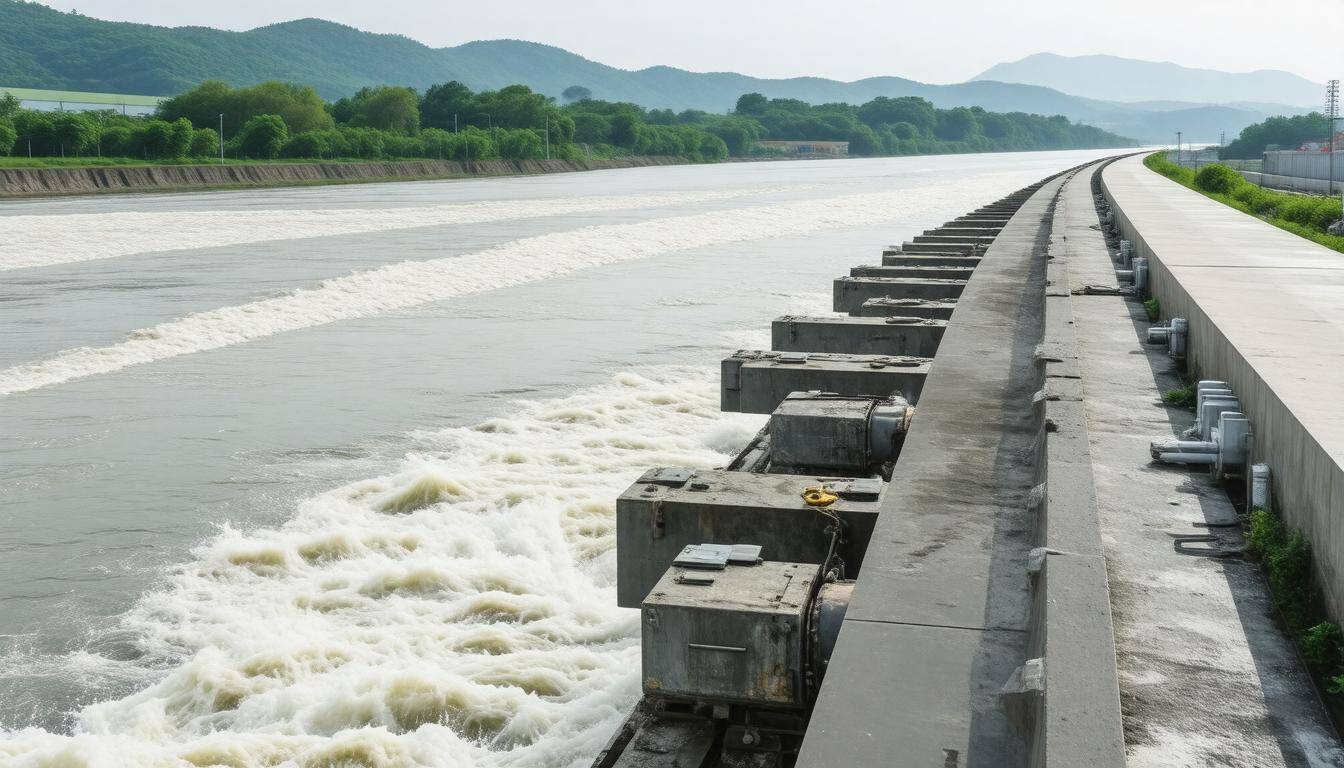
Technological advancements are revolutionizing the way we approach flood management. With tools like satellite imaging and sophisticated artificial intelligence (AI) systems, we can analyze and respond to flood risks more efficiently than ever before. These innovations significantly impact how authorities predict, prepare for, and react to floods.
Remote Sensing and GIS
At the heart of modern flood management are remote sensing technologies that provide real-time data about changing weather patterns and rising water levels. This technology collects vast amounts of data from satellites orbiting the earth, giving us insight into atmospheric conditions affecting potential flooding. Additionally, Geographic Information Systems (GIS) play a crucial role by mapping out flood-prone areas. They analyze historical data to identify regions that have frequently experienced floods, allowing authorities to implement targeted interventions tailored to specific areas.
Imagine being able to visualize where a flood might occur before it happens. That’s the power of remote sensing combined with GIS – spotting trends and patterns that help save lives and property.
In recent years, drones equipped with LiDAR (Light Detection and Ranging) technology have become indispensable for monitoring levees and riverbanks. These drones capture high-resolution images that reveal any weaknesses or potential failures early on. Studies indicate that employing such technologies can reduce response times for flood risk assessments by as much as 50%. That means quicker decisions can be made, making all the difference when lives are at stake.
Furthermore, advanced technologies are integral to automated early warning systems that alert communities of impending flood threats.
Early Warning Systems
Advanced warning systems leverage big data analytics powered by machine learning algorithms. These systems analyze real-time weather data alongside historical flood patterns to forecast potential flood events more accurately. When certain thresholds are reached—be it rainfall intensity, river level increases, or other indicators—the system promptly sends alerts to relevant stakeholders.
Why is this Important?
The efficiency of these early warning systems can significantly mitigate damage. Communities receive timely alerts and can take precautionary measures—evacuations can be ordered, emergency services prepared, and community resources mobilized long before a flood strikes. Through predictive modeling, authorities can simulate various scenarios dealing with their respective outcomes—enabling them to optimize their preparedness strategies based on different possible occurrences.
In essence, advanced technologies do not just compile data; they empower communities by translating complex information into actionable steps toward safety and prevention.
By integrating these cutting-edge tools into flood management systems, we enhance our ability to respond while creating safer environments for urban and rural populations alike. As we continue exploring this landscape of innovation, the next focus transitions towards more intelligent systems capable of providing early warnings for disaster preparedness.
Smart Systems for Early Warning
The implementation of smart systems for early warning has become increasingly essential in flood preparedness, particularly in vulnerable areas like the Yangtze River Basin. These systems are designed to provide advanced data analysis and enhance situational awareness, allowing communities to react swiftly when threats are detected. One prime example is the integration of Internet of Things (IoT) technology. Sensors installed along riverbanks can continuously monitor water flow, rainfall, and even soil saturation levels. By collecting this data in real time, these systems empower authorities with actionable information.
Let’s explore how these smart systems operate and their impact on safety. IoT sensors are just one piece of the puzzle; they work in conjunction with advanced algorithms that analyze trends and anomalies. For instance, if rising water levels are detected alongside heavy rainfall upstream, the system can automatically issue alerts to local authorities and citizens through mobile notifications or sirens. This instant communication is crucial during critical moments when every second counts.
What sets these smart systems apart is their predictive capability. The Yangtze River Flood Control and Drought Relief Headquarters not only monitors current conditions but also utilizes historical data to identify patterns indicating potential flooding risks. This proactive approach enables them to forecast events with greater precision.
The success stories surrounding these systems speak volumes about their effectiveness. In 2023, when an impending flood was forecasted for the Yangtze River, timely warnings led to evacuations that significantly reduced loss of life. Residents received alerts via SMS and social media platforms, demonstrating how integrated technology brings communities closer in times of crisis.
While it is remarkable what technology can accomplish, it’s equally important to emphasize that these smart systems require community engagement and education to make a meaningful impact on flood prevention efforts. Moving forward, we will explore additional measures at the grassroots level that can fortify resilience against flooding events.
Community-Level Prevention Measures
Local communities are the first line of defense when it comes to preventing and mitigating floods. When community members band together, they can implement proactive measures that greatly enhance safety and preparedness.
One major focus should be regularly cleaning drainage systems; blocked drains are notorious for contributing to flooding. After heavy rains, organizing clean-up days can ensure that debris does not obstruct water flow, allowing rainwater to drain away quickly.
By establishing local emergency response teams, communities can equip themselves with the skills needed to respond effectively in case of a flood. Such teams can include volunteers from various backgrounds, trained in first aid, rescue techniques, and flood response protocols. These individuals serve as vital links between their neighborhoods and official disaster response services.
Additionally, conducting community drills to prepare for potential evacuations helps coordinate efforts during emergencies and ensures everyone knows their role when the time comes. Regular drills allow families to familiarize themselves with evacuation routes, encouraging an instinctual response during a crisis. This preparedness bolsters calmness amidst chaos.
For communities located in high-risk flood zones, it’s wise to update local flood maps frequently. By tracking changes in river levels, rainfall patterns, and land use over time, these maps help residents stay informed about potential risks and adaptations necessary for safeguarding their homes.
Building Small-Scale Flood Barriers
Building small-scale levees and flood barriers enables local communities to contain rising waters effectively. Neighborhoods can rally together, pooling resources and labor to construct protective measures around communal areas or critical infrastructure.
In Chongqing, for example, grassroots initiatives led to the creation of neighborhood-based flood barriers that successfully mitigated damage during minor flooding events. These tangible projects empower residents while instilling a sense of ownership over local safety efforts.
Effective community-level initiative ideas include:
- Organizing workshops on sustainable landscaping practices that minimize erosion and promote water absorption.
- Formulating partnerships with local government agencies for funding small-scale protective infrastructure.
- Engaging schools to teach children about flood safety through educational programs.
- Creating resource-sharing networks within communities where tools and expertise are exchanged freely for shared goals.
Each step taken towards improving community-level flood prevention measures contributes significantly toward enhancing overall safety and resilience against future floods. The focus on collective action not only strengthens local defenses but also fosters a spirit of collaboration that empowers all involved as we explore available tools and strategies to implement at the grassroots level.
Local Actions and Resources
Local actions are not just about quick reactions; they require careful planning and collaboration among community members. Schools, community centers, and local businesses can turn into vital hubs for resource distribution, offering immediate support during crises. A well-organized community will have established protocols to ensure that every person knows their role in the event of a flood. This might include knowing where to find emergency supplies or understanding whom to contact for assistance.
Establishing local resource pools is crucial for providing immediate relief during flooding events. Communities should collectively manage supplies such as sandbags, inflatable boats, medical kits, and food essentials. Imagine a scenario where families feel safe because they know exactly where to go for help, while volunteers stand ready to assist them. Having these resources pooled not only improves logistical efficiency but also fosters a strong sense of community.
During the 2020 floods in Wuhan, local businesses came together remarkably. They managed to produce nearly 500,000 sandbags in less than 24 hours, demonstrating just how effective collaborative action can be in crisis situations.
Creating awareness of these available resources through social media channels or local meetings is equally essential. People need information not only on where to access these resources but also on how to utilize them effectively. For instance, educational workshops can teach residents how to fill sandbags properly or how to use inflatable boats safely.
Almost everyone has a humorous story about trying to grab supplies during an emergency—like the time Aunt Li showed up at the community center with water bottles…and her famous spicy dumplings!
As we explore advancements in strategies designed to further enhance safety and preparedness against flooding, it’s evident that fostering proactive participation within communities will play a central role in shaping more resilient environments.
Future Directions in Flood Protection Strategies
As we look forward to flood protection along the Yangtze River, one theme emerges: sustainability. Future flood protection strategies will likely focus on sustainable and adaptive approaches that can cope with our shifting climatic patterns. In recent years, the conversation has shifted significantly towards finding solutions that harmonize human needs with environmental health.
This brings us to a pressing question: should we invest more in hard infrastructure like dams or prioritize natural solutions such as wetland restoration? Each option has its merits and challenges, sparking ongoing debate among professionals and community members alike. A balanced approach that incorporates both might just provide the most effective long-term protection against flooding.
Continued research plays a critical role in this equation. By examining climate change scenarios, we can design adaptive infrastructure capable of withstanding extreme weather events. Imagine levees and flood barriers constructed from innovative materials designed to endure nature’s wrath—they are not just concepts but emerging realities thanks to advancements in materials science.
| Future Strategies | Pros | Cons |
|---|---|---|
| More Dams | High immediate flood control | Expensive, potential environmental impact |
| Wetland Restoration | Ecologically beneficial, cost-effective | Slower to implement, less immediate effect |
| Adaptive Infrastructure | Future-proof, resilient | Requires advanced technology, high initial cost |
Integrating these strategies with community programs and cutting-edge technologies could truly revolutionize how we manage floods along the Yangtze River. For instance, involving local populations in wetland restoration not only helps the environment but also fosters a sense of ownership and responsibility within communities. Meanwhile, employing real-time data monitoring through advances in technology can offer timely insights into river conditions and enhance overall safety.
In looking ahead, embracing a multifaceted strategy that blends established practices with innovative techniques may well be our best bet for safeguarding not just the riverbanks but also the lives intertwined with this vital waterway.
Furthermore, implementing these diverse strategies requires collaborative effort and continuous evaluation to ensure effectiveness amid changing environmental conditions. The future of flood protection is not solely about preventing water overflow; it’s about creating resilient ecosystems that benefit both people and nature.