
Emergencies can strike when we least expect them, especially in industrial settings where the stakes are high. Imagine a scenario where chaos erupts around you: machinery malfunctions, a fire breaks out, or hazardous materials spill. How prepared are you to handle it? The answer lies in having a well-equipped Stuttgart Industrial Disaster Response Kit at your disposal. This kit isn’t just a collection of safety tools; it’s your frontline defense designed specifically for swift action during accidents. In this article, we’ll explore the essential components of the kit that ensure you’re ready to respond effectively whenever the unexpected occurs. Let’s dive in and find out how to keep your workplace safe and secure!
A Stuttgart Industrial Disaster Response Kit should ideally include personal protective equipment (PPE), first aid supplies, fire extinguishers, spill containment materials, and emergency communication devices. It is crucial to customize the kit based on the specific hazards associated with the industrial environment in Stuttgart and ensure that all employees are trained on how to use these resources effectively during a disaster.
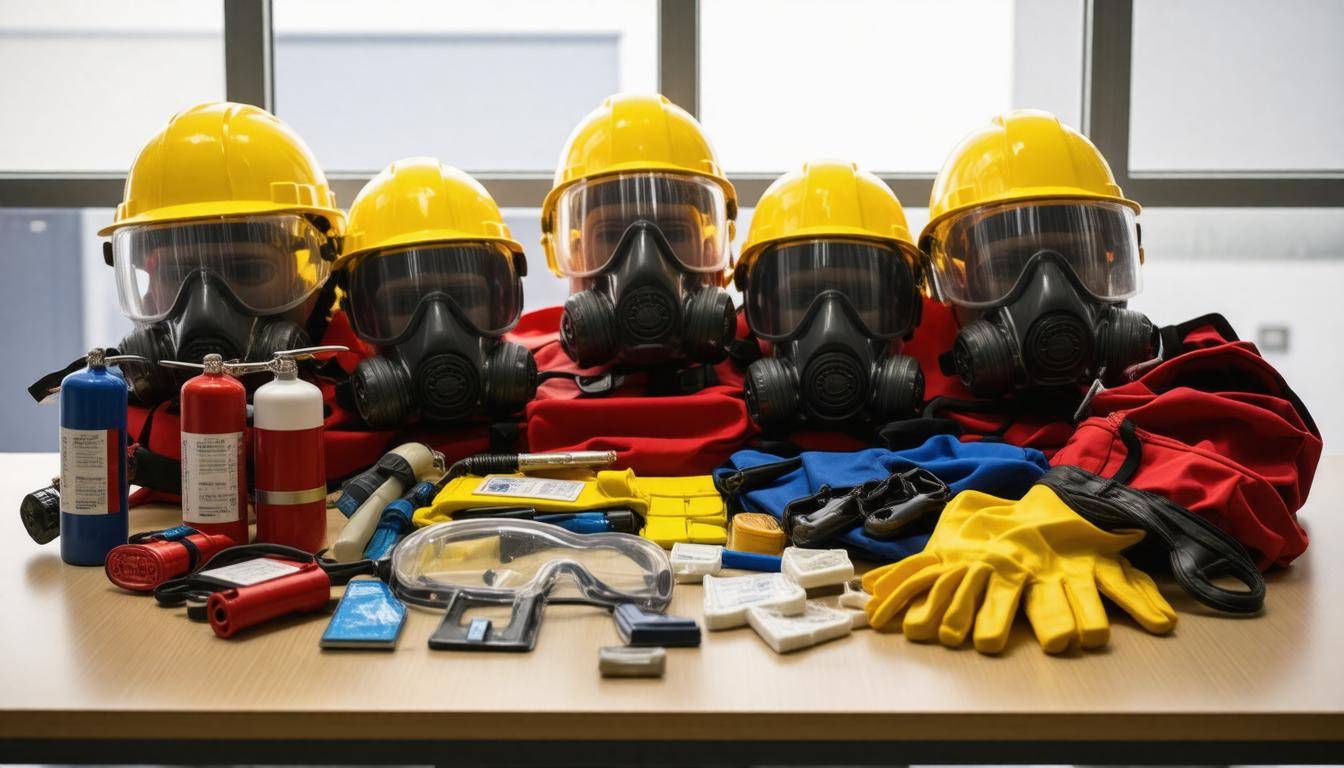
Stuttgart Industrial Disaster Response Kit Overview
The Stuttgart Industrial Disaster Response Kit is more than just a collection of tools; it is a well-thought-out system tailored for swift action during emergencies. Essentially, it comprises equipment, protocols, and training resources that work together to ensure a rapid and effective response. This kit includes personal protective equipment (PPE), spill containment materials, fire safety gear, and a variety of communication devices, each carefully selected to meet specific emergency needs.
What makes this kit truly exceptional is that it operates under rigorous international standards set by organizations like OSHA and EU-OSHA. All items within the kit undergo strict testing for quality and efficacy, ensuring reliability when every second counts. There’s a level of confidence instilled when you know the equipment you’re using adheres to these guidelines. Investing in a well-maintained disaster response kit not only safeguards lives but can significantly reduce operational downtime and financial harm due to accidents.
A pivotal aspect of the Stuttgart kit is its modular design—allowing businesses to customize their kits based on industry-specific requirements.
For example, an automotive manufacturing facility might prioritize different items compared to a chemical plant due to varying risks involved. This flexibility ensures that each workplace can have the most relevant tools at hand when emergencies strike. Regular maintenance checks and updates are essential; as equipment ages or as new risks emerge, adjustments should be made to keep the kit current and effective.
Furthermore, the success stories attached to this kit speak volumes about its practical use. Take for example an incident involving gas leakage at a factory where timely use of the response kit proved instrumental in avoiding more severe health risks. Feedback from users highlights how drills and training related to this kit equipped workers to act effectively during unforeseen incidents.
Integrating training sessions into regular operations reinforces the skills necessary to utilize the kit efficiently. An informed workforce is better equipped not only in crisis management but also in preventing disasters from escalating in the first place. Each response scenario enhances employee preparedness and promotes a culture of safety within industrial environments.
As we explore what vital elements should be part of any effective response strategy, understanding their significance is essential for fostering a safe workplace environment.
Essential Components of the Kit
When it comes to ensuring safety in industrial environments, each piece of equipment in the Stuttgart Industrial Disaster Response Kit significantly contributes to a swift and effective response to emergencies. Imagine a chaotic scene where seconds matter; having these core elements readily accessible could mean the difference between life and death.
Core Elements
To begin with, heavy-duty fire extinguishers are an indispensable part of this kit. Designed specifically for tackling chemical and electrical fires, these extinguishers are crucial in preventing the rapid spread of flames during a disaster. It’s vital to familiarize yourself with their operation—after all, in the heat of the moment, knowing how to swiftly deploy one can save precious time.
Have you ever tried using an ordinary extinguisher on electrical equipment? Consider it like pouring water on your laptop while it’s charging; not a great idea!
Next up is high-visibility protective gear. In smoky or dimly lit scenarios, visibility can become severely compromised. This gear provides not just safety from physical hazards but also ensures that workers remain visible to each other during emergencies. It’s like wearing a glow-in-the-dark Halloween costume when everyone else is trying to find their way around in the dark; you stand out and stay safe.
First-aid supplies take this a notch further by exceeding the typical offerings found in standard kits. Beyond basic bandages, look for burn treatment materials, eye wash stations, and even resuscitation equipment nestled within. These items serve as lifelines during critical incidents when immediate medical attention may be required before professional help arrives.
Your first-aid supplies should include:
- Burn treatment gels and dressings
- Eye wash stations for hazardous materials exposure
- Automated external defibrillator (AED) for cardiac emergencies
Another critical element is spill containment materials, such as absorbent pads and booms designed for various types of industrial liquids. They can swiftly contain spills before they escalate into larger problems. Think of them as the safety net that catches a falling trapeze artist—quick action prevents accidents from occurring if spills happen.
If you’ve ever experienced a soda spill at your workspace, imagine that multiplied exponentially with hazardous materials—now that’s a mess no one wants to deal with!
Finally, breathing apparatuses are essential when it comes to protecting against harmful fumes and gases that might infiltrate an emergency zone. Picture yourself in a situation where smoke thickens the air around you; having access to quality breathing equipment allows you to navigate through danger with clarity rather than coughing fits.
Together, these components form a robust framework designed for immediate response and safeguarding those who risk their lives working in hazardous environments. Understanding each element and its importance paves the way for effective emergency readiness within industrial settings.
As we explore more about creating safe work environments, it’s important to consider how specific gear can provide protection for personnel in demanding situations.
Protective Gear for Workers
In high-risk industrial environments, the importance of proper protective gear cannot be overstated. The right equipment ensures compliance with safety regulations and preserves the health and well-being of all personnel involved. Without appropriate gear, even minor accidents can lead to severe injuries, sidelining valuable workers and crippling productivity.
One standout component of a comprehensive disaster response kit is the hazmat suit. These high-quality suits provide full-body protection while allowing for necessary mobility and comfort. This balance is crucial; if a worker feels constrained or uncomfortable, they may not perform at their best or might avoid critical tasks altogether. The fabric is engineered to resist various chemicals, ensuring that no harmful substances permeate the suit during an emergency.
Let’s consider respiratory protection next. The respirators equipped with P100 filters are indispensable in environments where toxic vapors and particulates are present. Notably effective against organic vapors and acid gases, these respirators come with adjustable fittings for a snug fit under different conditions. This adaptability allows workers to wear them comfortably for extended periods—up to twelve hours—without feeling fatigued or restricted.
When every second counts in an emergency, respiration should not be a concern; having reliable respirators ensures workers can focus on their tasks rather than worrying about inhaling hazardous materials.
Also important are industrial-grade gloves and boots, which protect extremities from chemical spills. Designed for prolonged wear, these gloves and boots are robust enough to withstand exposure while allowing the dexterity needed to handle tools and equipment effectively. Providing the right kind of gloves can significantly reduce the likelihood of accidents associated with grip loss or accidental contact with dangerous substances.
With this protective gear in place, understanding the management of air quality becomes crucial during emergencies, as clean air is vital for safe operations.
Here’s a summary of these critical protective gear specifications:
| Protective Gear | Specifications | Usage Duration |
|---|---|---|
| Hazmat Suits | Chemical-resistant, Full-body | 6-8 hours |
| Respirators | P100 filters, Adjustable fit | Up to 12 hours |
| Gloves/Boots | Chemical-resistant, Rubberized | 6-8 hours |
Air Quality and Contamination Control
The air we breathe can turn hazardous in an instant during industrial disasters, making air quality monitoring not just a precaution but a necessity. Effective management focuses on identifying airborne contaminants quickly, allowing workers to respond with appropriate measures. This involves utilizing advanced technology, diligent attention, and strategic deployment of decontaminants.
Central to this is the inclusion of portable air quality monitors within the Stuttgart Industrial Disaster Response Kit. These aren’t merely gadgets; they’re lifelines that detect harmful gases such as chlorine, ammonia, and carbon monoxide in real-time.
Imagine a scenario where a gas leak occurs; these monitors would instantly alert workers about dangerous levels through audible alarms or visual displays. This immediate feedback system acts like a safety net—buying precious moments for evacuation or other emergency actions.
As we explore this further, consider the role of decontamination agents. While it’s crucial to detect contaminants, addressing them effectively is equally vital. Decontamination agents are tailored to neutralize specific toxins in the air. However, it’s essential to deploy these strategically based on the type of contaminant present. For instance, using too much decontaminant or applying it improperly could create additional risks rather than mitigating them.
A real-world illustration showcases this necessity. During a recent factory explosion, portable monitors revealed an alarming spike in ammonia levels. Thanks to the proactive monitoring in place, emergency personnel were able to initiate immediate evacuations and implement decontamination procedures swiftly. This prompt response minimized exposure for workers and significantly increased the likelihood of lives being saved during that harrowing incident.
Understanding how critical air quality control is necessitates clear emergency protocols that reinforce any preventive measures taken. Moving forward, we’ll discuss how to effectively implement these essential protocols in the face of emergencies.
Emergency Procedures and Instructions
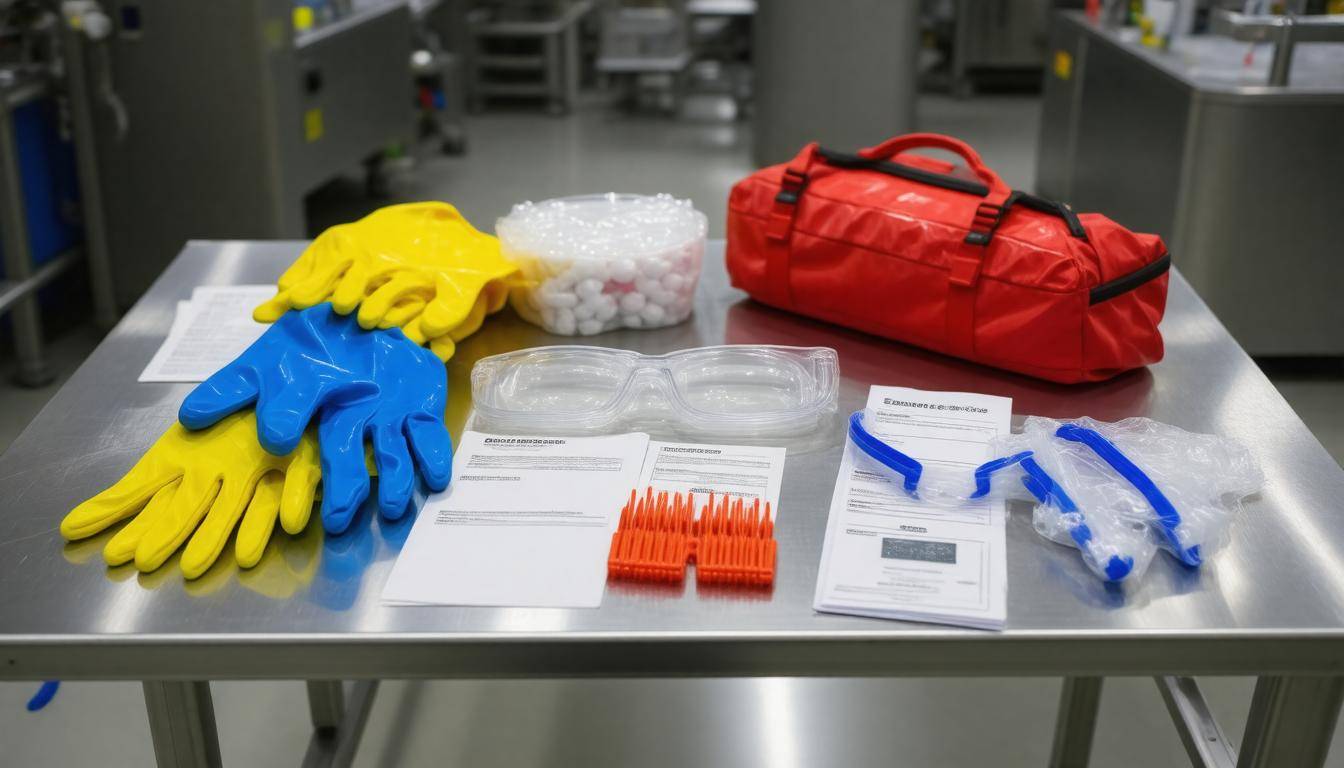
To ensure everyone involved can act swiftly and decisively when faced with an emergency, well-defined emergency procedures are essential. This begins with creating structured manuals that outline step-by-step actions for incidents such as chemical spills, gas leaks, and fires. These manuals should describe each scenario’s actions while incorporating communication protocols for notifying authorities or seeking external help.
Clarity is key during stressful events; you want your team to grasp the contents immediately without confusion. That’s where color-coded instruction charts come into play. Designed to be intuitive, these charts help minimize hesitation by simplifying complex actions into easy-to-understand visual steps. During a crisis, even straightforward instructions become challenging under duress. Therefore, visuals can significantly reduce response times, enabling quicker actions while minimizing risk.
Statistics reveal that organizations implementing comprehensive emergency procedures see their incident resolution times decrease by up to 50%, underscoring the importance of preparation.
Following procedures is one aspect of crisis management, but ensuring safety during evacuation is another critical component.
Importance of Evacuation Plans
An effective evacuation plan is indispensable. It serves as a roadmap for guiding employees safely away from hazards. Each member of the organization must understand these paths and have practiced them regularly; exercises like fire drills can embed this knowledge in your team’s memory more effectively than word-of-mouth alone.
To enhance readiness, consider including designated safety officers responsible for leading evacuations and ensuring all individuals are accounted for after reaching safety zones. Moreover, placing clearly marked exit signs throughout the facility aids in navigation and helps alleviate panic in high-stress situations as people instinctively know where they need to go. A calm atmosphere created by clear direction can save lives.
Regular training and communication are paramount when reviewing your emergency procedures and evacuation strategies. By fostering a culture of preparedness, your organization becomes resilient in the face of adversity, capable of handling emergencies with confidence rather than chaos.
With these protocols in place, it’s essential to consider how best to navigate out of potentially dangerous situations when they arise, ensuring that everyone reaches safety effectively and efficiently.
Priority Evacuation Routes
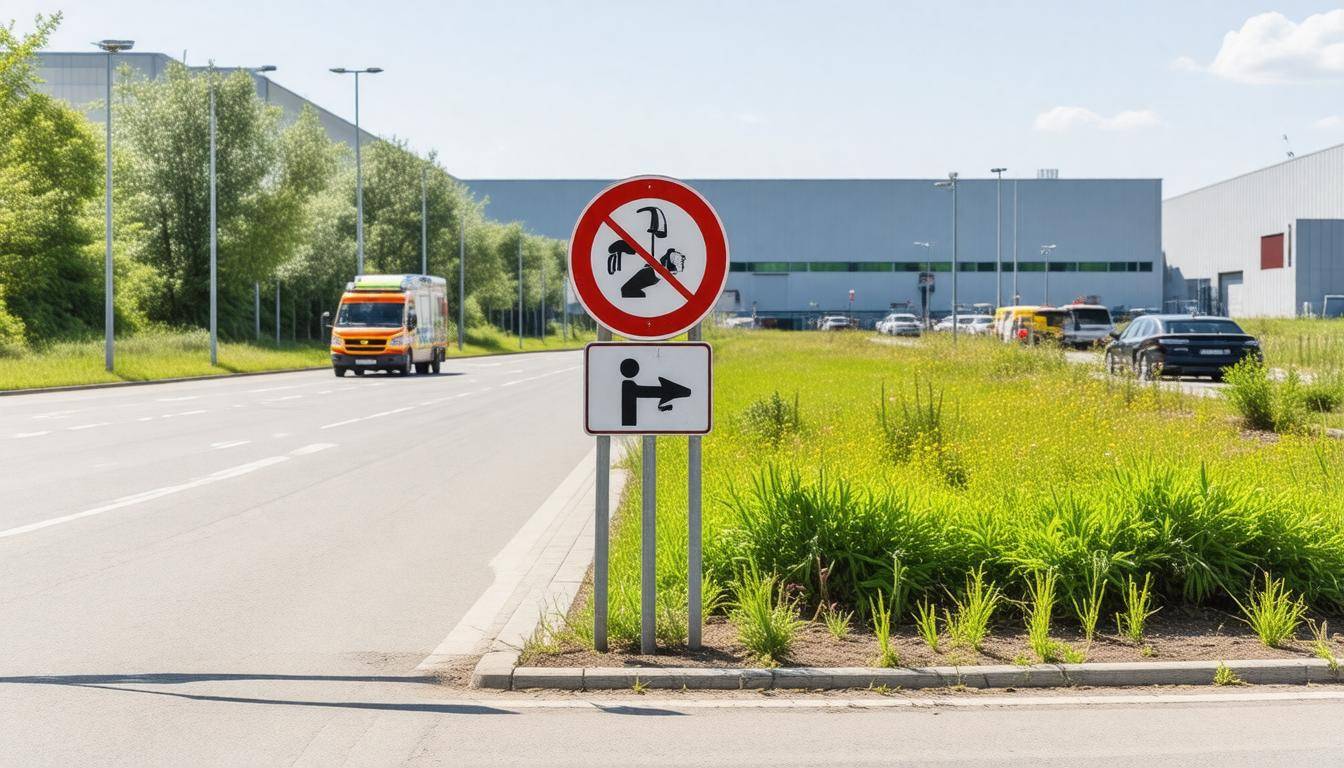
When it comes to emergency situations in an industrial setting, every second counts. This is why establishing priority evacuation routes is crucial; it’s about ensuring that everyone knows exactly where to go and how to get there swiftly and safely. These routes are tailored to meet the specific risks of your facility, whether you are confronted with a fire or a hazardous spill. The distinction between these situations often dictates which paths are the best options for a quick escape.
Each route should not only serve as a means to exit but also consider the safest environment possible for those escaping. For example, in the case of a fire, avoiding smoke-filled areas becomes essential, while a chemical leak might necessitate staying clear of any area where harmful toxins could be present. Therefore, these maps and escape routes must be well-placed and routinely rehearsed so everyone feels secure and familiar with their path.
Regular drills can help reinforce this knowledge and ensure individuals feel comfortable navigating their identified routes even under pressure.
Route Planning
It’s important that route planning takes multiple factors into account. A good evacuation strategy goes beyond just proposing a single escape route. It involves providing secondary routes that come into play if the primary ones become blocked or unsafe. This redundancy assures that all personnel have alternate paths laid out ahead of time.
Some crucial components include:
- Visibility: Ensure all signs directing individuals toward exits are clearly visible, especially those in potentially chaotic areas.
- Access: Evaluate the ease with which all employees can navigate their assigned routes, accounting for potential obstacles such as equipment or temporary barriers.
- Training: Conduct regular training sessions focused on different scenarios to prepare employees for various emergencies they may encounter.
| Hazard Type | Primary Route | Secondary Route | Assembly Point Distance |
|---|---|---|---|
| Fire | Route A | Route B | 500 meters |
| Chemical Leak | Route C | Route D | 300 meters |
As seen in the evacuation strategy table above, understanding how each route interrelates with potential hazards is paramount for ensuring efficient evacuations. The distance noted here—from the building to safety points—is also significant since quick access dramatically changes outcomes during emergencies.
With effective route planning established, we can now explore actionable guidelines to facilitate a seamless integration of these safety measures into workplace protocols.
Employers’ Implementation Guide
For companies looking to adopt this essential safety equipment, it’s crucial to embed it seamlessly into workplace culture. This not only ensures compliance but also fosters a proactive attitude toward emergencies among employees. The first step in this journey is conducting regular safety drills. Regular practice sessions familiarize your staff with the kit itself and reinforce emergency protocols. It’s very much like learning to ride a bike: you can read about it all day long, but you won’t truly master it until you’re in the saddle, pedaling away.
These drills should be realistic; consider simulating various disaster scenarios that could occur within your specific environment. As each employee engages with the kit hands-on during these drills, they become more confident in their ability to use every component effectively when the time comes.
Alongside these drills, establishing a dedicated emergency response team is imperative.
This team serves as the backbone of your emergency readiness framework. Selecting individuals who are enthusiastic about safety and capable of leading others will ensure that the group functions efficiently. Training sessions focused on each item in the response kit allow them to become experts, going beyond mere familiarity. They should be able to quickly assess situations and deploy tools accordingly, adapting strategies based on real-time challenges during emergencies.
Now, while having well-trained personnel is vital, it’s just one part of the equation; continuous review and updating of emergency plans complete the picture.
Emergencies can evolve due to new technology or shifting workplace dynamics. Therefore, regularly revisiting these plans ensures they remain relevant and effective. Moreover, integrating feedback from drills helps refine protocols based on what works best in practice.
As one operations manager aptly put it, “Being prepared for an emergency isn’t just about having a kit; it’s about making it part of our everyday thinking.”
This mindset transforms your approach to safety from reactive to proactive. By implementing structured steps—safety drills, dedicated teams, and ongoing revisions—you’re cultivating a culture where safety thrives naturally and becomes second nature to all employees involved.
As we continue onward, focusing on how to enhance the effectiveness of incident management will further solidify these foundational elements.
Efficiency in Managing Industrial Incidents
The ultimate goal of any industrial disaster response is to address incidents promptly and effectively. The efficiency gained from a well-designed disaster kit, like the Stuttgart Industrial Disaster Response Kit, can make the difference between minimal damage and catastrophic outcomes. It’s fascinating how something as simple as organization can impact safety across a worksite.
Take, for instance, the notable finding that workplaces using the Stuttgart kit experienced a staggering 60% faster response time during incidents. This impressive statistic ties directly to the kit’s ability to combine all necessary tools into one comprehensive package. By removing the chaos of sourcing equipment from multiple locations or suppliers, workers can focus solely on addressing the emergency without unnecessary delays.
One critical aspect that can significantly boost efficiency in managing industrial incidents is the proper integration of the disaster response kit with existing emergency protocols. When this integration occurs, team members know exactly how to act swiftly, ensuring no time is wasted figuring out processes amid a crisis. This synchronization cultivates a culture of preparedness, where every employee understands their roles and responsibilities.
“Efficiency doesn’t just save time; it saves lives,” an HSE officer articulated this truth succinctly when discussing the importance of having organized disaster kits readily available.
To further illustrate this, clear labeling and organized storage within the Stuttgart kit enhance retrieval times. Imagine opening a well-marked toolbox where everything has its place versus fumbling through disorganized equipment that may result in crucial lost minutes. A simple system—whether it’s color-coding or numbering—allows team members to quickly locate and deploy necessary tools, creating an instinctual flow that speeds up action when every second counts.
The Bigger Picture
Each segment of this guide contributes to a holistic approach that emphasizes preparation while addressing specific needs encountered during industrial disasters. With an emphasis on ensuring each component functions harmoniously, organizations can manage incidents with greater efficacy. Just like the pieces of a puzzle fit together seamlessly to create a complete image, so too do the strategies for utilizing disaster kits effectively contribute toward preventing larger catastrophes down the line.
As we explore specific elements that enhance workplace safety, it becomes increasingly clear how investing in effective disaster management tools not only prepares you for potential crises but fundamentally transforms your organization’s responsiveness under pressure.
Incorporating tools like the Stuttgart Industrial Disaster Response Kit is not just an option; it is an essential strategic choice for any organization focused on safety and efficiency. Being prepared will empower teams during emergencies, ultimately leading to better overall outcomes.