
In a city as mesmerizing and historic as Rome, the thought of an earthquake might seem like a distant worry, overshadowed by its majestic architecture and vibrant culture. However, the reality is that seismic events can happen anywhere, and being unprepared can lead to significant dangers. Preparing an Earthquake Readiness Kit isn’t just about having supplies; it’s about ensuring the safety of you and your loved ones when the unexpected strikes. Imagine knowing you’re equipped with everything you need—provisions, medical supplies, and personal essentials—all ready to go in case disaster knocks on your door. This guide will help you assemble a kit that covers not just the basics, but also keeps your family’s unique needs in mind. Let’s dive into building your peace of mind in a world where uncertainty lurks beneath the surface.
A Rome Earthquake Readiness Kit should include essential items such as non-perishable food, water (at least one gallon per person per day), a first aid kit, flashlights with extra batteries, a portable phone charger, local maps, and important documents in a waterproof container. Additionally, including personal supplies tailored to your family’s specific needs, such as medications and pet care items, is advisable for comprehensive preparedness.
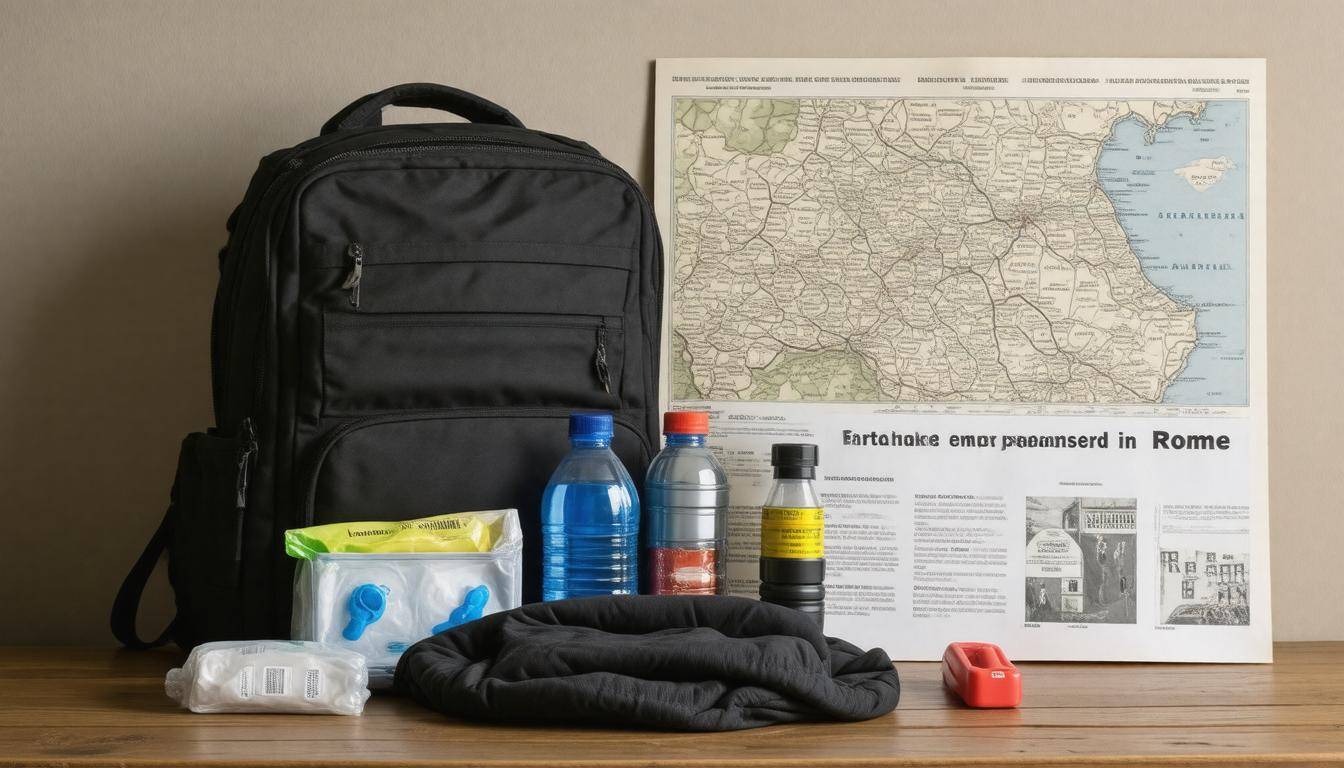
Essential Items for Your Earthquake Kit
Step I – Basic Necessities
When building an earthquake kit, starting with the basics is not just practical—it’s critical. A flashlight with extra batteries is indispensable. During a power outage, this tool can illuminate your surroundings and help you find necessary items in the dark.
Additionally, having a battery-operated or hand-crank radio is vital for staying informed about emergency updates or rescue operations. Many people overlook sound’s importance. Whether it’s news about aftershocks or notifications of shelters, being connected to radio frequencies can be a lifeline during chaotic times.
You should also add a whistle to your toolkit. If you’re trapped or need to signal for help, a whistle requires less energy than shouting and can carry further than your voice in most situations.
Step II – Personal Items
Personal items are equally important in an emergency situation. Your health and comfort should take precedence, so pack any necessary medications and prescriptions. Include hygiene products such as hand sanitizer, dental care items, and feminine hygiene products—these small comforts can make a world of difference when everyday routines are disrupted. Sturdy shoes are another must; you’ll want to protect your feet from debris if you navigate through destruction.
Packing these essentials creates a sense of normalcy amid chaos. Keeping your mental well-being intact is a huge part of getting through emergencies with resilience.
Step III – Emergency Cash
Don’t forget to secure some emergency cash in your kit. In the wake of an earthquake, traditional payment methods could fail; ATMs may be offline or run out of cash altogether. It’s smart to keep small denominations like $5s and $10s handy. As an insider tip, consider stashing this cash in a waterproof container—you don’t want it to swell beyond recognition or become illegible due to exposure.
With these essential items gathered, you’re on the right path toward ensuring not just survival but also a degree of comfort during challenging times. Let’s explore how to effectively stock up on vital provisions next.
Food and Water Supplies
In the chaos of an earthquake, having a reliable food and water supply can mean the difference between comfort and despair. Think of this as not just stocking up; this is arming yourself against uncertainty. A solid food and water supply ensures you won’t face hunger or dehydration during extended periods without access to grocery stores or emergency services.
Non-Perishable Food
Start by choosing non-perishable foods that provide plenty of nutrition yet are easy to store. Items like canned goods, energy bars, and dried fruits should be staples in your kit. Aim for variety, incorporating different flavors and nutrient groups. After all, surviving an earthquake doesn’t need to feel like a punishment!
It’s recommended to have at least three days’ worth of food per person stored away. However, if you really want peace of mind, a two-week supply is ideal. Consider how much energy you might expend in stressful situations and choose foods with higher caloric values—things that won’t spoil quickly but will keep your strength up during tough times.
If ever you find yourself exhausted from a long day of dealing with aftershocks or community recovery efforts, a quick hit of energy can boost morale and motivation. Nothing beats savoring some canned soup or tucking into a favorite snack, like high-energy bars, when you’re feeling frantic.
Water Requirements
Equally important is how you prepare your water supply. The general rule is to store at least one gallon per person per day. This encompasses not only drinking but also basic sanitation needs—washing hands, cleaning cuts, and preparing food.
But what if your supply runs low? That’s where smart planning comes into play. Include water purification tablets or even a portable water filter in your kit. These tools will ensure you can replenish your supply from more questionable sources, such as streams or rainwater. It’s an empowering addition that could prevent panic over dwindling resources.
Regularly check your supplies; it’s easy to forget about water containers sitting in the garage months after they’ve been filled. Rotate them every six months to ensure freshness—this little effort goes a long way towards ensuring that what you’re depending on is still safe and drinkable.
Here’s a quick list of food items that work well for storage:
- Canned soup and vegetables
- High-energy snacks like nut bars and trail mix
- Powdered milk for its longevity and versatility
- Instant coffee and tea for comfort during stressful circumstances
Being properly prepared isn’t just a precaution—it’s an investment in peace of mind. Thoughtful planning around your food and water supplies allows you to feel ready for whatever challenges come your way post-earthquake.
Exploring the essentials of nourishing your body during emergencies paves the way for examining critical medical supplies that are equally essential in any preparedness kit.
First Aid Equipment
A well-equipped first aid kit can mean the difference between a minor inconvenience and a life-threatening situation when disaster strikes. It’s essential that your kit contains not just basic supplies but also tools and resources tailored to handle various injuries and emergencies.
Think about the bandages: you’ll want them in various sizes to address everything from small cuts to larger wounds. Supplies like antiseptic wipes and ointment are crucial because they help prevent infections, which can become serious quickly without proper care.
Tweezers and scissors might seem like minor details, but these aren’t just random items. Tweezers help to remove splinters or debris from wounds, while scissors can cut tape or fabric as needed during an emergency. And don’t forget about adhesive tape; it’s hard to overstate its usefulness for securing bandages or dressings.
Now let’s talk about some personal safety measures within your kit.
When you’re putting together your first aid kit, include sterile gloves to protect yourself while helping others. It may sound simple, but wearing gloves minimizes the risk of contamination. Moreover, stocking up on pain relievers, such as ibuprofen or aspirin, can provide much-needed relief for injuries or stress—an essential measure since pain can debilitate one’s ability to act decisively in an emergency.
First Aid Guide
To make this kit even more effective, consider adding a comprehensive first aid manual inside. Even if you’ve completed a first aid course, it’s invaluable to have detailed instructions on hand.
In high-stress moments where time is of the essence, flipping through pages for reference ensures that you won’t overlook critical steps in treatment. You might recall how veteran first responders frequently stress having access to clear guidelines—they’ve seen firsthand the difference sufficient preparation makes during less common medical emergencies.
Assembling a thoughtful first aid kit empowers you with the resources necessary to respond quickly and effectively when every second counts. Diligence in your preparedness will match the potential risks posed by an earthquake in your area.
With this foundation laid for emergency response, we can now explore strategies to navigate the unique challenges that come with living in a seismically active region.
Preparing for Rome’s Unique Challenges
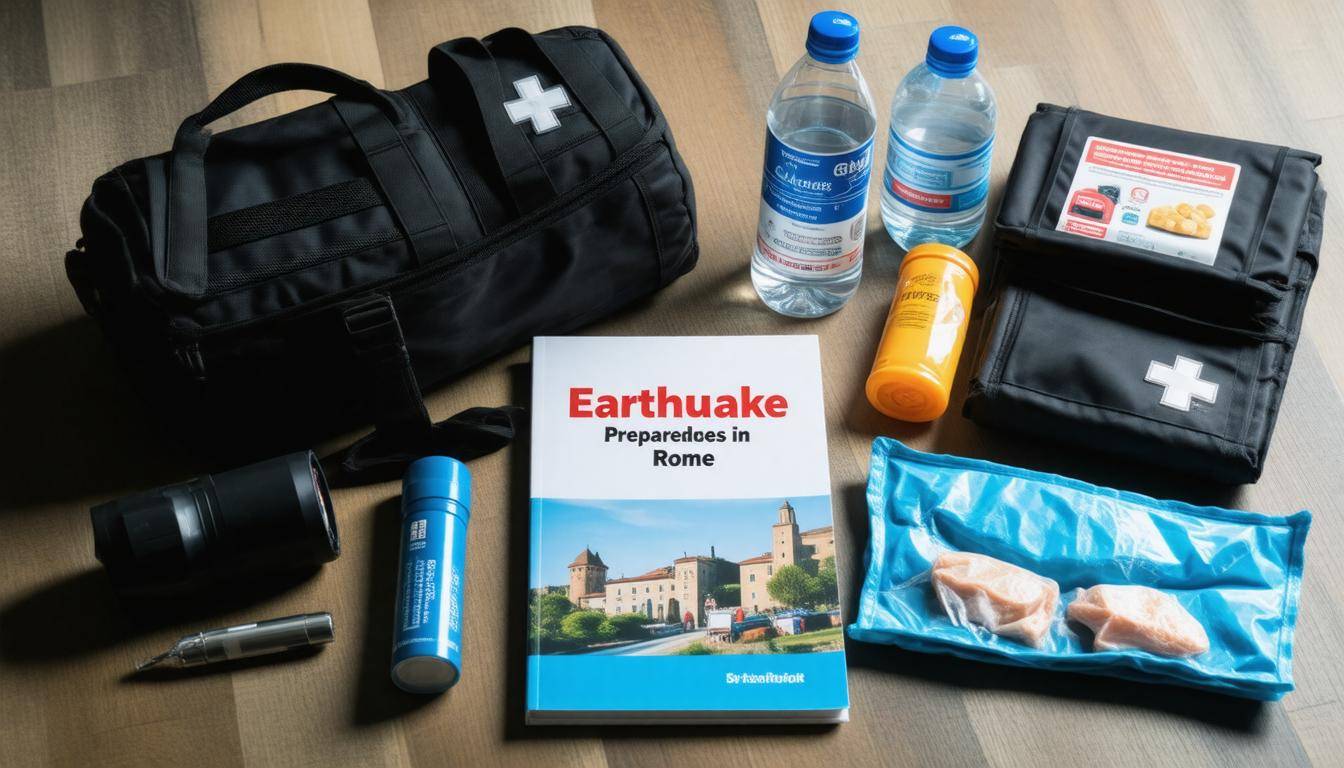
Historical Structures
Rome is a city rich in history, but this can be a double-edged sword when it comes to earthquake readiness. Many of its iconic buildings—some dating back thousands of years—are not constructed to meet modern seismic standards.
Therefore, understanding the limitations of these structures is vital. Each resident should identify safe evacuation routes as well as designated safe zones outside of their building. If you live near historical sites, be aware of their potential vulnerabilities during an earthquake.
Local Geography
The very geography of Rome adds another layer of complexity to preparedness efforts. Its charming hills and narrow streets, which are beloved by tourists and locals alike, can also create obstacles in times of emergency.
For example, if an earthquake strikes, certain key roads may become impassable due to landslides or fallen debris. Therefore, familiarizing yourself with multiple evacuation routes is not just smart—it’s essential. Walk through your neighborhood and map out alternative pathways so you won’t be caught off guard if primary routes become blocked.
Cultural Factors
In addition to physical safety measures, safeguarding important personal documents cannot be overlooked. Rome’s deep-rooted cultural values emphasize rights and heritage; thus, it’s crucial to store copies of significant documents like passports, insurance policies, and medical records in easily accessible locations. Not only will this help with immediate recovery after a disaster, but it will also make administrative processes smoother when trying to rebuild your life post-earthquake.
Given that these elements contribute not only to individual security but also to the well-being of families and communities, prioritizing their safety reflects how intertwined personal and cultural preservation truly are.
As we consider these unique challenges, we can now look at the regulatory framework that governs earthquake preparedness measures in the region.
Government Earthquake Regulations
Familiarizing yourself with local earthquake regulations is vital for both immediate safety and long-term recovery. These regulations, particularly regarding public warnings and building codes, shape how residents prepare for seismic events. Knowing what to expect from local authorities can empower you to make informed decisions about your safety.
Public Warnings
One significant component of Italy’s earthquake preparedness strategy is its public warning systems. Rome utilizes multiple channels for alerting citizens, including SMS notifications and audible sirens spread throughout the city. Such systems provide real-time information that can be critical in determining how you should act when an earthquake strikes. It’s essential to register for Italy’s national alert system through your mobile provider. This simple step ensures that you receive timely updates regarding impending tremors or aftershocks, which can sometimes follow within minutes or hours of a primary quake.
While public warnings are important, the structural integrity of your home plays a crucial role in your safety during an earthquake.
Building Codes
Italy’s building codes are designed with earthquakes in mind, aiming to minimize damage and safeguard lives. These codes evolve as seismic research advances, reflecting current knowledge about how structures can withstand tremors. For residents, it’s essential to check whether your home meets these rigorous standards. A house built under older regulations might not offer adequate protection during an earthquake.
If there is any uncertainty regarding the compliance of your dwelling with local building codes, take proactive steps by consulting local authorities or qualified professionals. They can guide you on assessments necessary to evaluate your home’s resilience. Often this includes reinforcing walls or foundations – measures that may seem daunting but can greatly improve safety.
Additionally, consider that neighborhood compliance varies; some areas may be more prone to earthquakes than others based on geological studies. Collaborating with neighbors on community preparedness plans is crucial; an informed community is a safer community, especially in dire situations like earthquakes.
Understanding how public warnings function and ensuring compliance with building codes not only prepares you for potential quakes but also lays the groundwork for enhancing overall family and community safety in unpredictable situations.
Building Your Family’s Safety Plan
Creating a well-thought-out family safety plan means equipping every member with essential knowledge about what to do before, during, and after an earthquake. It’s crucial that everyone understands their role and how to effectively respond—not just during the chaos of shaking ground, but also in the hours and days that follow. This preparation fosters confidence and reduces panic when the unexpected occurs.
Communication Strategies
Developing effective communication strategies is the cornerstone of any safety plan, especially if family members become separated. Establishing a clear method ensures everyone can check in and be accounted for quickly. A wise choice would be designating a relative who lives in a different city as your primary point of contact. This person can help coordinate communication and provide updates since local phone lines may be down after a disaster.
Remember to have contact cards ready for each family member, listing important numbers—including that designated relative—so everyone can access them easily.
Meeting Points
Now let’s move on to establishing meeting points—a critical aspect of your family safety plan. Designate both indoor and outdoor locations where your family can regroup after an earthquake strikes. For instance, the indoor meeting point could be a specific room in your home that offers safety from falling debris; conversely, choose an outdoor location—perhaps a nearby park or landmark—if evacuation becomes necessary.
Ensure these meeting points are regularly communicated to your family during practice drills so that everyone knows exactly where to go, particularly when stress levels run high. You might consider practicing these routines periodically, reinforcing the importance of returning to these safe spots after an earthquake.
By integrating communication strategies with designated meeting points, you’re laying down the groundwork for a robust response during challenging situations. Let’s now shift our focus to ensuring that these strategies remain effective over time through regular evaluations and updates.
Maintenance and Checkpoints
Regular maintenance of your earthquake kit is as important as its initial assembly. Keeping it up to date ensures that every component will work effectively when you need it most. Like any preparedness measure, consistency is key. A well-maintained kit provides peace of mind and safety for your family in case an earthquake occurs.
Quarterly Reviews
Schedule regular checks every three months on a designated day, such as the first weekend of every new season. This way, the task becomes part of your routine, eliminating the risk of forgetting it altogether. During these quarterly reviews, inspect critical components like batteries for your flashlight and radio; ensure that they are still functional and replace any that show signs of wear or have expired.
Think of it this way: It’s better to discover a dead battery now than during an emergency when every second counts.
Additionally, take stock of consumable items in your kit—like food supplies and medications—and replace anything that has reached its expiration date. It might be surprising how often these essentials can get overlooked amid other household chores. Keeping track of what’s in your kit ensures you’re ready, come rain or shine.
Updating Information
Another vital aspect of maintenance is updating essential information regularly. This includes confirming that emergency contact numbers and addresses are current and easily accessible in your kit. You might want to consider placing this information in a laminated sheet within the kit for durability against moisture or wear.
To make it easier to remember these reviews, incorporate them into routine family activities, like daylight-saving time changes. This way, you create a natural reminder that keeps your emergency preparedness at the forefront without requiring extra mental effort.
By intertwining regular maintenance tasks with existing routines, you make it less likely for them to fall by the wayside. Staying proactive reinforces family safety and cultivates a culture of preparedness within your household—an invaluable asset in times of uncertainty.
With these tips on maintaining your earthquake readiness kit, you’re building a solid foundation for safety. Now let’s explore various resources that can further enhance your approach to being prepared.
Additional Resources for Earthquake Preparedness
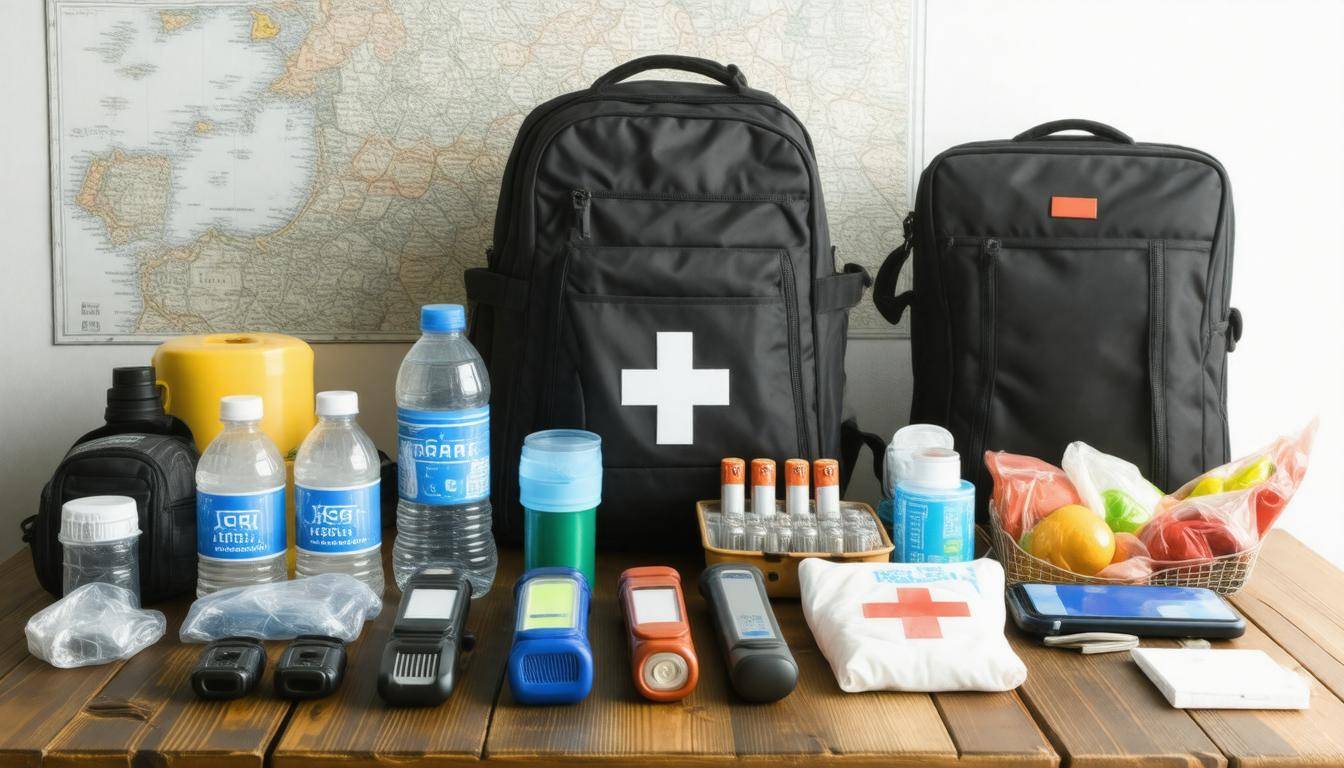
Various resources are available to help you understand earthquake preparedness better. They not only educate you but also foster a sense of community awareness and resilience, creating a comprehensive safety net for both you and your loved ones.
Government Websites
One of the most reliable places to begin your research is Italy’s Civil Protection Department’s website. It offers up-to-date guidelines tailored specifically for the region, including risk assessments, safety protocols, and tips that account for local geological factors. Regular visits can keep you informed about best practices and any changes to safety recommendations.
In addition, these government initiatives update their recommendations based on emerging scientific findings, helping ensure that you’re not using outdated information.
Community Programs
Another great way to enhance your preparedness is through participation in local disaster preparedness drills. These programs, organized by civic groups or local emergency services, provide practical experience that can significantly reduce anxiety during actual earthquakes. Engaging with your neighbors builds trust and creates a support network for checking in on one another afterwards.
I remember attending a local drill that simulated an earthquake scenario; it heightened my awareness of what to expect and turned into a fun community gathering. People shared their emergency plans, offering variations that might work better than mine.
Educational Materials
Beyond government websites and community drills, there are extensive educational materials available to deepen your understanding. Books focused on earthquake readiness cover subjects ranging from basic first aid to advanced engineering principles aimed at retrofitting homes against seismic activity.
To leverage this information further, consider reaching out to neighborhood associations for group learning sessions. Bringing together interested parties not only allows everyone to learn from experts but also encourages discussions on personal preparedness plans. Plus, sharing insights can inspire strategies that benefit the whole community.
By utilizing these resources—government guidelines, local programs, and educational materials—you can cultivate a robust plan for earthquake readiness that prioritizes individual safety and collective awareness.
Incorporating these essential resources into your preparedness strategy will empower you and your community to face the challenges posed by earthquakes with confidence and readiness.