
When planning a trip to Bali, it’s easy to get lost in thoughts of stunning beaches and vibrant culture. However, lurking beneath the surface are the real risks of earthquakes and tsunamis that can catch travelers off guard. Understanding how to stay safe while exploring this beautiful island is just as important as packing your swimsuit. Before you dive into the sights and sounds of Bali, taking a few proactive steps can make all the difference in ensuring your experience is both enjoyable and secure. From learning about local hazards to preparing an emergency plan, these essential safety guidelines will help you feel more at ease, letting you focus on the breathtaking adventure that lies ahead.
A comprehensive Bali Tsunami & Earthquake Safety Checklist should include familiarizing yourself with local evacuation routes to higher ground, keeping a go-bag with essentials such as water, first aid kits, flashlights, and communication devices, and knowing the emergency procedures established by local authorities. Additionally, travelers should regularly assess their surroundings for potential hazards and practice their response to an earthquake or tsunami warning to ensure readiness in case of an emergency.

Before You Travel to Bali
It’s crucial to start by gathering information about Bali’s geographical landscape and its history of seismic activity. Being situated along the Pacific Ring of Fire, Bali experiences its share of earthquakes and has a history of tsunamis that can catch unwary travelers off guard. Take a moment to absorb what this means for you: familiarizing yourself with the natural hazards ahead of time can make all the difference in how you respond during an emergency.
To make this process smoother, here are essential steps to consider before you travel:
-
Research Historical Data: Investigate Bali’s recent earthquake and tsunami history; resources like the Indonesian Meteorological, Climatological, and Geophysical Agency provide detailed accounts that could enlighten your understanding of risks.
-
Understand Geological Reports: Check for real-time data on seismic activities through reputable websites or apps dedicated to reporting earthquakes, ensuring you’re aware of any significant tremors occurring during your visit.
According to data from BMKG (Badan Meteorologi Klimatologi dan Geofisika), Indonesia experiences around 400 earthquakes each year, and Bali is among those affected due to its proximity to tectonic plate boundaries. Knowing this should prompt you to consider safety measures as part of your travel plans.
Another integral aspect of safeguarding yourself while visiting Bali involves securing comprehensive travel insurance that includes coverage for natural disasters. This isn’t just an optional add-on; it’s a critical component of smart planning. When picking a policy, look for options that specifically mention coverage related to evacuation due to natural disasters.
Brands like World Nomads or Allianz cater specifically to travelers venturing into high-risk areas—check them out! Selecting an appropriate policy isn’t merely a protective measure; it ensures peace of mind while exploring this stunning island.
One traveler became extremely grateful for their foresight when they had to evacuate during the recent Lombok earthquake in 2023. Their comprehensive travel insurance covered significant evacuation costs, ultimately saving them thousands—a story that underlines the importance of not overlooking this crucial preparation step.
As you think about these preparations, remember that being well-informed and having contingencies can significantly reduce stress when faced with unexpected situations.
With reliable knowledge and adequate insurance in place, you fortify yourself against potential adversities. This foundation allows for a more enjoyable exploration in Bali, allowing you to focus on the adventure ahead without undue concern for safety.
Transitioning from these safety preparations will guide us toward how to navigate and uncover the specific risks present in the area—knowledge that’s essential for every traveler.
Researching Local Risks
Bali, being situated on the Pacific Ring of Fire, keeps you on your toes when it comes to seismic activity. This means that earthquakes and tsunamis are real possibilities, making it crucial to educate yourself about the area before your visit.
One of the best ways to do this is by examining local hazard maps. These maps can provide a clear visual representation of which areas are more susceptible to these natural disasters.
Start by visiting local government websites or UNESCO’s Intergovernmental Oceanographic Commission to access reliable hazard maps. These resources will help you identify tsunami-prone zones and safe evacuation routes in case of an emergency. It’s surprising how much information you can gather from these maps; they often mark low-lying areas and coastal regions as high-risk zones, allowing you to tailor your travel plans accordingly.
Imagine standing on one of those beautiful beaches in Bali while knowing exactly where the higher ground is. You can enjoy your vacation without letting worry cloud over your mind, simply because you’ve done your homework.
For instance, hazard maps highlight the safest escape paths people should follow—insights that could prove critical during a tsunami alert. It’s like having an advanced warning system right in your hands.
I remember hearing from a tourist who found themselves in Canggu during a tsunami alert—talk about a stressful experience! Thankfully, they had taken the time to review hazard maps beforehand. When the alert was issued, they knew precisely where to go and how to get there quickly, all thanks to having that vital information at their disposal.
With a solid understanding of local risks through these hazard maps, you’ll be primed for unexpected situations. Moving forward, staying updated via alerts will further enhance your safety strategy while traveling.
Staying Informed with Alerts
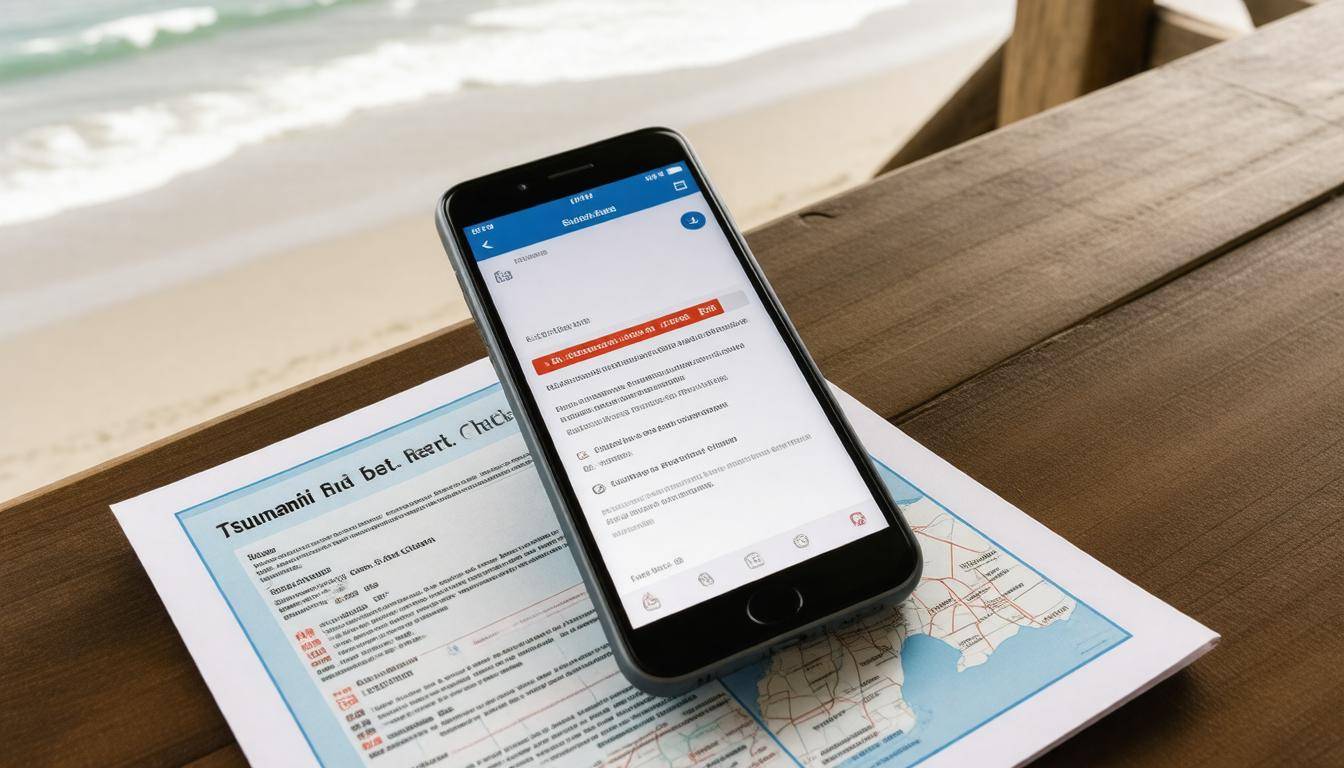
Constantly updating yourself with real-time information can offer crucial moments that could save your life during an emergency. With natural disasters like tsunamis or earthquakes, having timely alerts at your fingertips is essential in taking swift action when necessary. In Bali, where both seismic events and the potential for subsequent tsunamis exist, awareness can make all the difference between safety and disaster.
Sign-Up Services
One effective way to stay informed is by subscribing to Bali’s emergency alert services. Utilizing apps such as BMKG’s official app or TsunamiAlerts via SMS can provide you with direct notifications regarding potential threats. The value of these services quickly becomes clear when you consider that, as of 2025, over 50,000 users successfully received early warnings through these channels. This quick access to vital information gave them the necessary time to evacuate or take proper precautions—time that can be lifesaving.
Imagine you’re enjoying a sunny day on the beach when suddenly your phone vibrates with a tsunami warning! That alert, delivered straight to you through reliable apps, enables immediate action—whether it involves heading to higher ground or gathering family and friends. In a place prone to natural calamities, such notifications become not just helpful, but essential.
Traveler Community
In addition to independent alerts, joining local traveler communities—Facebook groups or chat forums dedicated to Bali—can be incredibly beneficial. These platforms often facilitate instant updates and advice from fellow travelers who may be experiencing similar situations right alongside you. By engaging with this community, you tap into a stream of real-time information that feels personal and urgent.
For instance, consider Lisa, an expat living in Ubud. During a recent earthquake, she turned to her community’s social media group for immediate news on safety protocols and evacuation routes. The alerts she received were instrumental in guiding her away from danger swiftly. It’s stories like hers that remind us how interconnected we are and how vital shared knowledge can be during emergencies.
Staying informed through both formal alert systems and informal community discussions creates a layered approach to safety while traveling. The combination not only provides redundancy in case one source fails but also ensures that you’re accessing information from different perspectives. When seconds count during an emergency, being plugged into multiple sources significantly increases your chances of making the best decisions for your well-being without panic or confusion.
As you prepare for any situation, gathering essential items will further enhance your readiness. Let’s explore what you’ll need in your travel safety essentials.
Packing Your Safety Kit
A well-prepared safety kit can mean the difference between life and death when disaster strikes. The importance of packing a comprehensive safety kit cannot be overstated—especially in a region as vulnerable to natural disasters as Bali. Let’s break down the essential elements you should include in your toolkit and why each is crucial.
| Item | Quantity | Purpose |
|---|---|---|
| Bottled Water | 3 Liters | Hydration is vital; aim for at least one gallon per person per day. |
| First Aid Kit | 1 | Essential for addressing medical emergencies quickly and effectively. |
| Flashlight & Batteries | 1 each | Provides visibility in dark and during power outages, guiding safely. |
| Multi-tool | 1 | Versatile tool to assist in various situations, from repairs to food preparation. |
| Emergency Blankets | 2 | Provides warmth and can be lifesavers if outdoors overnight. |
| Non-perishable Food | 3 Days | Easy-to-carry sustenance helps maintain energy; think energy bars or dehydrated meals. |
| Whistle | 1 | Alerts rescuers to your location, especially in chaotic scenarios. |
| Portable Charger | 1 | Keeps communication devices operational for any emergency response team. |
| Spare Clothes | 1 Set | Ensures comfort and maintains hygiene during long waits for assistance. |
| Important Documents | Copies | Carry copies of identification cards, insurance papers, and critical emergency contacts. |
Start by ensuring that your bottled water is sufficient for both hydration needs and potential duration away from safe ground. In emergencies, people often underestimate how much water they consume under stress—three liters may sound like a lot but it vanishes quickly, particularly in a hot climate like Bali’s.
Similarly, a thorough first aid kit containing adhesive bandages, antiseptics, gauze pads, and pain relievers is essential since injuries can occur unexpectedly during evacuations or recovery efforts. Don’t forget to include any personal medications!
Navigating dark areas after a natural disaster can be hazardous. A reliable flashlight with extra batteries not only provides light but serves as a beacon of hope in disorienting circumstances.
Next comes the multi-tool—it might seem ordinary, but its multifunctionality makes it invaluable when faced with challenges where simple tools won’t suffice. A good multi-tool can help with opening cans of food or fixing minor equipment mishaps.
Emergency blankets are lightweight yet incredibly effective at keeping warmth during the chill that often accompanies distress situations at night. Alongside non-perishable food supplies that sustain energy and morale—think protein bars or trail mix—these essentials combine comfort with practicality.
Have you considered what you would do if stranded? A whistle may feel insignificant compared to other items, but its ability to communicate your whereabouts makes it an indispensable part of your kit.
A portable charger rounds out your kit—it allows charged phones for communication or GPS devices—a lifeline when every second counts. Having a spare set of clothes can mean an extraordinary amount of comfort against the disorientation post-disaster.
Once your safety kit is complete, it’s time to focus on how to prepare effectively for unexpected crises by developing clear strategies and actions specific to emergency situations.
Creating an Emergency Plan
Having an action plan tailored to your circumstances is crucial when traveling in an area like Bali, which is prone to earthquakes and tsunamis. One of the first steps is establishing clear family meeting points with your travel companions. This ensures that if communication fails amidst the chaos, you can quickly reconvene. For instance, designating a local park or a recognizable landmark that everyone knows serves as an effective reference point. By doing so, you minimize confusion and anxiety during situations where time is critical.
But don’t just set it and forget it! It’s essential to engage in regular practice drills as part of your emergency preparedness efforts. Imagine this: You’ve just experienced a tremor; your heart races as you remember the plan, but now it’s time to put it into action. Practicing evacuation routes from your accommodation to higher ground or other safe zones every few weeks not only reinforces the actions required but also boosts confidence among your group members. Familiarizing everyone with these routes means they’ll instinctively know where to go when every second counts.
Regular drills are like insurance—not just comforting but essential!
Understanding warning signals of potential disasters plays a vital role in executing this emergency plan effectively. Recognizing that tremors may precede a tsunami can help you stay vigilant. As a traveler in Bali, it’s worth knowing that the area’s location along the Pacific Ring of Fire makes seismic activity common. Thus, being prepared for immediate action when these signs arise is paramount.
Additionally, keep in mind the importance of establishing a solid communication strategy with your group. Agree on emergency contact numbers ahead of time and determine how you will reconnect if separated. Carrying local emergency service contact information can further enhance safety during stressful situations, creating an environment where each person feels supported and secure.
Ongoing Preparation
Ongoing preparation should be at the forefront of your emergency planning. Whether it’s refreshing knowledge about local evacuation protocols or ensuring that personal supplies are ready to go, continuously updating your plan based on recent experiences or changing circumstances helps solidify your readiness against unforeseen events.
Prepping yourself and your traveling companions takes effort, but that investment pays off when the unexpected occurs. By implementing these guidelines, you’ll create a cohesive plan that encourages proactive behavior instead of panic—keeping safety as the main priority while exploring beautiful Bali’s shores.
As you prepare for your adventures, understanding how to identify potential threats becomes equally important in ensuring your safety.
Recognizing Warning Signals
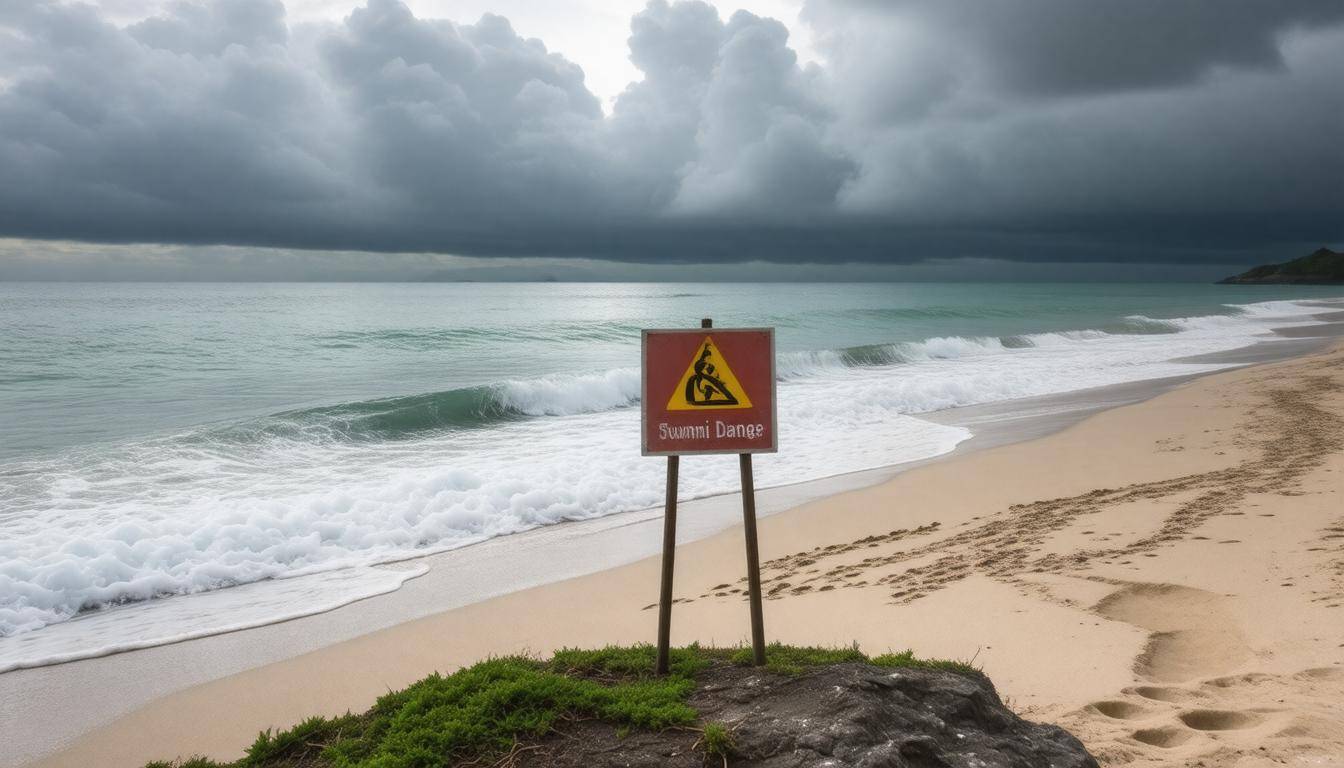
Understanding the natural warning signals of tsunamis and earthquakes is essential, especially in a place like Bali. Earthquake precursors can be subtle yet alarming; for instance, if you experience strong tremors or the ground shakes for more than 20 seconds, this is often a key indicator that something significant is happening underground. Staying aware during these moments is crucial; even minor quakes that seem inconsequential could be a precursor to larger seismic events.
Earthquake Precursors
In addition to tremors, other signs can hint at an earthquake’s approach. Unusual animal behavior should not be dismissed—many pet owners have reported their furry friends acting strangely, such as pacing or hiding, just before a seismic event occurs. This change in demeanor could act as initial alerts, signaling that you should be prepared for what might come next.
Imagine standing still, feeling the earth beneath you pulse with its own rhythm—it can be unsettling, but it’s a signal to take action. Should you ever feel the ground rumbling under your feet and the movements last longer than twenty seconds, that’s your cue to drop, cover, and hold on.
Tsunami Indicators
When it comes to tsunamis, certain indicators can be just as telling. One clear sign is the rapid receding of the shoreline—the ocean pulling back dramatically can expose parts of the sea floor that are typically covered in water. Picture it like the ocean taking a deep breath before unleashing a powerful wave; this sudden retreat is Mother Nature’s way of hinting at what’s to come.
Imagine standing on the shore watching the ocean pull back violently. The sandy beach seems to stretch further than ever before as if nature itself is gathering energy for a colossal display. It’s undeniably eerie and should prompt immediate evacuation actions.
Indeed, local stories support this reality; one surfer recalls dodging disaster in 2022 at Kuta Beach after he noticed those telltale signs of the ocean receding. With quick reflexes fueled by instinctual understanding, he gathered his belongings and left—an action that likely saved his life.
Being able to recognize these warning signals can empower you during critical moments, allowing you to react quickly and effectively. As we consider these vital responses to potential disasters, new strategies for immediate action become crucial in ensuring safety in perilous situations.
Taking Immediate Action
Hesitation can cost precious moments during a crisis, so understanding the streamlined action plan is essential for your safety in Bali. During an earthquake, the first thing you must do is drop to your hands and knees. This position helps prevent you from being knocked over and protects vital body parts like your head and neck. From this vantage point, you can remain steady and assess your surroundings until the shaking stops. Once it’s safe, it’s vital to evacuate swiftly but carefully, avoiding potential hazards.
After an earthquake, if there’s a tsunami alert issued, speed is of the essence.
The first rule during a tsunami alert is to run—do not drive—towards higher ground. Aim for a location that is at least 30 meters above sea level, as this height can significantly reduce your risk of harm. Studies indicate that those who reach high ground within 10 minutes of receiving a tsunami warning have a staggering 40% increase in survival rates.
Tim, a tourist from Australia during a past emergency vividly remembers his experience: “Those 10 minutes felt like an eternity, but sticking to the plan saved me.”
His story exemplifies how decisive actions taken under pressure can lead to survival. Equip yourself with a simple checklist before heading out each day—ensure you know the quickest routes to high ground and keep an eye on local alert systems. Preparation alleviates anxiety and can save lives.
As you prepare for outdoor activities or enjoy the stunning landscapes of Bali, let these action steps resonate firmly in your mind for any unexpected emergencies. Next, we will explore what to do after such incidents to ensure your continued safety and comfort.
Post-Emergency Steps
Surviving an earthquake or tsunami is only the beginning; navigating what comes next requires careful planning and consideration. The first step is to conduct safety checks around your immediate vicinity. As you cautiously return to your environment, remember that not everything may be as it seems. Check for structural damages in nearby buildings, cracks in walls, and any potential hazards that could cause further injury. Pay particular attention to gas leaks, which can be hard to detect without proper equipment.
Battery-operated flashlights become essential during these assessments. They are safer than candles, reducing the risk of fire and helping you see clearly as you evaluate your surroundings.
Safety Checks
When inspecting areas that may have suffered damage, use a flashlight and gently tap surfaces. If any wall feels weak or unstable, it’s best to avoid it until professionals assess the situation. If it’s safe enough to enter a building, watch out for fallen debris and items that could roll or shift unexpectedly—a forgotten book may suddenly become dangerous when approached too quickly! Understanding safety allows you to make informed decisions about where to seek shelter or assistance.
While ensuring you’re safe is crucial, maintaining communication with loved ones is just as important.
Communication
After confirming your surroundings are secure, the next priority should be contacting family and friends. Let them know you’re safe—this will provide peace of mind for both you and them during this chaotic time. It’s important to remember that phone lines may be overloaded; patience is key here. If cellular networks are malfunctioning, consider using text messaging or social media platforms if available; these options can sometimes allow for communication when traditional phone lines cannot.
After reassuring loved ones of your safety, focus shifts towards gathering support.
Aid and Support
Following an emergency, many travelers look for local aid stations set up by organizations like the Red Cross or community volunteers. These stations often provide essential supplies such as food, water, and medical attention. Getting involved can yield emotional benefits as well; being around others who share similar experiences fosters a sense of community during recovery.
As survivors of the 2018 tsunami emphasize: “The locals and fellow travelers had organized makeshift kitchens and shared resources, creating a lifeline for everyone involved.” Their insights remind us that amidst chaos and devastation, community becomes our greatest ally in rebuilding lives and spirits.
Understanding how to navigate various aftermath scenarios enhances preparedness for unfortunate events. By conducting careful safety checks, maintaining open lines of communication, and accessing local aid resources, we embark on paths toward recovery while fostering resilience within ourselves and our communities.
What specific items should be included in a comprehensive tsunami and earthquake safety kit for Bali?
A comprehensive tsunami and earthquake safety kit for Bali should include items such as a first aid kit, bottled water (at least one gallon per person per day), non-perishable food, a flashlight with extra batteries, a whistle to signal for help, a multi-tool or knife, portable phone charger, and essential medications. It’s important to consider that Indonesia is located in the Pacific Ring of Fire, which means it frequently experiences seismic activity; in fact, an earthquake measuring above 6.0 occurs several times each year. Having these essentials can significantly increase survival chances during emergencies.
How can local authorities improve communication regarding natural disaster safety protocols for visitors in Bali?
Local authorities in Bali can enhance communication regarding natural disaster safety protocols for visitors by implementing multilingual signage at key tourist locations, utilizing social media platforms for real-time updates, and conducting regular safety drills that include tourists. According to a survey conducted in 2022, over 70% of travelers reported feeling unprepared for natural disasters due to unclear information at their destinations. By increasing accessibility of information through various channels, Bali can not only elevate visitor safety but also build confidence among travelers, thereby supporting the tourism industry in the long term.
What are the most common evacuation routes available on the island during a tsunami or earthquake?
The most common evacuation routes in Bali during a tsunami or earthquake are typically inland pathways and elevated roads leading to designated safe zones, such as community centers and higher ground areas. For instance, coastal regions often have well-marked escape routes that guide residents and tourists away from danger zones, with many local governments conducting safety drills to educate the public. Statistics indicate that areas like Kuta and Seminyak have established multiple evacuation points, enhancing overall safety preparedness by over 30% since the last major awareness campaign.
How often should emergency drills be conducted for residents and tourists in Bali?
Emergency drills for residents and tourists in Bali should be conducted at least twice a year to ensure preparedness for tsunamis and earthquakes. Regular drills enhance awareness and response times, as studies show that individuals who participate in drills are 70% more likely to act quickly during an actual emergency. Given Bali’s geographical location on the Pacific Ring of Fire, frequent practice not only helps develop muscle memory but also fosters a culture of safety among both locals and visitors, ultimately saving lives.
Are there mobile apps or resources that travelers should download before visiting Bali to stay informed about potential risks?
Yes, travelers to Bali should download mobile apps like “Earthquake Alert” and “Tsunami Warning” for real-time updates on seismic activity and potential tsunami threats. Additionally, the “Bali Safety Guide” app offers local emergency contacts and safety tips tailored for the region. According to research, Indonesia experiences around 3,000 earthquakes annually, with Bali being at risk due to its proximity to tectonic plate boundaries; hence staying informed through reliable resources is crucial for safety.