
Tornadoes are not just a country road thing; they can reach urban areas like Chicago too! With the realities of climate change showing us that tornadoes may be more unpredictable and frequent than in years past, it’s smart for all Chicagoans to prioritize preparedness. You might think the lake offers some protection, but recent history tells a different story, reminding us that safety should never be taken for granted. In this guide, we’ll cover everything you need to know—from tips on creating an emergency kit to identifying safe shelter spots in your home—so you can stay secure no matter what the weather brings. Let’s dive into ensuring your safety plans are as solid as the skyscrapers touching the Chicago skyline!
A Tornado Preparation Guide for Chicago should include tips on staying informed through local weather alerts, having an emergency kit ready with essentials like food and water, and identifying safe shelter locations within your home, such as basements or interior rooms without windows. Additionally, it is crucial to have a plan for various locations including work and school to ensure safety during tornado threats.
Tornado Risks in Chicago
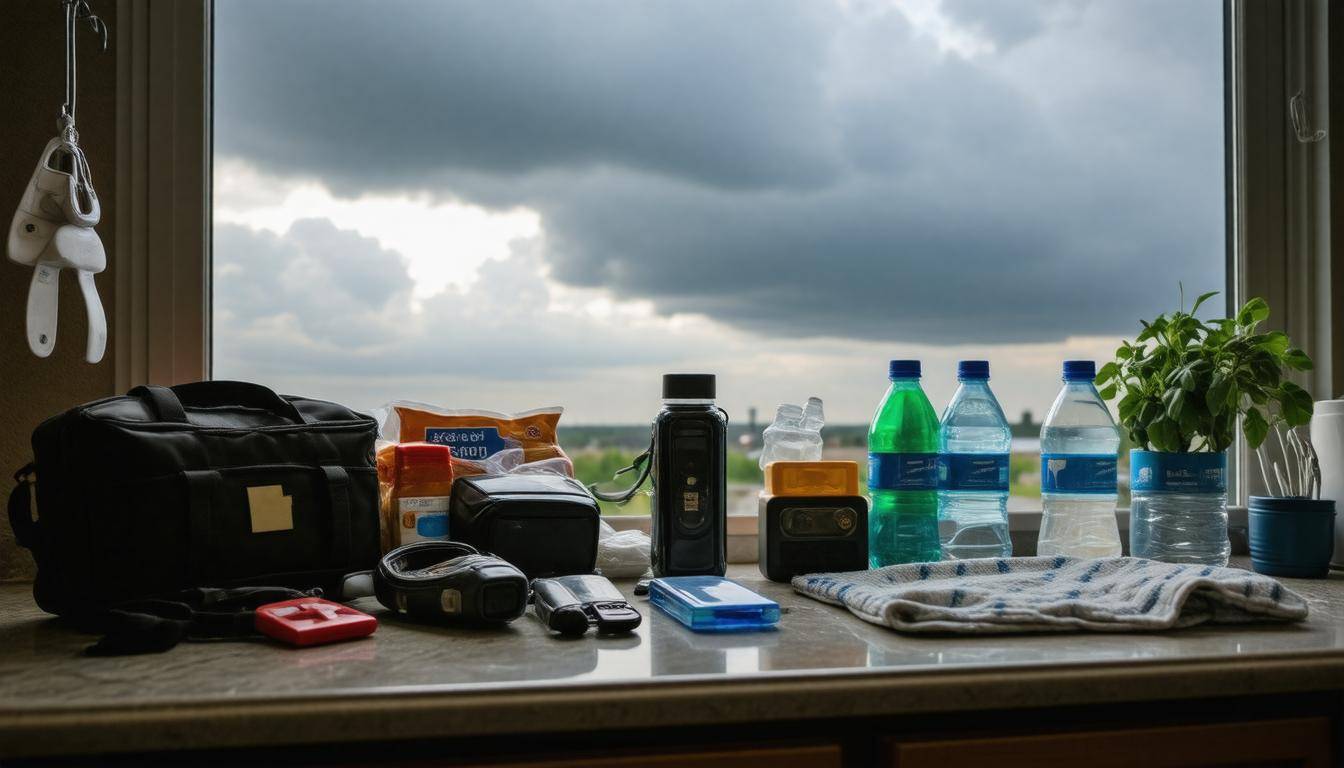
Tornadoes, though infrequent in urban settings like Chicago, should not be dismissed as an impossibility. With an average of 1 to 3 tornado events annually in the city, residents must stay informed and vigilant. The misconception that Lake Michigan shields the city from such storms is rapidly being disproven by recent data and occurrences.
As trends shift, we’ve witnessed tornadoes touching down even during traditionally off-peak months like fall and winter. To emphasize this change, nearly 80% of Illinois’ tornado activity typically occurs between April and June; however, instances outside this window are increasing, indicating the potential for surprises and requiring a more proactive approach to preparedness.
For instance, the 2020 Rogers Park tornado illustrated that no neighborhood is immune. This unexpected event served as a wake-up call for many residents who previously felt secure behind the lake’s defenses. Just when one might assume that the city’s density would offer some protection, urban landscapes can create unique wind conditions that might enhance storm severity based on how wind maneuvers around buildings.
Understanding these changes means adapting your perceptions of risk. Residents cannot afford to rest on outdated beliefs; instead, they must evaluate their preparedness continuously.
When you combine these considerations—the increasing occurrence of tornado events and evolving understanding of risks—it’s clear that preparation takes precedence in ensuring safety. The National Weather Service stresses monitoring local forecasts and being aware of alerts issued by organizations like NOAA. Implementing a family emergency plan will help establish clarity during chaotic storms; it should include predetermined evacuation routes and communication strategies.
Furthermore, preparing your home is equally crucial. Ensure you have a designated safe area, such as a basement or windowless interior room, with an emergency supply kit filled with essentials: non-perishable food, water, a flashlight, batteries, and first-aid supplies. Having this kit won’t just provide peace of mind—it could quite literally save lives if disaster strikes.
With these preparations in mind, let’s explore how to develop a comprehensive strategy that keeps your loved ones safe during emergencies.
Crafting a Safety Plan
Having a personalized safety plan isn’t just a good idea; it’s vital for ensuring everyone’s safety when tornado warnings threaten. The first step in creating this plan is to identify specific safe locations in each place you frequent—be it your home, workplace, or public areas.
For homes, consider the basement as your primary shelter spot; it’s typically the safest area since it places you below ground level and away from any flying debris. If you don’t have a basement, look for an interior room without windows, such as a closet or bathroom. Interior rooms minimize exposure to wind and projectiles, which are critical during severe weather.
In workplace settings, familiarize yourself with the building’s emergency plan, which should detail designated safe spots. It’s paramount to stay informed about the safest places based on your specific working environment. In public areas like malls or schools, proactively identify exits and pay attention to announcements or instructions from officials during storms.
Once you’ve established where to go during a tornado, the next crucial action is to practice this plan regularly.
Regular drills help everyone feel more confident and clear-headed when those panic-inducing moments occur. Gather all family members or colleagues to walk through the steps of your safety plan, emphasizing how to get to the safe room quickly and what supplies they might need once inside.
As Jane from Wicker Park shared, “Our family runs tornado drills every spring. When the real warning hit, we knew exactly what to do.” This statement resonates deeply because familiarity reduces fear; when people know their roles and paths to safety, panic can be significantly mitigated.
-
Home: Make sure everyone knows the route to the basement or designated interior room.
-
Workplace: Collaborate with coworkers during drills; discuss how you can assist each other.
-
Public Area: Always confirm how emergency plans operate in these spaces; staying vigilant is crucial.
Keeping communication open about your tornado preparedness not only builds awareness but fosters a culture of safety within your community.
Ensure that emergency kits are ready and equipped with essentials: water, non-perishable food, flashlights, batteries, and first aid supplies stored in easily accessible locations. This readiness will make all the difference during an actual emergency situation should one arise unexpectedly.
Your proactive approach toward establishing and practicing a comprehensive safety plan tailored to different environments connects seamlessly with preparing practical resources for emergencies ahead.
Building Your Emergency Kit
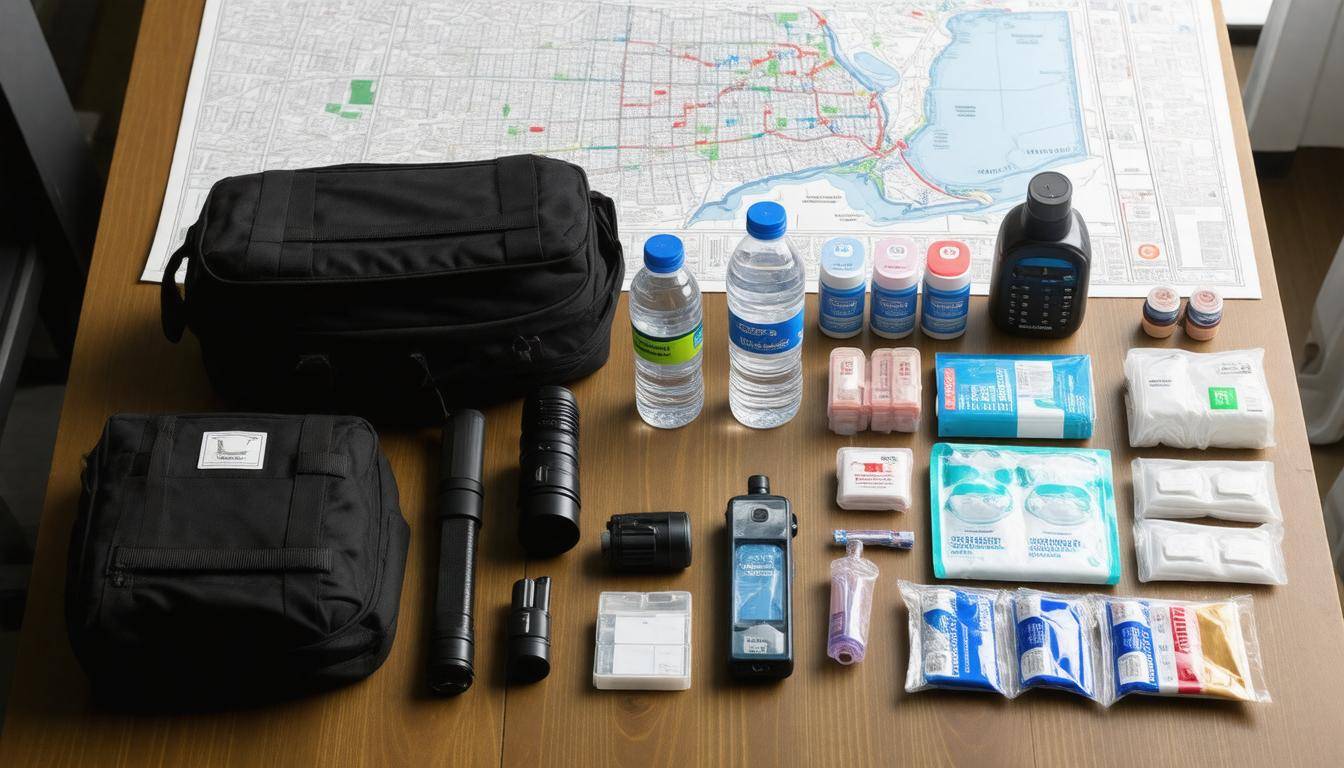
Your emergency kit should be your go-to resource in times of crisis, providing everything you need to stay safe for at least 72 hours. Start by including non-perishable food—items like canned goods, granola bars, and dried fruits are excellent options, as they won’t spoil and can easily provide vital energy when you need it most. Imagine yourself huddled in a small room during a storm; that pack of granola bars can be a comforting snack amidst the chaos.
- Non-perishable food: Stock up on items that require no refrigeration.
- Water: At least one gallon per person per day is essential for drinking and sanitation.
- Medications: Don’t forget any necessary prescriptions; consider a small supply of over-the-counter medications like pain relievers.
- Flashlights and extra batteries: Power outages are common during storms, so you’ll want light at your fingertips.
- First-aid kit: Having bandages and antiseptic wipes ready can be lifesaving in case of injuries.
- Important documents: Keep high-priority items like insurance policies stored in a waterproof container so they remain secure.
- Phone chargers and emergency contact numbers: A portable charger may be your lifeline to the outside world.
Having these items ready ensures you won’t waste precious time gathering supplies during the chaos of a tornado warning. It’s crucial to think ahead about what you might need, especially if you’re responsible for others, such as family members or pets.
Including pet supplies in your kit is equally important for those with furry friends. Just like humans, they have needs too—bring along some pet food and water, as well as leashes and carriers if necessary.
Furthermore, it’s wise to familiarize yourself with your local weather alerts and emergency procedures specific to your area. Think of it as upgrading your toolkit; knowing how to act swiftly could greatly enhance your safety when minutes matter most.
Some may argue that an emergency kit seems excessive or unnecessary; however, considering the unpredictable nature of tornadoes—especially in urban areas like Chicago—being prepared is not just prudent but essential for peace of mind.
Proper preparation allows you to respond effectively instead of reactively when emergencies strike, minimizing risks associated with panic or confusion.
Building an effective emergency kit is about preparedness and foresight. Take a couple of hours this week to put together all essential components into one easily accessible location—perhaps a closet or under the stairs—so that you’re ready no matter what comes your way.
As you gather these critical supplies, the next step is to understand where to find refuge when severe weather strikes, ensuring you’re safe from harm’s reach when it matters most.
Locating Safe Shelters
When the threat of a tornado looms, knowing where to go for safety is paramount. The safest options are typically substantial buildings that stand away from windows and doors. While you may instinctively think of your own home, it’s essential to have multiple plans in place. For those who live in urban settings like Chicago, community centers and schools serve as excellent choices due to their reinforced structures specifically designed to withstand severe weather events.
Imagine it’s stormy outside, and the news announces a tornado warning. You’re at home, and your heart races while you remember your preparedness plan. If you have a basement, this is the ideal location; just ensure nothing can fall on you. But let’s say you don’t have a basement—what then? Don’t worry! Your next best option is a small interior room on the lowest floor of your house. Think about spaces such as closets, bathrooms, or even central hallways. These areas often have less exposure to wind pressure and provide vital structural support during strong storms.
The choice of where to seek shelter isn’t random; it’s about understanding the physics of strong winds and flying debris during a tornado. Even robust homes can suffer catastrophic damage if windows are shattered and wind finds its way into open areas. By prioritizing these interior spaces, you create an environment more likely to keep you safe.
It’s also wise not to underestimate community preparedness initiatives. Chicago has 12 designated tornado shelters placed throughout the city. With an average distance of only 1.5 miles from any point in Chicago to these shelters, it’s advisable to identify your nearest one ahead of time. The Chicago Office of Emergency Management urges residents to plan their route to these shelters. When catastrophe strikes, knowing the quickest way there can be life-saving.
Keep in mind that in 2023, local authorities improved emergency response systems by implementing real-time alerts through Notify Chicago. This means that during severe weather warnings, getting timely notifications could help direct you toward the safest location before conditions worsen.
Taking these steps ensures you’re ready should an emergency arise, paving the way for our next discussion about what comes after survival: the essential tasks for recovery and safety.
Post-Tornado Cleanup Steps
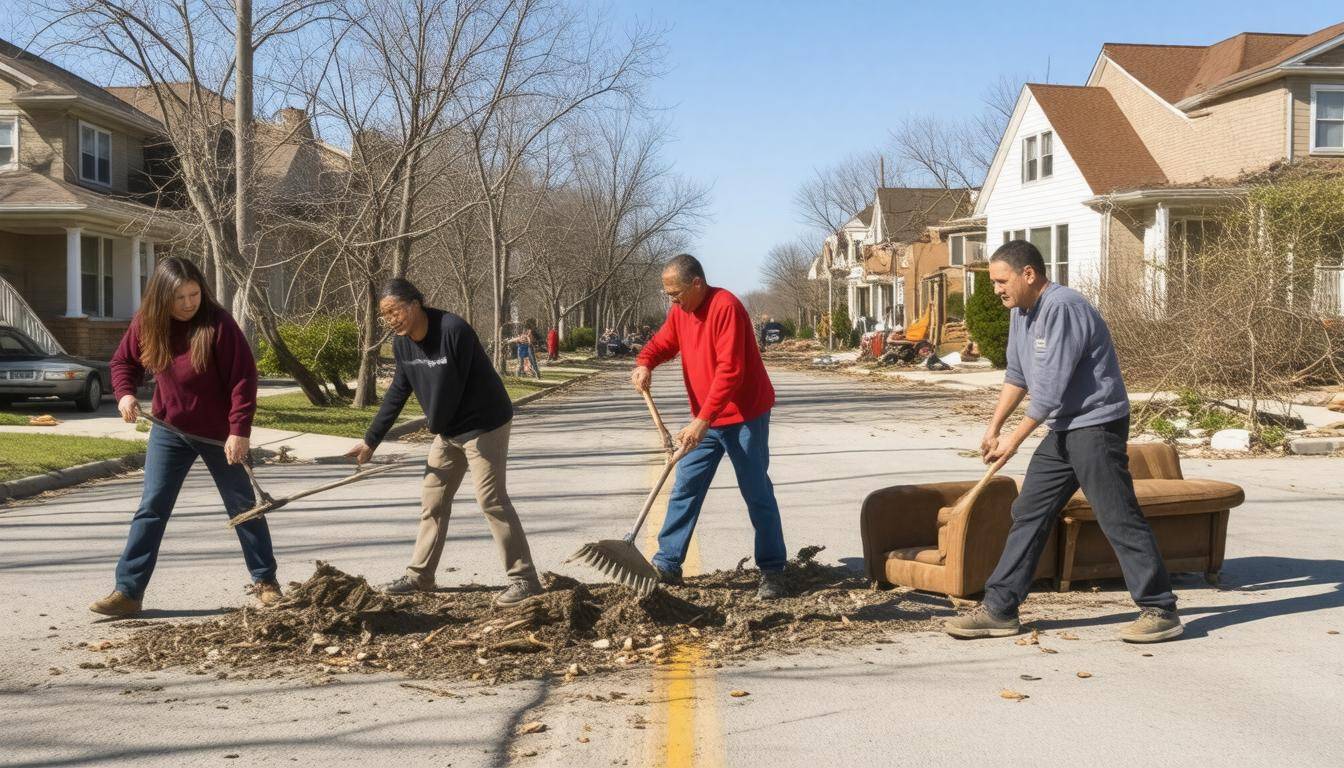
Cleaning up after a tornado is a task that shouldn’t be rushed; it requires a thoughtful approach to ensure safety and efficiency. The first step in this critical process is to carefully assess the area before you begin any cleanup efforts. Verify that everything is safe by contacting local authorities who can confirm gas leaks or potential electrical hazards present. It’s like checking the waters before diving in—you want to guarantee that it’s safe enough to proceed.
Once you have confirmation that the area is secure, it’s time to gear up properly. This means putting on sturdy boots and gloves to protect yourself from sharp debris, nails, and other dangerous objects scattered about. As you survey the damage, don’t forget to document everything with your camera or smartphone. Taking photos not only helps you track what needs attention but also serves as critical evidence for insurance claims later on. You’ll want comprehensive documentation reflecting the extent of the cleanup required.
“Always assume there’s hidden danger; if something looks suspicious, it probably is,” emphasizes regional safety expert Sarah Thompson.
After assessing safety conditions, you can begin the actual cleanup process by tackling larger debris first. Start by moving any fallen tree branches or sizeable items that block pathways. It’s often recommended to create clear piles for easier removal afterward. When dealing with smaller debris or hazardous materials—such as broken glass or chemicals—take your time and use appropriate tools for safer handling. This could include shovels for gathering loose material and brooms for finer cleanup.
Local contractor Mike Greene wisely advises hiring professionals when encountering hazardous waste: “It’s better safe than sorry. Certain materials require special handling.” Whether it’s asbestos insulation or chemicals from damaged storage containers, professional help ensures that cleanup won’t cause more harm than good.
By prioritizing safety in your cleanup efforts, you’ll set the stage for efficient recovery. With these steps firmly in mind, it’s essential next to consider how to safeguard your assets against unforeseen disasters.
Disaster Insurance Tips
Proper insurance plays a crucial role in safeguarding your financial well-being should a tornado strike. Many people assume their homeowner’s policy automatically covers all types of storm-related damage, but this isn’t always the case. It’s essential to carefully review your homeowner’s policy to confirm that it includes wind damage resulting from tornadoes. However, what many do not realize is that flood damage caused by rain associated with tornadoes isn’t typically included in standard policies.
“After experiencing a tornado, I realized my insurance didn’t cover all the damages,” says Laura from Lincoln Park, reflecting the disappointment many share when they discover gaps in their policies right after disaster strikes.
It’s not just about having insurance; it’s about having the right kind of insurance. Consider adding a comprehensive disaster policy that covers both wind and water damage if you’re in a vulnerable area. This simple step could save you thousands of dollars and headaches in the aftermath of a storm. The key here is to engage proactively with your insurance options rather than reactively following a disaster.
Understanding your policy details now can make a significant difference later. A thorough examination of your coverage will allow you to identify any exclusions or limits before a crisis hits. For example, take note of any specific clauses regarding natural disasters, maintenance responsibilities, and claims processes.
Additionally, as part of your preparatory measures, documenting your belongings can streamline potential claims after a tornado. Take photos or record videos that showcase your home’s interior and exterior as it stands today—this evidence serves as invaluable support for any claims you might need to file later on.
Insured or not, staying informed during storms is crucial; the more prepared you are for natural events and the nuances of your individual insurance policies, the less stressful recovery will be should you face an unfortunate situation. Next, we’ll explore how to effectively keep track of weather updates and alerts.
Staying Updated on Weather Alerts
Timely weather alerts can indeed be lifesaving, especially during tornado season in Chicago, where swift action can make all the difference. Utilizing a combination of alert systems will bolster your awareness and keep you informed when severe weather strikes. For instance, tapping into NOAA weather radios is one reliable method; they provide critical updates directly from the National Oceanic and Atmospheric Administration, ensuring you’re receiving accurate information about changing conditions. What’s more, these radios are designed to transmit specific alerts regarding severe weather, making them a must-have during storm season.
However, diversifying your sources is equally important. Downloading mobile apps that specialize in weather alerts offers instant notifications right to your smartphone. This means even if you’re on the go, you’ll get updates without needing to watch television or check the radio. Many of these apps come with visual aids that show radar images and warnings directly. The downside? They depend heavily on your phone’s battery life, which is something to consider if a storm knocks out power unexpectedly.
| Source | Pros | Cons |
|---|---|---|
| NOAA Radio | Reliable and specific | Limited to audio alerts |
| Mobile Apps | Instant notifications & visual | Dependent on phone battery |
| Local News | Detailed reports | Possible delay in coverage |
Local news channels also play a vital role by providing detailed reports and updates. They’ll often have meteorologists discussing the situation as it unfolds, giving context beyond what other sources offer. However, be aware that depending on breaking news scenarios, there might be delays in coverage due to higher-priority events taking precedence.
Having multiple alert systems ensures you don’t miss critical information. You might find yourself near a radio or watching local news one day, and another day out and about with just your mobile app. The blend of audio, visual, and contextual alerts from various sources keeps you several steps ahead when conditions change quickly.
Lastly, consider community resources such as local emergency management websites or social media pages. These platforms often upload timely warnings specific to your area or even hold community preparedness events that educate residents on how to respond effectively during emergencies. By remaining engaged with these resources—both online and offline—you can ensure that when a tornado warning is issued, you’re prepared to act swiftly and safely.
As we shift gears from weather updates towards valuable tools and networks available in times of crisis, understanding local resources will further enhance your readiness for any unexpected situations.
Community Resources and Support
Utilizing community resources is an invaluable component of tornado preparation and recovery. The American Red Cross, for instance, plays a critical role in providing immediate assistance during emergencies. Their services extend beyond shelter; they also offer essentials like meals and first aid supplies.
As Tom, a resident of South Chicago, shared in a conversation, “Our community center provided meals and temporary shelter when we needed it most.” This highlights the importance of knowing where to turn when disaster strikes.
Local shelters often serve as lifelines during crises. Keep their contact information on hand and consider visiting them ahead of any severe weather. Engaging with local emergency preparedness groups can be extremely beneficial. These organizations routinely host training sessions and drills that equip residents with essential survival skills. Participating in these programs not only boosts your confidence but also fosters a sense of camaraderie among participants.
Building a network doesn’t stop at formal organizations; connecting with your neighbors can create a robust support system. Discussing tornado plans with those who live nearby ensures that everyone is on the same page when urgency arises. You might even consider forming a neighborhood safety group where you conduct joint drills or share emergency supplies.
Beyond individual preparedness, this community involvement creates a safety net where everyone looks out for one another. When families unite by discussing plans and sharing resources, they strengthen the resolve to face unpredictable weather challenges together.
Leveraging these community resources builds not just personal resilience but fosters a supportive environment capable of tackling tornado threats effectively. By banding together, you not only prepare yourself but also uplift others around you—ensuring that everyone has access to support and safety during turbulent times ahead.
By taking advantage of available resources and fostering community connections, Chicago residents can enhance their tornado preparedness and resilience significantly.
Are there any local organizations that provide tornado preparedness training or resources in Chicago?
Yes, in Chicago, organizations such as the American Red Cross of Illinois and the Chicago Office of Emergency Management and Communications offer tornado preparedness training and resources. They provide community workshops, safety kits, and online resources to help residents understand how to respond before, during, and after a tornado. Given that Illinois experiences an average of 50 tornadoes annually—many affecting the Chicago metropolitan area—local preparedness efforts are crucial for ensuring public safety.
Where are the safest places to take shelter during a tornado in Chicago?
The safest places to take shelter during a tornado in Chicago are interior rooms on the lowest level of a sturdy building, such as basements or storm cellars, away from windows. If you do not have access to a basement, an interior hallway or closet can be effective. According to FEMA, being below ground significantly decreases your risk of injury, as above-ground structures are more susceptible to collapsing or debris. Always prioritize being anchored in a well-built structure during severe weather events.
What steps should I take immediately before, during, and after a tornado strikes?
Before a tornado strikes, ensure you have a safety plan in place, including identifying a safe room or storm shelter, and keep an emergency kit ready with essentials like water, food, and first-aid supplies. During the tornado, seek shelter immediately in your designated safe area and avoid windows; crouch low to protect yourself from flying debris. Afterward, stay tuned to weather updates for safety information and be cautious of hazards like downed power lines. According to the National Weather Service, being prepared can significantly reduce injuries during severe weather events.
How can I create an effective emergency kit for tornado preparedness?
To create an effective emergency kit for tornado preparedness, include essentials such as a portable battery-operated radio, flashlight with extra batteries, first-aid supplies, non-perishable food items, bottled water (at least one gallon per person per day for three days), and important documents in a waterproof container. According to the National Weather Service, most tornado-related injuries occur from debris; thus, having sturdy gloves and protective goggles can be lifesaving. Additionally, consider including a whistle to signal for help and a multi-tool or Swiss Army knife for emergencies. Remember to revise your kit every six months to ensure all items are functional and not expired.
What are the most common tornado risks faced by residents in Chicago?
The most common tornado risks faced by residents in Chicago include high winds, hail, and flying debris, which can result in severe property damage and injury. While Chicago is not as frequently hit by tornadoes as other Midwest locations, it still experiences a notable risk; in fact, the National Weather Service reports that Illinois averages about 50 tornadoes each year. Given the urban environment, the impact of these tornadoes can be exacerbated due to tall buildings and infrastructure that can create dangerous wind tunnels. Being prepared with safety tips and having a reliable emergency plan can significantly reduce these risks for residents.