
Wildfires can strike when you least expect them, turning peaceful skies into chaotic scenes in a matter of minutes. If you’re living in Colorado, it’s vital to prepare yourself for the possibility of needing to evacuate at a moment’s notice. Imagine packing for an emergency, knowing you have only a short time to gather what you need to stay safe. It can be overwhelming! However, having a well-thought-out wildfire evacuation kit can make all the difference. This article will guide you through assembling a comprehensive kit filled with essential items that will help ensure your safety and comfort during such uncertain times. Let’s dive into what you should include in your evacuation kit so that when the alarm sounds, you’re ready to go!
In your Colorado Wildfire Evacuation Kit, you should pack a 3-day supply of non-perishable food and water, necessary medications, a first aid kit, extra clothing, important documents, a flashlight with batteries, pet supplies, and a map with evacuation routes. Preparing this kit ahead of wildfire season ensures you can evacuate swiftly and safely when faced with an emergency.
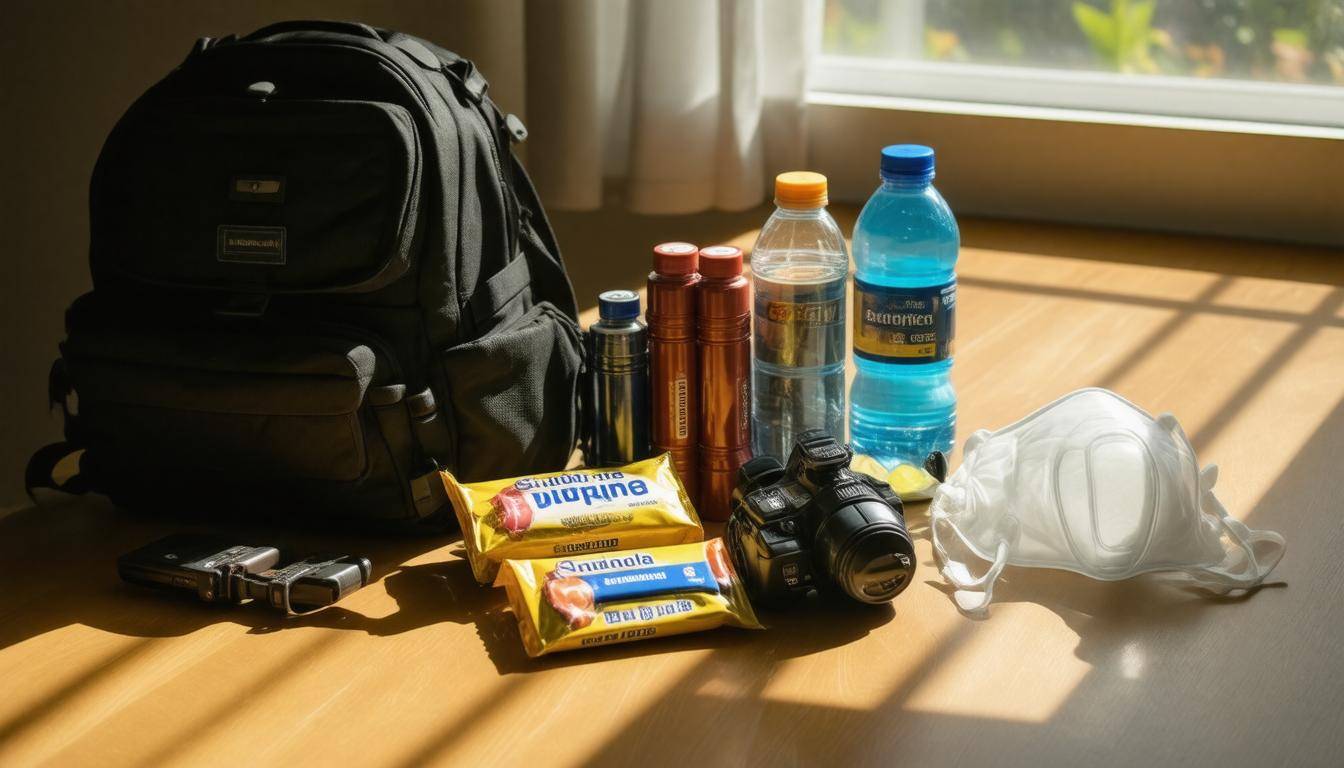
Essential Items for Your Wildfire Evacuation Kit
When assembling your wildfire evacuation kit, having a backpack or storage bin that suits your needs is critical. A durable backpack allows you to keep hands-free while navigating away from danger, and offers easy portability when time is of the essence. If you prefer spaciousness over mobility, a large storage bin can accommodate more supplies and be grabbed quickly on your way out. The key is to have a manageable yet comprehensive collection of items ready at a moment’s notice.
Next in line is your first aid kit, which should be as extensive as possible. An ideal first aid kit includes various components: bandages for cuts, antiseptic wipes for cleanliness, tweezers for splinters, adhesive tape to secure dressings, gauze for larger wounds, pain relievers such as ibuprofen or acetaminophen, and scissors for cutting if necessary. Ensure this kit is stored in a waterproof container to protect it against moisture. This small detail can make all the difference during an emergency when health and comfort become paramount.
Once you’re armed with medical supplies, think about how you’ll navigate darkened paths.
A flashlight with extra batteries is another vital piece of equipment that should never be neglected in your evacuation gear. During power outages or smoke-filled environments, a reliable flashlight will guide you safely where visibility may be compromised. Don’t forget to stock up on extra batteries; they are crucial in prolonging the life of your flashlight when you need it most. Consider options like hand-crank flashlights to eliminate battery dependency altogether, providing peace of mind.
Beyond these essentials, consider including:
-
Enough non-perishable food items such as granola bars and dried fruits to sustain each person for a minimum of three days.
-
At least three gallons of water per person—hydration cannot be overlooked during stressful evacuations.
-
Copies of important documents sealed in waterproof bags can streamline personal identification processes after the emergency has passed.
Having these essentials ensures you’re prepared for the basics; however, focusing next on nourishment and ensuring you have access to resources is equally essential.
Food and Water Supplies
Ensuring access to adequate food and water is crucial in the face of adversity like a wildfire evacuation. Your body needs fuel to handle the stress of an emergency, and hydration is essential, especially if you’re on the move. You should aim for at least one gallon of water per person per day—this amounts to three gallons for a three-day evacuation period. Not only does this keep you hydrated, but it also helps stave off anxiety as you focus on your loved ones rather than on thirst.
Non-perishable food items are equally important. You’ll want a three-day supply, making sure it’s calorically dense enough to sustain energy levels. The recommended average intake is approximately 2,000-2,500 calories daily during emergencies. This could include anything from canned meats and vegetables to energy-dense snacks like granola bars or trail mix filled with nuts and dried fruits.
But what about convenience? During evacuations, you may not have access to cooking facilities, so it’s wise to include items that do not require preparation. Think of things like protein bars or canned fruit—these are easy to open, eat quickly, and provide essential nutrients without hassle.
Don’t forget about the manual can opener! It’s one of those small items that can easily be overlooked but will be invaluable if you pack canned goods.
Another helpful tip is to store your food in airtight containers. This keeps it fresh and protected from contamination; nobody wants stale granola bars when they’re already under stress!
To summarize:
- Water: One gallon per person for each day of evacuation.
- Non-perishable foods: Include both canned items and high-energy snacks like protein bars.
- A manual can opener: Essential for accessing canned foods quickly.
According to FEMA, having sufficient nutrition boosts your resilience during stressful times. It allows you to think clearly and ensure that everyone is taken care of while planning your next moves after evacuating.
While ensuring you’re well-fed and hydrated is vital for survival, addressing other necessities like clothes will improve overall comfort during uncertain times.
Clothing and Personal Essentials
When preparing your evacuation kit, the clothing you choose can make a significant difference in ensuring comfort and safety during what could be a stressful experience. It’s essential to focus on layering. Begin with a moisture-wicking base layer to keep sweat away from your skin.
Add an insulating middle layer like fleece or wool, which traps heat without adding bulk. Finally, pack a waterproof outer layer to protect against unexpected rain or embers that may float through the air during a wildfire. With varied temperatures in Colorado, having three sets of clothes allows for flexibility during unforeseen weather changes.
Beyond just packing layers, consider the fabric of your clothing. Choose natural fibers such as cotton or wool, as they tend to be less flammable compared to synthetic alternatives. It might sound trivial, but it’s a component that could play a vital role if you’re unexpectedly exposed to heat.
Don’t forget about footwear; this is where practicality merges with necessity. Sturdy, closed-toe shoes or boots are imperative for traversing rough terrain quickly and safely. During the chaotic moments of an evacuation, slipping on something comfortable yet supportive can make all the difference.
One local evacuee shared a valuable lesson: “I underestimated the terrain and regretted not packing a good pair of hiking boots.” Having that durable footwear readily available ensures you’re ready for whatever the journey throws at you.
In addition to clothing, pay attention to personal hygiene items. Pack travel-sized toiletries, wet wipes, and hand sanitizer; these can help maintain hygiene in situations where facilities might be limited or non-existent. A clean environment can have a profound impact on your mental state when facing adversity. Keeping everyone well-groomed helps foster an emotional sense of normalcy amid chaos.
- Include N95 respirator masks to filter smoke and particulates.
- Carry a wide-brimmed hat for sun protection, particularly if you’re outdoors for any extended period.
- Stash an extra set of eyeglasses or contact lenses if applicable; vision should never be compromised in an emergency.
By carefully curating your clothing choices and personal essentials, you heighten your ability to respond effectively during an evacuation while ensuring comfort and safety throughout the ordeal. Now, let’s explore how to enhance the security and preparedness of your living space in light of potential wildfire threats.
Preparing Your Colorado Home
Preparing your home effectively can often mean the difference between safety and disaster in the event of a wildfire. This entails more than just physically packing belongings; it involves creating an environment that minimizes risk. One of the first actions to consider is creating a defensible space around your property, meaning making the area surrounding your house as fire-resistant as possible.
Step-by-Step Preparations
To start off, clearing vegetation plays a crucial role in fire prevention. Imagine walking into your backyard and seeing dried leaves, dead shrubs, and overgrown grass—all potential kindling waiting for an errant spark. Removing any dead plants and flammable materials within 30 feet of your home creates this defensible zone where flames can’t easily reach, increasing the safety of your property. Regularly trimming trees back and ensuring grass stays well-watered further reduces risks, especially during those hot Colorado summers.
Once you’ve cleared away flammable debris, it’s important to think about how embers might still make their way into your home through seemingly harmless gaps.
Sealing vents and gaps is another essential step in protecting your home from wildfires. Fine wire mesh can be your best ally here, as it effectively blocks small embers from slipping into soft spots around roof eaves or exterior walls. By “hardening” your home in this way, you reinforce its defenses against wildfires that may sweep through your neighborhood with alarming speed.
While these physical preparations are vital, having a solid emergency plan ties everything together.
Drafting an emergency plan ensures that everyone in your household knows what to do when evacuation is necessary. You can start by detailing potential escape routes—think creatively! What if one road is blocked? Designate alternative routes to avoid confusion during a crisis. In addition to this, select meeting points outside of the danger zone where family members can regroup if separated. Make sure every individual—especially children—understands this plan thoroughly, even conducting practice runs if necessary.
Achieving readiness is about more than just following steps; it’s about fostering awareness and adapting to nature’s unpredictability. Most importantly, having a clear understanding of local wildfire risks can help you stay ahead of emergencies by informing decisions on when to evacuate or reinforce efforts around the house. Taking these proactive measures today will not only safeguard your home but could quite literally save lives when nature calls for confrontation.
As you prepare your environment and establish your plan, keep in mind that other critical elements contribute significantly to overall safety in challenging situations. Let’s explore what tools and equipment could enhance survival during such critical times.
Safety and Survival Gear
When preparing for the unpredictable nature of wildfires, it’s crucial to think beyond just food and water; safety gear can make all the difference in emergency situations. Among these items, N95 masks are vital. These masks effectively filter out smoke and ash particles, providing much-needed protection for your lungs during evacuations or while navigating through smoky environments. Having several on hand ensures that every family member stays safe and healthy when the air quality deteriorates.
Equally beneficial is packing a multi-tool. This versatile gadget is not only handy for various emergency tasks but can also help with quick repairs or setting up temporary shelters if your evacuation extends beyond just a brief period away from home. Think of it as the ultimate Swiss Army knife—ready for anything from opening canned goods to securing loose items in your vehicle.
In addition to these essentials, having a fire extinguisher could be your frontline defense against small fires that may occur unexpectedly during an evacuation or once you reach a waiting area. For instance, if you’re caught in embers flying through the air while closing up your home, being able to quickly douse flames can protect both your belongings and your safety.
Alongside these tools, don’t overlook the importance of carrying a simple whistle. It seems minimal at first glance, but during chaotic evacuations where sound can get lost in the roar of flames or sirens, a whistle serves as an effective way to signal for help or alert rescuers to your location. Sound carries farther than yelling, making it an ideal communication tool when you need assistance.
Investing in these items can significantly improve your chances of staying safe amidst chaos and serve as immediate signals for help when necessary. Each piece of gear enhances your ability not only to protect yourself but also to navigate unforeseen challenges that arise during emergencies.
Finally, consider keeping some additional safety gear and survival supplies close by. Items like sturdy gloves for handling hot materials, long-sleeve shirts, and fire-resistant clothing are critical for providing protection if you find yourself too close to a fire’s edge while fleeing. Additionally, having emergency blankets, often known as space blankets, can provide warmth during chilly nights spent outdoors away from home.
By ensuring that your evacuation kit encompasses this essential safety gear, you’ll be taking significant steps toward confronting any challenges that may arise during emergencies. As we continue to explore readiness for crisis situations, let’s focus on another vital aspect of preparation—medical supplies you’ll need at hand.
Emergency Medical Supplies
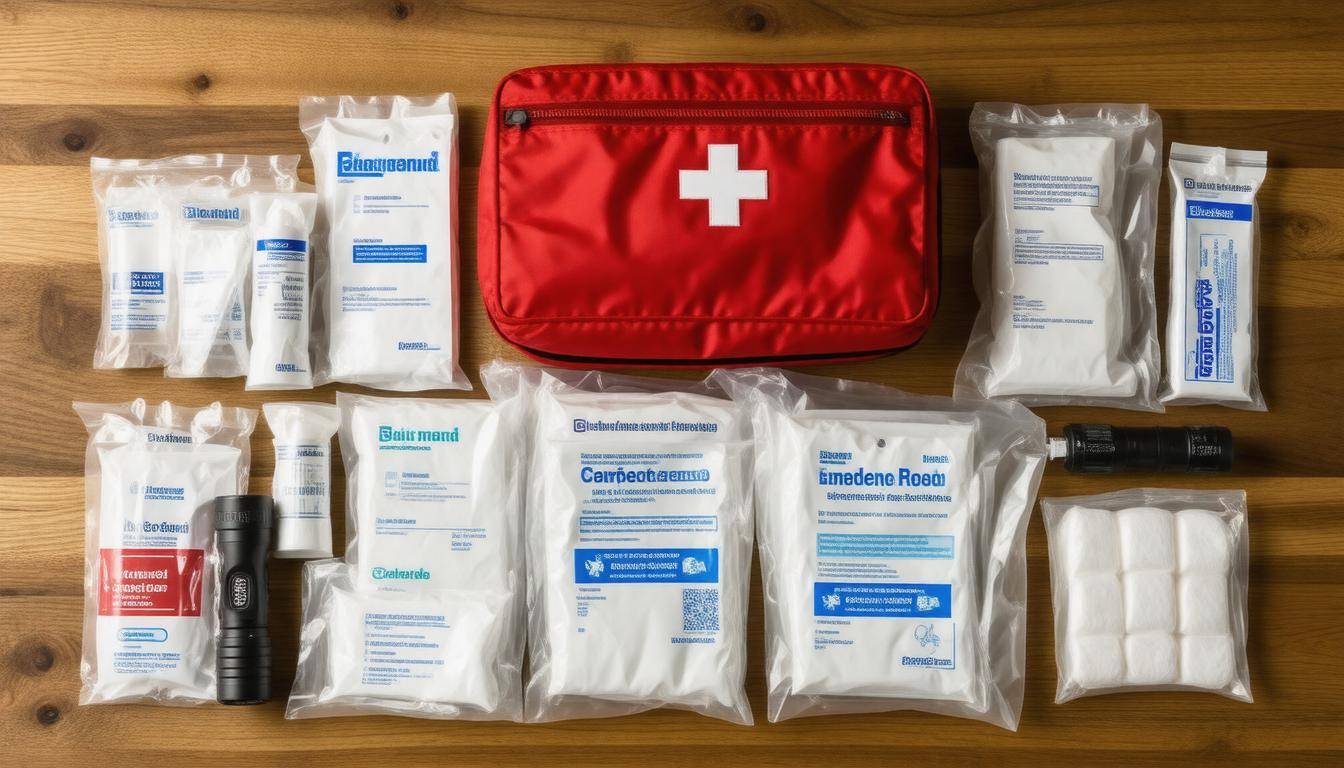
First and foremost, having a well-stocked selection of emergency medical supplies can be life-saving. Your evacuation kit should prioritize these essentials because they address basic health needs when time is of the essence and access to regular care is uncertain. Picture this: you’re forced to evacuate quickly, leaving behind daily comforts and routines. Amid the chaos, knowing you have essential medical supplies on hand grants peace of mind.
Prescription Medications
Begin by packing at least a week’s supply of prescription medications for each family member. This includes not only pills but also any required devices like inhalers or EpiPens for allergies. Make sure to keep an updated list detailing each medication along with their dosages. Don’t forget to highlight any allergies that could become critical under stressful situations; having this information readily available allows for quicker response times if someone experiences a reaction.
An organized approach ensures that your specific health needs are addressed without delay. Store all medications in waterproof bags to protect them from the elements.
Over-the-Counter Medications
Next, include over-the-counter (OTC) medications that your family commonly uses, recognizing their significance in managing minor health issues during evacuations. Items like pain relievers (e.g., ibuprofen or acetaminophen), fever reducers, and medications for diarrhea should never be overlooked. These small additions might seem insignificant until you’re faced with an unexpected headache or discomfort while away from the comforts of home.
While packing these essentials, keep accessibility in mind; choose easy-to-open packaging and store these medications at the top or in a separate compartment of your go bag so you can swiftly reach them if necessary. Consider creating small labels for each medication pouch, indicating its purpose to avoid confusion during high-stress situations where clarity is vital.
Taking steps to prepare your emergency medical supplies not only assists in managing existing conditions but also empowers you through any unexpected challenges that may arise during an evacuation. With this foundation in place, let’s explore the importance of securing invaluable documents and treasured items as part of your overall safety strategy.
Important Documents and Valuables
In a time of crisis, during an evacuation, it’s crucial to have all your important documents and valuables packed and ready to go. Imagine facing the aftermath of a wildfire and needing to prove your identity or access your insurance; not having those key documents could be a significant setback. That’s why we often say: think of your documents like treasure maps—without them, finding your way after a disaster can be nearly impossible.
Your go-bag should contain a collection of identification documents that are necessary not only for establishing who you are but also for reaccessing various services later on. This includes passports, driver’s licenses, and social security cards. In addition to your IDs, you’ll want to compile financial documents such as copies of bank account information, credit card numbers, insurance policies, and income tax records. Storing these documents together allows for quick retrieval when you need them most.
Furthermore, it’s also important to have documentation related to your property. Consider adding:
- Deeds for your home and any other properties.
- Vehicle titles.
- Photographs of your property in good condition for insurance claims.
Being organized is key during emergencies. It’s wise to keep digital copies of these essential documents stored in a safe cloud location or encrypted USB drive that you can access on-the-go.
By making sure these critical items are in your go-bag, you prepare yourself to face whatever challenges may arise after the evacuation order. You’re positioning yourself not just to survive the immediate aftermath but to thrive as you work on rebuilding what was lost.
Leaving behind valuables can be heart-wrenching when evacuating; having a comprehensive check will help safeguard items that matter most as you transition into the next phase of preparation.
Tips for Packing Your Evacuation Kit
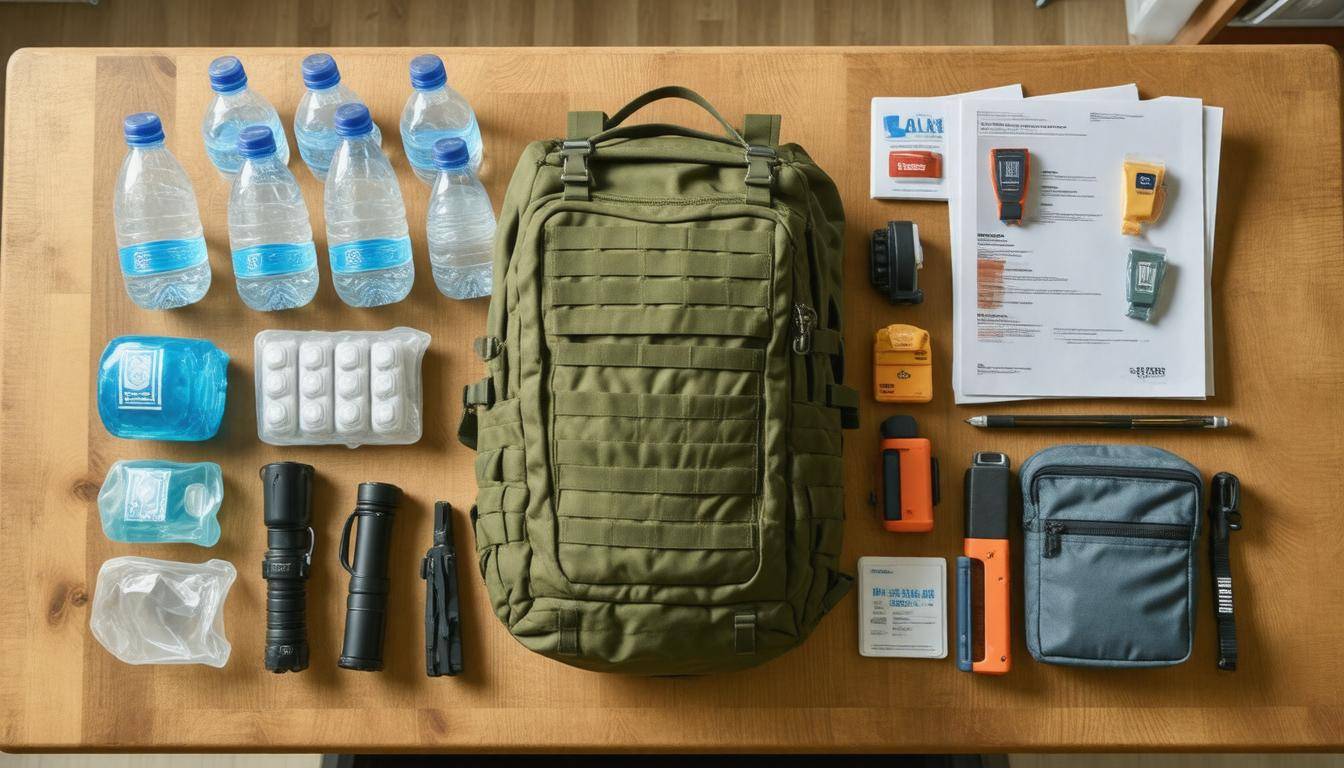
To ensure that you are ready to evacuate at a moment’s notice, thoughtful organization of your evacuation kit is crucial. Everything in your kit should be accessible and easy to transport. The pack should streamline your departure process, creating a system that works under pressure.
Step-by-Step Packing
Start by identifying the most critical items for your emergency situation. Vital supplies such as water, non-perishable food, medications, first aid materials, and important documents should sit atop your kit. Having these essentials within quick reach minimizes hassle when seconds matter. Think of it as forming a lifeline; you want the most crucial things to jump out at you when you unzip the bag.
Next comes the organization itself. Use small pouches or ziplock bags to compartmentalize similar items within your kit. For instance, keep all first aid items in one pouch while designating another for documents like insurance papers and identification. This approach allows you to locate what you need rapidly without wasting time rummaging through the bags.
Step II – Compartmentalize
Lastly, conduct regular drills using your packed evacuation kit. Participating in practice scenarios helps familiarize yourself with what you have readily available and identify any missing items before an actual emergency occurs. This preparation builds confidence among family members and reinforces your plans so that everyone knows what to do in a stressful situation.
Remember: Each drill can reveal details you may overlook during calm moments—like whether your kids can easily lift their bags or whether pets have enough food included in their supplies.
Also, consider keeping an updated inventory list taped inside the bag or attached to the handle. This list serves as a reminder of what needs to be included every time you check or repack your kit, ensuring nothing vital slips through the cracks even when life gets hectic.
By maintaining focus on accessibility, organization, and practice, you’re not only making it easier on yourself during an emergency but also empowering your entire family with confidence in handling unexpected evacuations effectively.