
In times of crisis, clear and effective communication can be a lifeline. Imagine the panic that can ensue when evacuation orders come through, but family members are scattered, and everyone is unsure of what to do next. The heart of any emergency response hinges on knowing how to share vital information quickly and efficiently. Whether it’s through a designated plan, handy technology, or reliable channels for updates, having solid communication strategies in place can make all the difference when every moment counts. This guide aims to help you lay down strong communication foundations that can enhance your readiness for emergencies, keeping everyone safe and informed throughout an evacuation process.
The “Emergency Communication During Evacuation” guide outlines essential strategies for maintaining clear communication with family, emergency services, and community resources during evacuations. It includes tips for creating a communication plan, utilizing available technology, and ensuring quick access to important contact numbers, all aimed at enhancing safety and coordination during critical situations.
Essential Emergency Communication Plans
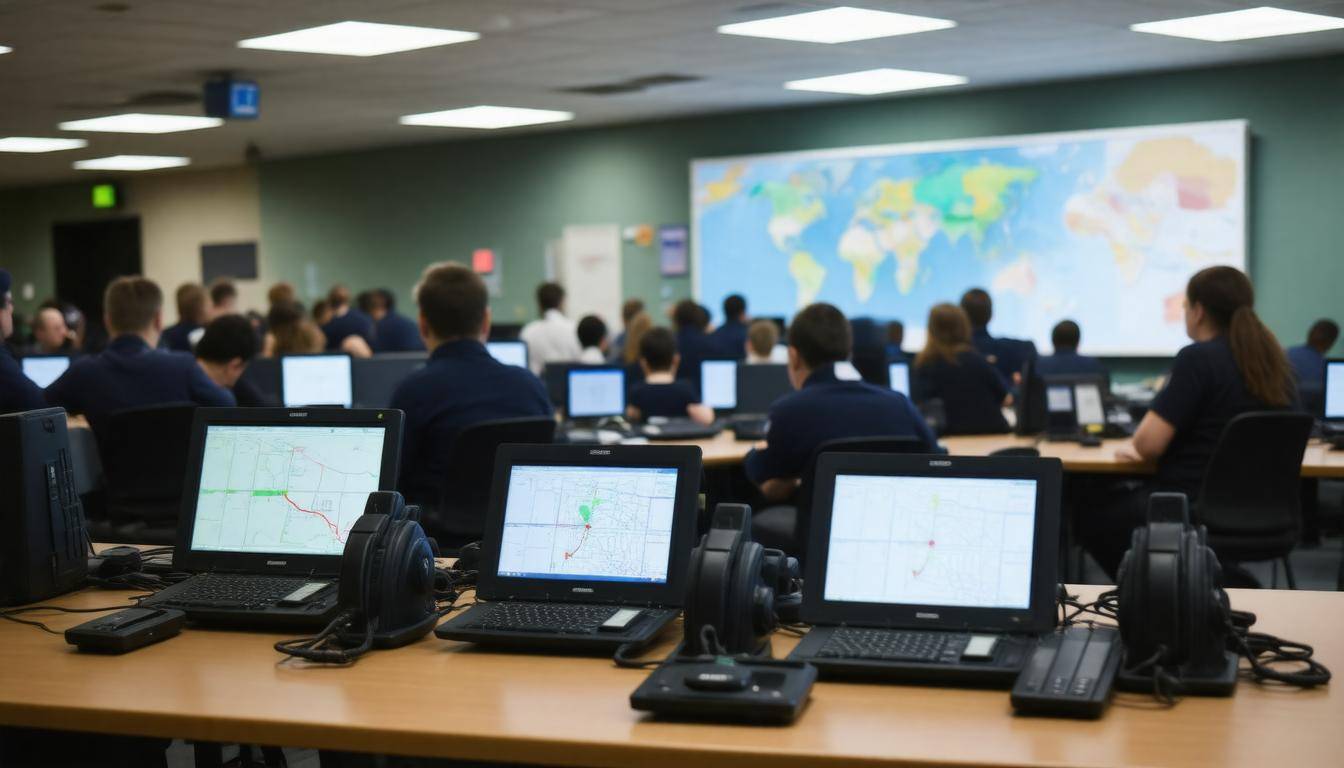
The very foundation of a successful emergency response hinges on robust communication. This means that designing your plan requires thorough attention to detail, particularly when establishing who will be involved, what information needs to be shared, and how it will flow throughout your household or organization.
Step I – Establish a Communication Team
Start by designating both primary and secondary individuals responsible for communication within your circle. This ensures there’s always someone who can relay crucial information if one person becomes unavailable. Perhaps you could designate a “team captain” who takes charge of key updates while another can step in as needed. This systematic division of responsibilities can create a layer of reliability where information flows smoothly and effectively, even under pressure.
When emergencies strike, confusion is the enemy. A designated communication team works to keep everyone informed and focused, ensuring that messages get through without delay.
Step II – Outline Communication Protocols
With your communication team in place, it’s time to outline specific protocols each member should follow. Here’s how:
-
Create an actionable list of emergency contacts: Include local emergency services, family members residing in different areas, and nearby friends. Ensure telephone numbers are current.
-
Establish a clear chain of command: Who communicates what and when? For instance, make sure your team captain knows they’re responsible for liaising with emergency responders or managing group evacuations.
It’s critical that everyone understands how to update their status promptly, whether via text or social media. Regular briefings can help maintain awareness of any changes.
After defining who communicates and how instructions should flow, the next step is accessibility.
Step III – Make the Plan Accessible
Don’t let your solid plan fall flat—ensure it’s easy for everyone to access when needed! Printing multiple copies of your plan and placing them in easily reachable locations—like near the front door or in an emergency kit—ensures that information is never too far away. Additionally, consider saving digital copies on mobile devices so that everyone has access no matter where they find themselves during an emergency.
Utilize cloud storage solutions that allow team members to access the most current version of the plan anytime from anywhere. It’s about ensuring that when the moment calls for action, your strategy is right there at everyone’s fingertips—ready to assist you and your loved ones effectively navigate chaos back into order.
In preparing our communication protocols, we also need to look at the tools available that can help streamline these processes during times of crisis.
Communication Devices to Include
The reliability of your emergency communications is only as strong as the tools you use, so it’s essential to have the right devices in place. Initially, cell phones should become everyone’s go-to tool. They’re integral to daily life and crucial during emergencies. Make sure each family member’s cell phone is charged and equipped with portable chargers or power banks. This way, if you lose power during a crisis, you’ll still have a way to reach out.
Remember, when many people attempt to call simultaneously—like during an emergency—the networks can become congested. Having backup options can be lifesaving.
Next up, consider incorporating two-way radios into your emergency toolkit. These devices often serve as a great alternative when cell networks are down or unreliable, especially for localized communication needs. Imagine being separated from loved ones in an unfamiliar area; two-way radios can bridge that gap and support clear communication over short distances without dependence on cellular infrastructure.
Critical Devices
Another important device to add to your list is an emergency beacon. More specifically, Personal Locator Beacons (PLBs) can effectively send distress signals directly to emergency services even when other forms of communication fail. The best part? These beacons are designed specifically for emergencies—this means they can potentially shorten response times since help knows exactly where you are located.
With these critical devices in mind, let’s expand our focus and explore some additional tools that can further enhance your communication plan.
Additional Tools
As we acknowledge the challenges posed by network unreliability in certain areas, satellite phones emerge as a cornerstone of a robust communication strategy. These devices function independently of local networks by establishing connections through satellites overhead, ensuring that they work even in remote locations where traditional cell coverage fails. Though they come at a higher cost, their proven reliability makes them invaluable in critical situations.
While satellite phones provide a direct line for voice calls, satellite messaging devices offer another layer of versatility and convenience; brands like Garmin or SPOT allow users to send predefined text messages such as “I’m OK” or “Send Help.” This method conserves battery life compared to long calls and helps conserve bandwidth, which is key during emergencies when message relay may be compromised due to high traffic.
Ultimately, having a well-rounded suite of communication devices enables greater flexibility during emergencies and enhances overall preparedness. With this strong foundation established, we can now look at how technological advancements in mobile applications can further augment your ability to stay informed and connected during crises.
Mobile Apps and Alerts
Leveraging mobile applications significantly broadens your ability to receive timely information during emergencies. When balanced with a solid plan, these tools can save lives by ensuring you’re prepared for a range of situations.
One of the primary benefits of mobile apps is their real-time alert capability. They can send notifications directly to your phone, effectively cutting through the noise that comes with more traditional forms of communication. Imagine receiving an instant alert on your phone about severe weather a moment before it hits! That’s the preparation that mobile apps offer.
Recommended Apps
To get started, there are several reliable apps you’ll want to have at your fingertips. The Red Cross Emergency App is particularly useful as it provides real-time alerts and comprehensive information on various emergencies—from tornadoes to floods. The app also includes safety tips and first aid information, which could prove invaluable in a crisis.
Another essential tool is the FEMA Mobile App, designed specifically for disaster preparedness. It not only offers resources on how to stay safe during emergencies but also sends notifications about local disasters that could impact you. It’s incredibly user-friendly and encourages family preparedness.
Meanwhile, the Wireless Emergency Alerts (WEA) system deserves mention as well. Unlike traditional apps, WEA is built into most smartphones and automatically sends critical alerts regarding disasters—even without installing anything extra. This feature alone can provide peace of mind, knowing that important emergency notifications bypass typical app interfaces and go straight to your locked screen.
With those applications in hand, it’s equally important to set up additional alert systems to cover all bases.
Setting Up Alerts
Subscribe to local emergency alert systems to receive text or email notifications tailored to your area. By signing up for these services, you gain access to crucial updates on road closures, evacuation orders, or public health announcements. Many municipalities have dedicated platforms for these alerts, ensuring that residents remain informed and ready to act when necessary.
Moreover, social media platforms like Twitter have emerged as real-time sources of information from official agencies. Many fire departments, police stations, and emergency management offices use Twitter to keep the public informed during emergencies. Following these accounts enables you to receive updates as they happen.
In today’s digital age, being proactive about setting up mobile alerts and using trusted apps can make all the difference in an emergency situation. With the right tools and knowledge, enhancing personal safety becomes possible while empowering those around you by sharing valuable information through these channels when moments count the most.
As we move forward, exploring communication methods like radio frequencies can further enhance situational awareness during emergencies.
Radio and Signal Tools
When it comes to emergency preparedness, having dependable radio and signal tools can greatly enhance your ability to communicate and receive important information when other means may fail. These tools not only keep you informed but can also aid in reaching out for help if needed. Imagine being caught in a storm where cellular networks are congested or completely down—this is where a good radio becomes invaluable.
Importance of Radios
Take a moment to consider the experiences during the 2017 hurricanes, when many families relied on NOAA weather radios for crucial updates while their cell phones remained silent. The sense of connection and information they provided was life-saving. Understanding the functionality of various radios is more than just technical knowledge; it’s about ensuring safety and peace of mind when it matters most.
Types of Effective Radios
Understanding which type of radio suits your needs can be challenging, but here’s a closer look at some effective options available:
Battery-Powered Radios are perhaps the most straightforward choice, providing continuous updates during power outages. They operate independently from the electrical grid, ensuring that you’re informed regardless of the circumstances.
Ham Radios offer long-range communication capabilities but require a license to operate. While you may need to spend some time learning how they work, these radios open up a world of connectivity with both emergency services and volunteer groups during crises, such as natural disasters.
Signal Tools
In addition to radios, incorporating signal tools like emergency flares and whistles into your emergency kit cannot be overstated. When you’re immobilized or in an area where visual contact is challenging, these tools serve as critical lifelines. Flares are highly visible from great distances, while rubber whistles can be heard much farther away than you might expect—up to a mile in optimal conditions. Having these tools ensures that you have alternatives for signaling your location to rescuers should the need arise.
By equipping yourself with reliable radios and essential signaling tools, you’ll add layers of protection that can significantly enhance your safety during emergencies. Next, we’ll explore how technology plays a vital role in enhancing safety through advanced navigation systems.
GPS and Network Technology
Modern GPS and network technology have revolutionized the way we communicate during emergencies. With precision and reliability at their core, these tools not only help you navigate through crises but also ensure that you can relay your location to first responders without delay. Imagine being lost in a storm or facing an evacuation where every second counts; having the right device can make all the difference between safety and uncertainty.
Key Technologies
First, let’s talk about GPS devices. Handheld models like the Garmin inReach exemplify how advanced technology can be a lifesaver. These devices can send your precise location to emergency responders even when you’re far from civilization or within dense urban landscapes where cell service may fail. Besides providing location data, certain models allow for two-way text communication. This feature is invaluable for keeping loved ones informed or relaying critical information about your situation.
Next on the list are mesh networks, represented by innovative products like GoTenna. These devices work by connecting smartphones directly, circumventing traditional cellular towers entirely. In emergencies where cellular networks might be overloaded or completely down, a mesh network allows you to maintain private communications with others within range. Such connectivity ensures that you can alert family members, coordinate evacuations, or share vital information without relying on external networks.
It’s these technologies that empower individuals and communities alike to maintain communication during precarious situations, serving as a bridge between chaos and safety.
Best Practices
To make the most of these powerful tools, consider implementing some best practices. One crucial tip is to regularly update GPS maps to ensure accurate navigation data; outdated maps can lead you astray when seconds matter. Just as essential is preloading maps for offline use—this ensures that even if connectivity drops during a crisis, you’ll still have the routes available without panic.
Familiarizing yourself with your GPS device’s features is another significant step toward preparedness. Take time to practice using it before an emergency arises; understanding how to toggle settings or share your location will minimize confusion when time is of the essence. The better acquainted you are with your device, the more instinctual its operation becomes during high-pressure scenarios.
Lastly, always check battery levels and carry backup power options. A reliable power source is key in any emergency situation, especially if you must rely on your GPS device over extended periods.
By integrating modern technologies and developing solid practices, you lay the groundwork for effective communication during emergencies. Building on this foundation opens the door to discussing how families and communities can further prepare for unforeseen situations.
Training for Families and Communities

Training really emphasizes the importance of knowing what to do when calamity strikes. This preparedness is essential, as it equips family members with the skills needed during an evacuation, fosters confidence, and reduces panic—a critical factor in frightening situations.
Family Drills
Regularly conducting family drills is one of the most effective ways to ensure that everyone knows their roles when emergencies occur. Monthly evacuation drills that simulate different scenarios—perhaps a fire in one drill and flooding in another—help foster automatic reactions under pressure. While gathering your things, one child might instinctively help younger siblings evacuate, while another alerts the pets. That rhythm becomes second nature with practice.
“The more familiar they become with the evacuation route, the less likely they will panic.”
Practicing various scenarios allows each family member to understand their role: who grabs the emergency backpack, who counts heads once outside, and who checks on pets. Additionally, engage everyone in conversations about safety protocols—for instance, where to meet if you get separated or how to communicate when cell networks may be down. Utilize visual aids—like marked escape routes on a map—to make these concepts stick in a fun way.
Community Workshops
Beyond individual families, community-led workshops offer an enriching opportunity for learning and practicing emergency arrangements collectively. Participating in local sessions organized by fire departments or civic organizations provides a chance to gain practical knowledge under expert guidance.
These workshops often include demonstrations on using fire extinguishers, first aid lessons, or creating vital communication plans tailored for community-specific risks such as earthquakes or floods prevalent in your area. Engaging with neighbors during these events builds a sense of camaraderie while establishing a unified response plan that’s beneficial when facing local disasters.
Consider this: A staggering 70% of families do not have an emergency plan in place. Yet studies indicate that regular training improves preparedness and response time, emphasizing why these workshops are so crucial.
Investing time in both family drills and community workshops ensures that when the unthinkable happens, we are ready—not just for ourselves but also for each other. As we refine our understanding of these procedures, it’s equally important to confront the obstacles that may arise during communication efforts in times of crisis.
Challenges in Crisis Communication
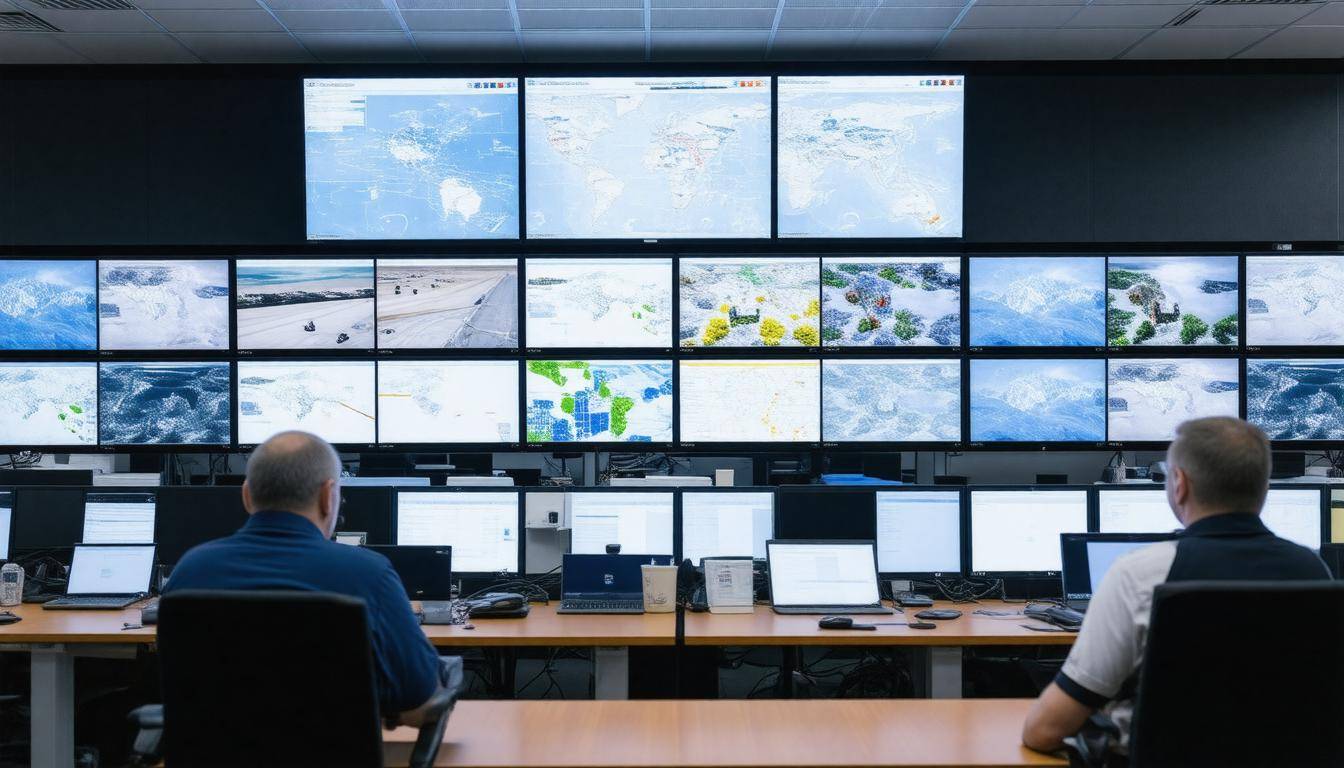
Effective communication during crises is fraught with challenges that can significantly impact the safety and efficiency of evacuation procedures. One prominent issue is network congestion, which occurs when a high volume of calls overwhelms telecommunications systems. Imagine a scenario where a city faces a natural disaster, such as a hurricane. As individuals scramble to get updates or reach friends and family, the sudden spike in call traffic can lead to delays or even complete network failure. This isn’t just frustrating; it can be life-threatening if crucial information doesn’t get through.
Another challenge worth noting is related to power supply.
Power outages are another significant hurdle during emergencies. When the power goes out, many devices we rely on—like cell phones, radios, and even Wi-Fi routers—become ineffective without backup options. Think back to heavy storms or earthquakes where power was knocked out for days; people were left in the dark—not only literally but also figuratively. Without access to the internet or power for their mobile devices, staying connected becomes almost impossible, hindering any coordinated efforts for rescue or information dissemination.
Fortunately, there are strategies we can employ to overcome these obstacles.
Overcoming Challenges
To tackle the issue of network congestion, one practical solution is to leverage text messaging instead of making phone calls. Text messages require less bandwidth than voice calls, allowing more messages to be sent simultaneously while freeing up network capacity. A simple text saying “I’m okay” can relay important status updates without overwhelming communication channels. In a crisis situation, speed and efficiency matter greatly, and often those short texts can suffice until you’re able to connect more fully.
Regarding power outages, preparedness is key. Always having spare batteries on hand for critical devices like flashlights and radios is essential. More importantly, invest in alternative power solutions—think about solar chargers or portable battery packs that can keep your vital communications running even when the grid fails. This way, when the lights go out, you won’t be left fumbling in darkness, cut off from information that could guide your actions.
Having reliable methods for communication during an emergency isn’t just handy; it’s crucial for safety and effectiveness in response strategies.
With insights into these communication challenges and actionable strategies at our disposal, we are better equipped to navigate crises effectively and ensure improved safety measures are in place.
Ensuring Safety with Effective Methods
The cornerstone of a successful response during a crisis is proactive communication, which can mean the difference between chaos and order when disaster strikes. Regular updates are not just a good idea; they are vital. Keeping contact lists current and technology updated ensures that crucial information is readily available when you need it most. In an emergency, you don’t want to scramble through outdated contacts on a clunky app or contend with malfunctioning software. Instead, having everything streamlined and updated minimizes confusion and maximizes efficiency.
Research shows that 70% of people are more likely to follow evacuation instructions when they receive clear, concise messages. This underscores the importance of straightforward communication—a message that resonates can save lives. This doesn’t just apply to what is said but also how it’s delivered. Using multiple channels—text alerts, social media, loudspeakers—ensures that everyone gets the message, as each person has their preferred means of receiving information.
Of course, no one wants to find themselves without a way to communicate, especially during emergencies. That’s where redundancy comes into play.
Always having multiple methods of communication reduces reliance on any single system and prepares you for unexpected failures. Think about carrying at least two devices, such as a cell phone and a radio. In remote areas where cell service may falter, a handheld radio or an emergency beacon can become invaluable lifelines. The peace of mind that comes from knowing you have options cannot be overstated.
Proactive Measures
- Regular Updates: Maintain communication plans by reviewing them regularly for relevance.
- Redundancy: Implement alternatives like radios or other non-cellular devices; they often work when cellular networks do not.
It’s essential to prepare as comprehensively as possible before an emergency occurs.
Final Checklist
A solid checklist will streamline your response efforts during an emergency situation, allowing you to stay focused rather than caught off guard:
- Ensure all devices are fully charged and consider keeping backups handy—solar chargers can be particularly useful if power sources become limited.
- Review and refine your communication plans so every member of your household understands the protocols.
- Pre-load maps onto your GPS devices because during an emergency, internet access may not be reliable.
- Sign up for local emergency alerts to receive real-time notifications straight from trustworthy sources.
Effective communication not only safeguards individuals but also enhances collective recovery efforts in the aftermath of incidents—an organized response leads to reduced confusion and more capable assistance for those in need. By equipping yourself with these tools and strategies, you’re not just preparing for the unexpected; you’re empowering yourself and your community to navigate crisis situations effectively.
In moments of uncertainty, preparedness becomes your shield against chaos. Harness the power of effective communication to ensure safety and support when it matters most.
How can technology improve emergency communication in evacuation scenarios?
Technology enhances emergency communication during evacuation scenarios by facilitating real-time information sharing and alerts through mobile apps, social media, and alert systems. For instance, studies have shown that communities with immediate text alert systems saw a 30% increase in timely evacuations during disasters. Additionally, GPS technology can provide precise directions to safe routes, while two-way communication tools allow officials to assess situations quickly and give tailored instructions to those in danger, ultimately saving lives and ensuring efficient evacuations.
What role does social media play in disseminating information during an evacuation?
Social media plays a crucial role in disseminating information during an evacuation by providing real-time updates and facilitating rapid communication among authorities and the public. In emergency situations, platforms like Twitter and Facebook can reach millions within minutes, allowing for swift sharing of evacuation routes, safety measures, and shelter locations. According to recent studies, over 65% of people reported using social media to gather information during emergencies, highlighting its effectiveness as a vital channel for timely alerts and community support.
How can organizations train their staff for effective communication during emergencies?
Organizations can train their staff for effective communication during emergencies by implementing regular drills and simulations, utilizing clear communication protocols, and providing access to training resources. Research indicates that companies with comprehensive emergency preparedness training experience up to 70% faster recovery times and improved coordination during crises. By fostering a culture of awareness and equipping employees with the knowledge and tools necessary for clear communication, organizations enhance their overall readiness and response effectiveness.
What essential information should be communicated during an emergency evacuation?
During an emergency evacuation, it’s crucial to communicate clear and concise information including the nature of the emergency, designated evacuation routes, assembly points, and any specific instructions for vulnerable individuals. According to a 2022 survey by the National Emergency Management Agency, nearly 70% of evacuees reported feeling more secure when they received timely updates and directions during crises. This highlights the importance of effective communication in ensuring safety and minimizing chaos amid evacuations.
What are the best practices for creating an emergency communication plan?
The best practices for creating an emergency communication plan include establishing a clear hierarchy of communication, ensuring all team members understand their roles, and regularly updating contact information. Additionally, it’s vital to utilize multiple channels (like text alerts, social media, and radio) to reach all stakeholders effectively—studies show that messages sent through multiple channels increase the likelihood of reaching at least 90% of recipients during a crisis. Regular drills and reviews can enhance awareness and preparedness, making your plan more effective when it truly counts.