
Foraging for food in the wild might sound like something out of a survival movie, but it’s actually an exciting skill anyone can learn. Imagine wandering through a forest or park and discovering that many of the plants around you are not just scenery; they could potentially nourish you! Whether you’re looking to enhance your outdoor skills or prepare for an unexpected situation, knowing how to identify edible plants can make you feel connected to nature in a whole new way. In this guide, we’ll explore safe methods for foraging and help you become adept at recognizing what’s safe to eat in the great outdoors. So grab a notebook and let’s start uncovering nature’s hidden treasures together!
To safely identify edible plants for emergency food foraging, it is essential to use reliable resources such as field guides or mobile apps specifically designed for plant identification. Practicing identification skills with these resources and attending local nature classes can significantly enhance your ability to recognize safe and nutritious wild plants while avoiding toxic species.
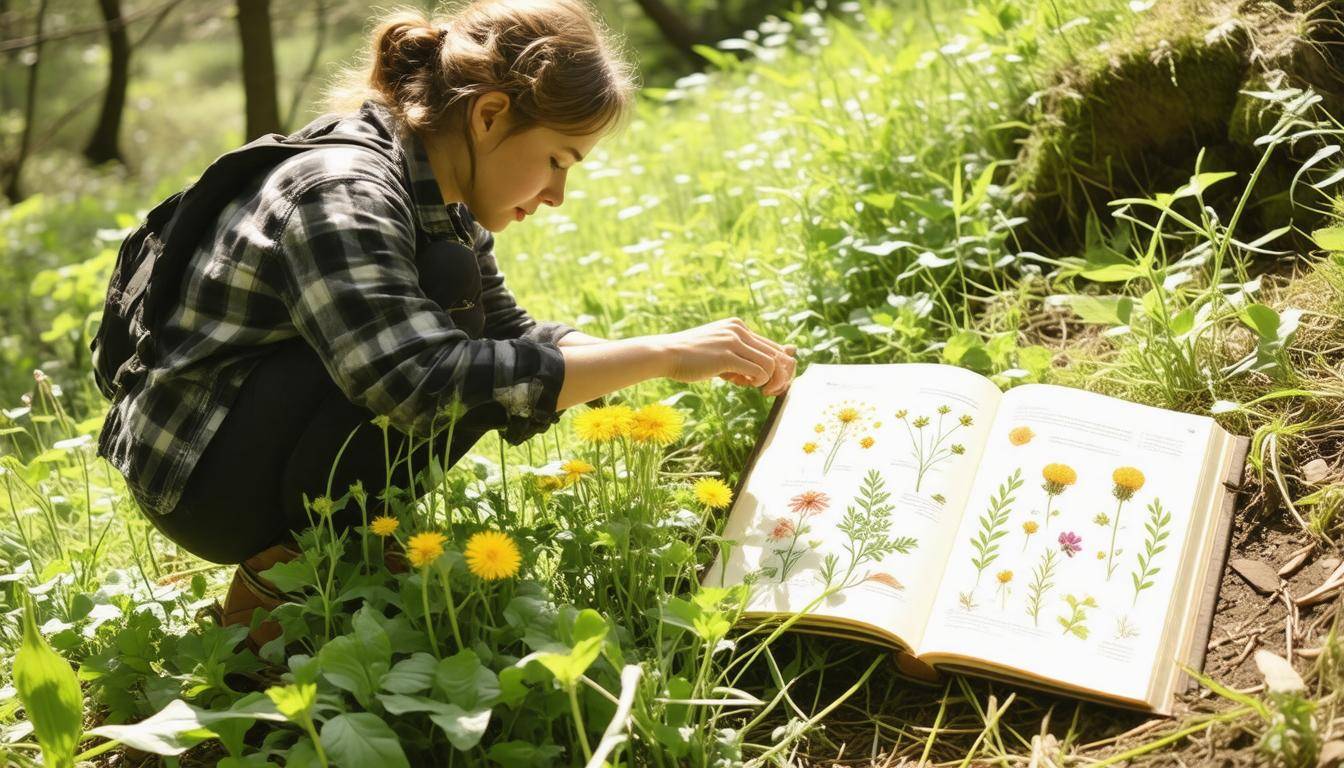
Foraging in Survival Situations
Foraging for food in survival situations requires not only knowledge but also adaptability. Many find themselves in high-pressure environments where fast decision-making becomes critical. Imagine being stranded outdoors, perhaps after a hiking mishap. In such moments, the ability to identify and gather edible plants distinguishes between mere survival and thriving amidst adversity.
Awareness of local flora cannot be overstated. Each region boasts unique plants that may serve as sustenance. Prior knowledge of what plants are available can speed up the identification process significantly, transforming uncertainty into a straightforward gathering experience. The more familiarity you have with your surroundings, the less panic will ensue when you’re hungry or stressed.
But there’s no need to wait for an emergency before starting your foraging journey. Begin by taking leisurely walks in local parks or nature trails, paying attention to the various plants and their growth patterns across seasons. This practice is not only enjoyable but also integrates nature into your everyday life. You might even discover a new favorite edible weed or herb!
“Remember, foraging isn’t just about survival; it’s also about connection—with nature and with yourself.”
- Seasonal Changes: Observe how plants change with the seasons; many edible species appear at specific times, so timing matters.
- Environmental Cues: Different plants thrive in various environments; notice whether they prefer sunny spots, shady areas, or moist grounds.
- Safety First: Safety remains paramount; avoid foraging in places that could be contaminated or treated with chemicals. Always err on the side of caution.
Carrying a reliable foraging guide or an app provides additional backup while exploring the wild foods around you. However, reliance solely on technology can lead to disaster if your device fails or runs out of battery. It’s crucial to sharpen your observational skills by focusing on physical characteristics like leaf shape, color, and growth habits instead of relying entirely on gadgets.
As you gain confidence in plant identification, you’ll find that this skill is indispensable not only for emergency situations but also enriches your lifestyle as you learn how to incorporate these natural resources into daily cooking or meal planning.
Basic Survival Tips
While it may seem overwhelming at first, mastering plant identification basics does not need to be an arduous task. By establishing a foundation ahead of time—through community classes or personal studying—you’re laying groundwork for effective foraging knowledge that may one day save your life.
Attending workshops locally can provide hands-on experience with experts who teach you about identifying safe versus toxic plants. A well-rounded approach includes not just theoretical knowledge but also practical application; nothing beats experiencing firsthand which wild edibles grow where you live and how they look through each stage of their lifecycle.
Embracing this knowledge empowers you; once you’ve accurately identified just a handful of edible plants—like dandelions or chickweed—you often discover they are more versatile than originally thought. Not only do these simple greens provide nourishment during tough times, but they can enhance flavor and nutrition when cooked alongside traditional ingredients as well.
Always follow up any identification with thorough research from trusted sources like field guides or reputable websites before consuming new plants. By cultivating this knowledge now, you’ll better prepare yourself to meet any challenges should an emergency arise later.
As we navigate through this essential journey of plant identification, gaining a deeper understanding of the fundamental principles can provide a solid foundation for future explorations in the great outdoors.
Safe Plant Identification Basics
Safe plant identification hinges upon recognizing critical features that distinguish one plant from another. Let’s break down the essential elements every beginner should keep in mind.
First, the leaf shape can vary widely—from oval and lance-shaped to heart-shaped. These shapes not only aid your identification effort but can also tell you a bit about the environment where the plant thrives. Each shape hints at adaptations for sunlight, water retention, and other specific needs.
Interesting fact: The wide variety of leaf shapes not only serves aesthetic purposes but reflects the survival strategies of each plant in its natural habitat.
Next, let’s examine how leaves are structured and what these characteristics signify for identification.
Cheat Sheet for Beginners
Observing the leaf margin can provide important clues. Margins may be smooth, serrated, or lobed—each attribute helps narrow down options when comparing plants in nature. Additionally, considering leaf arrangement on the stem is vital; leaves may be arranged alternately, oppositely, or whorled around the stem. This detail significantly impacts how a plant functions in its ecosystem by affecting light availability and photosynthesis.
Stem characteristics are equally crucial for identification. Stems can be woody, herbaceous (green), or even hollow depending on their species. Both texture and stability inform us about how a plant supports itself and competes for resources.
A helpful tip from my own experience is to invest in a quality magnifying glass to observe finer details like venation (the pattern of veins) and trichomes (fine hair-like structures). These specifics can make a significant difference in distinguishing between similar-looking plants.
In addition to these basic characteristics, using reliable identification guides becomes essential for furthering your knowledge and ensuring safety during foraging.
Reliable Resources
Embracing technology can enrich your learning experience as well. Using apps such as Seek or platforms like iNaturalist allows you to snap photos of plants and receive immediate feedback from a community of users. Just remember that while technology is helpful, it’s crucial to compare findings with trustworthy field guides or manuals for final confirmation.
- iNaturalist: Connects you with a community for collaborative learning.
- Peterson Guide: A practical guide that matches plants based on distinct features.
- PlantNet: Assists in verifying your finds with image databases compiled by users.
As you continue to explore the world of foraging, honing your observational skills and utilizing helpful resources will build a solid foundation for satisfying emergency food foraging while keeping safety at the forefront of your efforts.
With this understanding of safe plant identification firmly established, it’s time to explore various tools that can aid you in making accurate identifications during your outdoor adventures.
Using Identification Guides
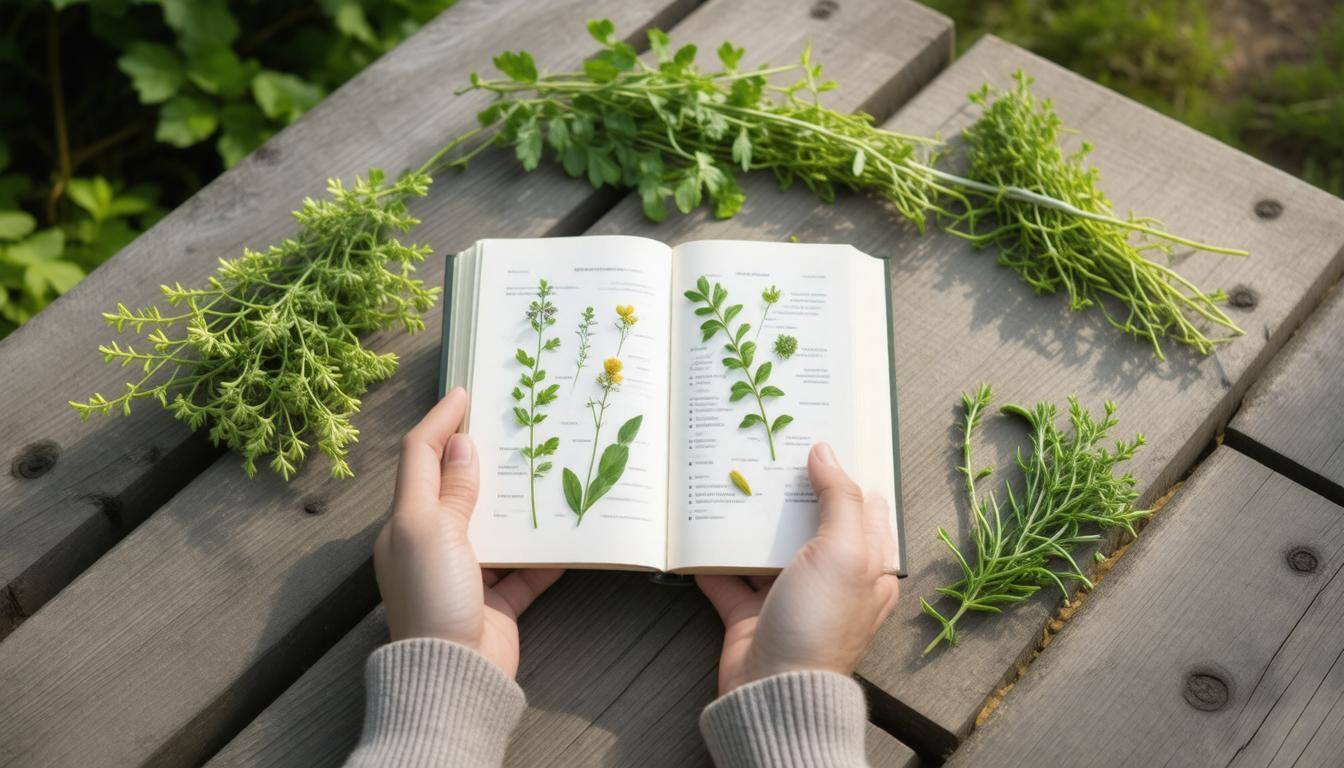
Identification guides serve as a treasure trove of knowledge for foragers. They provide crucial information on various edible plants, giving detailed descriptions that help users discern one species from another.
A notable resource is the “Peterson Field Guide to Edible Wild Plants.” This guide features rich illustrations along with comprehensive descriptions that facilitate accurate identification. However, the importance of not solely relying on one source cannot be overstated.
While the Peterson guide is a fantastic starting point, it’s essential to cross-reference multiple sources to ensure you’re making the right choice when it comes to foraging.
Many guides also feature high-quality images to show different growth stages and parts of the plants, which can be incredibly helpful in real-world scenarios. For instance, seeing pictures of plants in their blooming stage versus when they are simply green leaves can provide a clearer impression of what to look for when you are out in the wild.
Recommended Guides
There are several excellent references available that cater to budding foragers:
-
National Audubon Society Field Guide to North American Wildflowers: This book provides a wealth of information on wildflowers and their edible properties, supported by vivid photographs. It addresses regional differences, which can be invaluable depending on where you forage.
-
“Edible Wild Plants: Wild Foods from Dirt to Plate” by John Kallas: This guide goes beyond identification; it includes culinary uses of various plants, enriching your foraging experience with preparation tips and safety precautions.
Each of these guides has its strengths, and using them together enhances your understanding and skill set.
For example, while one guide might illustrate how to identify a plant accurately, another could provide seasonal availability charts or geographic distribution maps showing where these plants grow most commonly. Such data not only aids in identification but also informs your planning for future foraging excursions.
Here are a few tips when using identification guides:
-
Focus on Clear Images: Look for guides that include distinct photos depicting various plant parts—leaves, flowers, fruits—ensuring you can identify them accurately at different times.
-
Beware of Toxic Look-Alikes: High-quality guides often highlight toxic versions of edible plants. Knowing these differences can save you from harmful—or even deadly—mistakes.
-
Develop a Step-by-Step Checklist: Using a checklist approach supported by your guide can systematically verify plant identification, adding confidence to your foraging practice.
By integrating these recommended resources and approaches into your routine, you’ll strengthen your plant identification skills and prepare yourself for safe and successful foraging adventures.
As you refine your ability to distinguish between edible and non-edible species, the next step focuses on identifying specific parts of plants that are both safe and nutritious to consume.
Recognizing Edible Leaves and Stems
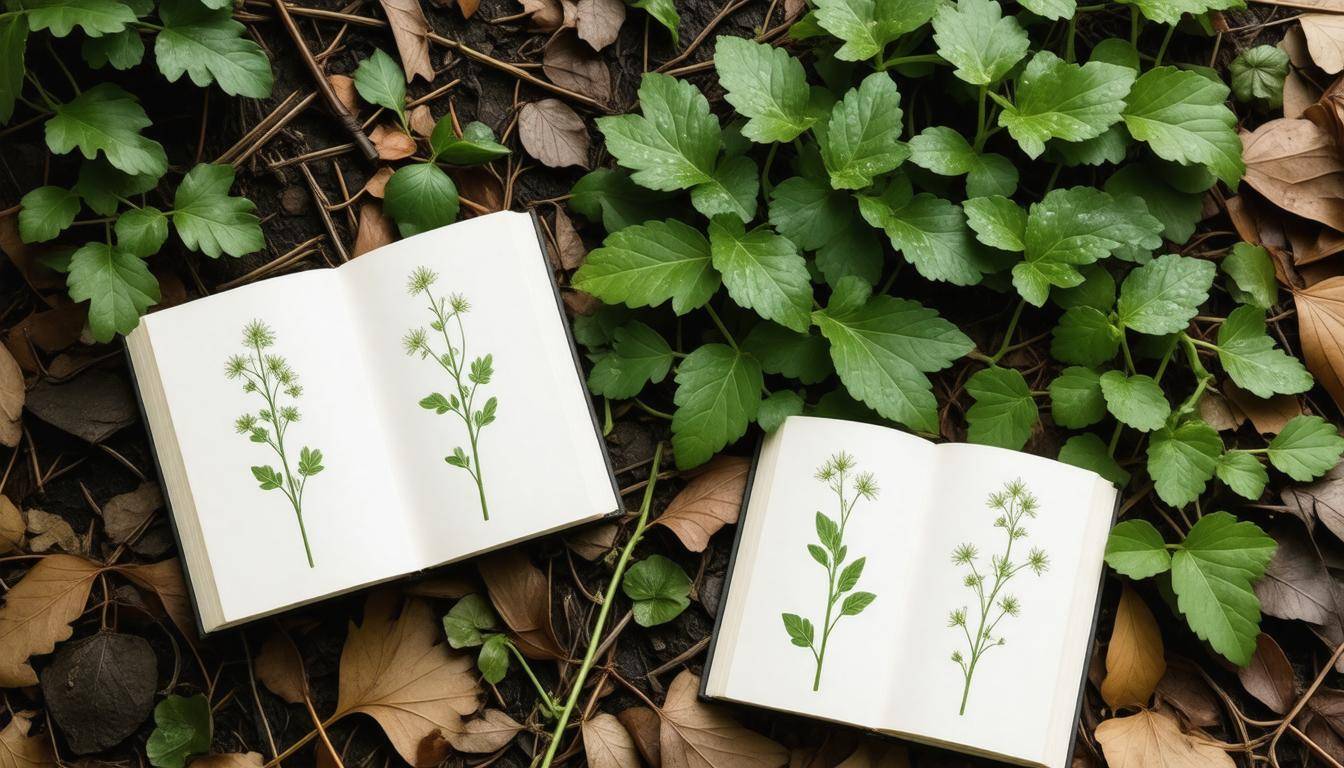
The art of foraging is not merely about wandering through the woods hoping to stumble upon edible plants; it requires keen observation and practice. Learning to recognize common and easily identifiable plants reaps immense benefits. Take dandelions, for instance; you can find them almost anywhere—they pop up from cracks in the sidewalk and blanket fields in spring. Their leaves, stems, flowers, and roots are all edible. Each part of the dandelion offers unique flavors and nutrients, making it a great gateway plant for beginner foragers.
Common Edible Leaves and Stems
Another plant that’s often overlooked is the cattail. These tall reeds grow near wetlands, and their young stems contain a tasty white inner core that can be consumed both raw and cooked. You’d be surprised at how delicious they can be when prepared correctly! Then there’s nettles, known for their sting. While they must be cooked to neutralize those stingers, once sautéed or steeped in tea, they yield a rich source of vitamins A and C—perfect for boosting your immune system!
“Learning to identify dandelions transformed my foraging experience as they’re both abundant and highly nutritious,” says survival expert Jane Doe.
Clearly, knowing edible leaves is crucial; however, recognizing berry plants can enhance your foraging skills further.
To build confidence in your identification abilities, I recommend practice. Engage with guides or apps but ensure that you cross-reference your findings as not all sources will be reliable. Familiarize yourself with the leaf shape of these plants—such as ovate or lanceolate—and the margin characteristics, like whether they’re serrated or smooth. This helps you avoid confusion between edible plants and their toxic look-alikes.
As you expand your knowledge base, also consider seasonal variations; plants may exhibit different structures at various times of the year due to environmental changes. Keeping a simple notebook might help document your observations about these differences. For example, you’ve spotted dandelion leaves in early spring, but perhaps they’ve grown tough and bitter by summer. Noticing these shifts improves your recognition skills and equips you for better foraging as seasons change.
With a solid foundation in identifying edible leaves and stems, you’ll soon find greater joy in exploring the world of wild foods, including those delicious berries waiting to be discovered.
Identifying Edible Berries
When out foraging, the thrill of discovering a berry-laden bush can be enticing. However, it’s crucial to tread carefully. Many berries may appear lovely and inviting, but some can be downright dangerous. To begin your berry identification journey, you need to rely on several visual and tactile cues before even considering tasting. Never rush the process; safety should always come first.
Key Identification Tips
Start by focusing on the shape, color, size, and overall structure of the plant. For instance, blueberries are small and round with a smooth skin, whereas blackberries consist of clusters of smaller drupelets that form their signature shape on thorny bushes. It’s fascinating how these physical characteristics can guide you to safe options!
Take a moment to observe where the berries grow—some plants only produce fruit under specific conditions.
The general rule of thumb is this: if you’re unsure about identifying a berry, it’s safer to leave it alone.
While experiencing wild environments, keep your guidebooks or reliable apps handy to cross-reference what you’ve discovered. A great app for these occasions is the Seek App, which allows you to snap a picture of a berry and check its identity quickly. However, always double-check against reputable resources; it’s important not to rely solely on technology.
Here are a few safe-to-eat examples that embody what you’re looking for in your foraging adventures:
-
Blueberries (Vaccinium spp.): Small, round, blue to purple berries, sweet in flavor.
-
Blackberries (Rubus fruticosus): Larger aggregate fruit that grows on thorny bushes, dark purple to black.
-
Wild Strawberries (Fragaria vesca): Small, red, heart-shaped fruits that pack a delightful sweetness.
Each of these berries not only offers great taste but also robust health benefits packed within them—think antioxidants in blueberries contributing to overall wellness!
As you become more confident in identifying edible berries, you’ll find that understanding their ecological significance and growth patterns enhances your appreciation of nature’s offerings. With this foundational knowledge, you’re better prepared to evaluate other plants and ensure their safety before consumption.
Field Testing Plant Safety
When confronted with the necessity of foraging for food, knowing how to safely test unknown plants can be crucial. This is why the Universal Edibility Test was developed; it serves as a systematic approach to assess whether a plant may be safe for consumption. Still, caution is paramount, and it should never replace knowledge derived from proper plant identification techniques. The test involves several careful steps designed to minimize risk because some plants can be harmful or even deadly.
Universal Edibility Test Steps
The first step in this process is Separation. This involves carefully breaking down the plant into its respective parts—roots, leaves, stems, and flowers. Each part may have different properties; some might be edible while others could pose serious risks. Once separated, inspect each part visually for any signs indicating potential toxicity, such as unusual colors or textures.
After separation, it’s time to conduct the Touch Test. Gently rub a small piece of one plant part on your inner arm and wait for about 15 minutes. This step checks whether you’re allergic to the plant. If you notice any redness or irritation after this waiting period, do not proceed further with that particular plant—better safe than sorry.
Assuming no negative reaction occurs, you can move on to the Taste Test. Take a small piece of the plant and place it on your tongue. Wait for another 15 minutes; during this time, remain vigilant for any signs of irritation or discomfort. If irritation does occur, spit out the sample immediately and drink water to clear your mouth—this can help prevent any adverse reactions.
If there are still no adverse effects, it is time for the Chew and Wait phase. Chew a small amount of the plant and monitor how your body reacts over the next eight hours. This step is critical because certain plants may not cause immediate reactions; digestion may trigger effects later on. Should you experience nausea, vomiting, or other symptoms during this waiting period, it’s imperative to have an antidote like activated charcoal handy or seek medical assistance if necessary.
It’s important to highlight that while this method provides a more cautious approach when testing unfamiliar plants, using it carries inherent risks due to individual sensitivities and variabilities in plant toxicity. Always prioritize known edibles whenever possible and invest time in developing comprehensive foraging skills through reliable resources.
Familiarize yourself with local flora beforehand and remember: No amount of ‘testing’ can entirely guarantee safety—knowledge remains your greatest ally in emergency food foraging situations.
With these fundamental testing methods at your disposal, you’re equipped to approach wild edibles with both confidence and caution. Now, let’s explore how to further enhance your understanding and proficiency in gathering food from nature’s pantry.
Developing Foraging Skills
Cultivating effective foraging skills isn’t just about reading books or downloading apps; it requires a commitment to frequent practice and an eagerness to learn from those who have tread the path before you.
One of the best ways to start is by making a habit of identifying plants during your everyday walks. When you find yourself on a trail or even strolling through your neighborhood, take a moment to pause and observe the foliage around you. Remember, each plant has its unique characteristics that can aid in its identification. Start with familiar plants like dandelions or clovers, noting their leaf shape, color, and growth habits.
As you develop confidence, consider taking your learning up a notch through education.
It’s one thing to point at a wild plant and say “I think that’s edible,” and another to speak confidently about it in front of friends—who may be looking to you for advice!
Attending nature classes or workshops can significantly enhance your knowledge. Many state parks offer programs led by experts who are eager to share their insights. Imagine wandering through the woods with an experienced instructor who can help demystify complex plant families and their uses right before your eyes. This firsthand experience is invaluable, as instructors often include local knowledge that text alone cannot convey.
Yet another way to solidify your foraging skills is by documenting your findings.
Keeping a foraging journal could be one of the most beneficial practices for any budding forager. In this journal, record the plants you’ve encountered—their names, locations, seasons, and any peculiarities you’ve noticed. Not only does this help reinforce what you’ve learned, but it also creates a personalized reference guide that you can consult later. It’ll be like having your own treasure map of edible resources!
John Smith, an experienced forager, emphasizes the importance of community learning: “Join local foraging groups to share knowledge and experiences. This tremendously boosts your learning curve.”
Community-based learning undeniably enhances skill-building; constructive feedback from others can illuminate aspects of foraging that you may not have considered.
Embrace the idea of collaboration. Engage with fellow enthusiasts both online and offline; these interactions can spark new ideas and encourage growth that might just take your foraging game to the next level.
With each endeavor into nature’s bounty, you’ll uncover not only edible treasures but also gain insight into how varied environments shape foraging opportunities.
Adapting to Varied Foraging Environments
Each foraging environment presents its own set of challenges and opportunities. From dense forests to arid deserts, recognizing these conditions is vital for effective foraging. Understanding what plants thrive in each setting not only enhances your skill but also ensures your safety in emergency situations. Let’s explore some key adaptations that can aid you in being resourceful no matter where you are.
Key Adaptations
| Environment | Key Plants | Special Considerations |
|---|---|---|
| Forest | Mushrooms, Nuts | Beware of fungal risks; keep a guidebook handy. |
| Grasslands | Greens, Root Vegetables | Open spaces expose you to sun; know when to forage. |
| Desert | Cacti, Shrubs | Water is scarce; learn which spiny plants are edible. |
| Coastal | Seaweeds, Coastal Greens | Be cautious of salt content; tides can affect plant availability. |
Knowing what grows abundantly in your surroundings is just as important as awareness of any potential dangers. For instance, while forests teem with diverse edibles like nuts and mushrooms, they can also harbor toxic fungi that require careful identification. It’s helpful to have a reliable field guide or app on hand when exploring these areas.
On the other hand, grasslands might appear deceptively simple at first glance. While they offer greens and root vegetables, your exposure to sun makes it crucial to plan your foraging times — early mornings or late afternoons are ideal for avoiding heat exhaustion.
Moving on to desert environments, many edible plants like cacti offer hydration along with sustenance but come armed with thorns that can lead to injuries if you’re not careful. Familiarizing yourself with the preparations necessary for safely consuming these plants is paramount. As someone who’s ventured into such areas many times, I can attest that mastering these precautions builds not only confidence but also competence.
Finally, coastal areas come with their own lessons. With the salty air affecting plant health and tides impacting seaweed harvests, understanding the rhythm of the coast becomes invaluable for successful foraging.
By honing your adaptability skills and learning about local resources and hazards, you’re better equipped to handle varied foraging environments. This greater knowledge ultimately translates into heightened safety during moments of need, allowing you to forage confidently whether you’re on an exploratory hike or facing an emergency situation.
Incorporating this knowledge into your outdoor adventures transforms uncertainty into empowerment, ensuring that you are prepared for the unexpected. Staying informed and practicing will make any forager skilled in identifying both edible plants and potential threats in nature.