
Eritrea is a land of stunning landscapes, rich history, and vibrant cultures, but it also has some of the hottest temperatures on the planet. Imagine stepping outside and feeling like you’re walking through a furnace; that’s what many travelers encounter when they visit from May to September. It’s not just the sun that poses a challenge, but the extreme heat can become downright dangerous if you’re unprepared. With my own adventures in Eritrea as a backdrop, I’ve learned that knowing how to stay safe in scorching conditions can make all the difference between a memorable experience and an uncomfortable one. In this guide, we’ll explore practical tips to navigate Eritrea’s intense heat effectively so you can enjoy everything this remarkable country has to offer without the worry of burning out prematurely.
Travelers to Eritrea should prioritize hydration by drinking plenty of water and consuming salty snacks to replenish lost salts due to sweating. Additionally, it is crucial to wear lightweight, light-colored clothing, limit outdoor activities during peak sun hours (10 a.m.–4 p.m.), and apply sunscreen with a minimum SPF of 15 to protect against harmful UV rays.
Understanding Eritrea’s Extreme Heat
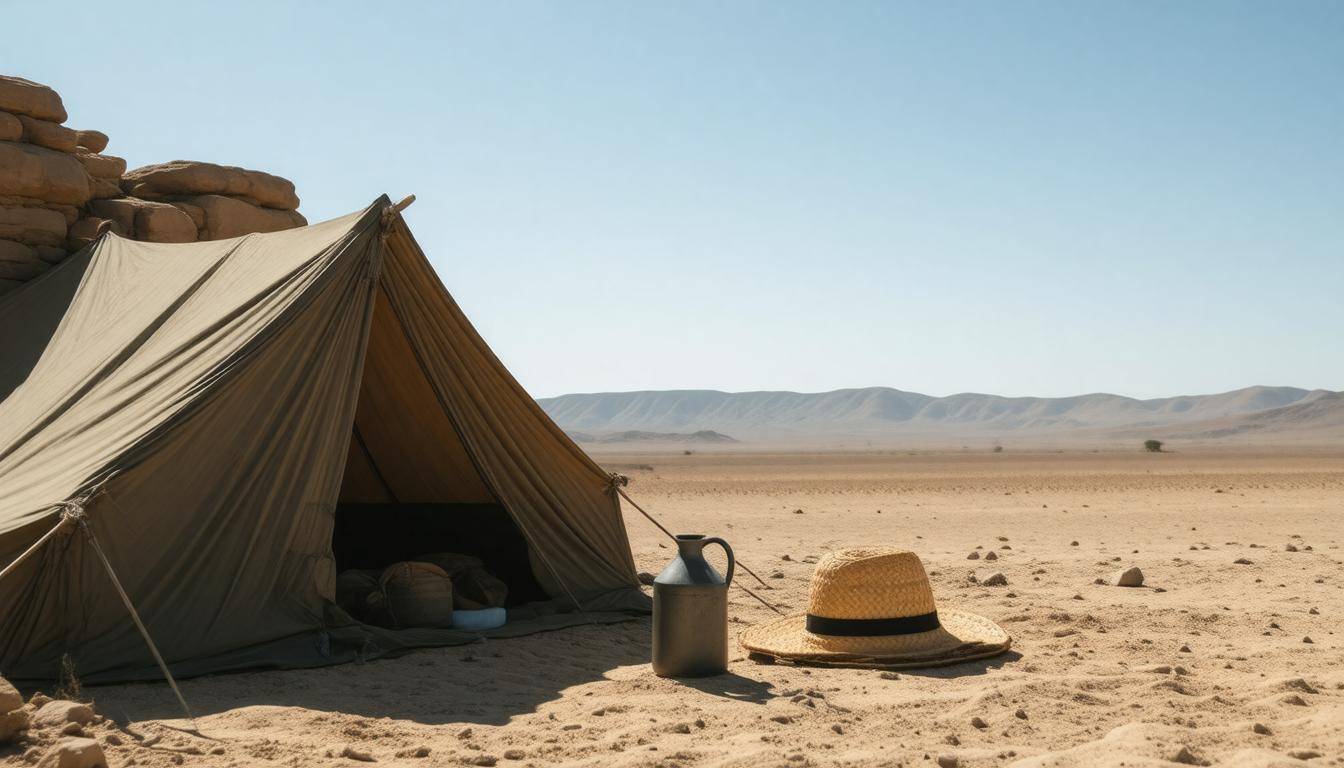
Eritrea’s climate is not just warm; it is defined by an intensity that few places can match. The blistering temperatures from May to September hold a particular reputation, especially along the breathtaking coastline of the Red Sea, where beachgoers often bask under the sun. However, appearances can be deceiving. While the coastal areas are scorching, they do not claim the title of the hottest; it’s the inland lowlands that unleash sweltering conditions, with temperatures frequently exceeding 50°C (122°F). This heat isn’t merely uncomfortable—it can become dangerous without proper preparation and awareness.
Those daily temperature highs hover around 38°C (100°F) even during the cooler months. Imagine stepping outside, feeling like you’ve walked into an oven—this is the reality for many regions in Eritrea.
Consequently, understanding how to cope with these extreme heat conditions is essential now more than ever.
Preparation is your most important ally when dealing with such high temperatures. Not only does it enhance comfort, but it also protects well-being. One common misunderstanding among travelers is that heat is merely an inconvenience—but it can escalate into heat-related illnesses if ignored. Symptoms like dizziness, rapid heartbeat, and confusion are red flags signaling your body needs immediate relief from the oppressive heat. It’s crucial to listen to your body and seek out shade or indoor refuge during peak hours, typically running from 10 a.m. to 4 p.m., when the sun beats down hardest on the land.
Hydration is another critical aspect of coping with Eritrea’s extreme conditions. Carry a water bottle and sip water regularly; don’t wait until you’re thirsty as dehydration can sneak up quickly. Eating regular meals that include salty snacks helps replenish lost sodium through sweat—a strategy I found effective during my own travels. If you feel fatigued or lightheaded, take those moments to pause, rehydrate, and regroup.
Beyond hydration and awareness lies another crucial element of surviving Eritrea’s extreme temperatures: appropriate clothing and sun protection.
Dress smartly for the heat. Fabrics should be lightweight and breathable—cotton or linen is a good choice—while still providing coverage from irritating insects and harmful UV rays. A wide-brimmed hat shields your face and neck from direct exposure to sunlight while applying sunscreen with a high SPF protects against sunburns that can occur even on cloudy days.
It’s surprising how quickly one can be affected by sun exposure; therefore, don’t underestimate preventative measures.
With these foundational strategies in mind, it’s equally important to stay informed about your surroundings.
Stay updated about local advisories and possible hazards in your vicinity. For example, if hiking near scenic spots in Eritrea’s beautiful highlands or venturing toward its inland beauty, awareness of wildlife may come into play—know which animals are present and keep a safe distance to prevent any unwanted encounters.
Understanding Eritrea’s intense climate helps travelers pave their paths toward exciting experiences rather than unfortunate mishaps. By staying attuned to these weather patterns and taking actionable steps toward personal safety—like hydration and wearing protective gear—you’ll elevate your travels beyond just survival into memorable adventures filled with discovery and joy amidst the stunning terrains of this remarkable country.
As we explore further, examining how climate specifics intertwine with daily life will deepen our appreciation of this vibrant landscape.
Climate and Temperature Overview
Eritrea presents a unique climatic landscape divided into three predominant zones: the coastal plains, central highlands, and western lowlands. Each zone carries its own set of weather patterns that dictate the daily lives of those who reside there. In the coastal plains, one encounters a distinctive blend of high humidity coupled with scorching heat. Adjusting to these conditions is essential for both comfort and health.
Coastal Plains
The coastal plains are often characterized by some of the hottest temperatures in the country. This region experiences relentless heat during summer months, where cities like Massawa frequently register temperatures soaring to 45°C (113°F). Residents combat such oppressive conditions using various strategies, including utilizing shaded areas for relief or wearing light-colored clothing that reflects sunlight. Moreover, hydration is paramount—drinking plenty of fluids not only helps fend off heat-related illnesses but also supports overall well-being.
Having acknowledged the challenges of the coastal plains, attention must turn to the central highlands.
Central Highlands
In stark contrast to the coastal regions, the central highlands provide a more temperate environment. With an average temperature range between 20°C and 25°C (68°F to 77°F), this zone enjoys a milder climate—especially important for agriculture and daily activities. However, even here, temperatures can experience sudden spikes during summer months. Preparing for these fluctuations is vital; layering clothes ensures that individuals can adjust accordingly without risking overheating. Additionally, having access to shade and breezy locations helps mitigate discomfort on uncommonly hot days.
Lastly, it’s crucial to address the extreme conditions present in the western lowlands.
Western Lowlands
The western lowlands starkly exemplify harsh climatic extremes, often seeing temperatures exceed 50°C (122°F). This unforgiving heat makes habitation challenging, leading to less population density in this area. Locals adapt by embracing a lifestyle that prioritizes early morning activities when temperatures are relatively lower. Many utilize traditional cooling methods—like constructing homes with thick walls designed to insulate against heat—as well as seeking shelter during peak sun hours. Understanding such adaptive measures illustrates resilience in adversity within this challenging region.
Now that we have explored the various climatic influences across Eritrea’s landscapes, we can consider how these factors impact preparation strategies for managing extreme heat.
Survival Strategies: Clothing and Sun Protection
Choosing the right clothing is essential when navigating Eritrea’s extreme heat. Opting for light-colored, loose-fitting garments made from breathable fabrics like cotton or linen helps reflect sunlight while promoting airflow around your body. Imagine stepping outside in a heavy black shirt—it quickly becomes a heat trap! In contrast, opting for white or other light shades allows your skin to breathe while keeping you cooler.
Moreover, accessorizing with a wide-brimmed hat not only provides shade but also protects your face and neck from sun exposure. Hats with brims at least three inches wide can significantly lessen direct sunlight hitting sensitive areas, reducing your risk of sun damage. Pair this with UV-blocking sunglasses to shield your eyes from harmful rays; protecting your vision is just as crucial as keeping your skin safe. Remember, the sun’s glare off lighter surfaces can be deceiving and intense.
Now, let’s explore the benefits of wearing long-sleeved shirts. You might think long sleeves are counterintuitive in hot weather; however, they provide excellent skin protection against the sun’s harmful rays while helping regulate body temperature by preventing immediate heat absorption. This is particularly important during peak sunlight hours when UV radiation is the strongest. Moreover, light coverage can prevent insect bites, which adds another layer of security against disease-carrying bugs prevalent in regions with tropical climates.
It’s worth noting that many travelers overlook clothing materials. While synthetic fibers may seem appealing due to their stretch and fit, they often trap heat and moisture next to the skin, leading to discomfort and potential overheating. Natural fibers are designed for breathability and moisture wicking, making them far more suitable for hot environments.
Of course, nobody wants to be mistaken for a walking sweat machine! That’s why selecting clothes well-suited for high temperatures contributes not only to comfort but also enhances your overall travel experience.
While dressing appropriately shields you from harsh environmental elements, finding effective ways to maintain fluid levels is equally critical in combating the oppressive heat.
Hydration and Water Resources
Staying hydrated is paramount when dealing with extreme heat. It can be tempting to skip water intake during busy days or when you’re not feeling thirsty, but that’s a mistake that could lead to dehydration. Experts recommend drinking at least 3-4 liters of water per day in hot climates, but this number will increase significantly with physical activity or heat exposure. Just imagine spending a day working under the relentless sun; your body loses moisture quickly, which needs to be replenished more frequently than you might think.
Carrying a reusable, insulated water bottle can make a world of difference in keeping your water cool and accessible throughout the day. Not only does it help ensure you stay hydrated, but it also aligns with sustainable practices by reducing plastic waste. An equally important tip is to consider using oral rehydration salts. These little packets are a lifesaver when balancing electrolytes—especially after sweating profusely. Just a sprinkle in your water can help replenish what you lose and keep your energy levels steady.
Finding Safe Water
In Eritrea, particularly in rural areas, gaining access to clean water can be a daunting challenge. Categories of resources vary significantly in reliability and safety. Using water purification tablets or portable water filters is crucial in ensuring that any water sourced from public wells or natural streams is safe for drinking. The last thing anyone wants is to risk illness from contaminated water, which can lead to serious complications during extreme heat events.
| Resource | Description | Key Locations |
|---|---|---|
| Bottled Water | Widely available | Urban centers |
| Public Wells | May need purification | Rural villages |
| Rivers/Streams | Often require filtration | Near mountain ranges |
Understanding where to find these resources can provide peace of mind. In urban centers, bottled water is readily available; however, it may not always be affordable for every individual. In contrast, rural villages often depend on local wells, where cleanliness may be questionable and require additional treatment before use. Rivers and streams may appear inviting but are typically fraught with risks unless properly filtered.
With an understanding of hydration and safe water sources, the next essential aspect is effectively managing exposure to the sun’s intense rays through strategic shade construction and temperature regulation.
Building and Finding Shade
Natural shade can be quite limited in Eritrea, making it essential for travelers to get creative about finding or creating their own shade. Trees are indeed a precious commodity, but they may not always be readily available. In such situations, having portable canopies or tarps can prove invaluable. These simple structures provide quick respite from the sun, allowing you to rest comfortably while still enjoying the outdoors.
If you want to be particularly resourceful, consider constructing lean-to shelters using local materials like branches or vegetation. This not only blends into the environment but also offers an additional sense of authenticity to your adventure. Reflective blankets are another excellent option; they can deflect sunlight and keep you cooler while taking up very little space in your backpack.
When you’re out exploring, it’s always wise to seek refuge in shaded areas whenever possible.
You might find yourself near buildings, which can provide ample shade during the harsh midday sun. Additionally, using larger umbrellas while dining outdoors or relaxing at beaches is a great strategy to shield yourself from direct exposure. Whether you’re lounging by the coast or taking a break from hiking, finding a shaded spot enables you to replenish your energy without overexerting yourself under the unrelenting heat.
Moreover, setting up camps in locations that naturally offer shaded areas helps minimize sun exposure throughout your stay. Many areas with tree canopy coverage—at least 50%—are ideal because they effectively lower ground temperatures by a noticeable margin. Here’s where understanding the orientation of trees and buildings comes into play; north-south-oriented structures maximize shade throughout the day, especially during peak sunlight hours from 10 a.m to 4 p.m., aiding not only your comfort but also your health.
Building or finding shade doesn’t just improve immediate comfort; it significantly contributes to overall hydration management too. With less direct sunlight on your body, you’re likely to retain more moisture and remain cooler, further aiding in heat prevention strategies. Thus, carving out shaded spaces becomes not just a smart move but an essential part of navigating Eritrea’s intense heat effectively.
As one explores the options of shade creation and shelter, it’s equally important to consider how these choices influence outdoor engagements and activities during extreme temperatures.
Managing Outdoor Activities
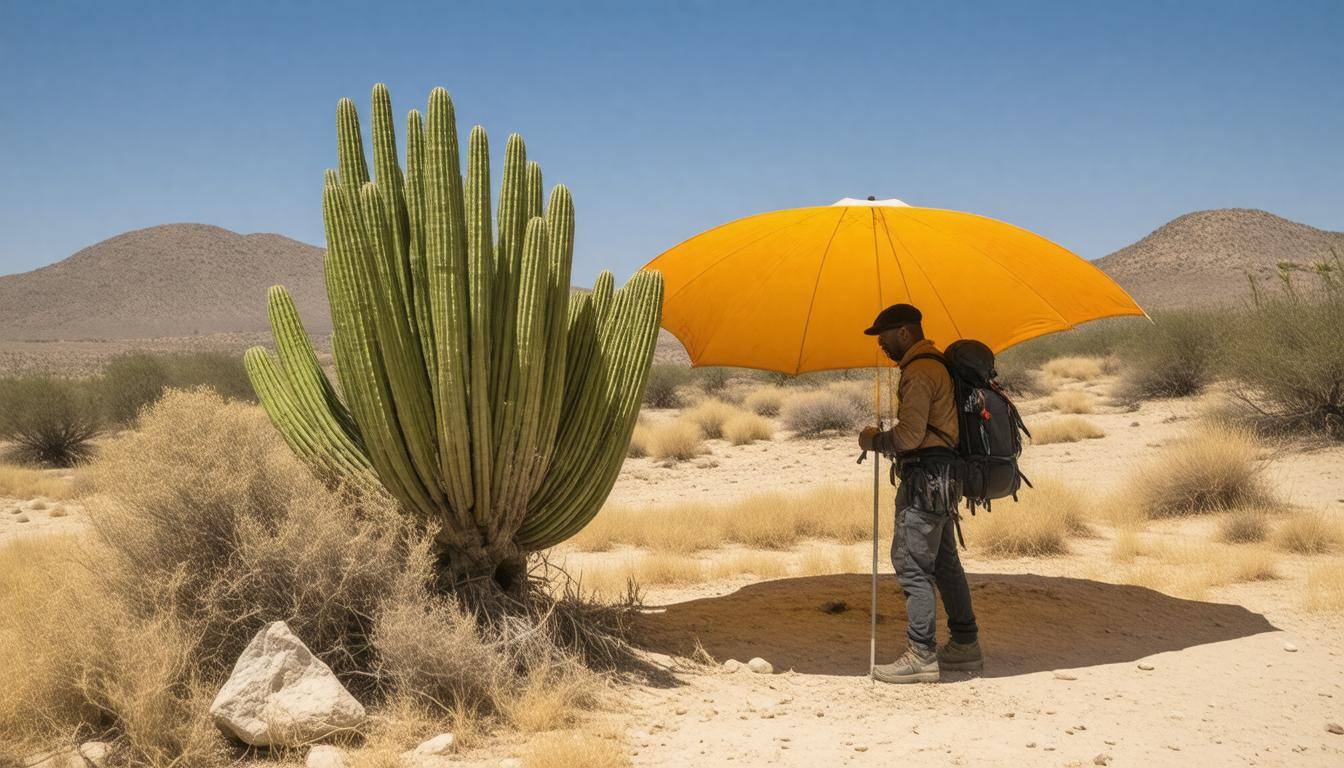
When exploring Eritrea, planning your outdoor activities is crucial for minimizing heat-related risks. Schedule these activities during the cooler parts of the day, typically early morning before 10 a.m. or late afternoon after 4 p.m. During these hours, the sun’s rays are less intense, and temperatures are more bearable. This adjustment can significantly lower your risk of heat exhaustion and dehydration.
It’s always a good idea to keep an eye on the local weather forecasts. If there’s an unexpected heatwave, consider delaying your plans further, as temperatures can rise rapidly.
For instance, if you plan to go hiking or take a long walk, start early so that you can finish before the sun climbs too high in the sky. Rest during midday when the sun is at its peak because this is precisely when heat-related illnesses tend to strike. Pairing up with a friend can enhance safety when hiking; having someone by your side helps monitor each other’s condition and get help if needed.
Research indicates that regulating outdoor activity times greatly reduces the risk of suffering from heatstroke and dehydration. Studies show close connections between improper timing of activities and instances of illness caused by extreme heat. Thus, being proactive in scheduling can improve not only your experience in Eritrea but also your overall health while traveling.
Additionally, it’s wise to listen to your body while engaging in any outdoor activity. If you start feeling dizzy or excessively tired, stop what you’re doing immediately. Find some shade or go inside for a few minutes and assess how you feel. Remember that hydration is vital—drink plenty of water along the way! Aim for at least 2-3 liters of water daily; increase this intake during your outdoor excursions.
As part of proper preparations, consider wearing lightweight, loose-fitting clothing made from breathable materials such as cotton or linen. Light-colored clothing reflects sun rays and keeps you cooler than darker shades that absorb heat.
Consider investing in a wide-brimmed hat and sunglasses as additional protection against direct sunlight. These items provide much-needed shade and reduce glare on bright days.
While managing outdoor activities effectively enhances comfort and safety, being prepared with essential supplies is critical for addressing potential emergencies that could occur during your explorations.
Emergency Equipment and Supplies
A well-equipped emergency kit serves as your lifeline during intense heat waves. Imagine facing blistering temperatures without access to the essentials you need—it’s a daunting thought.
When creating your emergency kit, think carefully about the items that could potentially safeguard your health and ensure your survival. Basic items like bandages, pain relievers, and first aid supplies are fundamental, but they represent just the beginning of your preparedness journey.
For instance, consider including a GPS device that keeps you oriented in unfamiliar spaces, particularly if you’re traveling through remote areas where roads can become impassable. Power outages are common during hot spells, so a reliable flashlight is crucial to navigate safely when sunlight fades. Don’t forget extra batteries—there’s nothing worse than reaching for your light only to find a dead battery. Each piece of equipment you include has a specific purpose, often designed to interlink and provide comprehensive support when difficulties arise.
As many travelers vouch, solar-powered chargers have emerged as game-changers for those journeying into remote territories where conventional charging options may be nonexistent. These devices allow you to maintain connectivity with loved ones, access navigational tools or essential information, or even use life-saving apps that require power.
Additionally, while preparing your emergency supply kit, think about hydration sources—it’s imperative during heat waves. Include water purification tablets and reusable water bottles to ensure clean drinking water is always at hand. During emergencies, clean water becomes invaluable, tipping the balance toward survival rather than despair.
This proactive approach sets the foundation for managing extreme heat effectively. To further enhance your resilience against harsh temperatures, understanding dietary considerations can significantly bolster your overall strategy.
Nutrition and Meal Planning
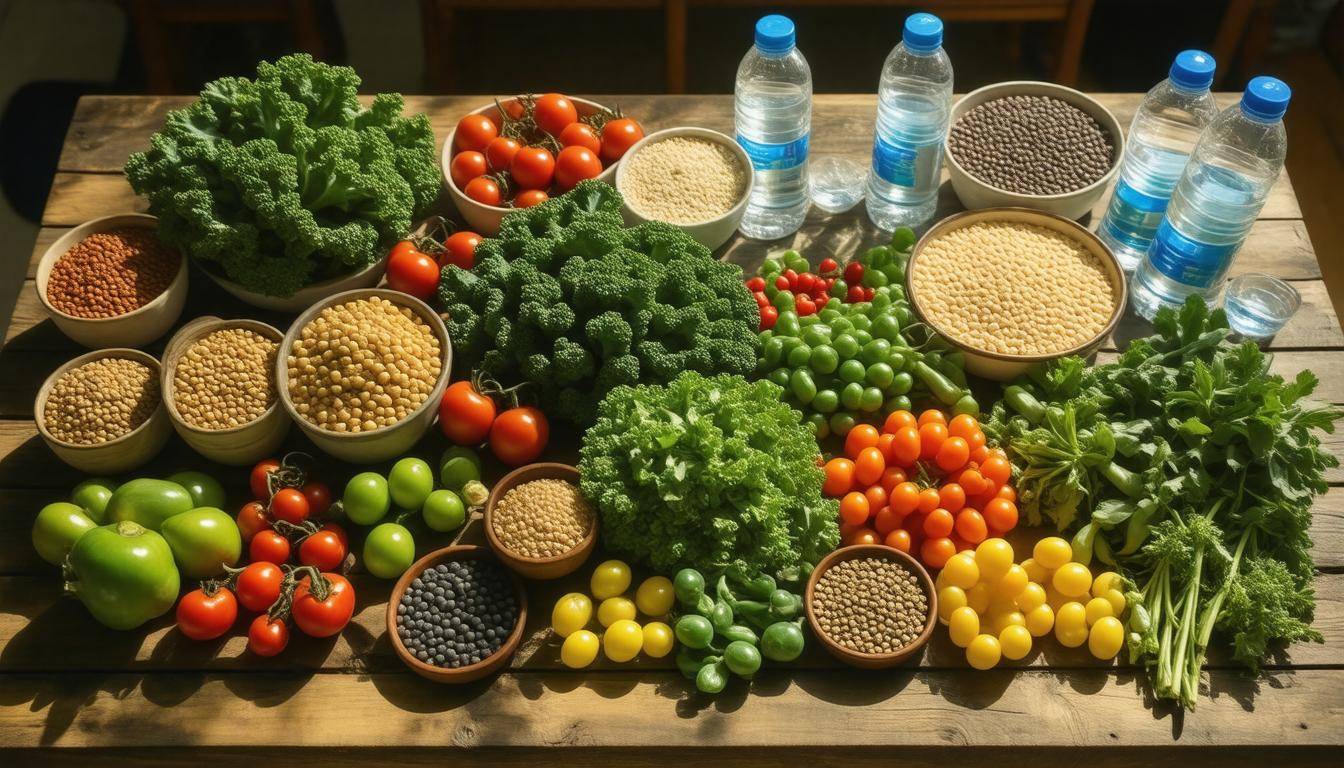
In an environment characterized by relentless temperatures, paying attention to what you eat can significantly enhance your ability to cope with the heat. Focusing on lighter meals that are easy on the digestive system is essential; think fresh, vibrant fruits and crisp vegetables. Foods rich in water content—like cucumbers, tomatoes, and berries—not only hydrate you but also provide nutrients without weighing you down. This makes them perfect options for hot days when your appetite may wane due to the heat.
Avoiding heavy, greasy foods is critical because they can raise your body temperature during digestion. When faced with the sweltering climate of Eritrea, your goal should be to facilitate a cooling effect from the inside out. Instead of opting for heavy meats or fried dishes that require extensive energy to digest, try incorporating grains like quinoa or whole grains that supply energy while being relatively easy on your stomach.
Meal Plan Example
Start your day with something refreshing: Breakfast could be watermelon slices paired with whole-grain toast. This combination not only packs hydration but also gives you a good dose of complex carbohydrates to kickstart your energy levels.
As a mid-morning snack, munch on cucumber sticks served with hummus. The cucumber will help keep you cool while the protein from the hummus provides sustenance without heaviness.
For Lunch, consider a grilled chicken salad loaded with greens and topped with a light dressing. The variety of colors from different vegetables can make this dish appealing while ensuring you’re getting vital vitamins.
In the afternoon, treat yourself to yogurt with berries for a nutritious snack that offers probiotics along with antioxidants—this keeps your gut healthy and your hydration levels up.
Finally, round off your day with light Dinner featuring quinoa paired with steamed veggies. A squeeze of lemon or vinegar can add flavor without compromising the dish’s lightness.
Each of these meals is designed not just for sustenance but also strategically planned to maintain hydration levels while keeping you energized throughout the day. Adapting your eating habits to suit Eritrea’s climate can significantly contribute to how well you handle its extreme conditions.
Staying hydrated goes beyond just drinking water; it involves replenishing electrolytes lost through sweat as well. Aim for daily water intake recommendations of around 3-4 liters per person, especially if you are engaging in physical activities during peak hours. Alongside regular meals and snacks, consider adding some saltier snacks or electrolyte-rich foods like bananas or sports drinks which will help balance sodium and potassium levels lost during excessive sweating.
By understanding how diet impacts heat tolerance, you empower yourself with the knowledge needed to navigate Eritrea’s challenging climate effectively. Embracing these nutritional strategies plays a vital role in maintaining health and vitality amidst extreme heat conditions, ensuring that you’re not just surviving but thriving during your adventures.