
In a land where chasing rain has become an all-too-familiar routine, the people of Ethiopia are facing one of their most daunting challenges yet: a relentless drought. Imagine waking up to a sky that seems to mock your hopes of rain while your crops wither and your animals grow weaker. For over three million people in regions like Somali, this reality isn’t just a bad dream—it’s life or death. As we dive into this guide, we’ll not only explore tips on survival but also share vital resources and strategies for resilience. This isn’t just about enduring hardship; it’s about powering through together, even when the sun scorches the earth and water becomes more precious than gold. Let’s unpack some essential insights to help navigate these dire times and build a future where hope still thrives amidst despair.
The Ethiopia Drought Emergency Survival Guide offers vital information on coping strategies, essential resources for food and water security, and community resilience initiatives during the ongoing drought crisis. Additionally, it includes tips on accessing humanitarian assistance, healthcare services, and sustainable agricultural practices to help affected populations navigate this challenging situation.
Ethiopia Drought Overview
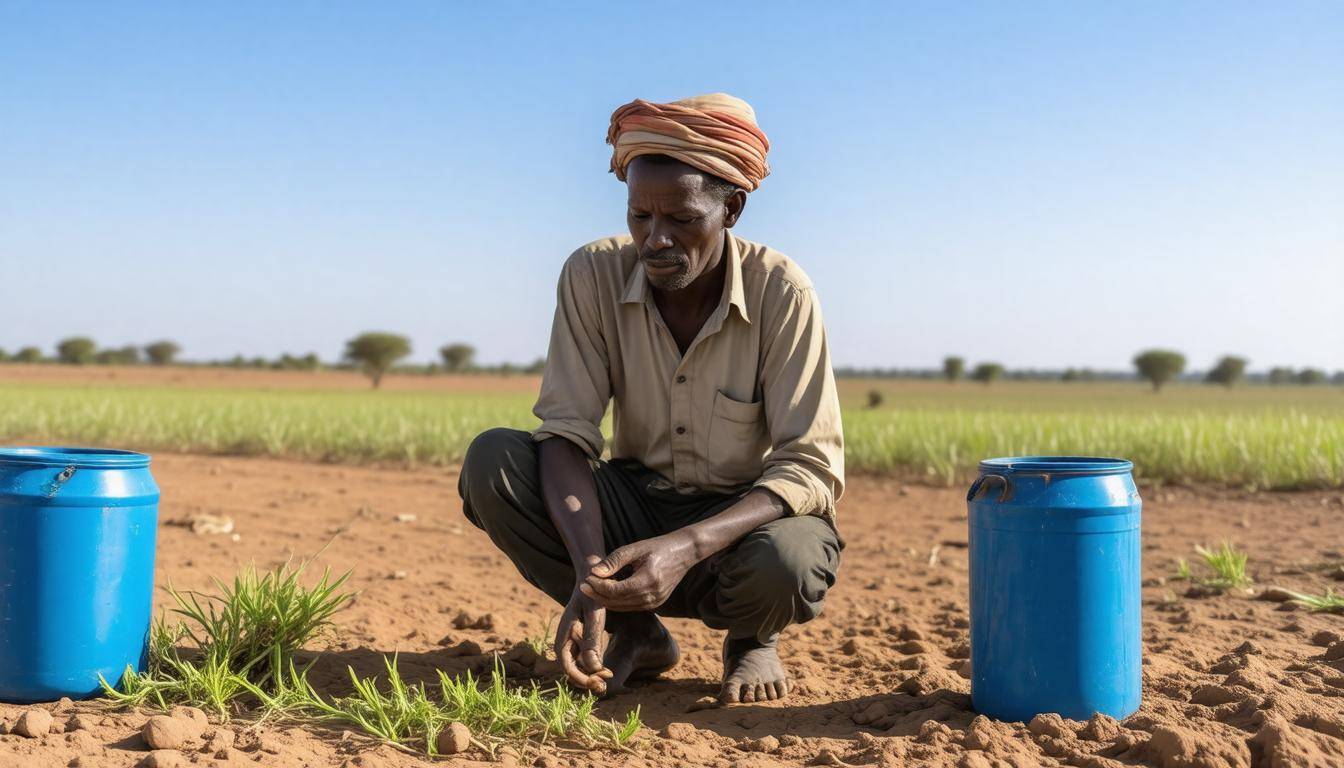
The ongoing drought in the Somali Region has been described as one of the most severe in four decades, drastically disrupting the lives of more than three million people. With approximately 3.5 million individuals—about 55% of the region’s population—grappling with below-average rainy seasons for three consecutive years, the consequences are far-reaching. This recurring dry spell is largely attributed to changing climate patterns marked by erratic rainfall and rising temperatures.
The human stories behind these statistics paint an even more gripping picture. For families like Zeineba’s, surviving this crisis is a daily battle. She once enjoyed a stable life, but now, her family faces constant uncertainty in securing food, water, and suitable shelter. One can only imagine how agonizing it must be to wake up each day uncertain how to feed your children or whether there’ll be clean water available for them.
These experiences emphasize that at the heart of this drought crisis lies not just numbers but also human lives disrupted—an urgent call for effective intervention.
As hilarious as it sounds, many families are finding that their most treasured plan right now revolves around assembling an emergency muffin recipe with barely enough flour, sugar, and whatever they manage to forage. It might not be a fine dining experience, but it keeps hopes alive amidst despair.
To further comprehend the implications of this immense challenge, it’s essential to consider its wider impact on food security and economic stability. As reliance on rainfed agriculture continues, farmers are increasingly vulnerable to weather extremes—a reality aggravated by climate change effects that push livelihoods to their limits. Rising food prices driven by scarcity further deepen the crisis, leaving 15 million individuals dependent on food aid amid inflationary pressures.
Additionally, we must recognize the layering of conflict over food insecurity which compounds the challenges faced by communities during periods like these. Displacement due to conflicts has exacerbated already tenuous situations for many families who have lost not only homes but access to essential resources.
Understanding these intertwined factors urges us to reflect: What must happen next to bolster resilience against such harsh realities?
Solutions will not come easy; however, recognizing the complex relationship between environment and socio-political issues allows stakeholders to design interventions that foster safety nets for affected populations while working toward longer-term stability. Now is the time to embrace collective efforts aimed at addressing immediate needs while paving pathways toward sustainable agricultural practices that can thrive even in adversity.
As we shift our focus from the vital need for immediate support and solutions, it’s crucial to explore the underlying factors contributing to this pressing humanitarian crisis and understand its broader implications.
Causes and Impact of the Crisis
The drought in Ethiopia is not just a case of dry weather; it stems from a web of factors that intertwine and amplify each other. Climate change stands at the forefront as a major catalyst affecting rainfall patterns across the nation. In recent years, predictable rainy seasons have transformed into erratic downpours that often come too late or not at all. This change has left many farmers unable to plan for their crops, leading them to face the harsh reality of empty fields. The higher temperatures associated with climate change have led to increased evaporation rates, pulling moisture from the soil faster than it can be replenished, further aggravating the situation.
At the same time, human actions like deforestation play a critical role in exacerbating these conditions. Trees are essential for maintaining healthy ecosystems; they help regulate local water cycles, ensuring rain falls more predictably. However, widespread logging and land clearing for agriculture disrupt this delicate balance. As forests vanish, soil erosion increases—making it more difficult for plants to grow—and the ability of land to absorb water diminishes significantly.
These combined factors set off a cascade of severe humanitarian and environmental consequences that unfold rapidly and tragically.
As direct results of these compounding issues, the impacts are staggering. An estimated one million livestock have perished as a result of dehydration and lack of fodder—these animals are vital to local communities’ livelihoods and source of nutrition. Families find themselves not just hungry but struggling to maintain their way of life as they lose an integral part of their identity and economy.
Organizations such as the United Nations and the International Rescue Committee (IRC) are mobilizing resources in response to this unfolding crisis. They face monumental challenges, however, including significant funding shortfalls that hinder effective and timely interventions. It’s crucial that international support ramps up to match the scale of need.
President Mustafe Mohammed Omer speaks candidly about these challenges: without substantial additional resources, ongoing development initiatives could stall, leaving countless people vulnerable in a time when they need support the most.
Understanding how these causes and impacts interlink underscores both the urgency of addressing this crisis and highlights the necessity for coordinated efforts moving forward into related contingency planning stages.
Emergency Planning Essentials
One of the first steps you should take in preparing for a drought is conducting a comprehensive risk assessment. This means taking a close look at how drought conditions might affect your area and understanding the potential long-term impacts on your community. Consider factors like water availability, agricultural strengths, and social support networks. Evaluating the severity and scope of the drought can help you prioritize resources effectively. For instance, if you’re in an area prone to crop failures due to extreme heat, addressing food security with more significant attention is wise.
Thinking through these priorities leads directly to another essential step—stockpiling necessities.
It’s crucial to ensure that your household is equipped with non-perishable foods that have a long shelf life. These may include items such as canned goods, rice, and pasta. Additionally, having clean drinking water is vital; thus, including water purification tablets in your stockpile ensures your water sources remain safe during shortages. Don’t forget about first-aid kits and essential medicines; they can be lifesavers during emergencies when access to healthcare may be limited.
Did you know? Access to clean water decreases significantly during droughts as sources dry up or become contaminated.
Ensuring water safety is critical during droughts, but communication plays a pivotal role as well.
Establishing reliable communication channels is equally important for staying informed about changing conditions. Make sure you have several means of receiving updates about weather forecasts or any relief announcements from local authorities. This could include signing up for emergency alerts via text messages, using radio broadcasts, or connecting with local community groups on social media. A reliable connection can better prepare everyone for potential impacts and available support options.
Finally, equipping your household with essential resources for ongoing difficulties can’t be overstated.
Preparing oneself doesn’t just mean gathering supplies; it’s also about ensuring that each household member understands their role in times of crisis. Create an action plan and discuss what needs to be done if conditions worsen or emergencies arise. Responsibilities such as gathering supplies, checking for safe water sources, or reaching out to neighbors can foster a greater sense of community resilience. When everyone knows their part in facing a challenge like drought together, it helps strengthen bonds while necessitating collective action.
As we navigate these essential strategies for preparedness, the importance of securing safe resources will be paramount in maintaining stability amidst uncertainty.
Securing Safe Water and Food
Access to clean water is not just a luxury; it is essential for survival, especially during times of drought when resources are critically limited. In places like Ethiopia, where drought can escalate quickly, knowing how to collect and purify water can make all the difference. Water purification techniques, combined with strategies for ensuring food supply, are key components in navigating these challenging circumstances.
Collecting and Purifying Water
When you’re collecting water, your best approach is to find the cleanest source possible. This might mean looking for clear streams or protected wells. Once you’ve secured your water source, the next step is purification to ensure that it’s safe for drinking. Many people underestimate the power of purification tablets or portable systems that can render dirty water drinkable. Boiling is another effective method; thoroughly boiling water kills pathogens that might be lurking within.
Here are steps for quick and effective water purification:
- Collect water from the cleanest source available.
- Add one purification tablet per liter of water.
- Allow the tablet to dissolve and wait for 30 minutes before consumption.
By following these steps diligently, you will significantly improve your chances of staying hydrated effectively while minimizing health risks.
Food Supply Strategies
Securing an adequate food supply during a drought presents its own challenges, but local and international NGOs provide vital food distribution services to help those in need. It’s important to take advantage of these resources whenever they are available. However, relying solely on external aid isn’t sustainable in the long run. Instead, it’s wise to prepare by storing drought-resistant crop varieties like sorghum and millet, which thrive in arid conditions.
Utilizing community storage facilities can bolster food security as well; these facilities help ensure that your supplies remain safe from spoilage and theft while providing a community support network for sharing resources. This collective approach not only strengthens individual households but also enhances resilience against further climate shocks.
Understanding how to secure both clean water and stable food sources equips families with vital tools necessary for survival. A holistic view of resource management can drastically improve resilience in the face of adversity.
With an understanding of securing vital resources established, we can now explore protective measures essential for livestock and crops during such challenging times.
Livestock and Crop Protection
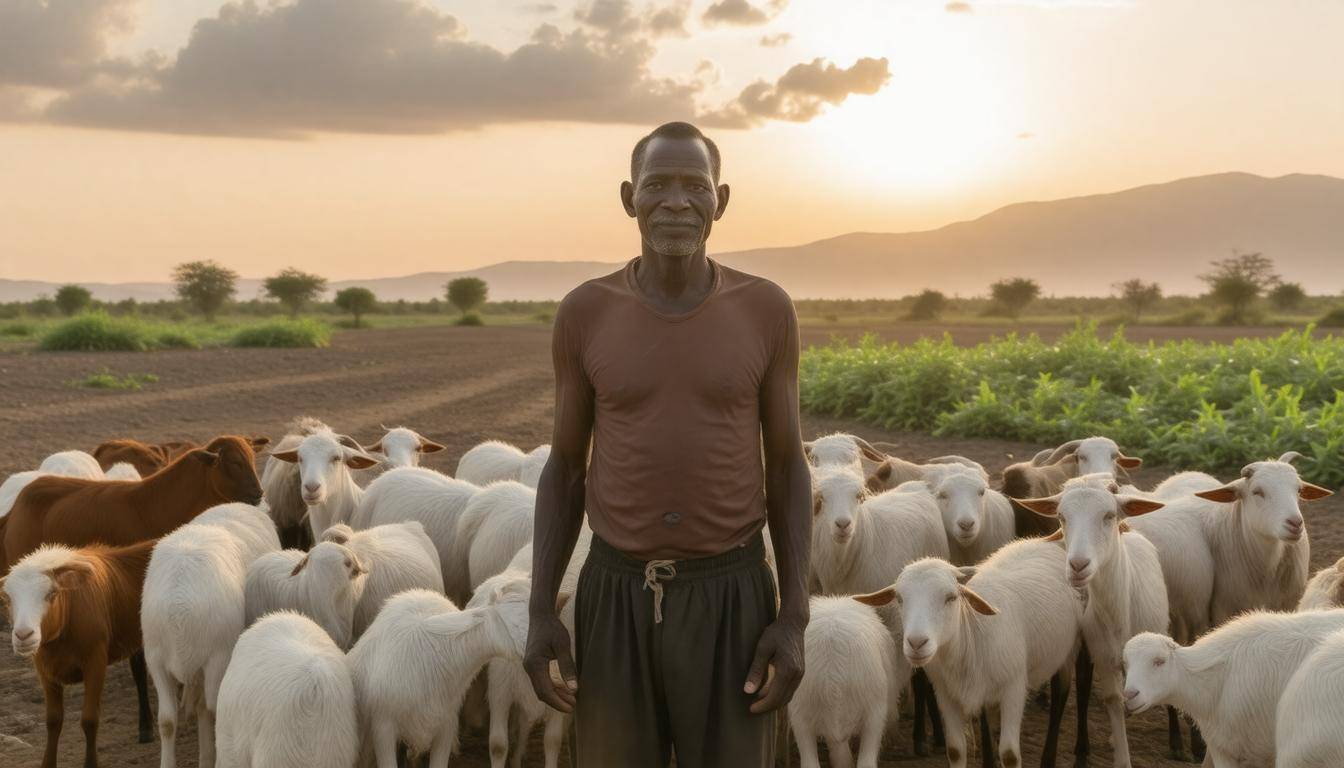
Keeping your livestock healthy during drought conditions is crucial because their well-being directly translates to the health of your farm’s economy. One effective measure is engaging with programs that provide vaccinations and supplemental feed for livestock. With shifting climates, animals can fall prey to drought-induced diseases; thus, equipping them with the necessary immunizations becomes a vital line of defense. Organizations like the UN have been proactive in this field, running vaccination campaigns specifically designed to combat these threats. Imagine a herd of goats making it through a dry season not just alive but thriving—this is the kind of resilience that proper care can foster.
But livestock are only one half of the equation when it comes to ensuring food security and economic stability during prolonged dry spells.
Crop Management
As we turn our attention to crop management, it’s equally important to adopt practices that promote sustainability and resilience against climatic shifts. Switching to drought-tolerant crop varieties can make a significant difference in yield during tough times. These crops are engineered to withstand lesser water while still providing nutritious output. Some indigenous varieties have adapted over centuries, showing impressive survival skills in arid conditions, so don’t hesitate to explore those options.
Besides choosing compatible crops, consider implementing crop rotation alongside mulching techniques. Crop rotation helps manage pest populations and maintains soil fertility by alternating nutrient uptake from the land each season. When you pair this with mulching—covering the soil with organic materials—you create a barrier that helps retain moisture and suppress weeds. Picture yourself walking across fields with rich, earthy aromas as healthy plants thrive, nourished by both the earth below and the careful strategies employed above.
Adapting sustainable irrigation practices where possible further enhances these efforts. Though water might be scarce, using efficient methods like drip irrigation ensures every drop counts. This technique delivers water directly to the roots of plants, minimizing waste while maximizing impact. Imagine standing in your field while witnessing each plant flourish under such care; it’s a testament to how smart agricultural practices can truly transform a landscape.
By prioritizing both livestock care and crop management through innovative measures, it’s possible to create a buffer against drought’s harsh realities. This interconnected approach lays a foundation for addressing subsequent challenges, particularly those related to health and well-being in such conditions.
Health Tips During Drought
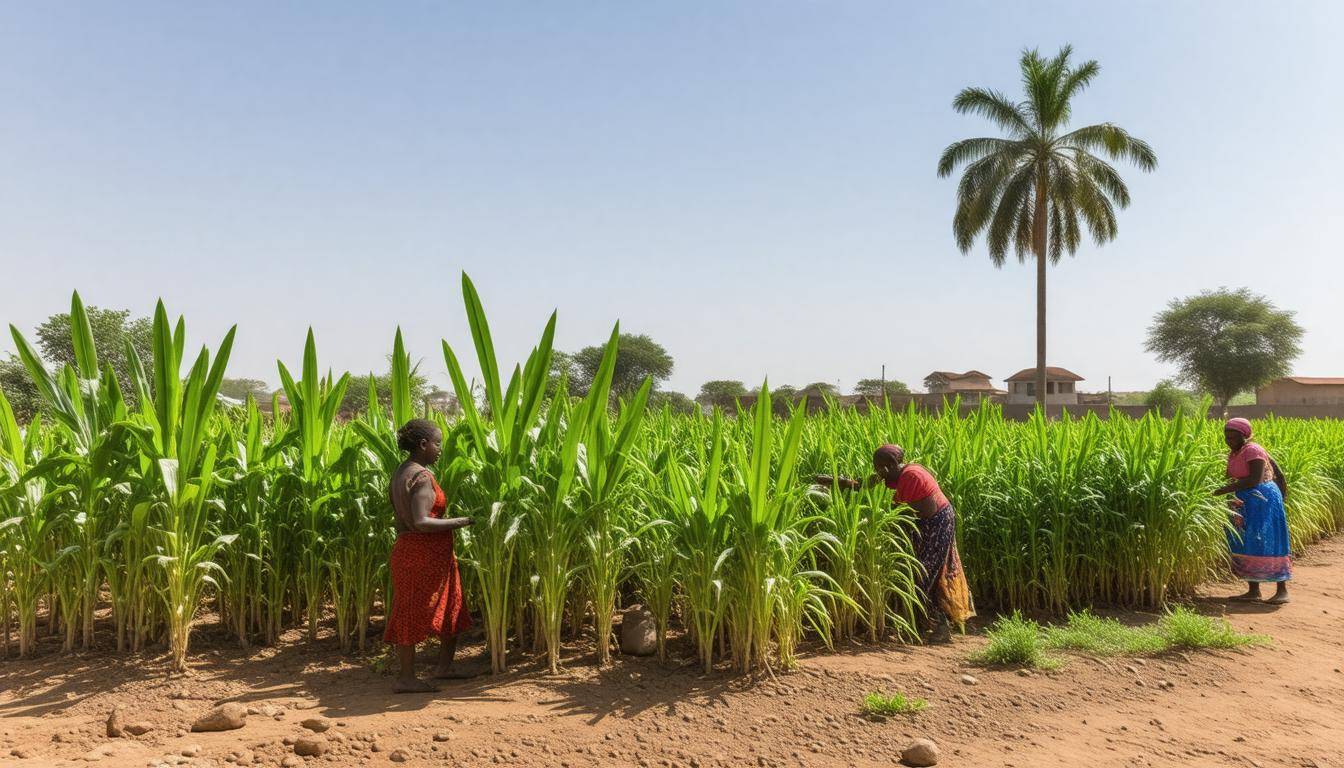
Drought can exacerbate health risks, making preventive measures crucial for maintaining overall well-being. One of the most effective strategies you can adopt is to prioritize your hygiene, even when water resources are severely limited.
Efficiently using the water you have is essential; think of it like stretching a rubber band. If you pull too far, you risk breaking it. Therefore, rationing your water use carefully should become a daily practice. Even small actions, such as washing hands only when necessary or using damp cloths instead of running water, can go a long way in preserving this vital resource.
It’s also wise to maintain proper sanitation in your living environment. This includes ensuring that waste is disposed of correctly and that communal areas remain clean. The fewer germs present, the lower the chance of illnesses spreading rapidly among family members and neighbors. Proper waste management is not just a matter of cleanliness; it is about safeguarding public health.
Mobile Clinics
There’s a lifeline available through mobile clinics deployed by humanitarian organizations, which offer essential medical services during these trying times. Seeking these services proactively can make the difference between life and death, especially for those suffering from malnutrition-related complications that often arise during drought conditions.
These clinics also provide vaccinations and routine health check-ups which are critical in identifying health issues before they escalate.
Strengthening community resilience can help manage ongoing health crises; encouraging neighbors to attend these clinics together fosters a sense of solidarity while enhancing individual care uptake. Remember, every person helped contributes to uplifting the entire community.
Community-led initiatives can further support healthcare availability. Establishing regular gatherings to discuss health concerns or coordinating transportation to clinics can enhance accessibility for vulnerable groups within the population. Utilizing phone trees or social media platforms helps disseminate information quickly about clinic locations and operating hours.
By taking proactive steps towards hygiene and utilizing available health services, individuals and communities can fortify their defenses against the precarious effects associated with droughts. Next, we will explore how collective efforts can build stronger foundations for enduring resilience amidst these challenges.
Community Resilience Strategies
Building community resilience is all about harnessing the collective power of individuals and their unique experiences. This process begins with the involvement of local wisdom, where engaging elders and respected community leaders plays a pivotal role. These individuals often have invaluable insights into historical coping strategies passed down through generations. For instance, listening to stories of how they survived past droughts allows communities to adopt similar practices today. Let’s not underestimate the significance of traditional knowledge, as it equips younger generations with tools to face contemporary challenges.
Traditional Knowledge Integration
By actively including elders in conversations about community planning, you’re opening doors to rich reservoirs of experiences that may otherwise go untapped. They can shed light on traditional harvesting techniques or water conservation methods that have historically proven effective in mitigating drought impacts.
For example, methods such as planting trees strategically for shade or using mulching to retain moisture not only ensure food security but also preserve local biodiversity. Imagine a young farmer learning from an elder how to diversify crops; this simple act could prove vital during a dry spell.
However, blending this ancient wisdom with modern practices takes effort and cooperation among community members. It requires everyone to come together with shared responsibility in mind—ensuring these cherished techniques thrive while adapting them to current environmental circumstances.
Community-Based Initiatives
One approach to achieving this is through forming cooperatives to share resources and knowledge. When neighbors unite under common goals, they build a resilient network that empowers each individual. This cooperative spirit can extend beyond mere sharing; it creates a platform for innovation.
For instance, participating in community-based agricultural initiatives that focus on drought-resistant crops is essential to gearing up for future challenges. Families banding together can experiment with new species known for their hardiness in dry conditions.
Of course, organizing such efforts takes coordination and active participation from every member of the community. Leadership within these groups can help establish regular meetings, workshops, or learning exchanges where everyone can contribute ideas and practices that foster collective growth. In doing so, you create a robust framework that nurtures not only the land but also the bonds among its caretakers.
Investing in resilience strategies means laying down a foundation grounded in historical wisdom while embracing innovative solutions tailored for today’s uncertainties. As communities evolve, the emphasis shifts toward sustainable practices that enhance adaptability and preparedness for future challenges.
Long-term Adaptation Solutions
In a climate-dominated future, it’s essential that regions like Ethiopia embrace sustainable long-term solutions to fortify against ongoing droughts. One central aspect to consider is infrastructure development.
Building robust systems, such as rainwater harvesting technologies, can significantly alleviate water scarcity by enabling communities to collect and utilize precious rainfall before it evaporates. Several projects across East Africa have begun to focus on constructing reservoirs and storage systems specifically designed for capturing seasonal rain. This proactive approach ensures that during dry spells, households have access to water — a vital resource.
Moreover, integrating reforestation projects plays an equally important role in restoring natural water cycles disrupted by deforestation and climate change. Trees are crucial for regulating climate; they absorb rainwater and release moisture back into the atmosphere, effectively creating localized weather patterns conducive to more regular rainfall.
For instance, planting indigenous tree species not only helps combat soil erosion but also enhances biodiversity.
Technological Integration
Another dynamic aspect of adapting to these changes involves technological integration. Mobile apps providing real-time weather updates and tailored agricultural advice can prove invaluable for farmers striving to meet the challenges posed by fluctuating climate conditions. By harnessing technology, individuals are better equipped to make informed decisions regarding their crops and livestock management.
It’s evident that embracing modern trends can yield practical benefits even within traditional farming communities.
In fact, farmers already using these applications have noted increased yields despite the erratic weather patterns that plague their regions.
However, while tools and technology hold immense potential, they cannot stand alone; ongoing support and training are necessary for scaling these innovations effectively. Without proper education or resources about how to interpret data from these apps, even the best technology will go underutilized. Providing training sessions extends beyond just initial education; establishing continuous learning opportunities can help ensure farmers feel supported and confident in using what has often become an essential lifeline in today’s changing world.
Adopting a comprehensive strategy that includes infrastructure investment and technological tools lays a solid foundation for long-term resilience in Ethiopia’s fight against drought. By combining community efforts with sustainable practices, we can promote self-sufficiency while preserving natural resources for future generations.