
In an age where people increasingly rely on technology and the safety it brings, the thought of a nuclear emergency can feel like a distant concern—or worse, something we tend to brush under the rug. Yet, Japan stands at the forefront of nuclear safety preparedness, especially after the lessons learned from the Fukushima disaster in 2011. This article will guide you through Japan’s comprehensive Nuclear Emergency Preparation Plan, showcasing how the nation is not only ready for possible crises but is also actively engaging communities to ensure everyone knows what to do when the unexpected happens. From designated hospitals prepared for radiation incidents to regular community drills, it’s clear that preparation isn’t just a box to check off; it’s a vital part of life in Japan today. Let’s dive into how these strategies work together to keep citizens safe and informed.
The Japan Nuclear Emergency Preparation Plan focuses on enhancing response capabilities to nuclear disasters, particularly informed by lessons learned from the Fukushima incident in 2011. It emphasizes the importance of preparation among designated Nuclear Emergency Core Hospitals (NECHs), effective risk communication, and robust business continuity plans to ensure public safety in the event of a radiation emergency.
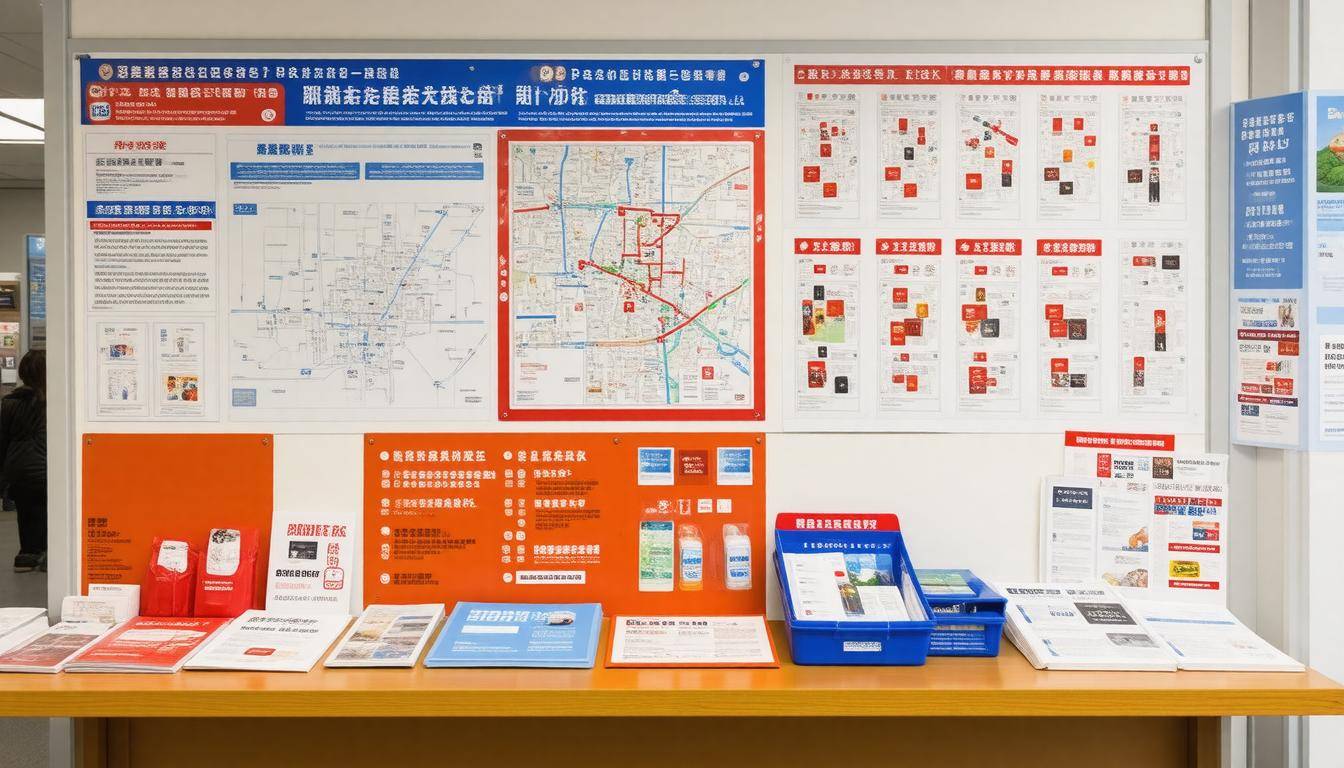
Overview of Japan’s Nuclear Emergency Preparedness
Japan’s Nuclear Emergency Preparedness Plan has been meticulously developed to create a framework that ensures safety and effective response in case of a nuclear disaster. Following the unfortunate Fukushima nuclear incident in 2011, this plan became even more pertinent. It is designed not just as a reactive measure but as a preventative protocol that spans across multiple sectors, incorporating everything from healthcare facilities to community education.
One of the key components of this plan involves the establishment of the Nuclear Emergency Core Hospitals (NECHs). These hospitals are designated centers equipped to manage radiation-related health emergencies. They play a critical role in ensuring preparedness among healthcare providers; however, surveys reveal that only about 31% of these hospitals anticipated a potential radiation disaster. This highlights an urgent need for better training and awareness within the medical community regarding their roles during such crises.
As part of the preparation plan, regular drills are conducted at least twice a year for local governments and emergency services. These exercises refine protocols and ensure everyone knows how to respond efficiently during an actual emergency.
Another significant aspect is the emphasis on risk communication strategies. In any disaster scenario, timely and transparent communication can make all the difference. The plan identifies seven key areas where effective communication is crucial, including media responses and addressing misinformation among hospital staff. When information flows smoothly, it helps quell panic and builds trust among the public—two essential factors when lives are at stake.
An important element that often gets overlooked is the necessity for robust business continuity plans, which are pivotal for maintaining operations during emergencies.
These plans address how organizations can sustain their functions despite disruptions caused by a nuclear event. By developing clear protocols that outline steps to take before, during, and after a disaster, businesses can reduce downtime and ensure they continue to serve their communities effectively. This alignment between healthcare facilities and business continuity showcases a holistic approach toward safety—it’s not just about responding; it’s about resilience as well.
Additionally, public education campaigns represent another layer of preparedness. Citizens are taught about potential radiation exposure, emergency procedures, and even how potassium iodide can protect them against radiation effects. Education empowers individuals with knowledge of what to expect, transforming fear into informed action.
Japan’s Nuclear Emergency Preparation Plan serves as a testament to the nation’s commitment to safety amid unique challenges with nuclear power. Each component—whether hospital readiness or effective communication strategies—reinforces the collective aim of minimizing risks while enhancing community resilience. With foundational elements regularly reviewed and updated based on new scientific research and past lessons learned, Japan continues to strengthen its preparedness against future nuclear emergencies.
Transitioning into another critical aspect, let’s examine how government efforts contribute to the overarching strategy for managing nuclear safety effectively.
Government Strategies and Plans
The Japanese government has committed to addressing the need for rigorous nuclear safety measures, especially in light of past disasters. A significant step forward was marked by the introduction of the Basic Act on Disaster Management in 2013, which effectively integrated nuclear emergency protocols with existing natural disaster response frameworks. This legislation is crucial because it ensures that, in the event of a nuclear accident, the response aligns seamlessly with pre-established disaster management strategies. By doing so, authorities can mobilize resources effectively, whether confronting a natural calamity or a nuclear incident.
This systematic approach leads us to explore specific strategies that have been put into play.
Integrated Strategies
One prime example of these efforts is the establishment of Nuclear Emergency Core Hospitals (NECHs). These specialized hospitals are designated to handle health crises related to radiation exposure, equipped with unique training protocols and advanced machinery meant specifically for such emergencies. Staff at these facilities undergo continuous training to ensure they’re not only ready for immediate actions but can also provide more effective long-term care in the aftermath of a nuclear incident.
“Preparedness isn’t just about having resources; it’s about practicing them until they become second nature.”
Beyond healthcare readiness, Japan’s strategic framework includes broader operational strategies to monitor and manage risks associated with nuclear facilities.
| Strategy | Details |
|---|---|
| Basic Act on Disaster Management | Integrates nuclear emergency protocols with natural disaster response systems |
| Nuclear Emergency Core Hospitals (NECHs) | Designated healthcare facilities equipped to handle radiation exposure cases |
| Real-Time Monitoring Systems | Continuous radiation level monitoring around nuclear plants and populated areas |
| Business Continuity Plans (BCPs) | Ensures vital services and governance functions remain operational in an emergency |
Real-time monitoring systems are another critical part of Japan’s strategy. These systems allow for constant surveillance of radiation levels in and around nuclear plants as well as surrounding communities. Such vigilant monitoring serves multiple purposes: it provides immediate information to authorities who might need to act quickly during an emergency, and it also reassures residents that their safety is being prioritized. Moreover, Business Continuity Plans (BCPs) have been established to make certain essential services and governance functions can withstand disruptions resulting from an incident, protecting public welfare while maintaining order.
Although these frameworks are making strides in safety enhancement, experts often examine their practical implementation rigorously.
It’s worth noting that while these strategies lay a strong foundation for nuclear safety, how effectively they are implemented remains up for discussion among specialists. Critics argue that adherence to these protocols can be inconsistent due to resource limitations or lack of public awareness concerning emergency procedures. As Japan continues its journey towards improved safety measures, ongoing evaluation and citizen engagement will be vital to ensuring not just compliance but confidence in these systems as well.
In examining the nuances of Japan’s preparation efforts, we may further uncover how communication channels bolster public trust and awareness amidst nuclear safety challenges.
Public Safety and Communication
Communication serves as a lifeline during nuclear emergencies, transforming into an essential asset that can influence safety and well-being. This is especially true for Japan, where past events have shaped meticulous strategies aimed at ensuring information reaches everyone efficiently. The intent behind these strategies is clear: avoid panic while promoting clarity and enabling a smooth evacuation process if necessary.
To achieve this, the government employs a diverse range of methods—traditional media like television and radio provide updates that reach a broad audience instantly. In contrast, modern technologies such as smartphone alerts and social media platforms offer dynamic ways to engage with the community in real-time. Imagine someone receiving a critical alert on their phone as they’re going about their day; they can immediately respond without waiting for news broadcasts.
It’s this swift delivery that plays a vital role in managing the situation effectively.
Moreover, history underscores the importance of these systems. During the catastrophic Fukushima disaster, local authorities effectively leveraged community loudspeakers alongside text message alerts. These tools ensured residents were kept informed about evolving situations without delay.
Findings show that an overwhelming 78% of individuals polled during various research efforts believe timely communication is crucial for feeling safe amid nuclear threats. Such statistics underlie the very fabric of emergency preparedness in Japan, highlighting how significant public confidence is built through reliable information channels.
Effective communication goes beyond simply delivering messages—it encompasses clarity and reassurance. In high-stress scenarios, communities benefit from knowing exactly what actions to take. Instructions need to be straightforward yet comprehensive enough to eliminate confusion. This aspect becomes paramount when outlining evacuation routes or providing guidance on sheltering in place.
As we emphasize the necessity for streamlined communication in emergency scenarios, it is equally important to explore how these protocols integrate with practical measures for safe evacuation and shelter guidelines, reinforcing overall preparedness strategies.
Evacuation and Shelter Protocols
Japan’s evacuation protocols are thoughtfully designed to ensure that citizens can be moved quickly and efficiently to safety zones during nuclear emergencies. The very foundation of these measures lies in preparation and communication, allowing individuals to respond effectively when the unexpected occurs.
Evacuation Steps
When an incident is detected, it initiates a complex process. The first step is the Initial Alert. This alert system employs multiple channels; from television broadcasts to radio announcements and mobile alerts — every possible avenue is used to ensure that people receive timely notifications about elevated radiation levels. The goal is straightforward: get people moving toward safety as swiftly as possible.
Next comes the crucial step of Designated Routes. These routes aren’t randomly chosen; they are meticulously pre-determined and regularly maintained to facilitate smooth passage for all evacuees. Imagine being part of a well-loved community where you take the same roads daily only now there’s urgency in the air. You’re guided along paths marked clearly, so there’s no confusion amidst panic—a reassurance many take comfort in.
After making your way through these designated routes, it’s essential to know where you’re headed: Shelter Locations. These safe havens are established outside of radiation-affected zones and come equipped with necessary amenities like food, water, and medical supplies, making them indispensable during an emergency situation. Having these resources readily available not only addresses physical needs but also provides emotional security during stressful circumstances.
“Having a clear evacuation plan gave me peace of mind during the last drill,” shares Takashi Yamamoto, a resident living within proximity of a nuclear facility.
As we continue exploring the importance of preparedness, it’s crucial to consider how monitoring radiation levels and accessing vital medical assistance play key roles in ensuring security during nuclear incidents.
Radiation Monitoring and Medical Resources
Japan’s commitment to safety in the event of a nuclear emergency is deeply intertwined with its radiation monitoring systems. This extensive network of sensors operates tirelessly, measuring radiation levels around nuclear facilities and densely populated urban centers. The data collected is sent to central command centers, allowing for real-time assessments that inform decision-makers and help protect the public. By analyzing these readings, officials can quickly identify any concerning spikes in radiation, facilitating prompt action to mitigate risks.
Monitoring Systems
This system isn’t just about high-tech gear silently measuring radon in the background; it’s also about creating a widely trusted environment where communities feel secure. The transparency of these monitoring systems plays an important role in instilling public confidence. Regular updates on radiation levels ensure that residents are aware of their surroundings and can plan accordingly if conditions change. Moreover, the use of advanced technology means that even minute changes in radiation can be detected quickly, leading to better preparedness and response strategies.
Medical Resources
Alongside robust monitoring capabilities, Japan has prioritized medical resources tailored for potential exposure to radiation. Designated Nuclear Emergency Care Hospitals (NECHs) are strategically positioned to respond efficiently to emergencies. Not only are these hospitals equipped with specialized decontamination units designed for swift responses, but they also stock crucial medications like potassium iodide. This compound is vital because it helps shield the thyroid gland from absorbing radioactive iodine, effectively reducing health risks during a nuclear incident.
To further enhance preparedness, Japan has invested in mobile medical units capable of rapid deployment to affected regions. These units can administer immediate care and decontamination services right at the scene, minimizing delays between exposure and treatment. For example, these units carry supplies necessary for first aid, along with specialist personnel trained to deal with radiological incidents. The ease of access to these medical resources is invaluable during emergencies when every second counts.
Impressively, a survey conducted by the National Institute of Radiological Sciences in 2024 indicated that 95% of hospitals designated as NECHs were rated as well-prepared for radiation emergencies. This statistic underscores Japan’s dedication to ensuring that healthcare facilities have the necessary training and resources to manage any crisis effectively.
While these systems are crucial for addressing immediate threats posed by radiation exposure, fostering community involvement through practice drills and efficient training pathways creates a further layer of readiness among the populace during actual emergency situations.
Community Drills and Training
When it comes to preparing for a potential nuclear emergency, the importance of community drills cannot be overstated. Local governments frequently organize drills that simulate nuclear incident scenarios, which could include anything from an alert about a radioactive leak to an actual evacuation procedure. These simulations encompass a broad range of aspects related to crisis management, touching on sheltering strategies and effective decontamination protocols. Designed exercises help participants understand their roles in a controlled environment, fostering community resilience.
During these drills, individuals practice evacuation routes and learn the safest places to take shelter within their homes or community centers. The interactions during these drills also allow participants to experience realistic but non-threatening scenarios that significantly reduce panic in genuine situations. Each drill serves as both a learning opportunity and a confidence booster, empowering community members to know how to react when seconds count.
Beyond practical drills, robust training programs are vital components of emergency preparedness. Tailored sessions equip volunteers and healthcare workers with the knowledge they need to respond effectively in emergencies involving radiation exposure. Courses cover critical skills such as first-aid techniques specific to radiation incidents, psychological support for those affected, and communication skills necessary to convey information clearly and calmly during high-stress situations.
According to Keiko Suzuki, a dedicated volunteer: “These drills make you feel confident about what you need to do, AND how to help others as well.” This sentiment highlights a powerful aspect of community engagement: when individuals feel prepared, they are more likely to embrace their role as part of a larger safety network.
It’s crucial to remember that these drills and training sessions are strategically designed based on thorough risk assessments specific to the region. Understanding local vulnerabilities allows planners to tailor scenarios that reflect real-world risks, ensuring all participants leave better equipped for actual emergencies. Regular practice not only reinforces individual skills but promotes teamwork and strengthens community bonds.
As communities build this culture of readiness through drills and training programs, they create layers of preparedness essential for navigating crises effectively. This foundation then leads us naturally into understanding the complexities of managing potential threats in greater detail.
Risk Assessment and Crisis Management
Comprehensive risk assessments are foundational to effective crisis management, especially in the realm of nuclear safety. When we talk about risk assessments, we refer to a structured process that allows experts to identify potential vulnerabilities within nuclear facilities and nearby communities. Imagine walking through a building as an inspector; you’d need to scrutinize every corner for cracks or signs of aging. Similarly, regular risk evaluations actively search for weaknesses.
Risk Assessment
Such evaluations often include structural integrity checks to ensure the physical components of a facility can withstand unforeseen events, such as earthquakes or tsunamis. Additionally, scenario analysis plays a crucial role. This means simulating worst-case events to understand how a facility would respond under extreme circumstances. For instance, what happens if there’s an immediate loss of cooling at a reactor? By preparing for these types of disasters ahead of time, operators can create more effective strategies to mitigate danger.
Once risks have been identified, the next step is to design responsive actions through crisis management plans.
Crisis Management Plans
These plans are tailored based on the results from risk assessments, making them highly specific and actionable. They emphasize rapid response mechanisms that are critical during emergencies, prioritizing containment and protecting public health. For example, in a hypothetical event where radiation is released, immediate containment procedures must be enacted without delay. Long-term health monitoring becomes just as vital after the initial incident since radiation exposure can have repercussions lasting for years.
Interestingly, studies indicate that areas with frequent assessments report 30% more effectiveness in managing nuclear emergencies compared with those where such evaluations are sporadic or poorly executed. This statistic underscores the direct link between thorough preparation and successful crisis management outcomes.
With effective risk assessment and crisis management plans in place, it’s essential to ensure the community is informed about these strategies. By equipping individuals with knowledge of local protocols and potential hazards, we foster a prepared environment capable of responding efficiently during crises.
Informing the Public and Media
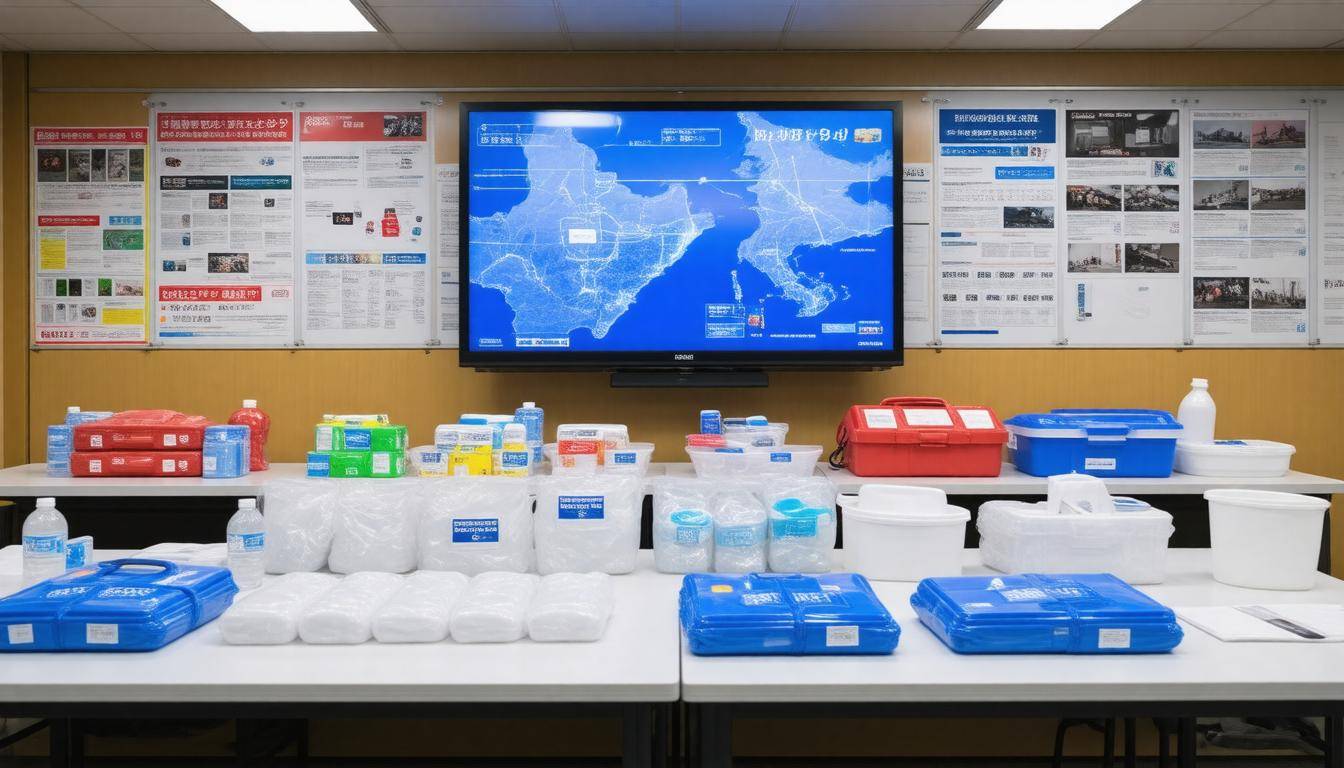
Keeping the public well-informed before, during, and after a nuclear event is a cornerstone of effective response and recovery. The Japanese government recognizes that people need to know what to do in a crisis, and that knowledge empowers them to make safe choices. This proactive approach not only saves lives but also fosters resilience in communities facing uncertainty.
To achieve these goals, Japan employs a multi-channel communication strategy that reaches citizens through diverse platforms. Educational campaigns on nuclear safety are rolled out across schools, community centers, and even online—making sure everybody can access essential information. For instance, workshops might be organized at local schools where children learn about emergency protocols in an interactive way. By engaging individuals from an early age, the groundwork for informed future generations is laid, ensuring that more people are prepared should they ever need to act quickly.
Media Engagement
When crises strike, clear communication becomes even more critical. The Japanese government maintains regular press briefings and updates, ensuring that both local media outlets and the general public receive timely information directly from authoritative sources. This consistency fosters trust; when people see their leaders actively communicating about safety measures or evacuations, they feel reassured that appropriate actions are being taken.
During a crisis, specialized communication teams are deployed specifically to address misinformation. These dedicated teams not only provide accurate updates but work tirelessly to debunk rumors that may spread chaos or panic among the public. This diligent effort allows citizens to distinguish fact from fiction.
Always rely on official sources and verified information during a nuclear event. Government leaflets distributed in high-risk areas remind citizens of this critical point. By reinforcing this message, individuals are encouraged to seek out credible information rather than succumbing to fear-based narratives circulating through social media or word-of-mouth.
Ultimately, coordinated communication efforts like these play a vital role in maintaining public trust. Information delivered transparently promotes calmness during emergencies, enabling effective crisis responses that can save lives. Ensuring the public remains well-informed builds a framework of safety and support for all involved.
In conclusion, staying informed and connected is crucial for everyone when it comes to managing nuclear emergencies effectively; proactive preparation reinforces community resilience.
How does Japan’s approach to nuclear emergency preparedness compare to that of other countries?
Japan’s approach to nuclear emergency preparedness is notably comprehensive, emphasizing community involvement and stringent safety regulations, particularly in the wake of the Fukushima disaster. Unlike some countries, Japan has integrated regional drills involving local populations, aiming for a well-informed citizenry ready to respond in crises. According to a 2020 government report, over 90% of municipal governments conduct regular emergency drills, compared to an average of about 50% in other OECD countries. This proactive stance reflects Japan’s unique vulnerability due to its seismic activity and reliance on nuclear energy, driving continuous improvement in safety protocols.
What recent incidents have influenced updates or changes to Japan’s Nuclear Emergency Preparation Plan?
Recent incidents such as the 2021 volcanic eruptions near Mt. Fuji and increased seismic activity have prompted updates to Japan’s Nuclear Emergency Preparation Plan. These natural events highlighted the need for improved safety protocols, particularly in vulnerable regions; for instance, the Japan Meteorological Agency reported a 15% increase in earthquakes in 2021 compared to previous years. Additionally, lessons learned from the 2011 Fukushima disaster continue to shape policy, driving enhancements in evacuation strategies and communication systems to ensure public safety during nuclear emergencies.
How often are drills or simulations conducted to prepare for a potential nuclear emergency in Japan?
In Japan, drills and simulations for potential nuclear emergencies are conducted regularly, typically at least once a year across various local governments and facilities. These exercises involve coordination between national and local authorities to ensure preparedness and effectiveness in response strategies. The Japanese government has emphasized the importance of these drills following the Fukushima disaster in 2011, which highlighted gaps in emergency response. Statistics show that after the incident, participation in such drills increased significantly, with over 90% of municipalities conducting annual training by 2023 to enhance community readiness and safety.
What role do local governments play in implementing the Nuclear Emergency Preparation Plan?
Local governments play a crucial role in implementing Japan’s Nuclear Emergency Preparation Plan by coordinating disaster response efforts, conducting community outreach, and ensuring that residents are informed about safety protocols. They are responsible for establishing evacuation routes, conducting drills, and maintaining communication with the national government during emergencies. According to the Ministry of Education, Culture, Sports, Science and Technology (MEXT), over 90% of local governments have developed their nuclear disaster response plans in alignment with national guidelines, illustrating their proactive approach to enhancing community safety and preparedness.
What specific measures are included in Japan’s Nuclear Emergency Preparation Plan?
Japan’s Nuclear Emergency Preparation Plan includes several specific measures such as the establishment of evacuation zones, distribution of potassium iodide to mitigate radiation exposure, public education campaigns on emergency response procedures, and regular drills to ensure preparedness among the population. The plan emphasizes timely communication through various media to inform residents about risks and necessary actions, aiming for a prompt response within a 30-minute alert window after an incident. These strategies are reinforced by Japan’s past experiences, notably after the Fukushima Daiichi disaster in 2011, which highlighted the need for robust safety protocols and community involvement in nuclear crisis management.