
In a city like Seattle, where the mountains meet the water and rain is as common as coffee, it might be hard to imagine the ground suddenly shaking beneath your feet. But earthquakes are a real possibility here—an unpredictable reminder of nature’s power. Preparing for such events isn’t just smart; it’s essential. Imagine finding yourself in a dark room after the walls have stopped shaking, and you have no idea what to do next. The best way to ensure you’re ready for an earthquake is to have a well-thought-out earthquake readiness kit on hand. With the right supplies, you can take control of a scary situation and focus on keeping yourself and your loved ones safe. Let’s explore what you need to include in that kit and how to prepare effectively for the unexpected.
Your Seattle Earthquake Readiness Kit should include essential supplies such as non-perishable food, water (one gallon per person per day for at least three days), a flashlight with extra batteries, a first aid kit, and essential medications. Additionally, you should consider including important documents, cash, a multi-tool, and blankets to ensure you are prepared for any emergency that may arise following an earthquake.
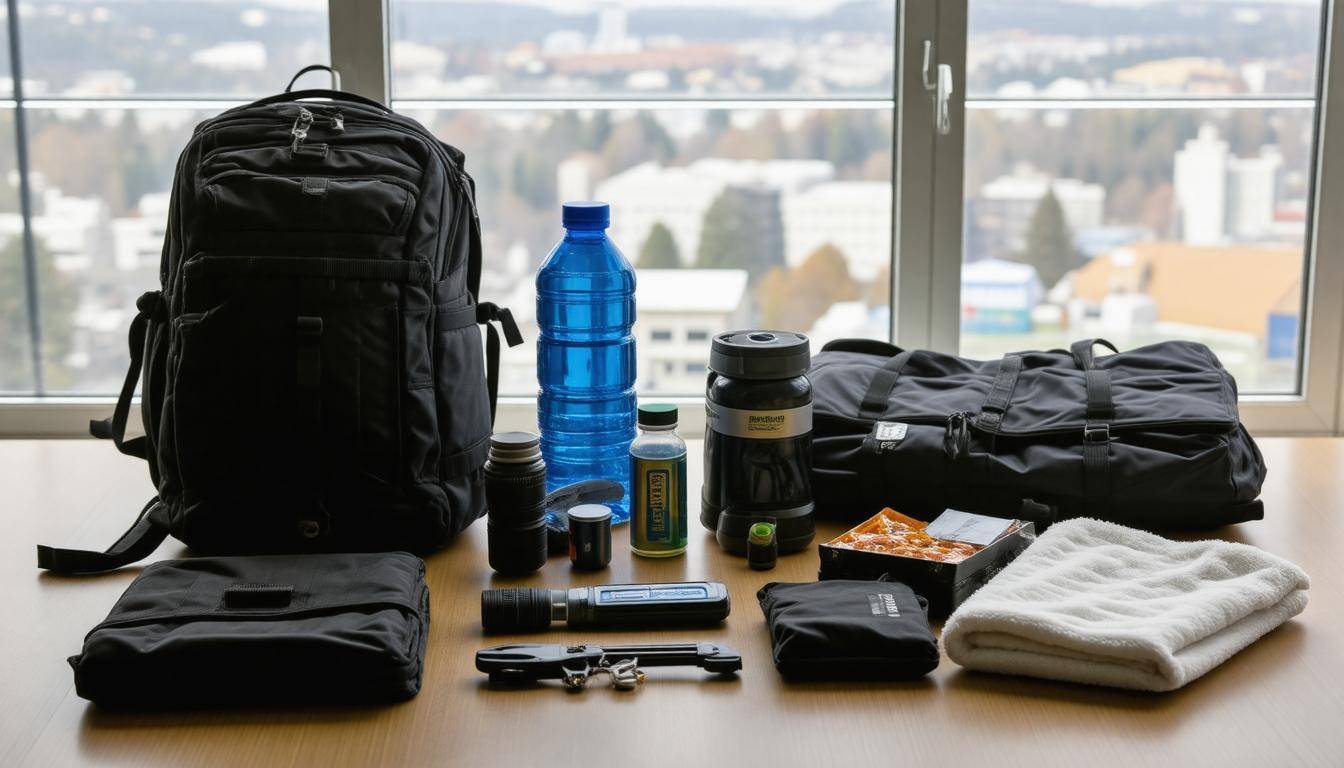
Essential Items for Your Earthquake Kit
One of the most important components of your earthquake readiness kit is the emergency blanket. These blankets are lifesavers. Imagine being caught outside during a chilly night after an earthquake—having a lightweight Mylar space blanket can help retain body heat and prevent hypothermia. It’s compact enough to carry around easily, ensuring that warmth is always at your fingertips.
But warmth alone won’t sustain you. You’ll also want to pack non-perishable food that has a long shelf life, such as high-energy granola bars or canned goods. It’s wise to think about what would keep you energized and nourished during a stressful time. Consider foods that require little preparation; imagine the frustration of being unable to cook amidst a disaster. Make sure you choose options like nut butters or dehydrated fruits too, which are nutritious and light.
A crucial item often overlooked is a manual can opener. Canned food may be packed with calories, but without a trusty can opener, accessing those vital supplies could become frustratingly difficult.
Now, let’s not forget communication! In the event of an earthquake, it’s possible that cellular networks may become overloaded—or even fail altogether—so having a whistle on hand is an excellent strategy if you happen to be trapped under debris. This small accessory could make all the difference should you need to signal for help.
Think of preparing your kit like packing for a camping trip where supplies are limited: every item needs to serve a purpose and be chosen with care. Each decision you make now helps prepare for the unexpected, cultivating peace of mind even in uncertain times.
Finally, consider practical tools that have dual functionalities; think about including multi-tools or compact first aid kits that come equipped with bandages, antiseptic wipes, and over-the-counter medications. These are invaluable when considering the potential risks involved during an earthquake. The goal here is preparedness—not just survival but creating conditions for resilience in the aftermath.
With these essential items secured in your kit, it’s time to turn attention to another critical aspect: ensuring access to adequate hydration and nutritious sustenance during emergencies.
Water and Food Supplies
When it comes to your earthquake readiness kit, water storage is one of the most critical components. The Centers for Disease Control and Prevention (CDC) suggests storing at least one gallon of water per person per day for a minimum of three days. Staying hydrated is crucial in stressful situations like an earthquake, as the body can quickly deplete its water reserves. If you have a larger family or expect to share resources with neighbors, consider increasing that amount accordingly.
Water Storage
To aid in your planning, if you’re preparing for three days of self-sufficiency, think about keeping at least 12 gallons of water stored away if your household has four people. If space is limited, use stackable water containers or large storage bins specifically designed for this purpose.
Don’t just settle for bulk water storage; consider enhancing your supply with water purification tablets or portable filters like the LifeStraw. Having these tools on hand can make a huge difference if you need to source water from local streams or rivers post-earthquake. They help extend the longevity of your water supply while ensuring it’s safe to drink—particularly important when regular access to clean water may be compromised.
Non-perishable Food
Equally important to water are the food supplies you’ll need during an emergency. Focus on non-perishable items that require little to no preparation. Here are some valuable choices:
- Canned beans – packed with protein and fiber.
- Dehydrated fruits – lightweight and provide quick energy.
- Packets of nuts – a great source of healthy fats and shelf-stable.
You might also want to explore items like granola bars or MREs (Meals Ready-to-Eat), which are specially designed for situations exactly like this.
A useful tip is packaging foods in vacuum-sealed bags before storing them; this significantly extends their shelf life. While buying prepackaged goods is convenient, vacuum sealing maximizes space and protects them from moisture or pests that could spoil them.
Remember, when assembling your supplies, always check expiration dates occasionally and rotate items every six months to ensure freshness.
With food and water sorted, shifting focus to first aid supplies will further enhance your preparedness in case of an emergency.
First Aid and Medical Equipment
Imagine getting a cut during the chaos of an earthquake when help is far away. In such moments, immediate care is crucial. This realization underscores the importance of having a comprehensive first aid kit readily available, especially if you live in an area like Seattle where earthquakes could leave you isolated for extended periods.
Your first aid kit should not consist of just a few band-aids thrown together but instead be a carefully curated collection of medical supplies essential for treating injuries effectively.
A proper first aid kit serves as your frontline defense against minor to moderate injuries. It should include an array of products: multiple sizes of bandages, sterile gauze pads, antiseptic wipes to clean wounds, adhesive tape, and pain relievers such as ibuprofen or acetaminophen. You may also want to add tools like tweezers for removing splinters, scissors for cutting materials, and even safety pins to secure any loose items. Consider also personal medications for any specific health needs.
Furthermore, it’s beneficial to include a manual or guide on basic emergency medical procedures within the kit. Understanding how to perform CPR or treat common wounds could mean the difference between life and death in an emergency situation.
Some people argue that basic kits are sufficient; however, given Seattle’s potential for prolonged isolation post-disaster, having an extensive kit becomes not just smart but vital. A well-stocked first aid kit equips you with more than just physical comfort; it builds confidence in your ability to handle emergencies.
For instance, Jane, a longtime Seattle resident, shared her experience following the 2001 Nisqually earthquake. She vividly recalled how being prepared with a well-stocked first aid kit allowed her to treat minor injuries for herself and her neighbors right when it was needed most. The sense of security she felt knowing she had the resources on hand reinforced the idea that preparation is key.
Regularly check your first aid kit’s contents and restock any items that have been used or have expired. A neglected kit may lead to disappointment when you need it most. It’s wise to periodically refresh your knowledge about basic first aid practices—one can never know when this information will come in handy!
With your first aid supplies organized and ready, let’s explore another critical aspect of preparedness that ensures health and wellness during emergencies.
Hygiene Essentials
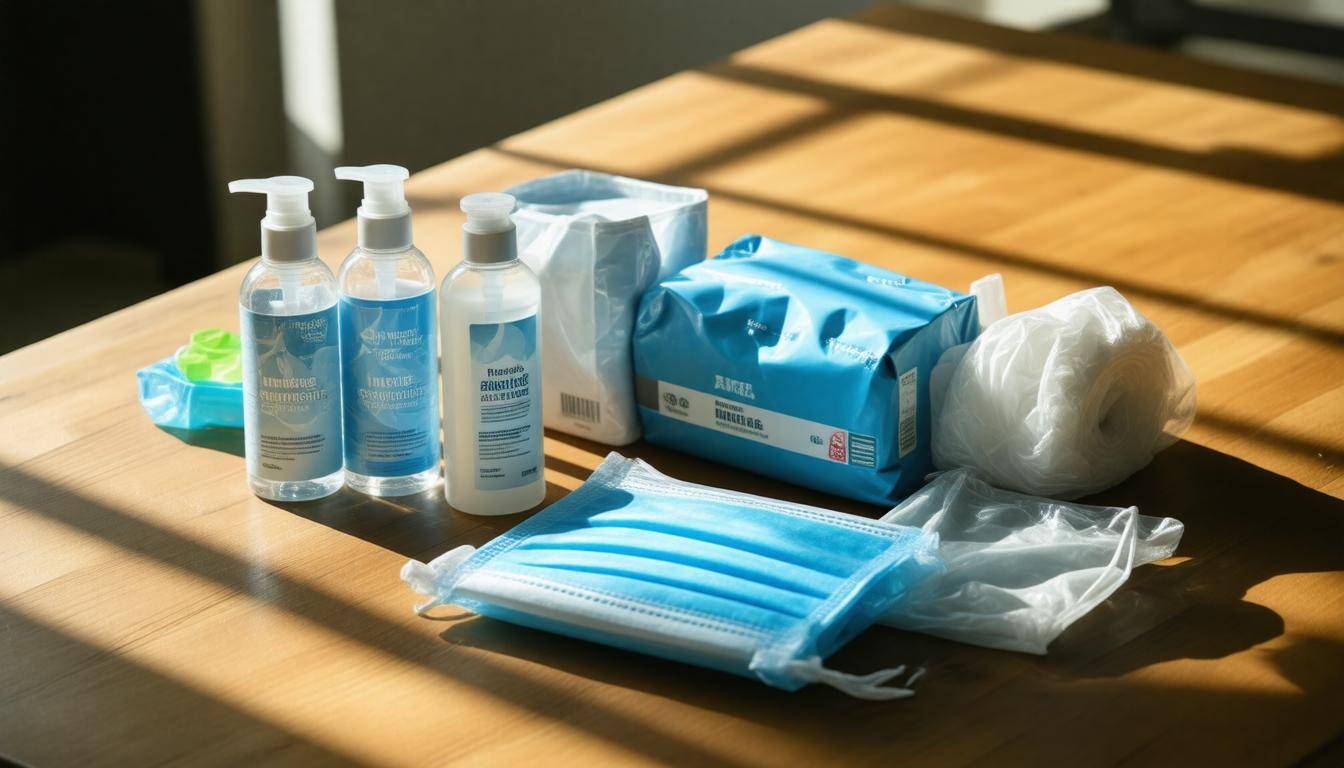
When preparing your earthquake readiness kit, there’s more to consider than just food and water; hygiene essentials are crucial for maintaining health during challenging times. In situations where typical sanitation options may be unavailable, items like hand sanitizer become lifelines.
Having at least two bottles ensures you always have a way to kill germs, especially when soap and water aren’t accessible. Hand sanitizer should contain at least 60% alcohol to effectively reduce virus transmission.
Toilet paper is another must-have item—adequate sanitation is non-negotiable, especially when access to standard plumbing is hampered. Storing at least four rolls can help you stay comfortable while navigating unforeseen living situations. It’s an item that might seem trivial until you find yourself without it.
Adding biodegradable soap to your kit offers a dual benefit; not only can it serve for personal washing, but it also has environmental advantages when disposal becomes necessary. A single bar could go a long way in ensuring that you’re kept clean without negatively impacting your surroundings.
Moist towelettes are invaluable in emergency circumstances. They allow you to clean yourself without needing running water, making them a convenient option when sinks are out of commission. A pack of these wipes will give you the flexibility to maintain some level of personal cleanliness, which can significantly impact both physical health and mental well-being.
Trash bags are often overlooked but serve as essential tools for waste disposal and organization. Having about ten bags on hand allows you to manage refuse responsibly. Not only do they keep your area tidy, but they also provide protection from rain or damp conditions when doubled up.
Female-Specific Hygiene Needs
Women’s hygiene considerations are particularly important and shouldn’t be neglected while preparing your earthquake kit. Having menstrual products ready, such as tampons or pads, ensures peace of mind during emergencies when managing periods becomes more complicated.
Consider including a supply that aligns with your cycle’s duration, as this small addition can make a substantial difference in comfort during distressing times.
Additionally, urinary relief devices like the GoGirl offer practical solutions for women who may need to answer nature’s call in less than ideal situations. These devices facilitate easier outdoor use without compromising modesty for those unfortunate bathroom scenarios.
| Item | Quantity | Purpose |
|---|---|---|
| Hand Sanitizer | 2 bottles | Germ protection |
| Toilet Paper | 4 rolls | Sanitation |
| Biodegradable Soap | 1 bar | Washing |
| Moist Towelettes | 1 pack | Cleaning without water |
| Trash Bags | 10 bags | Waste disposal, rain protection |
| Menstrual Products | Varies | Period management |
| Urinary Relief Device | 1 | Outdoor use |
With these essentials gathered together in your kit, you establish a solid foundation for your hygiene needs in emergencies. Next, let’s examine another vital component often overlooked: reliable sources of light.
Flashlight and Batteries
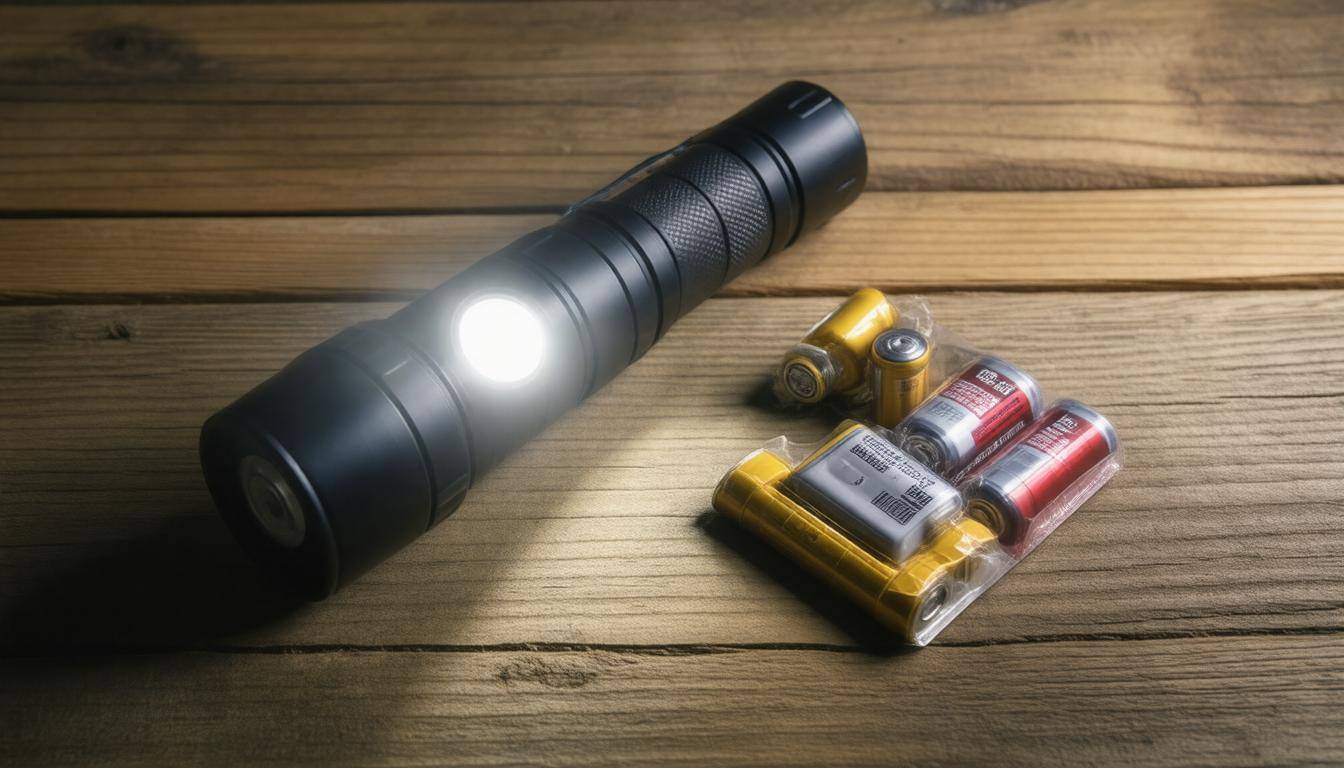
A reliable flashlight is more than just a convenience; it’s a necessity during emergencies. Imagine being in the midst of an earthquake, with rubble strewn about and your power flickering out. The comforting glow of a flashlight can provide much-needed visibility, helping you navigate to safety or locate essential supplies.
To ensure you’re prepared, consider investing in an LED flashlight known for its intensity and longevity, like those in the Streamlight ProTac series. These flashlights are compact yet powerful, making them perfect for any emergency kit. They also have excellent battery efficiency, which means they will stay bright when you need them most without requiring frequent battery changes.
It’s critical to note that according to FEMA, approximately 70% of emergencies involve power outages, underscoring the importance of dependable lighting to avoid disorientation and potential injury during crises. During these times, every moment matters—being able to see clearly can make a crucial difference in your safety and that of others around you.
Additionally, it’s wise to include extra batteries in your emergency kit to ensure your flashlight remains operational when you need it. If traditional batteries concern you, consider opting for a crank-powered flashlight as an alternative. These models don’t rely on batteries at all; they can provide light simply by cranking for a few minutes.
Remember, visibility can be your lifeline during chaos; equipping yourself with the right flashlight can illuminate your way through dark circumstances efficiently and effectively.
With reliable lighting secured, attention should turn to protection essentials that can further enhance your safety during emergencies.
Protective Gear
Safety during and after an earthquake can be significantly enhanced with the right protective gear. When the ground shakes, debris will likely fall, creating hazardous environments that can lead to injuries.
That’s where sturdy gloves come into play. They protect your hands while removing broken glass or other sharp objects. Just imagine standing amidst a chaotic scene, shouldering the weight of both the moment’s gravity and the need to clear paths for yourself or others. A solid pair of gloves makes all the difference.
Dust masks are another essential item when it comes to safety protection. They act as a barrier against inhaling harmful contaminants that might be kicked up by fallen debris. Many don’t realize that post-earthquake environments may contain toxic materials like dust from damaged structures or even mold spores. Wearing a dust mask not only promotes cleaner airways but can also prevent long-term respiratory issues from arising due to exposure.
But let’s not forget about your eyes—safety goggles are invaluable when navigating through debris. Flying objects can pose serious risks during these chaotic moments, and having quality goggles ensures that your vision remains protected so you can see and react swiftly.
While we’ve covered essentials for hand and airway protection, there’s one more crucial element that often gets overlooked: footwear.
Sturdy footwear is crucial but frequently unrecognized as a vital part of your emergency supplies. Regular shoes may not withstand sharp objects or unstable terrain in disaster circumstances, but durable boots provide support and protection. Imagine trudging over scattered rubble with flimsy sneakers; every step could result in injury. Instead, a well-fitting pair of boots with sturdy soles helps shield your feet from potential hazards while also providing good grip for navigating uneven ground.
Building Your Protective Gear Kit
As you consider these components, it’s best to compile them into a dedicated section of your readiness kit. This makes access easy when needed most and ensures you have everything in one organized place.
Furthermore, regularly inspect this gear to ensure wear-and-tear items are replaced and that everything is in working order. By equipping yourself with the right protective gear—gloves, dust masks, safety goggles, and sturdy boots—you can empower yourself to respond effectively during emergencies while minimizing risk to yourself and others around you.
Having understood the critical components of protective gear necessary for earthquake scenarios, it’s important now to turn our attention to formulating a comprehensive plan that guides your actions before, during, and after such events.
Developing an Earthquake Preparedness Plan
Establishing a comprehensive earthquake preparedness plan is more than just a precaution; it’s a lifeline during chaos. Imagine this: the tremors shake your city, and in the middle of the confusion, you need to quickly locate and communicate with your family while ensuring everyone understands what to do next. A well-structured plan can significantly alleviate panic and foster a sense of security.
Creating a Communication Plan
To build an effective communication framework, start by identifying a family meeting place. This designated spot should be easily accessible to all family members, ideally located outside where you can gather safely after an earthquake. Familiar locations offer a sense of stability during tumultuous times.
Next, it’s crucial to designate an out-of-state contact person whom every family member knows to reach out to in case local contacts fail. This person can serve as a central point for everyone to relay their status and whereabouts, bypassing potential communication blackouts within your local area.
A third yet vital component of your communication strategy is embracing technology: utilize text messaging. In disasters, voice call networks can quickly become overwhelmed, but often text messages may still get through, allowing you to convey important information succinctly.
Regular drills are essential for mastering your plan; they transform uncertainty into confidence. By practicing these scenarios frequently, you fortify your family’s ability to respond effectively when it truly matters.
Now that we have laid out the groundwork for communication, it’s essential that these plans must be revisited and updated regularly to adapt to any changes in circumstances or family needs.
Reviewing and Updating Your Plan
Your preparedness plan isn’t meant to sit stagnant; it should evolve alongside your family. Whether you’ve moved houses, added new family members, or simply changed phone numbers, keeping the plan fresh and relevant is critical for effectiveness. Schedule times, perhaps every six months or before significant seasons like winter or summer, to reassess your plan and make necessary adjustments.
In addition to these updates, consider conducting annual reviews with your entire family to ensure everyone is on the same page regarding roles and responsibilities during an emergency. These meetings provide an opportunity to discuss any modifications needed based on recent natural events or learnings from drills you’ve conducted.
By incorporating these strategies into your earthquake preparedness efforts, you’re not just creating a document—you’re fostering resilience within your household. Take the time now and invest in this vital aspect of safety; it could save lives one day.
As we explore further, we will discuss how to keep your supplies and preparedness plans fresh and aligned with changing needs.
Keeping Your Earthquake Kit Updated
An outdated kit is as useful as no kit at all. Over time, the supplies in your earthquake kit may lose their efficacy, from bottled water that can degrade to food items that could spoil or become stale. Therefore, ensuring that your kit remains current by regularly updating it is crucial for your preparedness.
As part of a solid routine, consider scheduling a bi-annual review of your kit—set reminders on your calendar so that it becomes a priority rather than an afterthought.
When checking on your kit, systematically evaluate each item. Begin by checking the expiration dates on both food and water. Canned goods can often last longer than their labeled dates, but it’s wise to replace anything that seems questionable. Bottled water has a shelf life too; after 6 months to a year, it’s best to refresh this supply.
Don’t overlook any medications within your kit. Prescription medications or even over-the-counter remedies lose potency over time. Being proactive about replacing expired medications ensures you have safe access to vital treatments when emergencies strike.
After checking food and medicines, turn your attention toward electronics. Test any devices you have stashed away, like emergency radios or flashlights. Replace batteries as needed to guarantee functionality whenever you need these items most.
Regular updates ensure not only the continued effectiveness of your kit but also provide peace of mind. When each item has been checked off and replaced as necessary, you can confidently rest easy knowing you’re prepared for whatever may come your way. By making it a habit to keep your preparations updated, you’re actively ensuring the safety of yourself and those you care about.
To effectively navigate potential emergencies, regular evaluation of your earthquake readiness kit is essential. Stay prepared and prioritize your safety well into the future.
**Dust mask**: To help filter contaminated air and plastic sheeting and duct tape to shelter in place if necessary.
A dust mask is a crucial component of your earthquake readiness kit, as it provides protection against inhaling harmful dust and debris that can arise during and after an earthquake. In the Pacific Northwest, where Seattle resides, approximately 25% of residents live in areas at risk for significant seismic activity. Using a dust mask alongside plastic sheeting and duct tape enables individuals to create a temporary shelter in place, effectively reducing exposure to contaminated air until help arrives or conditions improve.
**Flashlight and extra batteries**: To provide light during power outages.
A flashlight and extra batteries are crucial components of an earthquake readiness kit, as power outages commonly occur during seismic events. The American Red Cross emphasizes that being prepared with reliable light sources can significantly enhance safety and navigation in dark conditions. Studies show that up to 90% of individuals affected by disasters reported feeling more secure when they had access to portable lighting, underscoring the necessity of including these items in your emergency supplies.
**Non-perishable food**: Enough to last for at least three days; items like canned goods, energy bars, and dried fruits are ideal.
Non-perishable food is crucial for earthquake readiness since a significant quake could disrupt supply lines for days or even weeks. Stocking enough food to last at least three days—such as canned goods, energy bars, and dried fruits—ensures you have the necessary sustenance while waiting for assistance. According to FEMA, having emergency food supplies is a key component of disaster preparedness, as it allows you to maintain energy levels and avoid panic during stressful situations.
What additional items should I consider for my earthquake preparedness kit specific to Seattle?
In addition to the standard supplies like water, non-perishable food, and first aid kits, consider adding a NOAA weather radio for real-time updates, extra warm clothing and blankets due to Seattle’s cool climate, and a portable phone charger since communication could be disrupted. It’s important to remember that Seattle is in a seismically active zone—historically, there’s about a 15-25% chance of significant earthquakes occurring in the region over the next 50 years. Including tools like a multi-tool or whistle can also be valuable for rescue situations.
**Manual can opener**: For opening cans of food if not using pop-top cans.
A manual can opener is an essential tool in any earthquake readiness kit, as it ensures access to canned food when power or appliances may not be available. In the aftermath of a significant seismic event, residents often face shortages and limited access to resources. According to FEMA, having non-perishable food supplies ready for at least three days is crucial, and many of these foods are contained in cans. Without a means to open them, valuable sustenance could go to waste. Therefore, including a manual can opener not only enhances self-sufficiency but also ensures that food rations can be utilized effectively in an emergency situation.
**Water**: At least one gallon per person per day for at least three days.
Water is a critical component of any earthquake readiness kit, as it is recommended that individuals store at least one gallon of water per person per day for a minimum of three days following a disaster. In situations where normal water supplies may be disrupted, having sufficient water on hand can prevent dehydration and ensure basic survival. According to the Federal Emergency Management Agency (FEMA), in emergencies, maintaining hydration can be pivotal, especially considering that adults can survive only about three days without water. Thus, preparing adequately with plenty of potable water is not just advisable but essential for safety and well-being during unforeseen events like earthquakes.
How often should I check and update my earthquake readiness kit?
You should check and update your earthquake readiness kit at least twice a year, ideally during the changing of seasons, to ensure that all supplies are fresh and functional. Statistics show that approximately 20% of emergency supplies can expire or become ineffective within six months, which emphasizes the need for regular checks. Additionally, familiarizing yourself with the contents helps ensure quick access in an emergency, making proactive maintenance essential for readiness.
**Multi-tool or Swiss army knife**: Useful for numerous tasks and repairs.
A multi-tool or Swiss army knife is an essential item for any earthquake readiness kit, as it combines various tools into one compact device, making it versatile for numerous tasks such as cutting, screwing, and opening cans. In emergency situations, having a reliable tool can mean the difference between being able to make quick repairs or being left without resources. According to research from FEMA, equipping yourself with multi-functional tools can significantly enhance your ability to respond effectively during a disaster, ensuring you have what you need at your fingertips when every second counts.
**Personal hygiene items**: Such as wipes, garbage bags, and toilet paper.
Personal hygiene items like wipes, garbage bags, and toilet paper are crucial in an earthquake readiness kit to maintain health and sanitation in the aftermath of a disaster. During emergencies, access to clean water and functioning facilities can be compromised, leading to potential health risks such as infections or diseases. According to FEMA, maintaining personal hygiene is essential during disasters, as it helps to prevent illness and promotes overall well-being. Having sufficient hygiene supplies ensures that you can manage personal cleanliness effectively even in challenging situations.
**Local maps**: In case of evacuation or loss of mobile service.
Local maps are crucial for earthquake preparedness in Seattle, especially since the region is prone to seismic activity, with an estimated 1 in 3 chance of a major quake occurring within the next 50 years. In the event of an evacuation or loss of mobile service, printed maps ensure you can navigate your surroundings and find safe routes without relying on technology. Statistics show that during emergencies, up to 25% of mobile services may be down, making physical maps a reliable resource for safety and evacuation planning.
**First aid supplies**: Including bandages, antiseptics, and any personal medications.
A well-stocked first aid supply is crucial in an earthquake readiness kit, as injuries can occur even in minor tremors. Essential items include various sizes of bandages, antiseptics to prevent infection, and personal medications for chronic conditions; this ensures you’re prepared for immediate care when help may not be readily available. Statistics show that after major earthquakes, up to 25% of individuals may require medical attention for injuries related to the quake or ensuing chaos, making first aid supplies indispensable for your safety and peace of mind.
Where can I buy pre-assembled earthquake readiness kits in Seattle?
You can purchase pre-assembled earthquake readiness kits in Seattle at major retailers like REI and Home Depot, as well as specialty stores such as Seattle Survival and Ready.gov’s online resources. Seattle is located near the Cascadia Subduction Zone, where a significant earthquake could occur, making it crucial for residents to have these kits ready. In fact, around 30% of Seattle’s residents do not have adequate emergency supplies, highlighting the need for preparedness and easy access to essential kits.
**Whistle**: To signal for help if needed.
A whistle is a crucial tool in an earthquake readiness kit, as it serves as an effective means to signal for help when you may be trapped or unable to shout. In emergency situations, sound carries better than voice, and using a whistle can conserve your energy while increasing the chance of being heard by rescuers. According to the Federal Emergency Management Agency (FEMA), having a whistle as part of your emergency supplies could significantly improve your odds of being located quickly, especially in scenarios where multiple individuals may be signaling for help simultaneously.
What are the local guidelines or recommendations from emergency services regarding earthquake preparedness?
Local guidelines from emergency services in Seattle emphasize the importance of assembling a comprehensive earthquake readiness kit, which should include essentials such as water (one gallon per person per day for at least three days), non-perishable food, a flashlight, batteries, first-aid supplies, and sturdy footwear. According to FEMA, nearly 50% of residents in seismic zones do not have adequate emergency supplies, highlighting the critical need for preparedness. Additionally, securing heavy furniture and creating an emergency communication plan are recommended to enhance safety during an earthquake event.
Are there community resources or programs available to assist with earthquake preparedness in Seattle?
Yes, Seattle offers several community resources and programs to assist with earthquake preparedness. Organizations like the Seattle Office of Emergency Management provide workshops, training sessions, and resources such as the “ShakeAlert” app that helps residents stay informed about seismic activity. Additionally, local community centers frequently host preparedness events, and volunteer groups work on initiatives to distribute information and supplies. According to a survey by the Washington State Emergency Management Division, as of 2023, over 60% of residents reported having taken part in local emergency preparedness trainings, highlighting the community’s proactive approach to earthquake readiness.