
Sochi is a stunning place where mountains meet the sea, but this beauty comes with hidden dangers that can be hard to see at first glance. Landslides and flooding are serious threats that many residents and visitors might overlook while enjoying the breathtaking views. With climate change making weather patterns more unpredictable, knowing how to protect ourselves and our communities has never been more important. Whether you live in Sochi or are planning a visit, understanding how to prevent and manage these risks can help ensure safety for everyone. This guide will walk you through key strategies— from identifying vulnerable areas to enhancing emergency preparedness—so you can appreciate all that Sochi has to offer without fear.
The Sochi Landslide & Flooding Defense Guide outlines essential strategies for mitigating risks associated with landslides and floods in the Sochi area, focusing on strengthening civil infrastructure and enhancing emergency preparedness. It provides recommendations for investment in advanced drainage systems, community training for rapid response, and insights into climate change impacts on weather patterns relevant to the region.
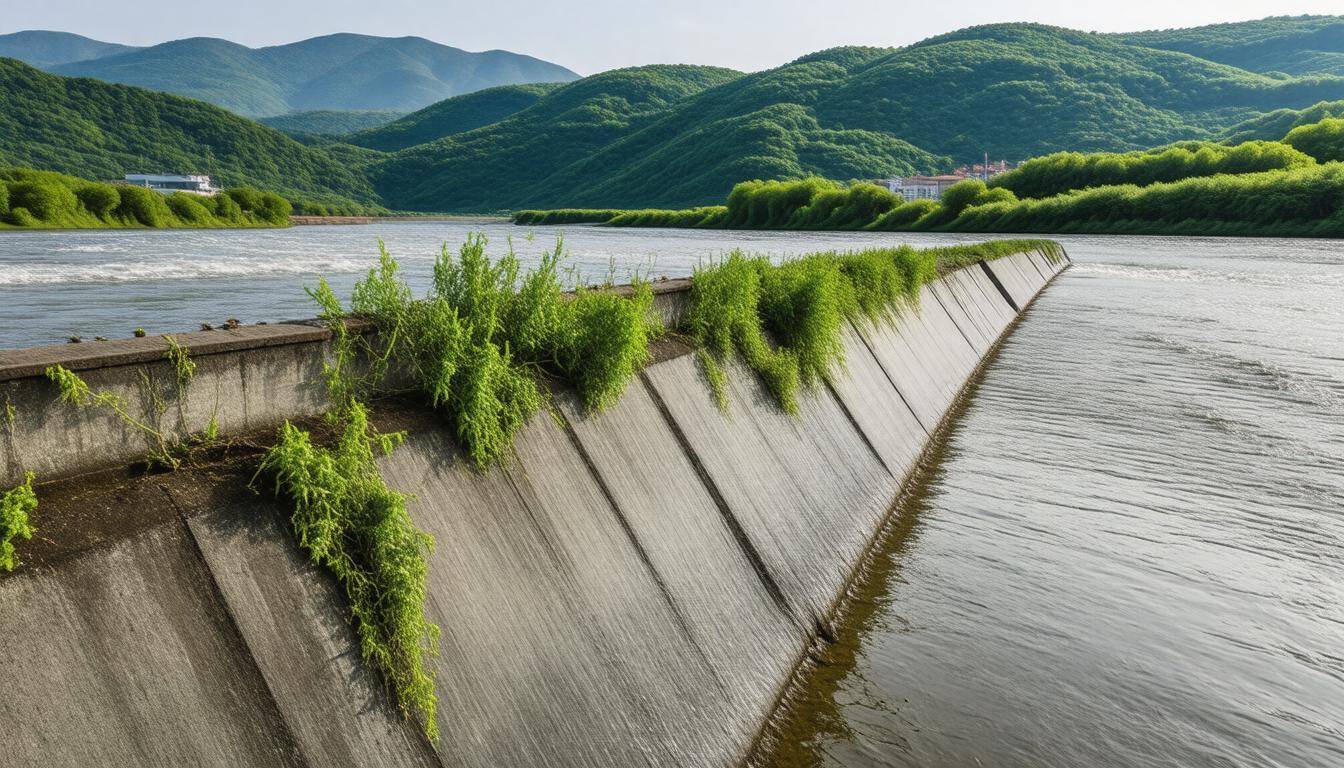
Why Sochi is Prone to Landslides and Flooding
Situated in a unique geographic location, Sochi’s vulnerability to landslides and flooding mainly stems from its positioning between the Black Sea and the towering Caucasus Mountains. This setup creates a landscape with significant elevation changes that can quickly funnel rainwater downwards, exacerbating the risk of landslides during heavy rainfall. Indeed, the region experiences an average annual rainfall of around 1,700 mm, particularly peaking in the autumn and winter months. When these downpours occur, they saturate the soil rapidly, leading to destabilization that often results in catastrophes like landslides.
To illustrate this further, let’s look at a specific event that shows just how devastating such heavy rains can be.
Take January 2014, for instance: Sochi experienced substantial flooding as relentless rainfall overwhelmed urban drainage systems. The impact was significant, displacing residents and causing widespread infrastructural damage. When nature unleashes its fury in this way, it starkly highlights just how unprepared we can be without careful planning and maintenance.
Geographic and Climatic Factors
The topography plays a vital role in Sochi’s climatic challenges. The steep slopes created by the mountains can lead to a rapid accumulation of water runoff. Once the ground becomes saturated from heavy rain, gravity does the rest; mudslides swiftly follow as loose soil is washed away.
“With each raindrop that falls on these mountains, there is a corresponding level of danger that lurks underneath.”
Compounding this issue is the coastal proximity to the Black Sea, where storm surges can exacerbate flooding during periods of intense rain. The combination of these factors forms a perfect storm for disaster.
Human Activity
Now let’s turn our focus to human influence. As Sochi has modernized—especially in preparation for events like the 2014 Winter Olympics—urbanization has dramatically altered the landscape. Construction projects have disrupted natural drainage patterns essential for managing water flow through the region. This transformation has not only introduced hard surfaces like concrete but also removed vegetation that would otherwise stabilize the soil.
The consequences of this development are real: increased soil erosion leads to greater instability in areas already prone to such disasters. While economic benefits have emerged from building new infrastructure, they come with significant environmental costs that locals must contend with daily.
Recognizing the urgent need for effective measures allows us to approach future strategies more strategically. Next, we will examine methods to pinpoint areas most at risk within this breathtaking yet precarious environment.
Identifying Vulnerable Areas
The essence of disaster management lies in pinpointing the regions most susceptible to hazards. In Sochi, understanding where danger lurks requires precise risk mapping and assessment. Data-driven methodologies provide insights that can shape mitigation efforts effectively. One powerful tool at our disposal is Geographic Information Systems (GIS), which we can utilize to create detailed maps illustrating at-risk zones.
These maps incorporate several key factors such as elevation, slope gradient, and soil composition—each element playing a role in understanding vulnerability.
Risk Mapping and Assessment
Studies reveal that areas with steep slopes, specifically those greater than 30 degrees, combined with loose, unconsolidated soil, are primary indicators of landslide susceptibility. When heavy rains fall or rapid snowmelt occurs, these conditions can create a perfect storm for disaster. Therefore, areas identified on GIS maps should be prioritized for timely preventive measures.
It is crucial to recognize that simple geography isn’t the only factor; it intertwines with the region’s geology. Soil analysis shows that certain types, often clay-rich soils, hold water like sponges but can also become dangerously unstable when oversaturated. For Sochi’s communities living near cliffside vistas or below inclined terrains, this makes it all the more important to have a clear picture of their surroundings.
Historical Data Analysis
Furthermore, reviewing historical incidents equips us with lessons that enhance future preparedness. For instance, between 2010 and 2014, Sochi experienced over 20 significant landslides largely concentrated in the Krasnaya Polyana area. This retrospective analysis provides context for current risks and helps target resources efficiently.
Clearly understanding past events sheds light on potential future occurrences. This insight empowers local governments and residents alike to devise action plans tailored for specific vulnerabilities rather than adopting a one-size-fits-all strategy.
With this invaluable knowledge about vulnerable regions based on risk mapping and historical data analysis, communities can transition to implementing proactive safeguards against impending disasters while also exploring innovative protective techniques.
Engineering Structures for Protection
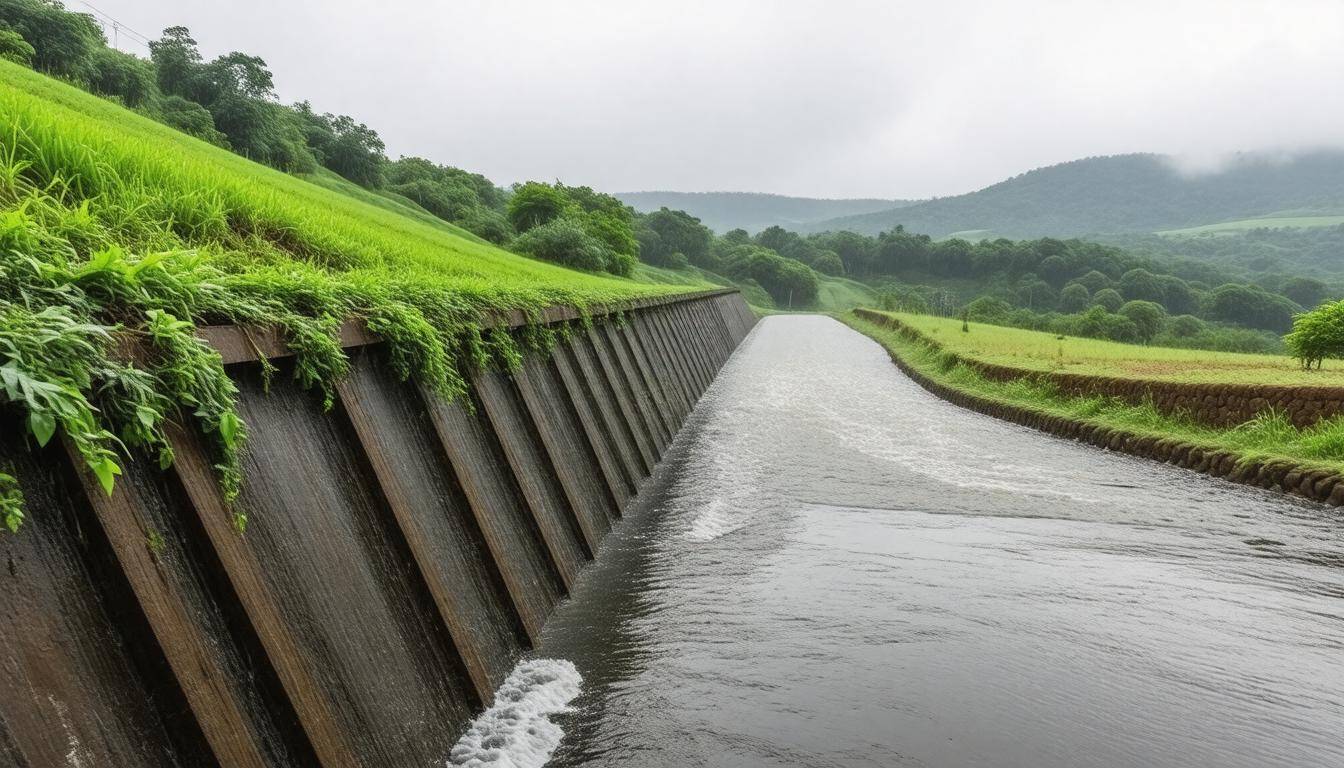
Properly engineered structures are a vital defense against the destructive forces of nature, particularly in regions susceptible to flooding and landslides. These infrastructures not only guard communities but also enhance their resilience in the face of adverse weather conditions. By fortifying vulnerable areas with targeted designs, we can effectively mitigate risks and protect lives.
Retaining Walls
Imagine retaining walls as the robust backbone of hilly terrains, providing essential support to soil and preventing it from crumbling away during heavy rains. Think of them as sturdy guardians that hold back eroding earth, allowing communities nestled in these landscapes to thrive safely. Among various types of retaining walls, gabion walls stand out with their unique construction: steel wire filled with stones. Their permeability enables water drainage while maintaining strength against soil pressure. This dual function makes gabion walls exceptionally effective; they can absorb water and allow it to flow while still preventing soil erosion.
In addition to retaining walls, other engineering solutions can further enhance flood defense in vulnerable regions.
Diversion Channels
Another essential tool in our arsenal is the implementation of diversion channels. These channels are designed to redirect the flow of water, guiding it away from critical infrastructure and populated areas. Picture a river being gently nudged into a safer path; that’s precisely what these channels accomplish. In Sochi, substantial investments have been made in drainage canals specifically meant for this purpose. Not only do they steer water away from potential danger zones, but they are also crafted to slow its momentum, which significantly decreases erosion risk.
The design philosophy behind such channels emphasizes both effectiveness and longevity—which means that regular monitoring and maintenance will ensure they perform well even under intense weather events.
As we consider ways to protect communities from potential falls or slides, another innovative structure comes to mind.
Rockfall Nets
Enter rockfall nets, an ingenious solution for high-risk areas prone to rockslides. These nets function like stylish safety nets draped over steep slopes; they catch any dislodged rocks before they can cause catastrophic damage below. Typically constructed from high-tensile steel wire, these nets are incredibly resilient against the forces of nature while demonstrating flexibility through their design. When strategically placed on cliffs or rocky outcroppings, they can significantly reduce hazards associated with falling debris—a simple yet powerful way to safeguard homes and infrastructure.
Effectively combining these engineering solutions will create a formidable barrier against flooding and landslides, enhancing the overall safety and resilience of vulnerable regions like Sochi. As we explore further, we’ll look at natural approaches that complement these technological defenses.
Landscaping for Stable Slopes

Landscaping is an art that goes beyond mere decoration; it serves a functional purpose, especially when it comes to slope stability. One of the most effective methods for achieving this is through vegetative cover. By planting deep-rooted vegetation, such as native shrubs and small trees, you can bind the soil together effectively. These plants not only stabilize the ground but also enhance water retention—allowing your soil to absorb and hold on to moisture rather than letting it run off quickly during heavy rain.
Prioritizing native plant species is essential here. They are much better suited to your local environment, including factors like soil type, climate, and rainfall patterns. Native plants often require less maintenance because they thrive in their native habitats. For instance, think about the vast root systems of a willow tree; its ability to penetrate deeply into the soil helps secure loose earth while providing beauty to your landscape.
Another technique worth considering alongside vegetative cover is terracing.
Terracing
Implementing terraces along your slopes can drastically reduce soil erosion. This ancient agricultural practice has been used for centuries by farmers across the globe to slow down water runoff and enhance the infiltration of water into the soil. The basic idea behind terracing is simple: by creating flat areas on a slope, you alter the path that water takes as it flows downhill, preventing it from gaining speed and carrying away valuable topsoil.
But don’t stop there! You can adapt terraces not just for agricultural lands, but also for residential areas. By constructing small terraces in your backyard or on problematic slopes, you minimize the steepness which decreases runoff velocity significantly. In fact, studies show that such techniques can reduce runoff by up to 50%. Not only does this protect your property from landslides, but it also improves irrigation efficiency—allowing for better growth of ornamental plants or vegetables.
As we explore additional preventative strategies, it’s crucial to examine other effective landscaping techniques, including mulching and proper drainage systems, which work together with these initial steps to further enhance slope stability and soil health.
Safety Measures for Residents
Preparedness is key when living in areas prone to natural disasters like landslides and flooding. Each household needs to take personal responsibility for ensuring safety through thoughtful planning and resources.
An effective way to start is by creating well-stocked preparedness kits that can make all the difference during emergencies.
Preparedness Kits
Every household should have an emergency kit that includes:
-
Flashlights and batteries: Essential for maintaining visibility in case of power outages.
-
Bottled water and non-perishable food: At least one gallon of water per person per day for three days is recommended, along with enough non-perishable food suitable for easy consumption.
-
First aid supplies: A well-stocked first-aid kit with basic medical essentials like bandages and antiseptics.
-
Important documents: Keep copies of insurance policies, identification, and critical paperwork in a waterproof container.
-
Whistle: Crucial for signaling for help when communication may go down.
-
Basic tools: Tools like a wrench or pliers are necessary to turn off utilities or perform minor repairs.
Maintaining these kits regularly ensures they’re ready when needed. Check expiration dates on food and medicines, refreshing supplies as necessary.
Evacuation Plans
Develop and regularly practice an evacuation plan. Your family should be familiar with it—the goal is to act swiftly during severe weather warnings.
Consider mapping out at least two separate evacuation routes from your home, ensuring these paths are accessible and well-marked. Inform all residents of these routes through community meetings or distributing maps.
Regular drills are equally important—conduct biannual community exercises targeting 75% resident participation if possible. This way, when disaster strikes, everyone knows what to do and where to go without panic setting in.
Furthermore, it’s crucial for residents in Sochi to recognize specific hazards presented by their geographical area and prepare accordingly. Understanding local conditions not only enables individuals to safeguard themselves but also enhances the resilience of their community as a whole. As we move forward, let’s explore the strategies for monitoring weather patterns and taking preventive measures effectively.
Weather Monitoring and Precautions
Monitoring weather changes can be the difference between safety and disaster. Imagine waking up in the middle of the night to hear heavy rain pouring down outside. If you had been aware of an incoming weather system, you could have taken steps to safeguard your property before it escalated into an emergency. Understanding weather patterns isn’t just for meteorologists anymore; local residents have access to tools that make this information available to everyone. This isn’t merely about checking the forecast daily; it’s about proactively using all available resources to stay ahead of nature’s surprises.
Advanced Meteorological Systems
Thanks to advancements in sophisticated meteorological equipment, local agencies in Sochi can now predict heavy rainfall and storms with remarkable precision. Automated weather stations installed around the region are invaluable for capturing real-time data. These devices measure factors like humidity, temperature, wind patterns, and rainfall amounts, providing critical insights that help authorities warn residents of impending hazards. With data being processed more efficiently than ever, authorities can issue alerts sooner, allowing communities ample time to prepare for potential flooding or landslides. Furthermore, the integration of Geographic Information Systems (GIS) aids in mapping high-risk areas, pinpointing where to focus preventive efforts.
Yet, knowing that a storm is on its way is just one piece of the puzzle — it’s equally important to ensure that residents receive timely warnings so they know how to act.
Public Warning Systems
An efficient public alert system is essential for enhancing community safety during extreme weather events. Such a system can utilize various modes of communication to ensure information reaches as many people as possible. For example, text message alerts can quickly notify individuals about changing conditions or urgency levels regarding potential flooding. Sirens provide loud warnings that can capture attention even during busy hours, while community notice boards serve as visual reminders for those who may not have instant access to mobile technologies. By having multiple channels of communication, communities can ensure everyone knows the recommended precautions early on.
A well-informed public is far less likely to panic during a crisis. When residents understand what steps to take—like evacuating or reinforcing structures—they enhance their chances of staying safe when disaster strikes.
Implementing such a comprehensive approach not only protects lives but also fosters a culture of preparedness within the community. As we consider these protective measures, it’s crucial to also explore how communities are preparing in case disaster strikes unexpectedly.
Emergency Response Plans
A comprehensive emergency response plan is more than just paperwork; it’s a lifeline during times of crisis. When disasters like landslides or flooding threaten the Sochi region, having a well-coordinated strategy in place can mean the difference between chaos and effective management.
This begins with establishing reliable communication links with local authorities. Pre-arranged connections with emergency services—including fire departments, police forces, and hospitals—allow for quick sharing of vital information. This coordination ensures that everyone knows their roles and the necessary resources are mobilized without delays.
For example, local officials should have direct communication channels to notify first responders about specific areas at risk. Imagine a scenario where heavy rains cause a rapid rise in water levels—knowing exactly whom to contact immediately can expedite evacuation orders and resource deployment. This urgency is essential for safeguarding lives and protecting property.
Coordination with Local Authorities
Building strong relationships with local emergency services is not just about contact lists; it involves regular collaboration and training exercises. By engaging in discussions with local leaders and attending joint meetings, community members can gain insights into the capabilities and limitations of their local agencies. This also fosters trust and a mutual understanding that can be invaluable during emergencies.
When residents know what local responders can offer, they can better prepare themselves—making them active participants in the response effort rather than passive victims.
Additionally, including specific phone numbers or radio frequencies for communication in your emergency kits can enhance readiness during an event when traditional lines of communication may fail.
Community Drills
One effective way of ensuring preparedness is through community drills which simulate emergency situations. These drills help familiarize residents with protocols, escape routes, and safe zones. According to reports from Sochi’s Lazarevsky District, regular participation in such drills has heightened their sense of confidence and security in times of crisis. Since those drills began prior to recent floods, many residents attested that they felt more equipped to handle potential evacuations.
I always encourage communities to actively participate in these drills—not just as observers but as engaged participants. By practicing what to do under pressure, residents can learn to act quickly and effectively when real emergencies occur.
Regular drills build not only skills but also camaraderie among neighbors—essentially creating a network of support that amplifies resilience during disasters.
Moreover, each drill reinforces awareness about local hazards while improving individual readiness. They also offer opportunities for feedback on evacuation routes or safety measures from community members directly affected by past incidents, allowing plans to continually evolve based on experience.
By investing time and resources into comprehensive emergency response plans—complete with coordination with local authorities and regular community drills—Sochi prepares its citizens for immediate dangers while cultivating long-term resilience against future disasters.
As we shift our focus now, it’s crucial to understand the role that residents play in this ecosystem of safety and preparedness.
Community Involvement and Training
It’s essential to provide residents with the tools they need to recognize and respond to potential disasters like landslides and floods. One effective way to achieve this is through engaging workshops that focus on educating residents about identifying early warning signs. For instance, when locals are trained to spot indicators such as unusual soil movement or heavy rainfall patterns that precede flooding, they are far more equipped to react quickly.
Studies show that communities with higher awareness levels experience fewer casualties during disasters, an outcome we can all appreciate.
Regular training sessions should be scheduled throughout the year, ensuring fresh knowledge is instilled in both seasoned residents and newcomers alike. These sessions can cover everything from how to evacuate safely to the importance of creating an emergency contact list. By fostering a culture of understanding, individuals feel empowered to take charge of their safety while also contributing to community preparedness.
Equally important are volunteer networks, which can significantly enhance community resilience in the face of catastrophes.
Establishing volunteer groups for post-disaster recovery does not only allow for immediate relief efforts; it builds a sense of solidarity among residents. For instance, after the 2020 floods in Sochi, a well-coordinated volunteer network played a key role in providing immediate assistance and rebuilding efforts. Volunteers teamed up to clear debris, distribute supplies, and assist families whose homes were severely affected.
The bonds formed within these groups fostered mutual support, allowing people to share resources and offer emotional strength during tough times.
Residents who participated in these volunteer efforts often express how powerful it feels to help their neighbors regain stability after a disaster. This personal involvement aids recovery and nurtures a thriving community spirit that enhances future preparedness initiatives.
Finally, cooperation is vital in turning plans into action; by weaving together education and volunteerism, a community fortifies its resilience against the increasing threat of natural disasters like flooding and landslides.
Inclusive participation ensures that disaster management becomes a communal endeavor rather than a solo effort. Whether organizing neighborhood meetings or collaborating with local authorities, active engagement cultivates not just preparedness but also strong relationships within the community, paving the way for a safer future.
In sum
Empowering communities through training and volunteerism builds resilience and fosters a proactive approach to disaster management. Prioritizing these elements can make all the difference when facing natural calamities.