
When it comes to emergency preparedness, particularly in a city like Sydney where flooding is a common threat, having a solid game plan can make all the difference. Imagine waking up one morning to find waters rising outside your window—what would you grab in those frantic moments? This is why creating a Flood Emergency Kit isn’t just smart; it’s essential for protecting yourself and your loved ones. In this article, we’ll break down the must-have items to include in your kit, discuss the importance of keeping it updated, and even share some community tips that could help you stay safe when disaster strikes. Whether you’re a long-time Sydney resident or new to the area, being prepared can turn panic into peace of mind during an unexpected flood.
A Sydney Flood Emergency Kit should include important documents stored in a waterproof container, medications and medical supplies, mobile phones with chargers for communication, and a travel bag with clothing essentials such as underwear and jackets. Additionally, prioritize personal safety by including food supplies, water, and items for pet care if necessary.
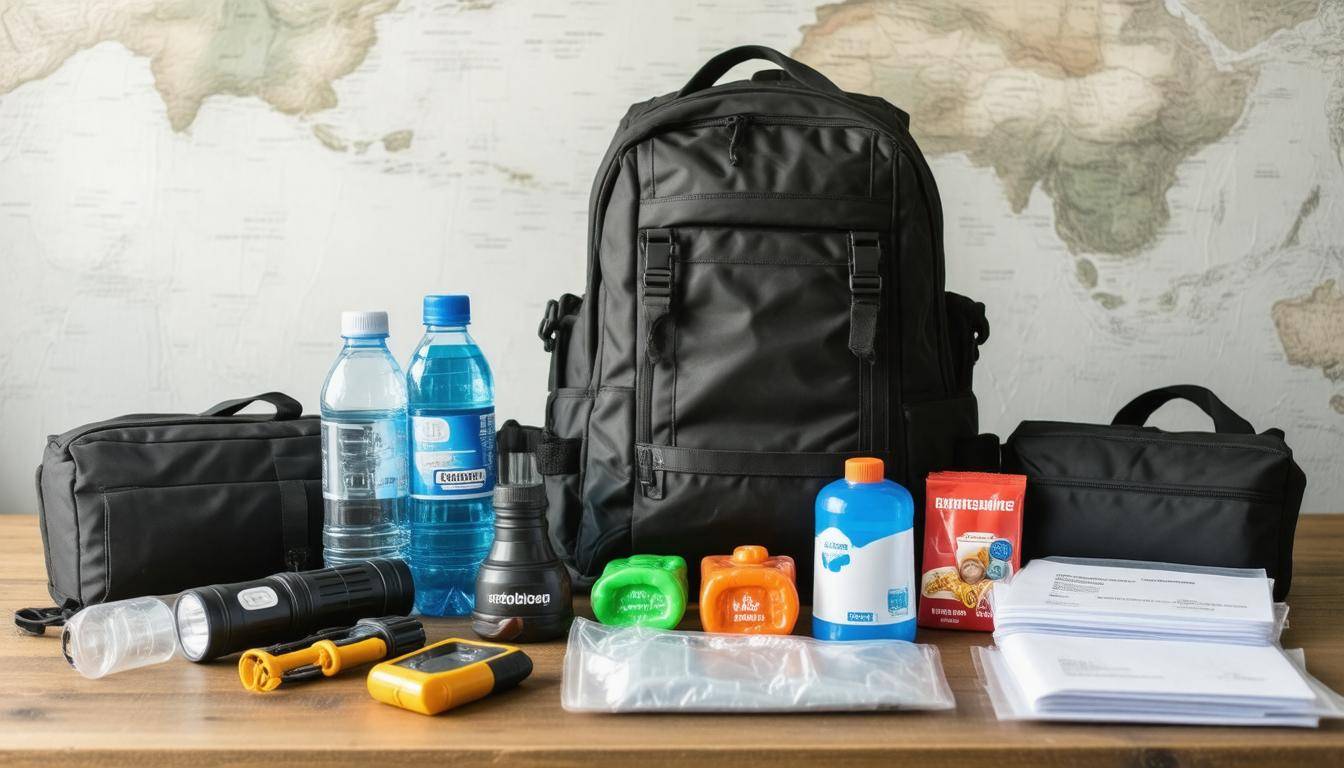
Why You Need a Flood Emergency Kit in Sydney
Flooding is a recurring reality for many residents in Sydney, with the city experiencing an average of three to four significant flood events each year. Given that approximately one in five homes are at risk, having an emergency kit prepared isn’t merely sensible; it’s essential. The catastrophic economic impact of flooding cannot be overstated, as costs can exceed AUD 1 billion per event, not to mention the emotional distress that accompanies losing cherished possessions or even facing health risks due to unsanitary conditions.
Consider this: when the storm clouds gather and water begins to rise, time becomes a luxury you rarely have. A well-prepared emergency kit will allow you to act swiftly and decisively, ensuring that you can gather your family and exit safely without scrambling last minute to find items. Essential documents like insurance papers and identification should be stored in a fireproof safe within easy reach. Moreover, medications and medical supplies listed clearly in your kit can make all the difference during stressful times when every second counts.
As one user on Reddit highlighted, “when faced with evacuation, it’s those small but vital preparations that stand between panic and peace of mind.”
And let’s not forget about communication; mobile phones and chargers are crucial in keeping you connected with loved ones during emergencies. They act as beacons of hope when misinformation spreads, allowing you to receive timely updates from local authorities. Additionally, having a travel bag ready with clothing essentials—including underwear and jackets—ensures comfort while evading potential threats.
- Important documents (IDs, insurance papers)
- Medications for health conditions
- Chargers for maintaining communication
- Comfortable clothing essentials
Beyond practical necessities, personal sentiment plays a huge role in what constitutes an effective emergency kit. Families often prioritize children and pets above all else, highlighting their intrinsic value during evacuations. In addition, invaluable sentimental items such as jewelry or family photo albums may be at risk if not readily accessible. Your device’s connectivity might also come into play here; electronics like laptops can harbor important documents and memories that are irreplaceable.
However, it’s not merely about assembling items—it’s also about implementing strategies that reflect lessons learned from past emergencies. As we explore further, it’s important to consider the lifeblood of survival: food and water during these trying times.
Essentials: Water and Food
Clean drinking water and non-perishable food are the cornerstones of any effective emergency kit. Imagine being in a situation where access to clean water is scarce, especially during a flood; it can be daunting. That’s why it’s advised to have at least a three-day supply of water per person, equating to roughly 4 liters per day. Think about it as more than just filling up some bottles; it’s about securing a lifeline in unpredictable times.
It’s also wise to invest in water purification tablets or filters as added safety measures. When floods hit, tap water may not be safe for consumption. These tablets can be a game changer, transforming questionable water into something drinkable under stress.
As for food, consider stocking items that are nutritious yet easy to store. While building your stash, think of foods that provide necessary calories but also maintain their shelf life well. Here are some ideal candidates:
- Canned goods: Versatile and lasting; think beans, vegetables, or fruits.
- Dehydrated meals: Quick to prepare and often high in calories; great for when you need energy fast.
- Energy bars: A compact source of nutrients that require no preparation.
- Dried fruits: Perfect for a quick snack containing natural sugars and vitamins.
These selections provide the necessary calories, ensuring you’re not left hungry during a crisis. Storage is key — these foods will stay usable longer than typical perishables, guaranteeing you’re covered when time runs short.
However, just having these supplies isn’t enough; they require maintenance. It’s crucial to rotate your food supplies every six months. This helps prevent spoilage and ensures you’re always ready for emergencies without wasting resources.
While sustenance is paramount, safeguarding your health and safety follows closely behind. Ensuring you have the right supplies will enhance your preparedness for flooding or other emergencies.
Important Health and Safety Equipment
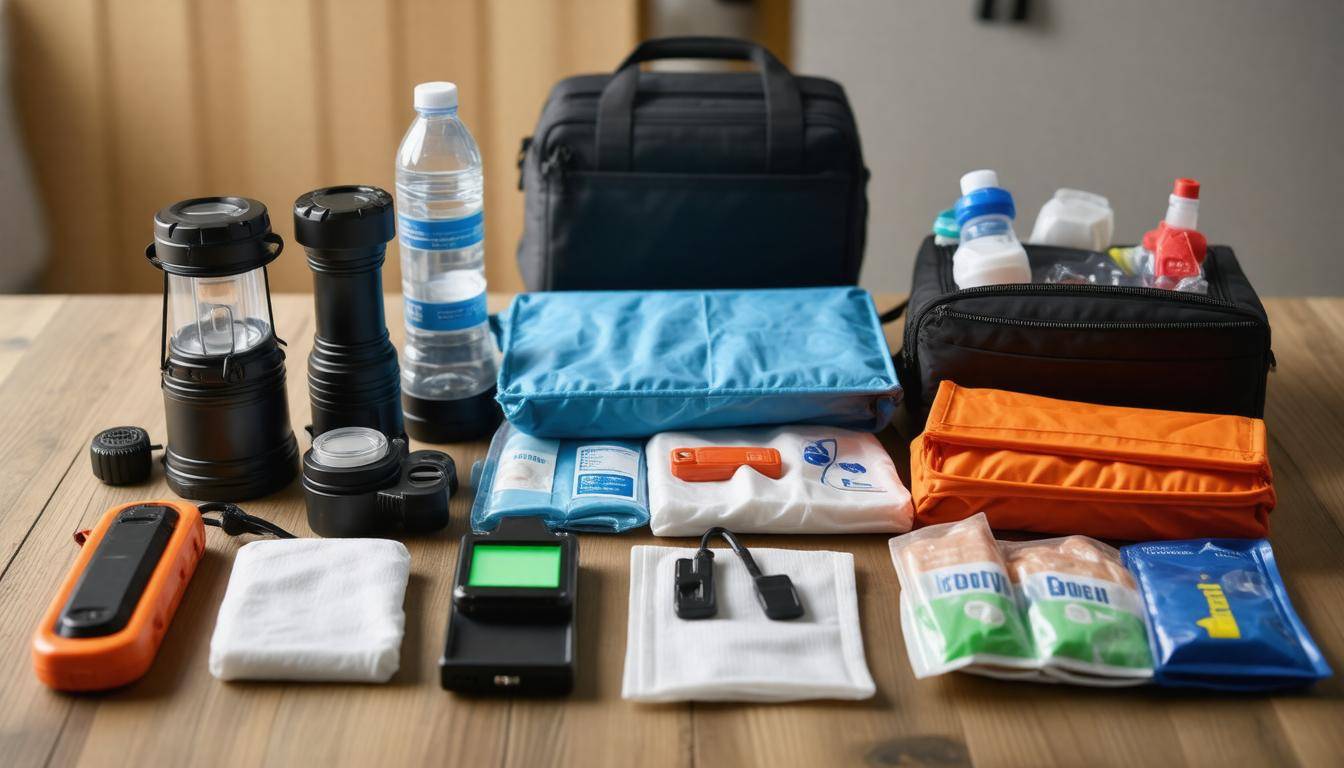
Access to essential health and safety gear can mean the difference between life and death during a flood crisis. It’s easy to overlook the importance of including specific health items in your emergency preparedness plan, but having them readily available can make a significant impact. Your kit should contain a well-thought-out selection of supplies that addresses immediate health needs while ensuring your safety.
To begin with, include first aid supplies such as adhesive bandages, antiseptic wipes, gauze pads, and pain relievers. These items can help manage minor injuries or discomforts promptly. Additionally, having prescriptions and vital emergency contact numbers stored together can streamline communication and access crucial information during stressful situations.
Don’t forget about face masks and gloves, especially if you’re navigating areas that could be contaminated by floodwaters. Water may carry harmful bacteria, and protective gear ensures that you minimize your risk of exposure.
However, one item that often gets underestimated is a whistle. The ability to signal for help with a whistle rather than shouting can greatly enhance your chances of being rescued. During the 2023 Sydney floods, countless individuals were saved due to the effective use of survival whistles to alert rescuers from a distance.
As you assemble your emergency kit, these health and safety items become integral components for managing challenging situations effectively. With these essentials accounted for, you’ll be prepared to focus on safeguarding yourself and others when it matters most. It’s time to consider other critical aspects of staying protected in adverse conditions.
Tools for Shelter and Protection
Understanding the right tools for shelter and protection can dramatically enhance your safety during emergencies. It’s not just about having the items on hand; it’s also about ensuring they are easily accessible and ready for immediate use. For anyone living in flood-prone areas like Sydney, this becomes even more critical, especially when time is of the essence during an evacuation.
Waterproof Materials
Heavy-duty tarps should top your list of essentials; these durable materials can be your best ally in creating makeshift shelters. Ideally, choose tarps that measure at least 10×12 feet to provide ample coverage for both you and your belongings. It’s crucial that these tarps are waterproof and UV resistant, as they will shield you from rain as well as sun exposure if you’re caught outside for any length of time.
If you’re quick to grab supplies, you’ll want one or two extra rolls of waterproof duct tape; this versatile tool can act as a temporary repair solution, sealing gaps in your shelter or holding down corners of your tarp.
As vital as tarps are, portable shelter options add an extra layer of preparedness.
Portable Shelter Options
A compact, waterproof tent is another critical addition to your emergency kit. When selecting a tent, make sure it’s easy to set up and dismantle quickly, ideally with fewer components that could risk loss or confusion during a hasty evacuation. Many modern tents can be pitched in under five minutes—this rapid deployment capability can be priceless during unexpected weather changes.
Remember to practice setting up your tent ahead of time, so when the moment arrives, it feels like second nature.
Emergency preparedness isn’t exclusive; it’s a shared responsibility within communities. According to the Red Cross, 45% of people left without shelter during floods face increased health risks, underscoring the pressing need for effective tools and planning.
Now that we’ve covered basic tools, let’s explore strategies that enhance organization and packing efficiency.
Organizing Your Tools
Keeping your shelter and protection tools organized can save valuable seconds when chaos ensues. Use a dedicated emergency bag that is clearly labeled. In shared experiences on platforms like Reddit, many emphasize having everything stowed away in clear bags or containers so they can easily see what they have packed.
It’s also wise to include a checklist pinned to the inside, detailing what item goes where, so you won’t forget anything essential when it’s time to leave.
Packing and Storing Your Kit
Packing your kit with care is crucial to ensure that in the chaos of an emergency, you can find what you need without delay. Start by choosing strong, waterproof bags—this will protect your supplies from water damage during flooding or other adverse conditions. Once you’ve selected your bags, organize items by category:
- Medicines in one bag,
- Essentials like food and water in another,
- Important documents in a third.
The key here is not only to keep everything dry but also to make it easier for you to locate specific items when emotions may be running high.
Remember to label each bag clearly. Whether it’s “First Aid,” “Food Supplies,” or “Important Documents,” clear labels can save precious time in an emergency situation. You wouldn’t want to rummage through several bags trying to remember where you placed your medications or identification.
Storage Location
Now that your kit is packed, think carefully about where you’ll store it. Ideally, choose a spot that’s easily accessible yet out of reach from potential floodwaters; elevated storage keeps your supplies safe from unexpected inundation. A sturdy shelf in a closet or a high cabinet often works best. However, the location doesn’t just have to be practical; it should also be familiar to all members of the household. Take a moment now to gather everyone together and inform them about the kit’s location so that no one is caught off guard when time matters most.
Consider taking precautionary measures, such as setting up an automated notification—like an app reminder—every six months to check on your kit’s contents. This strategy keeps important items fresh and ensures nothing expires unnoticed. Keeping checks on medications and food supplies can make all the difference if you ever need to grab the kit quickly.
In the pursuit of preparedness, maintaining awareness of what your kit contains is equally important. Regular reviews will ensure you’re ready for whatever nature throws at you next.
Keeping Your Kit Up to Date
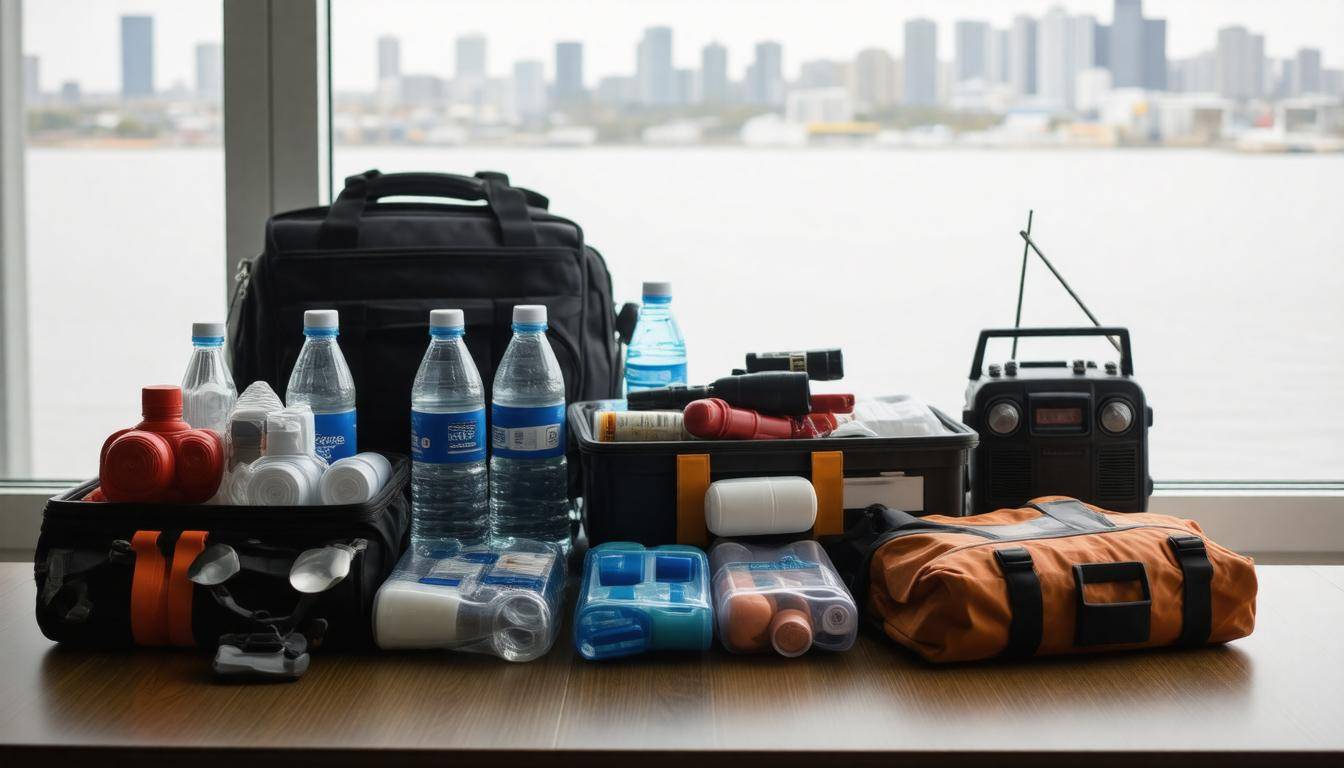
An outdated kit can indeed be as problematic as having no kit at all, especially when disaster strikes and every second counts. To avoid this situation, it’s essential to schedule regular checks, ideally every six months, where you go through the contents of your kit meticulously. This proactive step ensures that all items are functional, usable, and stocked appropriately for potential emergencies.
While you’re at it, consider making it a family event. Involving everyone in these checks not only makes the task more engaging but also helps familiarize them with the kit’s contents. Imagine your child confidently pulling out a flashlight or knowing precisely where the first aid supplies are during a real emergency.
Remember that a family well-prepared is a family well-protected.
Checklist Method
One effective way to stay on top of your emergency kit organization is to maintain a checklist of items and their expiration dates. Creating such a list allows for systematic updates—you can mark off items as they get checked or replaced. Making this process easy might even mean saving time when things get frantic.
Remember to include critical items like food and medications that have an expiration date, along with water supplies that should be rotated regularly to ensure freshness.
On top of this, consider participating in community drills that can provide valuable practice opportunities for your family while refining your overall preparedness plans. Working together as a community not only strengthens individual knowledge but promotes collective resilience when facing natural disasters.
As we turn our focus now towards what personal items are important, consider how these belongings can further support your well-being during unforeseen circumstances.
Personal Valuables to Consider
In preparing for potential disasters such as floods or fires, personal valuables play a dual role: they not only represent irreplaceable memories but also serve essential functions in terms of identification and security. While many items are replaceable, certain documents can be critical in helping you regain normalcy after an emergency. Prioritize items like:
-
Identification Documents: Ensure passports, driver’s licenses, and other forms of ID are stored together in a waterproof pouch. These help establish your identity and are critical for accessing services post-disaster.
-
Financial Documents: Include bank statements, insurance papers, and relevant policies. This documentation can facilitate claims and provide peace of mind amid chaos.
-
Medical Records: Having copies of vaccination records and prescriptions readily accessible can save time if you need to visit a doctor or pharmacy.
By organizing these documents ahead of time and keeping them safe, you’ll alleviate stress when every second counts during an emergency evacuation.
Sentimental Valuables
While it’s easy to want to gather every cherished item, practicality dictates otherwise. Focus on a few select sentimental objects that truly resonate with you. For instance, small mementos like family photos or letters can provide immense comfort during stressful times. It’s best to keep this collection minimal to ensure space for other essentials. What you choose to save should embody the most meaningful connections.
To optimize both memories and space, consider digitizing your treasured photographs. Create digital backups on an external hard drive or cloud storage to preserve their essence without taking up room in your emergency kit. If the worst happens, you’ll still have access to those precious moments through various mediums.
Equipped with essentials for your personal documentation and carefully selected sentimental items, let’s explore practical advice shared by the community to enhance your preparedness even further.
Community Tips for Emergency Preparedness
Communities often provide invaluable tips rooted in real-life experiences that can be transformative during emergencies. One simple yet effective suggestion from residents in Parramatta is to keep your emergency kit inside a sturdy plastic storage bin with a secure lid. This not only keeps essentials dry but also maintains organization for quick access when time is of the essence. Imagine being able to grab everything you need in one go, rather than fumbling through several bags while the clock is ticking!
Additionally, joining local forums or social media groups focused on emergency preparedness creates a network of support filled with shared insights. For instance, a resident from South Sydney pointed out how vital it is to have a portable battery pack ready for charging essential devices during unexpected power outages. This simple addition could mean the difference between staying connected and feeling isolated when help is needed the most.
Proactive Measures
When preparing for an emergency, there are several must-have items that can significantly boost your readiness:
-
Water and Non-Perishable Food: It is advisable to keep at least a three-day supply of water and food, which can sustain you until help arrives.
-
First Aid Kit: Ensuring your first aid kit is stocked not just with basic supplies but also any personal medications is crucial.
-
Whistle: This can be an essential item for signaling hidden dangers or for communication if regular channels are cut off.
A survey conducted by Sydney’s emergency services shows what essentials residents prioritize when assembling their kits:
| Item | Percentage of Residents with Item in Kits |
|---|---|
| Water | 85% |
| Food | 80% |
| First Aid Kit | 90% |
| Whistle | 60% |
Engaging with community advice ensures your kit remains comprehensive while offering peace of mind during emergencies. By actively participating in discussions and seeking recommendations, you can adapt your kit based on collective wisdom and experiences.
Importantly, taking these measures not only enhances individual safety but fosters a sense of community resilience, reinforcing that we are stronger together in times of crisis. Preparing effectively means you’re not just safeguarding yourself—you’re reinforcing the collective strength of your neighborhood.
How often should I check and update my flood emergency kit?
You should check and update your flood emergency kit at least twice a year, ideally during seasonal changes, to ensure the items are in good condition and not expired. According to the Australian Red Cross, nearly 1 in 5 Australians have experienced flooding, highlighting the importance of preparedness. Regular updates can make a significant difference in your safety and readiness when unexpected flooding occurs.
What specific items should be included in a Sydney flood emergency kit?
A Sydney flood emergency kit should include essential items such as a portable water purification system, non-perishable food supplies (enough for at least three days), a first aid kit, batteries and a flashlight, a battery-operated radio, personal documents sealed in waterproof bags, a multi-tool or Swiss army knife, and warm clothing. In recent years, Sydney has experienced significant flooding events, highlighting the importance of preparation; for instance, the 2022 floods caused over 20,000 evacuations according to local authorities. Having these items ready can make a crucial difference in ensuring safety and survival during emergencies.
What role do local authorities play in providing guidance on flood preparedness in Sydney?
Local authorities in Sydney play a crucial role in providing guidance on flood preparedness by developing and disseminating emergency plans, conducting community education programs, and maintaining essential infrastructure to manage flood risks. They offer resources such as online toolkits and local workshops to help residents create effective flood emergency kits. According to the Bureau of Meteorology, proactive measures led by these authorities have helped reduce the impacts of flooding, with notable decreases in property damage reported during severe weather events over the past decade.
How can I ensure my pets are also taken care of during a flood emergency?
To ensure your pets are taken care of during a flood emergency, prepare an emergency kit that includes food, water, medications, and identification tags. Create a plan for evacuation that includes your pets, and never leave them behind—statistics show that around 25% of pet owners fail to evacuate with their animals during emergencies, which can lead to tragic outcomes. Additionally, having a safe place for your pets to stay and reaching out to local shelters or friends ahead of time can make all the difference in keeping them safe.
Are there any recommended storage practices for keeping the emergency kit safe and accessible?
To keep your emergency kit safe and accessible, store it in a cool, dry place away from direct sunlight to prevent degradation of supplies. Use waterproof containers to protect items from moisture, especially in flood-prone areas like Sydney. It’s also wise to keep the kit in a location that is easily reachable, such as near an exit or your vehicle, ensuring quick access during an emergency. Statistics show that 60% of Australians are unprepared for disasters; thus, proper storage can significantly increase readiness when disaster strikes.