
Winter in Thunder Bay is not just a season; it’s a test of endurance and adaptability. As temperatures plummet and snow blankets the landscape, understanding how to survive the extreme cold becomes essential. Whether you’re a lifelong resident or visiting for the first time, having the right gear and knowledge can turn potentially dangerous situations into manageable adventures. This guide offers practical tips, ensuring you stay warm and safe while enjoying the beauty of Ontario’s winter wonderland. With careful preparation and smart choices, you’ll be ready to embrace everything this stunning season has to offer.
The Thunder Bay, Ontario Extreme Cold Survival Guide emphasizes the importance of having high-quality winter gear, including insulated boots, a warm jacket, mittens, hats, and wool socks. Additionally, acclimatizing to harsh weather conditions and knowing safe areas to navigate during extreme cold are critical for ensuring personal safety and comfort throughout the winter months.
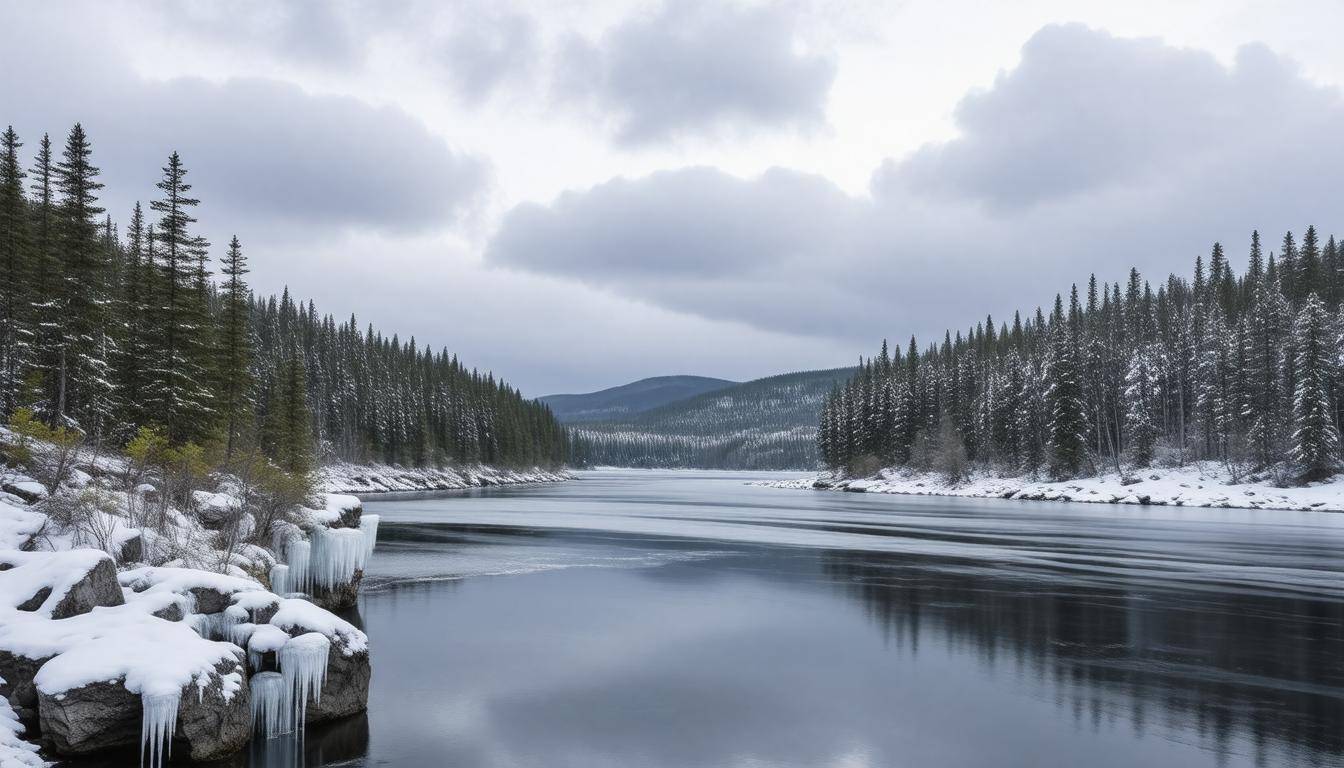
Essential Cold Weather Clothing
Surviving the frigid climate of Thunder Bay hinges on your ability to dress appropriately for extreme conditions. It’s not just about looking good; it’s a matter of survival.
For starters, you need to consider layering, which is absolutely essential when combating frigid air. This involves creating an outfit composed of multiple layers: a moisture-wicking base layer, a warm insulating layer, and a protective outer shell. Each layer plays a specific role in fighting the cold and should be chosen carefully.
Layering System
The layering system includes:
-
Base Layer: This next-to-skin layer should be made from materials like merino wool or synthetic fabrics designed to wick moisture away from your body. Staying dry is crucial because dampness can sap your body heat.
-
Insulation Layer: The mid-layer is typically made up of fleece or down jackets that provide the necessary warmth by trapping body heat. Insulated jackets with at least 200 grams of insulation work well against the biting cold.
-
Outer Layer: The outer shell should be windproof and waterproof, with a minimum rating of 5,000 mm for protection against snow and wind. Investing in durable outerwear ensures you’re shielded from harsh weather conditions.
Now let’s discuss what’s equally as important as your jacket—your footwear.
Footwear Essentials
Your feet are just as vulnerable to the cold, so proper winter boots are paramount. Opt for insulated boots rated for at least -30°C; brands like Baffin often come highly recommended in local circles due to their excellent insulation properties and comfort during prolonged wear. Good-quality socks aren’t an afterthought; they significantly impact warmth management. Wool socks are ideal since they retain heat even when damp, making them superior for winter conditions.
Additionally, having a pair of crampons on hand can help navigate icy sidewalks safely—trust me; slipping isn’t just embarrassing; it can be downright dangerous in extreme cold.
Lastly, let’s not overlook those smaller but critical accessories.
Accessories for Warmth
Hats, gloves, and scarves are your frontline soldiers against the cold winds prevalent in Thunder Bay. A thermal hat that covers your ears can prevent substantial heat loss, while insulated gloves will keep your hands warm—a necessity when traffic lights seem to take an eternity to change! Scarves made from fleece or wool provide extra protection and warmth around your neck, sealing off drafts that cause discomfort.
Remember: It’s not just about having winter gear; it’s about ensuring every piece works together. If one layer fails, it can compromise your entire outfit’s ability to retain warmth and keep out the cold.
This preparation might require some investment upfront, but nothing can replace the comfort and security that comes from being well-equipped to face the harshest winter weather Thunder Bay has to offer.
With proper clothing selected, we can now examine how layering techniques optimally enhance warmth during these chilly months.
Layering for Maximum Warmth
The layering technique is all about creating a protective barrier that facilitates warmth while allowing flexibility during movement. It’s like building your own personal insulation system! The foundation starts with a smoothly designed base layer, progresses to an insulating middle layer, and finally culminates with a robust outer layer that withstands the harsh elements. Each component plays its part in keeping you warm, dry, and comfortable during those bitterly cold months.
Step I – Base Layer
Begin with a moisture-wicking base layer, as this crucial first step is responsible for managing sweat and maintaining body temperature. Fabrics such as merino wool or synthetic materials like polyester are excellent choices because they efficiently move moisture away from your skin, preventing that uncomfortable chilly sensation when sweat cools down. Imagine coming in from the cold after a fun afternoon of skiing but feeling fresh instead of damp; that’s the magic of a good base layer! It’s recommended to choose a thickness of 150-200 g/m² for optimal performance.
Step II – Middle Layer
Next up is the insulating layer, where it truly gets interesting. This layer is meant to trap heat next to your body. Opt for fleece or down jackets that hug you just right yet leave enough room for mobility. A good insulating layer works tirelessly to create a barrier against the cold air, helping you maintain warmth as you explore winter landscapes. When selecting this layer, look for fleece with a thickness of 200-400 g/m² or down jackets rated at 600 fill power or higher for top-notch insulation.
Step III – Outer Layer
Don’t overlook the outer layer—this is your protective shield against wind, water, and snow. Select a shell made from materials like Gore-Tex or similar options that boast both waterproofing and breathability qualities. A suitable outer shell should allow moisture vapor to escape while keeping external elements at bay; aim for a moisture vapor transmission rate (MVTR) of at least 10,000 g/m²/24h. With this final piece of protection, enjoying long walks through snow-covered parks becomes a reality rather than a frozen nightmare.
Step IV – Accessorize
Finally, let’s talk accessories—these items are often underestimated but have enormous value! Don’t skimp on thermal gloves to keep your fingers nimble and warm; they make all the difference during frigid tasks or outings. Combine them with a wool hat that snugly surrounds your head because heat escapes rapidly from your noggin; maintaining warmth here is paramount! An insulated scarf completes your ensemble by keeping those chilly winds away from your neck.
Proper layering leaves no stone unturned; it aims to protect every inch of your body from the brutal elements.
Mastering layering techniques not only enhances comfort but also boosts confidence in dealing with harsh winter conditions. This sets the stage perfectly for understanding how best to defend yourself against wind chill and moisture intrusion.
Wind and Moisture Protection
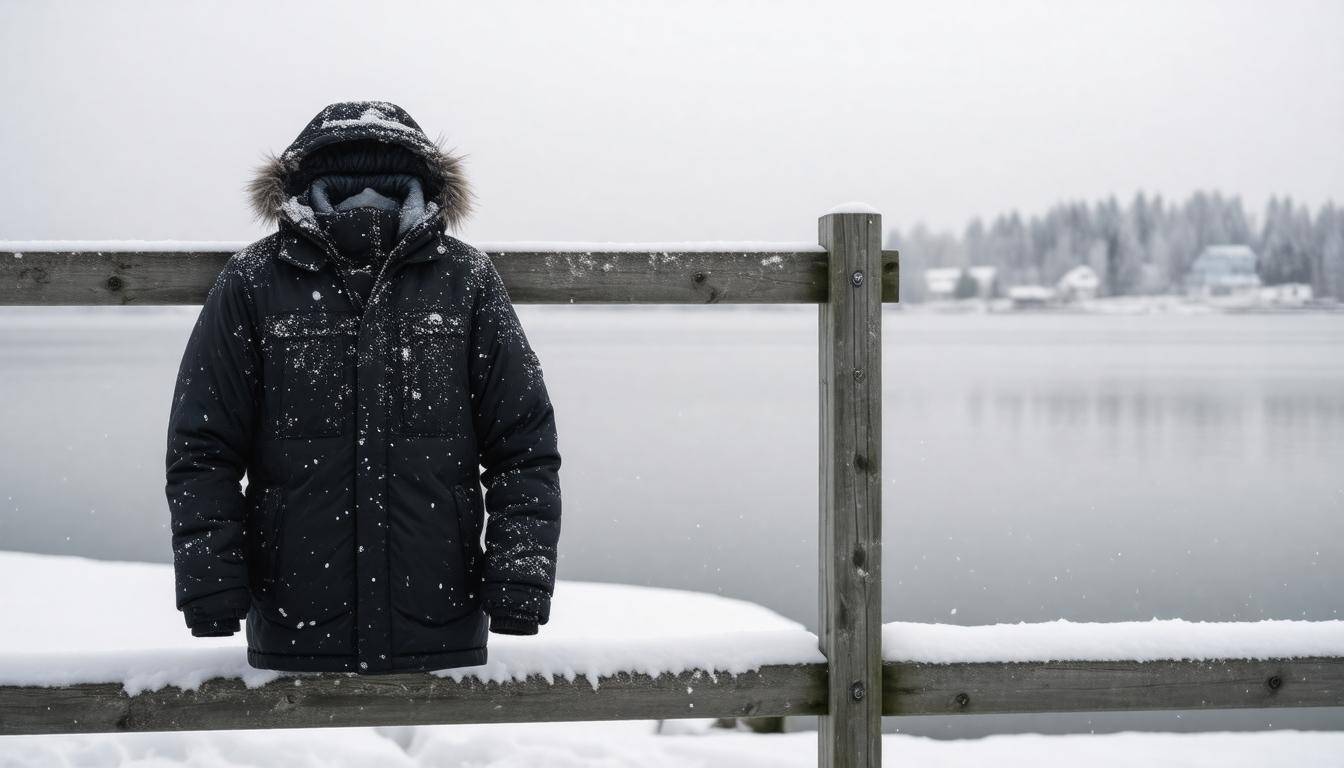
When it comes to braving the harsh winter conditions in Thunder Bay, wearing appropriate clothing is not merely an option—it’s a necessity. Windproof clothing acts as a formidable barrier against those chilling gusts that seem to cut straight through layers. Imagine walking outside on a day when the temperature feels much colder due to the wind; that’s what you’re up against. Clothing made from Gore-Tex, for example, is highly recommended because it offers superb breathability while keeping the wind at bay. This type of jacket typically features a waterproof membrane that blocks the wind while managing internal moisture, ensuring you stay dry from both external elements and perspiration.
Now let’s talk about moisture management. You might think winter means dryness, but wetness is lurking everywhere—from melting snow to accidental spills—and it can be your worst enemy. If your feet are wet, for example, they lose heat much more quickly than if they’re dry. This leads to discomfort at best and a dangerously cold situation at worst.
Tips for Moisture Management
-
Invest in high-quality waterproof boots designed specifically for winter conditions. Brands like Baffin offer insulated footwear that keeps your feet warm and comfortable while providing excellent grip necessary for icy sidewalks.
-
Choose moisture-wicking base layers. These fabrics are designed to pull sweat away from the skin; this keeps you feeling dry and comfortable, crucial for maintaining body heat in extreme conditions.
-
Always carry extra socks with you! A common trick is to bring along a spare pair so that if your feet become damp, you can switch them out immediately—a small action that can make a substantial difference in your overall warmth.
Let me stress how crucial it is to keep yourself dry during winter adventures. Wet clothing extracts heat from your body far more effectively than dry fabric, significantly increasing your risk of hypothermia. Therefore, always prioritize materials that are waterproof or water-resistant when selecting your winter gear.
By paying attention to both wind and moisture protection strategies, you’ll find yourself better equipped to enjoy all that Thunder Bay has to offer—even amidst its most severe winter challenges. Understanding these protective measures sets a strong foundation as we turn our focus to recognizing signs of dangerous cold exposure.
Recognizing Hypothermia Symptoms
Hypothermia is not just a buzzword; it’s a potentially life-threatening condition that can creep up on even the most seasoned winter warriors. When your body loses heat faster than it can produce it—often due to prolonged exposure to cold and wind—the results can be dire. The quicker you can identify the symptoms, the better chance you have of getting help in time.
Key Symptoms
-
Uncontrollable shivering, which is the body’s way of attempting to generate heat through muscle activity—this might be accompanied by a feeling of extreme cold.
-
Slurred speech often resembles the effects of heavy drinking, where individuals struggle to communicate clearly or might mumble their words.
-
Drowsiness or an unusual level of fatigue can sweep over those affected, making it tough to stay alert or focused on their surroundings.
-
Loss of coordination features prominently as well, leading individuals to stumble or find it difficult to move without assistance.
Each of these symptoms serves as a warning sign that your body is losing warmth and might need immediate attention. The earlier these indicators are recognized and acted upon, the more manageable the situation becomes.
“Jerry, a local of Thunder Bay, recalls how a simple winter hike turned dangerous quickly when his friend began showing signs of hypothermia. Quick thinking and immediate action saved the day.” This emphasizes the sheer importance of keeping an eye out for yourself and those around you.
If you notice anyone—yourself included—displaying these concerning symptoms, don’t hesitate: seek shelter immediately. Once safe indoors, begin warming the person gradually with warm (but not scalding) liquids and dry clothing. Remember that heating too quickly can cause shock, so take a measured approach.
In addition to recognizing symptoms, understanding how to prevent hypothermia from occurring in the first place is equally crucial for enduring the severe conditions that characterize this region’s winters.
Building Temporary Shelter
Emergencies can happen unexpectedly, and knowing how to build a temporary shelter is essential for survival. Picture yourself caught in an unexpected snowstorm or lost in the woods; the first thing that comes to mind is finding a way to block out the bitter cold. Building a shelter will provide protection from the elements, allowing you to conserve body heat and stave off hypothermia.
Basic Steps to Create a Shelter
Start by locating a suitable area—ideally on flat land, away from falling branches or potential hazards. If snow is available, you could create an amazing snow cave: pack snow into a mound and dig out space inside, ensuring that it’s tall enough to sit comfortably. Snow acts as excellent insulation, holding heat quite well once constructed. If there’s no snow or it’s not feasible to dig one, use branches or logs instead. Gather these materials to form a rudimentary frame for your shelter, leaning them against a sturdy tree or even creating a hallmark tent shape.
The key is to create barriers against wind and to insulate your space as much as possible using what nature provides.
As you begin building, think about how you can make use of every option around you. Tarps or emergency blankets are fantastic for draping over your structure to enhance wind protection and hold in warmth. Your backpack can also serve as a wall or barrier; simply look for spots that effectively block airflow when laid down.
Practical Advice
One crucial survival tip: if you’re lost, stay put. This sounds counterintuitive; however, moving around can sap your energy quickly and expose you to even more chill than necessary. Instead, conserving energy while waiting for help should be your priority. Always keep a lightweight emergency tarp or space blanket in your backpack; they’re compact yet invaluable when conditions turn dire.
These small pieces of gear can make all the difference as they provide extra warmth and act as wind blockers when you’re trying to create that insulated atmosphere. Understanding these basic steps and tips equips you with knowledge and provides comfort in knowing you’re better prepared for Mother Nature’s unpredictability during Ontario winters.
With survival skills under your belt, it’s time to shift our focus toward essential supplies that can further enhance your safety during extreme weather situations.
Creating an Emergency Kit
Having a well-prepared emergency kit can make all the difference when you find yourself in unexpected situations—like being stranded during a frigid winter storm. It’s your lifeline, packed with essentials designed to keep you warm and nourished until help arrives. Whether you’re at home, in your vehicle, or on a hiking trip, assembling this kit ensures peace of mind when conditions take a turn for the worse.
Essential Items
-
High-calorie snacks: Opt for energy-dense foods like nuts, granola bars, or jerky that provide quick energy without requiring any cooking.
-
Thermal blanket: A compact thermal or space blanket traps body heat and prevents hypothermia. It’s lightweight and easily fits into any bag.
-
Hand warmers: These small packets generate heat and offer immediate warmth to your hands or pockets.
-
A sturdy knife: This is vital for a myriad of uses such as preparing food or making other necessary tools.
-
Waterproof matches or a lighter: Fire is essential for warmth, so ensure your fire-starting tools are protected from moisture.
-
A whistle: In emergencies, signaling for help can be critical. A whistle can be heard from far distances compared to shouting alone.
While it may feel daunting to gather all these items at once, starting small can build momentum. Set aside a few items each week or month until your kit is complete. Involving children can add an element of teamwork; let them pick out snacks or choose the color of their thermal blanket.
To make your kit truly effective, pack it in a waterproof bag or container. Placing it in your car’s trunk or your backpack ensures that it’s on hand whenever needed. Regularly check the contents every six months to replace expired food items and verify that tools are functioning properly.
Local resident Sue often shares how her emergency kit saved her night when her car broke down in a remote area. Completely unprepared for the freezing temperatures outside, she was grateful to have high-calorie snacks and hand warmers tucked away in her bag. Those simple items made her wait more bearable and kept hypothermia at bay until help arrived.
As you put together your supplies, consider how one moment of planning can significantly impact your safety and wellbeing in cold weather. This mindset also prepares you for the next step in navigating the challenges of winter living here.
Navigating Thunder Bay’s Winter
Navigating through Thunder Bay’s frigid winter isn’t just about bundling up; it’s a blend of strategy and awareness that can make all the difference in your comfort and safety.
When venturing outdoors, the first step is adjusting your footwear. Using crampons or ice cleats that attach easily to your boots provides you with extra grip on icy sidewalks, dramatically reducing the risk of slips and falls. I recall a time when I disregarded this simple tip and ended up taking an unexpected tumble during my morning walk. Ever since then, I’ve always made sure to have them handy.
As you step outside, remember that awareness of changing weather conditions is crucial. Those majestic snowfalls can create picturesque views, but they can also obscure pathways and create treacherous walking surfaces. Always check local forecasts before heading out; knowing when the next storm is expected can help you plan your day effectively.
Transportation Tips
When it comes to getting around during winter, public transport becomes a convenient option, providing shelter from the biting wind and relentless snow. However, it’s important to remember that delays are common due to road conditions. Having your travel plan handy—like checking schedules or downloading transit apps—can save you valuable waiting time in the cold.
Moreover, local data highlights how road accidents spike significantly, with a 20% increase reported during January and February. This alarming statistic isn’t merely numbers; it underscores the importance of cautious driving practices during these months. If you plan to drive, ensure your vehicle is winter-ready: check your tires for adequate tread, keep antifreeze levels topped off, and carry essential supplies like blankets and non-perishable snacks in case of emergencies.
Investing in features like a remote car starter goes beyond luxury; it’s a smart investment for winter living. Imagine being able to warm up your car from indoors while sipping a hot cup of coffee! With such preparation, stepping into a cozy car becomes an everyday pleasure rather than a daunting task in the midst of extreme cold.
While you’re preparing for travel, embracing these insights will help enhance both your safety and comfort as you navigate across the snow-covered landscape.
Maintaining Body Heat
Maintaining body heat becomes a priority as temperatures drop and wind chills cut through even the warmest layers of clothing. The fundamental goal is to retain warmth while ensuring you stay active enough to help your body produce additional heat.
One of the best ways to kick off this process is by consuming warm, calorie-dense foods. This doesn’t mean indulging only in heavy meals; instead, focus on foods that will sustain energy levels, such as soups, stews, and nutritious grains. These types of food not only offer comfort but provide necessary fuel to adapt to the chill outside.
Staying hydrated might seem trivial in cold weather, but it plays a crucial role in maintaining body heat. It’s essential to drink fluids, but be mindful to avoid alcohol, which can trick your body into thinking it’s warmer than it actually is, ultimately lowering your core temperature. Instead, opt for hot beverages like tea or broth that keep you warm from the inside out.
Another effective practice involves staying physically active. Movement generates body heat, allowing your natural metabolism to kick in. Simple things like taking short walks or engaging in light physical activities can create significant warmth within your body. However, it’s equally important to strike a balance; overexertion can lead your body to sweat, resulting in damp clothes that quickly drain warmth away.
Key Practices
- Consume warm, calorie-dense foods like soups and stews for sustained energy.
- Stay hydrated by drinking warm liquids and avoiding alcohol.
- Keep moving with light activities to generate heat but know when to take a break.
For instance, consider Gemma’s routine: during her outdoor adventures in Thunder Bay, she schedules regular breaks to enjoy hot tea. This habit not only keeps her warm but mentally prepares her for more outdoor time ahead—it’s about nurturing both body and mind!
Additionally, layering remains vital in this equation; dressing in snug thermal layers helps trap warmth close to the skin without restricting movement.
Ultimately, combining these tips—nutritious foods, hydration, and consistent movement—can significantly enhance your resilience against Thunder Bay’s harsh winter conditions.
Keep refining these practices; growing accustomed to winter requires patience and adaptability as much as it does preparation. Staying proactive will ensure you make the most of every winter adventure while staying warm and safe.